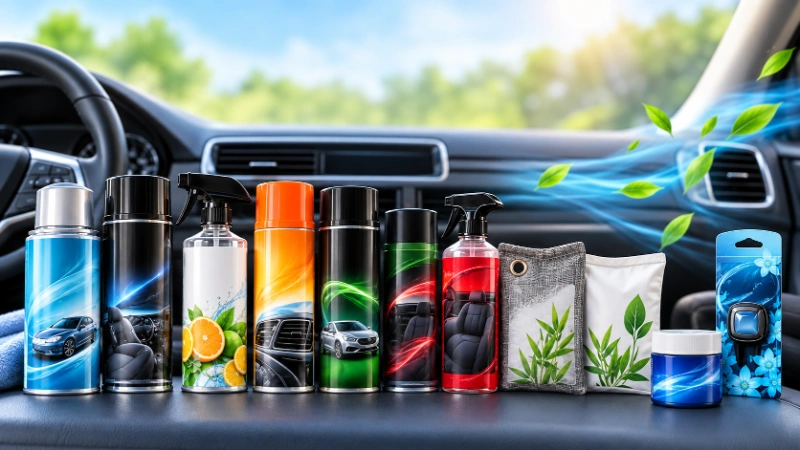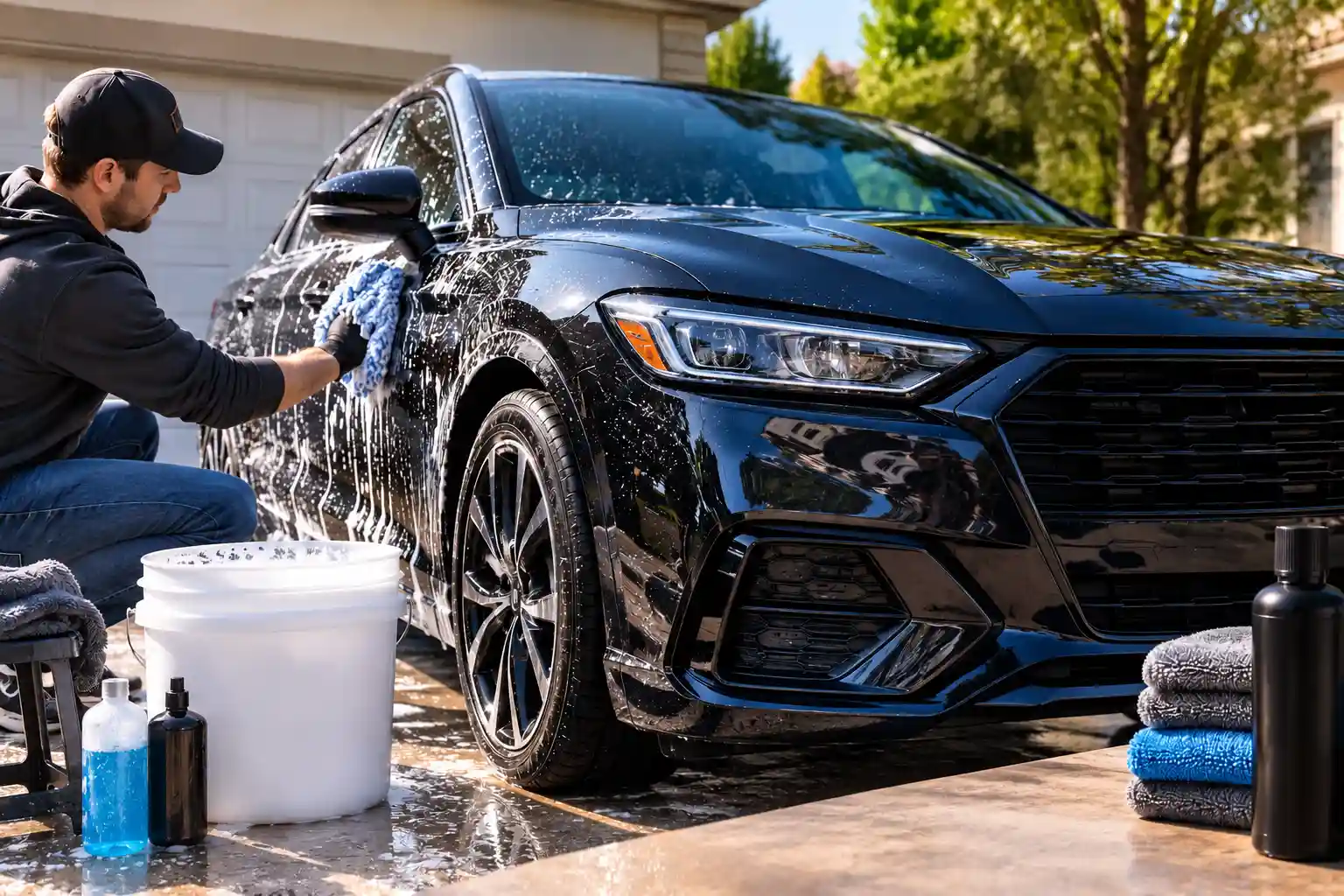
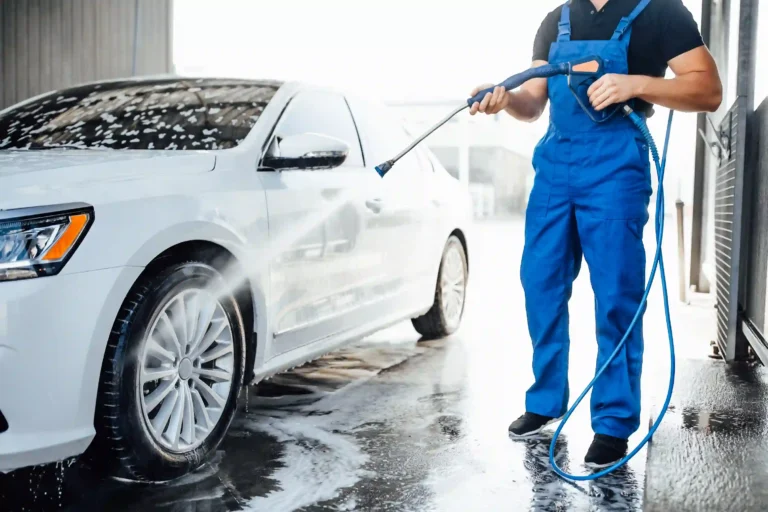
Car care includes the routine cleaning, protection, and condition management of a vehicle’s exterior, interior, glass, wheels, tires, and underbody.
Its relevance has grown as vehicles stay in service longer. S&P Global Mobility reported that the average age of cars and light trucks in the United States reached a record 12.6 years in 2024, while Kelley Blue Book noted in 2026 that the average vehicle on the road was about 12.8 years old.
AAA also found that the average cost to own and operate a new vehicle in 2025 was $11,577 per year. In that context, regular car care is not only cosmetic. It supports surface preservation, visibility, resale condition, and long-term ownership value.
The main product and maintenance categories are outlined below in the Top 10 Types of Car Care.
- Cleaning Kits
- Exterior Care
- Interior Care
- Glass Care
- Tire & Wheel Care
- Fillers, Adhesives & Sealants
- Finishing
- Solvents
- Undercoatings
- Tools & Equipment
1. Cleaning Kits
Cleaning kits are grouped sets of car care products and tools designed to handle basic washing and interior or exterior cleaning in one package. They help users maintain consistency because the needed items are selected to work together instead of being used randomly.
A typical car cleaning kit may include shampoo, microfiber towels, brushes, wheel cleaner, interior cleaner, applicators, and drying cloths. This category is important because improper washing tools can create scratches, streaking, and cross-contamination between surfaces. A complete kit reduces that risk by giving the user a more controlled routine. Consumer Reports also advises using proper cloths and automotive-specific glass cleaners to avoid streaking and material damage inside the car.
2. Exterior Care
Exterior care focuses on the outer surfaces of the vehicle, including paint, trim, lights, plastic parts, chrome, and exposed body panels. Its purpose is to remove dirt safely and protect surfaces from fading, oxidation, staining, and environmental fallout.
This area of car care matters because vehicle exteriors are exposed daily to UV rays, dust, bird droppings, rain, road film, and pollutants. EPA guidance notes that vehicle washing and maintenance can involve contaminants such as hydrocarbons and heavy metals, which shows how much residue builds up on vehicles over time and why proper, controlled cleaning matters. Exterior care products are designed to lift this contamination while preserving the finish.
3. Interior Care
Interior care includes cleaning and maintaining dashboards, seats, carpets, door panels, trim, mats, leather, fabric, and touch surfaces inside the cabin. Its main goal is cleanliness, comfort, odor control, and material preservation.
This category is often underestimated, but interior neglect builds up quickly through dust, food residue, body oils, moisture, and daily contact. Consumer Reports recommends using suitable materials and surface-specific cleaners because different interior components react differently to chemicals and friction. That matters even more in modern vehicles, where cabins include soft-touch plastics, coated displays, stitched trim, and mixed materials.
4. Glass Care
Glass care covers windshields, side windows, rear glass, and mirrors. It is meant to improve visibility, reduce streaks, remove film, and maintain clearer sight lines in both day and night driving.
This is not just a cosmetic issue. NHTSA notes that dirty or damaged headlamps and windshield condition can reduce forward visibility, especially at night. Clean glass and lighting surfaces support safer driving because even light haze, film, or residue can make glare worse and reduce what the driver sees ahead.
5. Tire & Wheel Care
Tire and wheel care focuses on removing brake dust, road grime, tar, and old dressing from the wheels and preserving the appearance and function of tires. It also supports inspection because clean tires and wheels make it easier to spot cracks, curb damage, uneven wear, or corrosion.
This category is more important than many drivers realize. EPA materials note that braking releases a wide variety of materials into the environment through wear, which helps explain why wheels collect stubborn dust so quickly. Tire care also supports safety because tire condition, pressure awareness, and tread inspection are part of responsible vehicle upkeep.
6. Fillers, Adhesives & Sealants
Fillers, adhesives, and sealants are used to repair, bond, fill gaps, seal joints, and correct minor surface damage on certain automotive parts. They support both appearance and function when used correctly.
These products are common in practical car care and repair environments because vehicles develop small cracks, chips, loose trims, seam gaps, and bonding needs over time. Sealants help keep out moisture, while fillers can smooth small imperfections before finishing. Adhesives help restore attached parts without immediate replacement. In real-world car care, this group sits between cleaning and minor corrective maintenance.
7. Finishing
Finishing refers to the final improvement and presentation stage of car care. It usually includes polishing, buffing, gloss enhancement, trim dressing, surface refinement, and final appearance correction.
This category is where visual results become obvious. Finishing products improve clarity, depth, smoothness, and uniformity after cleaning and decontamination.
It can also include two closely related protective sub-areas that matter for long-term vehicle condition. They are Corrosion & Rust Inhibitors and Protective Shields
a. Corrosion & Rust Inhibitors
Corrosion and rust inhibitors are products designed to slow oxidation and protect exposed metal from moisture, salt, and chemical contact. They are especially important in areas where vehicles face wet roads, coastal air, or seasonal road treatment.
Rust protection matters because metal deterioration does not stay cosmetic for long. Once corrosion spreads, repair costs rise and structural areas can weaken. Federal and environmental guidance around vehicle maintenance repeatedly highlights the role of contaminants, moisture, residues, and underbody exposure in long-term wear conditions. That is why preventive products are far cheaper than late-stage rust repair.
b. Protective Shields
Protective shields are coatings or protective layers that sit on the surface and reduce damage from water, grime, UV exposure, chemicals, and daily wear. In practical car care, they include waxes, sealants, dressings, and modern protective coatings depending on the surface.
Their purpose is simple. A protected surface is easier to clean and less likely to hold contamination. Protective layers also reduce direct exposure between the material and the environment, which helps paint, trim, glass, and tires age more slowly over time.
8. Solvents
Solvents are strong cleaning agents used to break down grease, tar, adhesive residue, oil film, and stubborn contamination that normal cleaners cannot remove easily. They are effective, but they require controlled use.
This category is useful in mechanical and detailing work, but it also carries risk when used incorrectly. EPA vehicle maintenance guidance warns that many maintenance and washing processes involve chemicals that can become pollutants if mishandled. On the vehicle side, harsh or excessive solvent use can damage plastics, coatings, rubber, and paint if the wrong product is used on the wrong material.
9. Undercoatings
Undercoatings are protective materials applied to the underside of a vehicle to help resist moisture, road salt, debris, and abrasion. They are especially relevant for vehicles exposed to wet roads, coastal conditions, gravel, or long-term use.
This type of care protects parts many owners rarely see, yet those parts face some of the harshest conditions on the vehicle. Moisture and road contamination build up underneath the car far more aggressively than on upper painted surfaces. That is why underbody protection is often one of the most practical long-term preservation steps.
10. Tools & Equipment
Tools and equipment include pressure washers, foam guns, polishers, applicators, detailing brushes, vacuums, pads, extractors, tire inflators, and inspection lights. They do not replace good products, but they strongly affect the result.
The reason this category matters is simple. The wrong tool can damage a surface even when the product is correct. The right tool improves efficiency, consistency, and control. In car care, technique and equipment often matter as much as chemical choice.
What Does a Complete Car Care Process Include?
A complete car care process is a step-by-step routine that moves from inspection to cleaning, correction, protection, and final checks. Doing the process in the right order helps prevent damage and gives better results because each step prepares the surface for the next one.
Step 1: Inspect the Vehicle Before Starting
A proper car care routine starts with inspection. This means checking the vehicle for dirt level, paint defects, brake dust buildup, glass haze, trim fading, interior stains, tire condition, and any visible rust or damage.
Inspection matters because it tells you which products, tools, and level of care are actually needed. A lightly dusty car does not need the same approach as one covered in mud, iron fallout, or adhesive residue. It also helps identify sensitive areas before any chemical or tool touches the surface.
Step 2: Choose the Right Car Care Products and Tools
The second step is selecting products and tools based on vehicle condition and surface type. Different materials need different chemistry, and not every cleaner is safe for every part.
This step prevents one of the biggest causes of damage in car care, which is product mismatch. Glass cleaners, interior cleaners, wheel cleaners, solvents, dressings, and protective products all have different purposes. Choosing correctly before starting reduces errors and makes the rest of the process smoother.
Step 3: Pre-Clean the Exterior Surface
Pre-cleaning removes loose dirt, dust, and heavy surface contamination before contact washing starts. This usually involves rinsing, foam, or a pre-wash cleaner that loosens grime safely.
This step is important because rubbing a dirty surface too early can drag abrasive particles across the paint. Exterior contamination often contains dust, grit, road film, and deposited particles from daily driving, so pre-cleaning lowers scratch risk before the wash stage begins.
Step 4: Wash the Exterior Properly
Exterior washing removes bonded grime from paint, trim, lights, and panels using a safe automotive shampoo, clean wash media, and proper rinse technique. This is the main cleaning phase for the outer body.
A proper wash is not just about soap and water. It is about reducing friction, avoiding dirty tools, and cleaning from top to bottom so contamination is not spread back across the vehicle. Good washing habits help preserve gloss and reduce long-term micro-scratching.
Step 5: Clean Wheels and Tires
Wheels and tires are usually cleaned separately because they hold heavier contamination than most painted panels. Brake dust, road tar, and grime require dedicated cleaners and brushes.
This separate step helps avoid cross-contamination. The residue on wheels is often harsher than normal body dirt, and EPA materials on brake wear help explain why wheel contamination can be persistent and abrasive. Keeping wheel tools separate from paint tools is one of the smartest habits in a safe car care process.
Step 6: Clean Glass and Mirrors
Glass cleaning removes film, fingerprints, water spots, and residue from the windshield, side glass, rear glass, and mirrors. The goal is clear visibility without streaks.
This step supports safety as much as appearance. NHTSA findings on visibility and glare show that surface condition affects what the driver can see, especially at night. Clean glass also makes wipers perform better and helps reduce distracting haze in sunlight or oncoming headlights.
How Does Each Type of Car Care Product Work?
Each car care product category works by solving a specific problem on a specific vehicle surface. Some lift dirt, some break down contamination, some improve appearance, and some create a barrier that slows future damage.
How Cleaning Kits Help With Complete Car Cleaning
Cleaning kits work by combining the basic tools and chemicals needed for routine car cleaning into one system. They usually support safer washing because the user has separate items for paint, wheels, glass, and interior surfaces instead of trying to use one product everywhere.
That matters because car surfaces collect different kinds of contamination. Paint picks up dust, road film, and bird droppings. Wheels collect heavy brake dust. Interior panels hold skin oils, crumbs, and fine dust. A cleaning kit makes the process more controlled, which helps reduce common mistakes like using the wrong towel on glass or using a harsh brush on soft trim.
A well-built kit also supports consistency. When the same routine is followed every week or every month, dirt does not build up into harder contamination that later needs stronger chemicals or more aggressive correction. This is one reason regular car care often feels easier than occasional deep cleaning.
How Exterior Care Products Clean and Protect the Car Body
Exterior care products work by removing contamination from painted and exposed outer surfaces while helping preserve gloss, smoothness, and surface protection. These products include shampoos, quick detailers, bug removers, clay products, waxes, sealants, and trim-safe cleaners.
The first job is cleaning. Exterior shampoos and surface cleaners lift dirt so it can be rinsed or wiped away with less friction. The second job is protection. Protective products leave a thin barrier that reduces how strongly water, dirt, and pollutants stick to the surface.
That protective effect matters because transportation-related pollution includes particulate matter, road dust, and residue from normal driving environments. Vehicle surfaces are exposed to these elements constantly, so unprotected paint and trim usually become dull, stained, or harder to clean over time.
How Interior Care Products Maintain Cabin Cleanliness and Comfort
Interior care products work by cleaning dust, oils, stains, and odor-causing residue from the cabin while helping preserve the look and feel of interior materials. They are used on dashboards, seats, mats, door panels, consoles, headliners, and other contact areas.
These products matter because interior materials are not all the same. Fabric, leather, vinyl, coated plastic, piano-black trim, touchscreen surfaces, and rubber mats each react differently to moisture, friction, and chemicals. Consumer Reports recommends surface-appropriate cleaning methods because the wrong product can leave streaks, residue, fading, or damage.
Interior care also improves comfort in a practical way. A clean cabin feels better to sit in, smells better, and makes daily driving less tiring. For families, rideshare drivers, and high-use vehicles, interior maintenance is often as important as exterior washing.
How Glass Care Products Improve Visibility
Glass care products work by removing films, fingerprints, dust, water spots, and traffic residue from windows and mirrors so the driver sees more clearly. Their value goes beyond appearance because visibility affects reaction time, glare resistance, and driving confidence.
NHTSA has noted that dirty or damaged headlamps and windshield condition can reduce forward visibility. In simple terms, when glass and lighting surfaces are not clean, the driver may see less of the road and more glare from outside light sources. That makes glass care one of the most safety-related parts of routine vehicle maintenance.
Good glass products also matter because they reduce streaking. A windshield that looks clean in shade can still show haze in bright sun or at night. Proper glass cleaning helps eliminate that thin layer of residue that many drivers overlook until vision becomes noticeably worse.
How Tire & Wheel Care Products Protect High-Contact Areas
Tire and wheel care products work by breaking down brake dust, road grime, grease, and old dressing while helping maintain a cleaner finish on both the wheel surface and the tire sidewall. They also make inspection easier because clean wheels and tires reveal damage more clearly.
This area of the car faces constant stress. Tires deal with friction, heat, water, stones, and road chemicals. Wheels collect some of the heaviest contamination anywhere on the vehicle. EPA information on brake wear shows that braking releases a wide range of materials, which helps explain why wheel dust can be stubborn, dark, and difficult to remove with normal soap alone.
Tire care products also help the rubber look less dry and neglected. While dressing is mostly cosmetic, regular cleaning before dressing is more important because it removes the buildup that can make tires look brown, patchy, or worn.
How Fillers, Adhesives & Sealants Help Repair and Bond Surfaces
Fillers, adhesives, and sealants work by restoring small problem areas where a surface has cracked, separated, chipped, or lost its seal. They are useful in real-world vehicle care because not every issue starts as a major repair.
A filler helps level a minor imperfection. An adhesive helps bond one part to another. A sealant helps close a gap and resist moisture or air entry. In practical terms, these products are often used on trim, seams, light repairs, and surface preparation before finishing.
Their value is preventive as much as corrective. A small open seam can allow moisture to enter. A loose trim edge can worsen from vibration. A minor chip can become more visible once dirt and water collect in it. These products help stop small defects from growing faster.
How Finishing Products Improve Appearance and Surface Condition
Finishing products work by refining the final look and feel of the vehicle after cleaning and correction. They improve gloss, visual depth, surface smoothness, and overall presentation.
Polishes and finishing compounds usually work by reducing the visibility of light defects and improving how light reflects from the surface. Dressings and appearance enhancers restore richness to trim, tires, and other faded-looking materials. The result is not only a cleaner car but one that looks better maintained overall.
This matters for owners who care about presentation, but it also matters financially. Kelley Blue Book notes that a cleaned and detailed car can be worth more at trade-in than one that looks worn or poorly maintained, and even basic detailing can help support stronger buyer confidence.
How Solvents Help Remove Tough Residue and Contamination
Solvents work by dissolving or loosening stubborn materials such as grease, adhesive residue, tar, wax buildup, and oily film that ordinary cleaners may not remove well. In car care, they are useful for specific contamination rather than routine all-surface cleaning.
Their strength is also why they need caution. EPA guidance on vehicle maintenance and washing highlights that maintenance chemicals can become pollution risks if handled poorly, and on the vehicle itself, strong solvents can damage sensitive plastics, rubber, coatings, or trim when the product is too harsh for the material.
Used correctly, solvents save time and effort. Used carelessly, they create new problems. That is why good car care depends on matching the product to both the residue and the surface.
How Undercoatings Protect the Vehicle Underside
Undercoatings work by adding a protective layer to the underside of the vehicle so moisture, salt, grit, and debris do less direct damage to exposed metal and structural areas. This matters because the underside faces some of the worst conditions on the vehicle.
Road moisture and contamination do not stay on the surface forever. They settle into seams, exposed metal areas, and hard-to-see parts under the car. Over time that can support corrosion, especially in harsh driving environments. Underbody protection reduces direct exposure and helps slow that process.
For long-term ownership, this is one of the more practical types of protection because underbody damage is easy to ignore until it becomes expensive. Prevention usually costs less than later rust repair or replacement of affected parts.
How Tools & Equipment Improve Car Care Results
Tools and equipment improve car care by increasing control, efficiency, and surface safety. Even a good product can perform badly if it is applied with the wrong towel, brush, pad, or machine.
A soft microfiber towel reduces scratch risk compared with rough fabric. A wheel brush reaches tight areas that a sponge misses. A vacuum with the right attachments cleans seams and corners more effectively. A machine polisher can refine paint far more evenly than hand application when used correctly.
This is why experienced car care routines focus on systems rather than single products. Better results usually come from the right product and the right tool working together.
What Are the Benefits of Regular Car Care?
Regular car care improves appearance, protects materials, supports safer visibility, and helps limit avoidable wear that becomes expensive later. It is one of the simplest ways to preserve both the condition and the value of a vehicle over time.
Better Exterior Appearance
Regular car care keeps paint, trim, wheels, glass, and body panels cleaner and more visually consistent. A vehicle that is washed, protected, and maintained on schedule looks newer and better kept than one cleaned only once in a while.
The reason is simple. Dirt, water spots, bug residue, brake dust, and road film do not just sit on the vehicle without consequence. The longer they remain, the more likely they are to stain or reduce the finish quality. Consistent care prevents that slow visual decline.
Improved Interior Cleanliness and Comfort
Routine interior care keeps the cabin cleaner, fresher, and easier to use every day. Clean seats, mats, controls, and touch surfaces improve comfort and reduce the worn feeling that neglected interiors develop over time.
This matters for daily-driven vehicles because the cabin is the part the owner experiences most directly. A cleaner interior also helps preserve materials, especially in vehicles with mixed surfaces that can fade, harden, or stain when neglected.
Longer Paint and Surface Life
Regular washing and surface protection help painted and exposed parts last longer by reducing contamination buildup and limiting direct exposure to damaging residue. This is especially true for vehicles that spend a lot of time outdoors.
Transportation sources contribute to road dust, particulate matter, and other pollutants in normal driving environments. When these materials settle on the vehicle repeatedly, they make surfaces harder to keep clean and can slowly reduce finish quality. Protection and cleaning interrupt that cycle.
Better Visibility and Safer Driving
Glass care, mirror cleaning, and proper maintenance of visible surfaces support better driving visibility. This is one of the most practical safety benefits of regular car care.
NHTSA materials on glare and visibility show that dirty or damaged lighting and windshield conditions can reduce forward visibility. That means routine cleaning is not only a cosmetic habit. It helps the driver see more clearly in rain, sunlight, dusk, and nighttime conditions.
Protection Against Rust, Moisture, and Road Damage
Regular care helps reduce the effects of water, grime, salt exposure, and underbody contamination. Even when corrosion does not start immediately, repeated exposure with no cleaning or protection raises the long-term risk.
This matters more for older vehicles and vehicles driven in wet or harsh environments. As vehicles stay on the road longer, metal preservation becomes a more important ownership issue, not less. S&P Global Mobility’s age data supports that reality because an older vehicle fleet means more owners are managing cars well past the early years of ownership.
Lower Long-Term Repair Costs
Regular car care can lower long-term costs by helping owners spot small problems early and by reducing wear that turns into more expensive correction later. It does not remove all repair costs, but it helps limit avoidable ones.
AAA’s 2025 study found that the average annual cost to own and operate a new car was $11,577, and maintenance, repair, and tires remain part of that ownership cost structure. When owners delay routine cleaning, ignore contamination, or miss early signs of damage, surface problems and material wear often become more expensive to fix.
Higher Resale Value
A well-kept vehicle generally presents better during resale or trade-in and can support stronger perceived value. Buyers often judge condition before they judge specifications.
Kelley Blue Book states that a cleaned and detailed car can be worth more at trade-in than a worn and poorly maintained one, and that thorough cleaning can increase value when selling. Good appearance does not replace mechanical condition, but it does shape how a buyer or appraiser sees the vehicle.
Better Overall Vehicle Performance and Condition
Regular car care supports the whole ownership experience by keeping surfaces usable, helping inspections happen earlier, and reducing the buildup that hides emerging issues. A clean vehicle is easier to evaluate than a neglected one.
This benefit is especially relevant now because owners are keeping vehicles longer. Kelley Blue Book reported in early 2026 that the average vehicle on the road was about 12.8 years old, which reinforces the idea that long-term condition management is becoming a normal part of vehicle ownership.
How Often Should You Do Car Care?
Car care should be done on a schedule that matches how often the vehicle is used, where it is driven, and what conditions it faces. Daily-use cars in dusty, wet, muddy, or high-traffic environments need more frequent care than lightly used vehicles kept in cleaner conditions.
Daily and Weekly Car Care Tasks
Daily and weekly car care tasks are the small checks and quick cleanups that stop bigger buildup from forming. These usually include removing visible dust, checking glass clarity, cleaning fresh bird droppings, checking tire appearance, and emptying interior trash.
These tasks matter because fresh contamination is easier to remove than older residue. A small mark on paint or a film on glass may take seconds to address today but much longer after sun, heat, or moisture has fixed it more firmly to the surface.
For drivers who use their car every day, weekly washing or at least weekly exterior refresh work is often a smart baseline. The goal is not perfection. The goal is to stop neglect from becoming a larger cleaning and preservation problem.
Monthly Car Care Tasks
Monthly car care tasks usually include a more complete wash, wheel cleaning, interior vacuuming, dashboard and trim cleaning, glass cleaning, and a closer inspection of surfaces that are easy to ignore during quick weekly routines.
This is also a good time to check whether protective products are still doing their job. Water behavior, surface feel, and visual finish often show whether the last protective step is still active or whether the car needs another layer of protection.
Seasonal Car Care Tasks
Seasonal car care tasks are deeper maintenance routines done to prepare the vehicle for changing weather and road conditions. They often include underbody cleaning, paint protection, trim treatment, tire condition checks, and stronger attention to moisture-prone areas.
Seasonal care matters because the environment changes what the vehicle faces. Rain, dust, extreme sun, mud, and road contamination all shift the stress placed on the vehicle. Owners who adjust their routine by season usually preserve condition better than those who use the same light routine all year.
When a Car Needs Immediate Care
A car needs immediate care when contamination or damage is likely to worsen quickly if ignored. This includes bird droppings, tree sap, heavy mud buildup, salt exposure, fuel spills near painted areas, unusual odors inside the cabin, sudden glass haze, or visible rust starting in exposed areas.
Immediate care is also needed when visibility is affected. If the windshield, mirrors, or lamps are dirty enough to reduce clarity, cleaning should not wait for the next scheduled wash because the issue has already moved from cosmetic to safety-related.
What Are the Most Important Car Care Products to Keep on Hand?
The most important car care products to keep on hand are the ones that help you clean safely, maintain visibility, protect surfaces, and handle small problems before they become larger ones. A useful car care setup does not need to be huge, but it should cover the main parts of the vehicle.
Basic Products for Exterior Cleaning
Every vehicle should have a few core exterior cleaning products ready for routine use. These usually include a pH-safe car shampoo, microfiber wash towels or mitts, drying towels, a bucket system or safe wash setup, and a basic exterior detail spray for light maintenance between washes.
These products matter because the exterior is where contamination builds up first. Road film, dust, bird droppings, and traffic residue collect quickly, and if they are not removed safely, the finish can become dull or scratched over time. Transportation-related pollution and road dust are part of the normal driving environment, which is why basic exterior cleaning supplies are not optional for long-term upkeep.
A wheel cleaner and a separate set of brushes or cloths for lower dirty areas are also worth keeping. This helps prevent one of the most common mistakes in car care, which is using the same tools on clean paint and on heavily contaminated wheel surfaces.
Basic Products for Interior Cleaning
For interior care, the most useful products are a safe interior cleaner, microfiber towels, a small vacuum or strong handheld vacuum, fabric or upholstery cleaner when needed, and surface-appropriate products for leather, vinyl, or trim depending on the materials in the vehicle.
These products help because cabin contamination is different from exterior dirt. Interiors collect body oils, dust, food particles, drink spills, and residue from daily use. Consumer Reports advises using the right cleaner for the right cabin surface because materials react differently, and strong or unsuitable products can damage finishes or leave unwanted residue.
A basic interior setup also helps preserve touchpoints such as steering wheels, armrests, and controls, which tend to wear faster than less-used surfaces.
Essential Glass and Tire Care Products
Glass care products and tire care products should always be part of a car care routine because they support both appearance and function. A streak-free automotive glass cleaner, clean glass towels, a tire cleaner, and a tire-safe brush are among the most important items to keep close.
Glass products matter because clear visibility is a safety issue, not only a cosmetic one. NHTSA has noted that dirty or damaged lighting and windshield condition can reduce forward visibility, especially in difficult driving conditions. Tire and wheel cleaners matter because wheels collect heavy brake residue and road grime, while tires need regular inspection and cleaning to stay presentable and easier to evaluate.
A simple tire pressure gauge or inflator is also useful because tire upkeep is part of responsible vehicle care, even when the main focus is cleaning and protection.
Protective Products for Long-Term Maintenance
Protective products are the ones that help cleaned surfaces stay in better condition for longer. These may include waxes, paint sealants, trim protectants, glass repellents, tire dressings, and underbody protection products depending on the climate and vehicle use.
The value of protection is that it reduces how strongly dirt, moisture, and contaminants attach to the surface. That makes future cleaning easier and helps slow visible aging. Kelley Blue Book’s guidance on preserving value supports the broader idea that a well-maintained, well-presented vehicle holds stronger appeal during resale or trade-in.
Protective products are especially useful for owners who keep their cars outside, drive long distances, or face heavy rain, dust, or difficult road conditions.
Useful Tools and Equipment for Better Results
Useful car care tools include microfiber towels, detail brushes, wheel brushes, a vacuum, applicator pads, a hose or safe wash source, and inspection lighting. Some owners also benefit from a pressure washer or machine polisher, but the most important point is to have tools that match the work.
Good tools improve results because they give better control. The right brush reaches into wheel spokes. The right towel reduces streaking on glass. The right applicator spreads protective products more evenly. Car care becomes safer and more efficient when the tool matches the job.
What Are the Most Common Car Care Mistakes?
The most common car care mistakes happen when products, tools, or steps are used without understanding the surface or the process. Most damage in car care does not come from cleaning too often. It comes from cleaning the wrong way.
Using the Wrong Product on the Wrong Surface
This is one of the most damaging mistakes in car care. A product that works well on one surface can stain, dry out, haze, or weaken another. Strong solvents, harsh wheel cleaners, and unsuitable interior products are common examples.
Consumer Reports advises using surface-appropriate methods for interior cleaning because different materials respond differently to cleaners and wiping methods. The same principle applies across the whole vehicle. Paint, glass, rubber, leather, fabric, chrome, and plastic do not all need the same chemistry.
When owners guess instead of matching the product to the surface, they often create new problems while trying to solve an old one.
Skipping Pre-Cleaning Before Washing
Skipping pre-cleaning means washing a heavily dirty vehicle without first loosening or rinsing away loose contamination. This increases friction during contact washing and raises the chance of dragging grit across the paint.
This mistake is common because it seems faster, but it usually leads to more surface marring. Vehicles collect road dust, particulate matter, and fine debris from daily transport environments, so a pre-rinse or pre-clean stage helps remove what should not be rubbed directly across the surface.
Using Dirty Towels, Sponges, or Brushes
Dirty tools spread contamination instead of removing it. A towel used on wheels should not be reused on paint. A sponge full of trapped grit should not be dragged over a door panel or hood.
This mistake affects both appearance and efficiency. Instead of getting the car cleaner, dirty tools create scratches, smearing, and cross-contamination. Good car care depends on clean, separate tools for different areas.
Ignoring Tire, Wheel, and Glass Care
Many owners focus only on paint and body panels and forget that wheels, tires, and glass affect both appearance and usability. This creates an incomplete result and leaves some of the most noticeable problem areas untreated.
Wheel dust is heavy and visible. Glass haze directly affects visibility. NHTSA’s visibility findings and EPA brake wear information both support why these surfaces deserve routine attention rather than being left until they look very bad.
Overusing Solvents or Harsh Chemicals
Strong products have a place in car care, but overusing them can damage sensitive materials and remove more than the contamination you intended to clean. This is especially risky on plastic trim, interior coatings, rubber, and some painted areas.
EPA guidance on vehicle maintenance and washing makes it clear that maintenance chemicals need proper handling. On the vehicle itself, the lesson is similar. Strong chemistry should be targeted, limited, and surface-appropriate, not used as an all-purpose shortcut.
Neglecting Rust Protection and Underbody Care
Underbody areas are easy to ignore because they are not visible during normal driving, but that does not make them low-risk. Moisture, grime, and road contamination collect underneath the vehicle and can stay there longer than most owners realize.
This matters more as vehicles age. S&P Global Mobility reported that the average age of cars and light trucks in the United States reached 12.6 years in 2024, which means more owners are maintaining vehicles deep into the years when corrosion control becomes more important.
Using Too Much or Too Little Protective Product
Applying too much protective product can leave streaks, residue, or greasy surfaces. Applying too little may leave uneven coverage and weak protection. Both mistakes reduce the benefit of the product.
Protection works best when the surface is prepared correctly and the product is used in the right amount. A thin, even layer usually performs better than heavy over-application, especially on trim, glass, and painted panels.
Ignoring Regular Checks After Cleaning
A car care routine should not end the second the vehicle looks clean. Final checks matter because they catch streaks, missed spots, excess product, uneven tire dressing, or signs of wear that were hidden before washing.
This habit is important because a clean vehicle reveals condition more clearly. Small cracks, fading, trim issues, or fresh rust are easier to notice after the dirt is gone. That makes post-clean inspection part of preservation, not just part of presentation.
Should You Do Car Care Yourself or Hire a Professional?
The best choice depends on the condition of the vehicle, the products required, the owner’s skill level, and how much correction or protection is needed. Many car care tasks are practical to do yourself, but some jobs are better handled by experienced professionals.
When DIY Car Care Is Enough
DIY car care is enough for routine washing, interior cleaning, glass cleaning, wheel cleaning, light surface protection, and basic upkeep between deeper maintenance sessions. For most owners, this covers the majority of what a vehicle needs on a regular basis.
DIY care works best when the vehicle is in reasonably good condition and the owner is using safe products and proper tools. Weekly or monthly upkeep is often more important than occasional heavy treatment, and this kind of steady maintenance is very realistic for most drivers.
DIY care also makes financial sense. AAA’s ownership cost data shows that vehicle ownership already includes meaningful yearly costs, so handling routine care yourself can help control spending while still protecting condition.
When Professional Car Care Is the Better Option
Professional car care is usually the better option when the vehicle needs paint correction, deep defect removal, advanced polishing, specialized coating work, stubborn contamination removal, or restoration of neglected surfaces. It is also the better option when the owner lacks the right tools, experience, or time.
This matters because some mistakes are expensive. Aggressive polishing can remove too much material. Strong chemicals can damage finishes. Poor technique on sensitive trim or interior parts can create permanent marks. A professional is more likely to know how to assess the surface before acting.
Professional detailing can also help when preparing a vehicle for sale. Kelley Blue Book notes that detailing and cleaning can help improve trade-in or sale presentation, and that can support stronger resale outcomes.
How to Choose Based on Vehicle Condition and Product Type
The easiest way to choose between DIY and professional care is to match the task to the risk. Low-risk maintenance tasks like washing, vacuuming, glass cleaning, and simple protection are usually DIY-friendly. Higher-risk work involving correction, advanced finishing, repair materials, or severe contamination often deserves professional handling.
Vehicle condition matters too. A new or well-kept car may only need regular owner maintenance and occasional professional help. An older vehicle with faded trim, paint defects, corrosion signs, and buildup may benefit from a professional reset before moving into a DIY maintenance routine.
What Is the Best Car Care Routine for Different Needs?
The best car care routine is the one that matches how the vehicle is used, where it is driven, and what type of wear it faces most often. A single routine does not fit every car because a new car, an older car, and a heavily exposed daily-use car do not need exactly the same approach.
Basic Routine for Daily Driven Cars
A basic routine for daily driven cars should focus on regular exterior cleaning, weekly or near-weekly visibility checks, monthly interior cleaning, and consistent wheel and tire maintenance. Daily-use cars collect contamination quickly, so the routine should prevent buildup rather than wait for deep neglect.
This type of routine usually includes a safe wash, glass cleaning, wheel cleaning, interior vacuuming, dashboard wipe-down, and periodic surface protection. The goal is to keep the car presentable and easier to maintain instead of allowing dirt to settle into every surface.
Car Care Routine for New Cars
A new car routine should focus on preservation more than correction. That means careful washing, early protection of paint and trim, regular interior upkeep, and strong attention to keeping surfaces free from avoidable contamination.
This approach makes sense because new vehicles lose value quickly in the early years. Kelley Blue Book notes that new cars can lose 20 percent or more in the first year and up to 60 percent over five years, so keeping a new car in strong condition helps support its long-term appeal and value.
A new car does not need aggressive treatment. It needs careful habits from the start.
Car Care Routine for Older Vehicles
Older vehicles need a routine that mixes cleaning with closer inspection. Regular washing and interior care still matter, but older cars also need more attention to trim condition, fading, glass clarity, underbody areas, and early signs of rust or seal failure.
This is especially relevant because the broader vehicle fleet is aging. S&P Global Mobility and Kelley Blue Book both point to an older average vehicle population, which means more drivers are caring for cars well into later ownership years.
For older vehicles, consistency matters more than perfection. The aim is to preserve what remains in good condition and slow the decline of parts that are more exposed to age.
Car Care Routine for Cars Exposed to Rain, Mud, and Dust
Cars exposed to rain, mud, and dust need more frequent exterior attention, faster response to heavy contamination, and stronger focus on underbody cleaning and protective maintenance. These environments cause dirt and moisture to stay on the vehicle longer and spread into seams, wheels, and lower panels.
For these vehicles, pre-cleaning becomes more important before washing because loose grit and dried mud can increase scratch risk. Protective products also become more useful because they reduce how firmly dirt sticks to the surface between washes.
Car Care Routine for Long-Term Protection
A long-term protection routine should combine regular cleaning with scheduled protective steps for paint, trim, glass, tires, and underbody areas. It should also include periodic full inspections so small issues are caught before they grow.
This routine is ideal for owners who plan to keep the vehicle for many years. That approach fits current ownership trends because vehicles are staying in service longer, and the longer a vehicle is kept, the more useful preventive care becomes. AAA ownership cost data and vehicle age data both support the same conclusion: preserving condition over time is financially and practically smart.
FAQs About Car Care
What is included in car care?
Car care includes cleaning, protecting, and maintaining a vehicle’s interior and exterior. It covers washing, waxing, polishing, tire care, glass cleaning, interior vacuuming, and applying protective products to prevent damage, preserve appearance, and extend the car’s lifespan.
Is car care the same as car detailing?
No, car care and car detailing are not the same. Car care is regular maintenance like washing and cleaning, while car detailing is a deep, professional process that restores and protects every part of the vehicle, inside and out.
What are the main types of car care products?
The main types of car care products include cleaning products, protective products, and finishing products. These cover car shampoos, wax, polish, tire cleaners, interior cleaners, glass cleaners, sealants, and coatings used to clean, protect, and enhance the vehicle’s appearance.
How often should a car be cleaned and maintained?
A car should be washed every 1–2 weeks and detailed every 3–6 months. Regular maintenance like interior cleaning, tire care, and waxing helps prevent dirt buildup, paint damage, and wear, keeping the vehicle in good condition year-round.
Which car care products are most important for beginners?
Beginner car care products include car shampoo, microfiber cloth, tire cleaner, interior cleaner, glass cleaner, and wax. These essentials help clean, protect, and maintain a vehicle without requiring advanced tools or professional detailing experience.
Does regular car care increase resale value?
Yes, regular car care increases resale value by preserving the vehicle’s condition. Clean interiors, protected paint, and well-maintained components reduce wear and damage, making the car more attractive to buyers and allowing a higher selling price.
Can car care help prevent rust and surface damage?
Yes, proper car care helps prevent rust and surface damage. Regular washing removes dirt, salt, and contaminants, while wax and protective coatings create a barrier that protects the paint and metal surfaces from moisture and corrosion.
Are cleaning kits enough for complete car care?
Cleaning kits are helpful for basic car care but not enough for complete maintenance. They cover washing and surface cleaning, but advanced protection like polishing, coating, and deep interior care often requires specialized products or professional detailing.
Why Is Car Care Important for Every Vehicle Owner?
Car care is important because it protects the vehicle from damage, maintains performance, and preserves value. Regular cleaning and protection prevent wear, improve safety, and ensure the car looks good while lasting longer with fewer repair costs.
What is the difference between Car Care vs Car Maintenance vs Car Detailing
Car care focuses on cleaning and protecting the vehicle’s appearance. Car maintenance involves mechanical servicing like oil changes and repairs. Car detailing is a deep cleaning and restoration process that enhances both the interior and exterior condition.
Conclusion
Car care is the complete process of cleaning, protecting, inspecting, and maintaining a vehicle so it stays cleaner, safer, and in better condition over time. It covers more than washing alone. It includes paint care, glass care, wheel and tire cleaning, interior maintenance, defect control, surface protection, and underbody attention.
Regular car care helps improve appearance, preserve materials, support visibility, reduce avoidable wear, and protect resale value. That matters even more now because vehicles are being kept longer and ownership costs remain significant. Whether the work is done at home or with professional support, the best results come from using the right products on the right surfaces, following the right process, and staying consistent.