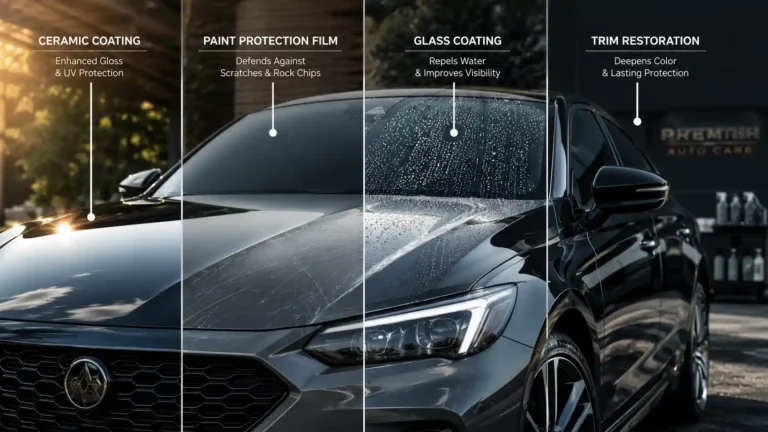
Protective shields for cars help preserve the exterior by reducing damage from UV light, road debris, water spots, dirt, and everyday wear. In simple terms, they create a barrier between the vehicle and the outside environment. Paint protection film, ceramic coating, glass coating, trim protection, and spray sealants each solve a different problem, and the best results usually come from using the right protection on the right surface.
This matters because a car is exposed not only to weather, but also to glare, contamination, and slow surface breakdown over time. UV radiation can weaken plastics and trim, while dirt, moisture, and road debris gradually dull paint and make cleaning more difficult. Good protection helps a vehicle stay cleaner, look newer, and hold up better in daily use.
What Are Protective Shields for Cars?
Protective shields for cars are products designed to protect different exterior surfaces from damage and wear. Some are physical layers, some are chemical coatings, and others are temporary maintenance products. Each one serves a different purpose, which is why a layered protection strategy usually works better than relying on a single product.
The main types of car exterior protection include:
- Paint protection film for impact resistance
- Ceramic coating for surface protection and easier cleaning
- Glass coating for better visibility in rain
- Trim protectants for UV-prone plastic and rubber parts
- Spray sealants for quick, short-term protection
1. Paint Protection Film (PPF)
Paint protection film is one of the strongest forms of protection for a car’s painted surfaces. It is a transparent film applied directly over the paint to absorb impact before it reaches the finish underneath.
PPF is especially useful on areas that take the most abuse, such as the front bumper, hood, fenders, side mirrors, and door edges. It helps protect against rock chips, road debris, scratches, bug splatter, and light abrasion. Many modern films also include self-healing properties, which means fine marks can fade when exposed to heat.
What PPF Protects Against
PPF is designed to help reduce:
- Rock chips and road debris impact
- Light scratches and scuffs
- Bug splatter and tar
- Surface stains
- UV-related fading on painted areas
When PPF Is the Best Choice
PPF is the best choice for drivers who spend a lot of time on highways, rough roads, or in tight parking areas. It is also a smart option for new vehicles, since preserving original paint is usually easier than repairing damage later. For owners who want long-term physical protection, PPF is often the most durable solution.
2. Ceramic Coating for Paint
Ceramic coating is a liquid polymer that bonds with the vehicle’s surface and creates a durable protective layer. Unlike PPF, it does not stop rock chips or heavy impact, but it does improve the surface’s resistance to dirt, chemicals, and environmental buildup.
One of the biggest benefits of ceramic coating is its hydrophobic behavior. Water beads and slides off more easily, which helps reduce spotting and makes washing easier. It also adds gloss and helps the paint retain a cleaner, richer appearance for longer periods.
What Ceramic Coating Does Best
Ceramic coating helps:
- Repel water and improve beading
- Reduce dirt and grime buildup
- Enhance gloss and shine
- Improve resistance to chemical stains
- Make routine cleaning easier
Ceramic Coating vs PPF
PPF and ceramic coating are often confused, but they do very different jobs. PPF is for impact protection. Ceramic coating is for surface behavior, chemical resistance, and easier maintenance. Many car owners use both: PPF on the high-impact panels and ceramic coating over the rest of the vehicle for a more complete protection system.
3. Glass Coating and Windshield Protection
Glass protection improves visibility and helps keep the windshield cleaner. Glass coatings create a water-repellent layer that allows rain to bead and move off the surface faster. This is especially useful in wet weather, when reduced visibility can make driving more stressful.
Windshield protection film is another option. Instead of changing the surface chemistry, it adds a thin physical barrier that can improve impact resistance. This can be valuable in conditions where road debris or minor impacts are a concern.
Benefits of Glass Protection
Glass coatings and protection films can help:
- Improve water runoff during rain
- Reduce the sticking of dirt and residue
- Make the windshield easier to clean
- Support better visibility in wet weather
- Reduce the effort needed from wipers in light rain
Why Glass Protection Matters
A cleaner windshield means better visibility, especially at night or during heavy rain. When water beads and clears quickly, the driver can see more clearly through the glass. That can make a noticeable difference in comfort and confidence behind the wheel.
4. Trim Protectants and Trim Coatings
Exterior trim parts such as plastic and rubber are highly exposed to sunlight and weather. Over time, these materials can fade, dry out, and lose their original color. This is common on bumpers, mirror housings, wheel arches, roof rails, and lower body trim.
Trim protectants and trim coatings help slow that damage. Some products restore a darker appearance immediately, while others are designed for longer-lasting UV resistance and durability.
What Trim Protection Does
Trim protection helps:
- Prevent fading and discoloration
- Reduce UV damage
- Restore a darker, fresher look
- Protect plastic and rubber from weathering
- Extend the life of exterior trim parts
Trim Protectant vs Trim Coating
Trim protectants are usually easier and faster to apply. They are good for quick restoration and short-term maintenance. Trim coatings generally require more preparation but provide stronger and longer-lasting protection.
A trim protectant is a good choice for regular touch-ups. A trim coating is better when the goal is longer-term defense against UV exposure and fading.
5. Surface Sealants and Spray Protection
Surface sealants and spray protectants are the easiest way to add temporary protection after washing a car. They do not last as long as ceramic coatings or PPF, but they are useful for regular maintenance and quick improvement.
These products increase slickness, improve water behavior, and help keep the car easier to clean between deeper detailing sessions.
What Spray Sealants Are Best For
Spray sealants are best for:
- Fast maintenance after a wash
- Short-term hydrophobic protection
- Boosting gloss and slickness
- Supporting existing coatings
- Easy application with minimal effort
Why Vehicle Surface Protection Matters
Vehicle surface protection matters because the car is constantly exposed to sun, moisture, dust, pollution, and minor impacts. Over time, these factors reduce gloss, make cleaning harder, and cause visible aging.
UV exposure is one of the biggest reasons exterior materials degrade. Plastic trim fades, rubber dries out, and painted surfaces slowly lose depth and clarity. On glass, dirt and water spots can build up and reduce visibility. Protection helps slow this process and keeps the vehicle in better condition for longer.
Protection also matters for maintenance. A protected vehicle is usually easier to wash, easier to dry, and less likely to show stains or buildup. That saves time and helps maintain a cleaner appearance with less effort.
How to Protect Different Car Surfaces
Different areas of the car need different kinds of protection. The best product depends on the material and the type of exposure.
Paint
Paint is best protected with PPF, ceramic coating, or both. PPF gives impact resistance, while ceramic coating improves cleaning and chemical resistance.
Glass
Glass benefits most from glass coatings or windshield protection film. These products help water move off the surface faster and improve visibility in wet weather.
Trim
Plastic and rubber trim should be protected with trim restorers, trim sealants, or trim coatings to reduce fading and weathering.
Wheels
Wheels are constantly exposed to brake dust, grime, and road contamination. Ceramic wheel coatings or durable sealants make them easier to clean.
Headlights and Mirror Caps
These areas can also benefit from ceramic coating or PPF because they are exposed to UV, dirt, and minor abrasion.
How to Prepare a Car Before Applying Protection
Preparation is one of the most important parts of the process. Even the best protection will not perform well if it is applied over dirt, residue, oxidation, or old product buildup.
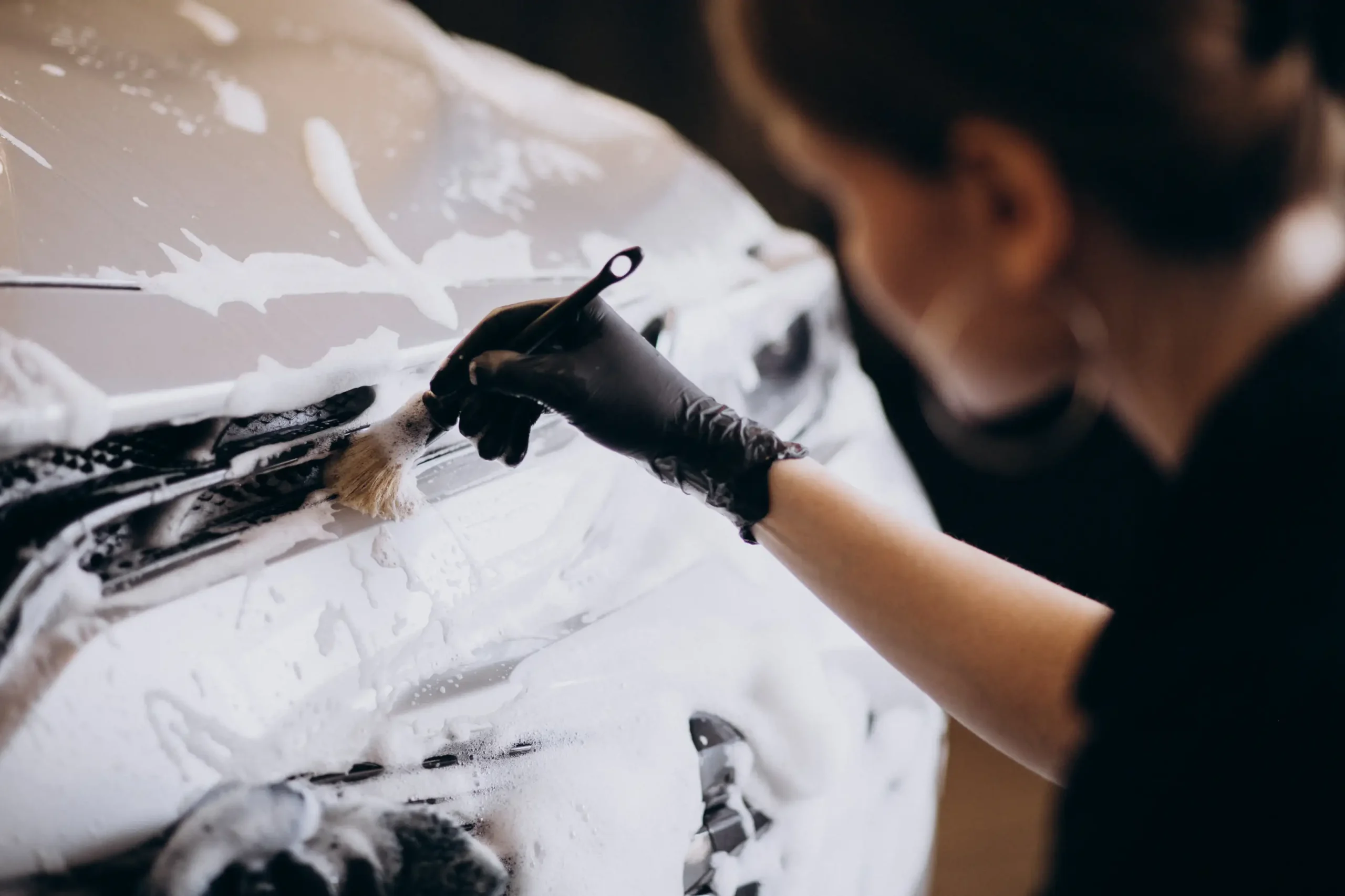
Step 1: Wash the Vehicle Thoroughly
A proper wash removes loose dirt, dust, and grime. This creates a clean base for the next steps.
Step 2: Decontaminate the Surface
Washing alone does not remove everything. Tar, iron particles, and bonded contamination may still remain. Decontamination removes these deeper contaminants and helps the protection bond properly.
Step 3: Correct Paint If Needed
If the paint already has swirl marks, oxidation, or visible defects, those issues should be corrected first. Protective products do not remove defects; they can lock in the look of the surface underneath.
Step 4: Dry and Inspect
Before applying any product, the vehicle should be fully dry and carefully inspected. Masking sensitive areas can also help prevent application mistakes.
How Long Do Car Protective Products Last?
Lifespan depends on the product type, climate, driving habits, and maintenance routine.
- Spray Sealants: Spray sealants provide short-term paint protection and usually require frequent reapplication. They are commonly used for quick surface enhancement, water beading, and temporary gloss support.
- Ceramic Coatings: Ceramic coatings can last from several months to multiple years depending on product quality, surface preparation, and maintenance. Regular washing and proper installation help extend coating durability and protective performance.
- Paint Protection Film (PPF): Paint protection film is designed for long-term surface protection against scratches, road debris, and environmental contamination. High-quality PPF can remain effective for many years when professionally installed and properly maintained.
- Trim Protectants: Trim protectants help restore and protect plastic and rubber surfaces from fading and UV exposure. Standard trim dressings often last a few weeks to months, while advanced trim coatings provide longer-lasting durability.
Maintenance Schedule for Car Protective Shields
A simple maintenance routine helps every protection type perform better and last longer.
- Regular Washing: Wash the vehicle every 1 to 2 weeks using a pH-neutral car shampoo and a soft wash mitt. Regular cleaning helps prevent dirt buildup and supports the longevity of protective layers.
- Quick Maintenance Products: Apply spray sealants or quick detailers every few weeks to maintain surface gloss, improve water beading, and refresh paint protection between washes.
- Deep Cleaning: Perform a deeper decontamination process every few months to remove embedded dirt, road film, and surface contaminants that regular washing may not fully eliminate.
- Inspect Protection Levels: Monitor water beading performance, trim appearance, and high-contact areas to identify signs of wear, fading, or protection failure before damage becomes more visible.
- Reapply When Needed: Glass coatings and trim protectants often require more frequent reapplication than ceramic coatings or paint protection film. Periodic maintenance helps maintain long-term performance and surface condition.
Common Mistakes That Reduce Protection
Vehicle protection products work best when they are applied correctly and maintained properly. Many protection problems happen because of poor preparation, incorrect product use, or aggressive washing methods. Even high-quality coatings and films can lose performance early if the maintenance process is ignored.
- Poor surface preparation
Applying protection products on contaminated surfaces can reduce bonding strength and overall durability. - Using the wrong product for the wrong surface
Glass coatings, trim protectants, ceramic coatings, and PPF are designed for different automotive materials and protection needs. - Expecting one product to do everything
Ceramic coatings improve chemical resistance and gloss, while PPF mainly protects against scratches and road debris. Each product serves a different purpose. - Ignoring regular maintenance
Protective layers still require routine washing and inspection to maintain long-term performance. - Using harsh washing methods
Strong detergents, rough sponges, and aggressive cleaning tools can wear down protective layers faster. - Improper drying techniques
Dirty towels and air drying can leave scratches, streaks, or water spots that affect surface appearance and protection quality.
Conclusion
Protective shields for cars are not one single product. They are a group of solutions designed to protect different surfaces in different ways. PPF protects against impact, ceramic coating improves surface behavior, glass protection helps maintain visibility, trim protection slows fading, and spray sealants support regular maintenance.
The most effective car protection strategy is usually layered. A combination of products works better than relying on one solution for every part of the vehicle. When the right protection is matched to the right surface, the car stays cleaner, looks newer, and resists everyday damage more effectively over time.
Frequently Asked Questions
What are protective shields for cars?
Protective shields for cars are products applied to surfaces like paint, glass, trim, and wheels to reduce damage from UV rays, dirt, scratches, and environmental wear. They include PPF, ceramic coatings, glass coatings, trim protectants, and spray sealants.
What is the difference between PPF and ceramic coating?
PPF is a physical film that helps protect against rock chips, scratches, and impact. Ceramic coating is a bonded liquid layer that improves gloss, water repellency, and chemical resistance. Many car owners use both together.
Is paint protection film worth it?
Yes, especially if you want strong defense against chips and scratches on high-impact areas like the bumper, hood, and mirrors. It is especially useful for new cars and highway driving.
How long does ceramic coating last?
Ceramic coating can last from months to several years depending on the product quality, preparation, and maintenance routine. Proper care is essential for the best durability.
Can ceramic coating be applied over PPF?
Yes. Ceramic coating can be applied over PPF to improve gloss, hydrophobic performance, and ease of cleaning while the PPF handles physical impact protection underneath.
What surfaces should be protected on a car?
The most important surfaces are paint, glass, trim, wheels, headlights, and mirror caps. Each area benefits from a product designed for its specific material and exposure level.
Do glass coatings improve visibility?
Yes. Glass coatings help water bead and move off the windshield faster, which can improve visibility during rain and reduce buildup from dirt and road spray.
How do you protect plastic trim on a car?
Plastic trim can be protected with trim restorers, sealants, or coatings that help resist UV damage, fading, and discoloration. Clean the surface first for the best result.
How often should protection products be reapplied?
It depends on the product. Spray sealants may need reapplication every few weeks or months, trim products every few months, and ceramic coatings or PPF much less often.
Is professional installation necessary?
Professional installation is strongly recommended for PPF and high-end ceramic coatings. Some spray sealants and consumer-grade products can be applied at home if the surface is properly prepared.