
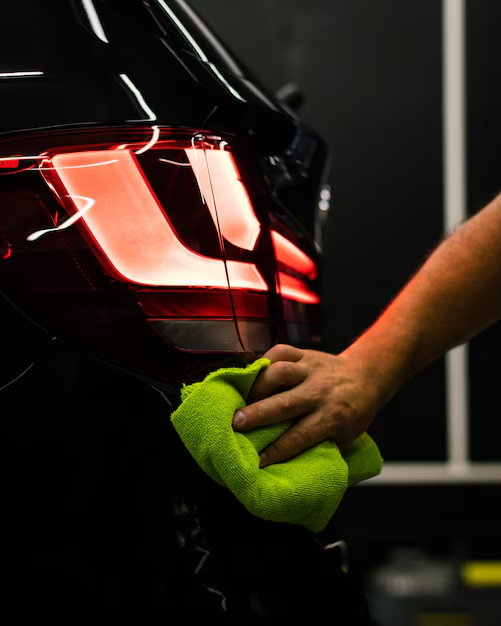
Exterior car care is the routine process of cleaning, correcting, and protecting a vehicle’s outer surfaces so they stay clean, glossy, and structurally sound. It includes washing, drying, decontamination, polishing when needed, and applying protection such as wax, sealants, or ceramic products. Good exterior care does more than improve looks. It helps reduce paint oxidation from UV exposure, lowers corrosion risk from moisture and road salt, and protects long term vehicle value by keeping the finish in better condition over time. This guide explains the full process, the surfaces involved, the products used, and the mistakes that often damage paint, trim, glass, and wheels.
What Is Exterior Car Care?
Exterior car care is the cleaning, surface treatment, and protection of the outside parts of a vehicle. It focuses on preserving paint, glass, trim, wheels, tires, lights, and exposed metal so they look better and last longer.
In practical terms, exterior car care means removing dirt, traffic film, bird droppings, road salt, and bonded contamination before they wear down the finish. AAA notes that rain does not necessarily wash harmful contamination away and that sunlight, heat, and ultraviolet exposure can oxidize and fade a vehicle’s finish over time. The same basic idea explains why regular exterior maintenance matters in both hot and wet climates.
Exterior car care is also different from simply running a car through a quick wash. A basic wash removes loose soil. Proper exterior care goes further by cleaning safely, drying without scratching, correcting dull or damaged paint when needed, and adding a protective layer that helps the surface resist water, dirt, and environmental fallout. That is why it sits between simple washing and full professional detailing.
Step-by-Step Exterior Car Care Process
Exterior car care works best when it follows a clear order. The reason is simple. Dirt removal, surface correction, and protection each depend on the step before them being done properly.
A safe process starts with loosening contamination, then washing, drying, removing what remains bonded to the surface, correcting defects if needed, and finally sealing the finish. This order reduces the chance of grinding dirt into the paint and helps protection products bond to a cleaner surface.
Step 1: Rinse off loose dirt and debris
The first step is to rinse the vehicle thoroughly to remove loose dirt, dust, and grit before touching the paint. This lowers the chance of dragging abrasive particles across the surface during washing.
This step matters because many scratches happen before the real wash even begins. Dirt sitting on the surface acts like an abrasive when rubbed by a mitt or towel. A strong pre rinse helps move that loose material off the paint, trim, and glass so the contact wash becomes much safer.
Step 2: Clean wheels, tires, and wheel wells
Wheels, tires, and wheel wells should be cleaned early because they usually hold the heaviest grime on the vehicle. Brake dust, road film, mud, and salt build up faster there than on most painted panels.
Cleaning these areas first helps keep brake dust and heavy dirt away from already washed paint. It also matters for preservation, not only looks. AAA warns that moisture mixed with road salt can accelerate corrosion, especially around the undercarriage and wheel well areas where buildup is common.
Step 3: Wash the paint safely
After the rinse, wash the paint with a dedicated car shampoo and safe wash media. The goal is not just to remove dirt. The goal is to remove it without creating swirls, haze, or fine scratches.
A safe wash usually means using a car specific shampoo rather than household cleaners. Kelley Blue Book says dish soap can be used infrequently, but repeated use can degrade the clear coat prematurely, create a dull appearance, and leave paint more vulnerable to damage. Car shampoos are made for painted surfaces and are better suited for routine maintenance.
Many detailers also rely on the two bucket wash method because it helps separate clean wash solution from rinse water carrying dirt. 3M’s auto care FAQ specifically recommends the two bucket method to reduce marks and improve washing results.
Step 4: Dry the vehicle without scratching
Drying is not a small finishing step. It is part of paint preservation. A poor drying method can undo a careful wash by creating towel marks, streaks, or water spots.
Water left to dry on the surface can leave mineral spotting, especially in hard water areas or on hot panels. At the same time, rough or contaminated towels can drag particles across paint and create fine marring. That is why absorbent, paint safe drying tools matter as much as safe wash tools.
Step 5: Remove bonded contaminants from the surface
After washing and drying, the surface may still feel rough. That roughness usually comes from bonded contaminants that normal washing cannot remove, such as industrial fallout, embedded brake dust, tree sap residue, road film, and similar particles stuck to the finish.
This is where surface decontamination comes in. Detailing clay and similar products are designed to lift bonded contamination from paint and other exterior surfaces. Meguiar’s product materials describe detailing clay as a non abrasive way to remove bonded contaminants and restore smoothness, which helps later polishing and protection work more effectively.
Step 6: Polish if the paint looks dull or scratched
Polishing is the step used to improve gloss and reduce visible paint defects. It is not required after every wash, but it becomes useful when paint looks oxidized, hazy, or marked with swirl patterns and light scratches.
This step matters because washing alone cannot correct dullness caused by oxidation or surface defects. 3M states that its automotive rubbing compounds and polishes are made to remove oxidation, swirl marks, water spots, and minor surface defects, then restore gloss. In other words, polishing is the correction phase of exterior car care.
Step 7: Apply wax, sealant, or ceramic protection
Once the surface is clean and corrected, protection should be applied. This layer helps the finish resist water, dirt, oxidation, and environmental exposure more effectively than bare paint.
Protection products vary in durability and chemistry, but they all serve the same broad purpose. They create a sacrificial or semi durable layer over the surface. That layer helps contamination release more easily during future washes and can make the vehicle easier to maintain between deeper cleaning sessions.
Step 8: Clean glass, trim, and exterior details
Exterior car care is not only about the painted body. Glass, mirrors, plastic trim, rubber seals, badges, and small exterior details also need cleaning and protection.
These areas often age differently from paint. Plastic and rubber can dry out, trim can stain, and glass can collect film that reduces visibility. Cleaning them as part of the full process gives a more complete result and helps prevent the unfinished look that happens when only the painted panels receive attention.
Step 9: Inspect and maintain the finish
The final step is inspection and routine upkeep. Exterior protection does not last forever, and environmental exposure keeps working against the finish every day.
Regular inspection helps you catch early signs of fading, water spotting, trim drying, bonded contamination, or corrosion buildup before they become bigger problems. Kelley Blue Book frames vehicle maintenance as a way to protect your investment, and exterior care fits that same principle because finish condition affects both appearance and long term ownership costs.
Why Exterior Car Care Matters for Every Vehicle
Exterior car care matters because a vehicle’s outer surfaces face constant exposure to sunlight, moisture, pollution, road salt, acidic fallout, and abrasive contamination. Without regular maintenance, those materials can wear down paint, stain trim, reduce gloss, and speed up corrosion.
Good exterior care is not limited to luxury cars or show cars. Every daily driven vehicle benefits from it because every vehicle is exposed to the same basic threats. The only difference is how quickly those threats show up based on climate, mileage, parking conditions, and how often the vehicle is cleaned.
Protects paint from UV rays, dirt, and pollution
Exterior car care protects paint by removing contamination before it sits too long and by adding protective layers that reduce direct exposure. AAA states that extended heat and ultraviolet exposure can oxidize and fade a vehicle’s finish, while environmental contamination such as tar, sap, and road grime can remain on the surface if not cleaned properly.
Pollution also matters more than many drivers realize. The EPA explains that acidic particles can corrode metal and cause paint to deteriorate more quickly. While the EPA discusses these effects on manmade structures broadly, the same environmental chemistry helps explain why polluted air and acidic deposition are a real concern for exposed vehicle surfaces over time.
Helps prevent oxidation, fading, and rust
Regular exterior maintenance helps prevent oxidation, fading, and rust by removing harmful buildup and keeping moisture and salt from staying trapped on the vehicle. This is especially important around wheel wells, seams, trim edges, and the underbody.
Rust prevention is not just theory. Recent NHTSA service campaign documents note that some vehicles in road salt regions may exhibit underbody corrosion and describe protective wax and undercoating procedures as preventative measures. AAA also warns that moisture mixed with road salt or ocean air can lead to rust, corrosion, and hidden mechanical issues.
Improves appearance and surface gloss
Exterior car care improves how a vehicle looks because clean, smooth, protected surfaces reflect light better than dirty or oxidized ones. When contamination, water spotting, and oxidation build up, gloss drops and the finish looks older than it is.
Polishing and proper protection can bring back clarity and shine. 3M’s polishing materials specifically note removal of swirl marks, oxidation, and minor surface defects to restore the beauty of automotive finishes. That is why even older paint can often look noticeably better after proper correction and protection.
Helps maintain resale value
Exterior condition plays a real role in resale because buyers judge visible condition fast. A vehicle that looks neglected outside often raises concerns about how it was maintained overall. Kelley Blue Book describes maintenance as a way to protect your investment, and its resale advice has also highlighted detailing and keeping a vehicle clean as part of preserving value perception.
This does not mean a shiny car always commands a huge premium on its own. It means exterior neglect can quietly reduce buyer confidence, lower curb appeal, and make defects more obvious during inspection. Clean paint, stain free trim, clear headlights, and better wheel condition help a used vehicle present more strongly in the market.
What Surfaces Are Included in Exterior Car Care?
Exterior car care includes every exposed outer surface that affects appearance, protection, and day to day durability. Most people think first about paint, but the full scope is wider than that.
A complete routine usually covers painted panels, clear coat, glass, mirrors, wheels, tires, trim, rubber seals, headlights, taillights, and some exposed metal details. Each surface ages differently, so each one needs slightly different care.
Paint and clear coat
Paint and clear coat are the most visible surfaces on the vehicle and usually the main focus of exterior care. They are also the surfaces most likely to show swirls, oxidation, etching, water spots, and fading.
Glass and mirrors
Glass and mirrors need regular cleaning because dirt, water spotting, oily film, and residue can reduce clarity and visibility. Clean glass is part of appearance, but it is also a safety issue in rain, glare, and night driving.
Wheels and tires
Wheels and tires deal with heavy grime, brake dust, and road contamination every day. They need more frequent deep cleaning than many painted panels and can quickly make the entire vehicle look neglected when ignored.
Trim, plastic, and rubber seals
Trim, unpainted plastic, and rubber seals are often the first surfaces to look faded when the vehicle is exposed to strong sun and weather. They need proper cleaning and, in many cases, protection to help slow drying, staining, and weathering.
Headlights, taillights, and exterior metal parts
Headlights, taillights, badges, and exterior metal pieces also fall under exterior care. These parts collect road film and can lose clarity, shine, or protection if they are ignored during routine cleaning.
What Does Exterior Car Care Include?
Exterior car care includes six core stages: washing, drying, decontamination, polishing, protection, and ongoing maintenance. These stages work together to clean the surface, improve its condition, and help preserve it between major detailing sessions.
Each stage has a different job. Washing removes loose soil. Drying prevents spotting and wash induced damage. Decontamination removes what washing leaves behind. Polishing corrects defects. Protection shields the surface. Maintenance keeps the results going.
Washing
Washing removes loose dirt, dust, traffic film, and fresh contamination from the exterior. It is the foundation of every car care routine because every later step depends on starting with a cleaner surface.
Drying
Drying removes standing water before mineral spotting, streaking, or towel damage becomes a problem. It sounds simple, but it is one of the most common places where scratches are added after the wash.
Decontamination
Decontamination removes bonded material that normal washing cannot lift. This step restores surface smoothness and prepares the finish for polishing or protection.
Polishing
Polishing is used when paint needs correction rather than simple cleaning. It improves gloss by reducing visible swirls, oxidation, haze, and minor defects.
Protection
Protection adds a barrier over the cleaned surface. Depending on the product, that barrier may last weeks, months, or longer and can help dirt release more easily during routine washing.
Ongoing maintenance
Ongoing maintenance means repeating safe washing and inspection on a schedule so contamination never has too much time to settle into the finish. This is what turns a one time detail into long term exterior preservation.
Understood. I’ll keep the next part clean for direct copy paste and remove inline references.
How to Wash a Car Exterior Properly
Washing a car exterior properly means removing dirt without creating scratches, swirl marks, or water damage. A safe wash routine protects the paint while keeping the vehicle clean, glossy, and easier to maintain over time.
A lot of paint damage happens during routine washing, not while driving. That is why the method matters as much as the soap or tools you use. The safest approach is to loosen debris first, use proper wash media, and work in a controlled order from cleaner areas to dirtier ones.
Why pre-rinsing matters
Pre-rinsing matters because it removes loose dirt, dust, sand, and road grime before you touch the paint. This lowers the chance of dragging abrasive particles across the surface during the wash.
When a car is dry and dirty, the surface often holds tiny bits of grit that are harder than the paint itself. If you start washing without rinsing first, those particles can create fine scratches and swirl marks very quickly. A strong rinse helps move that loose contamination off the vehicle so the contact wash becomes much safer.
Pre-rinsing is especially important after driving in rain, dusty areas, muddy roads, or heavy traffic. In those conditions, the vehicle usually collects more grime around the lower doors, bumpers, rocker panels, wheel arches, and rear end. Removing that buildup before washing improves results and reduces surface damage.
It also makes the rest of the process easier. Soap works better on a surface that is already free from loose debris. Your wash mitt stays cleaner for longer, and you spend less time rubbing the same panel to remove dirt that should have been rinsed away first.
Using the two-bucket wash method
The two-bucket wash method is one of the safest ways to wash a car by hand. One bucket holds clean shampoo solution, and the other holds plain rinse water used to release dirt from the wash mitt before it goes back into the soap.
This method works because it helps separate clean water from dirty water. Without that separation, the same dirt you remove from the car can go right back onto the paint. That increases the chance of scratches, especially on dark colors where swirl marks show more clearly.
A simple two-bucket setup works well for most vehicles. Start by dipping the mitt into the shampoo bucket and wash one section at a time. Then rinse the mitt in the second bucket before loading it with soap again. This repeated cycle helps keep the wash media cleaner throughout the process.
The method becomes even more useful when the car is heavily soiled. Lower panels and rear sections usually collect the most grime, so keeping the mitt cleaner is important as you move through the wash. Many careful car owners also use separate mitts for upper and lower sections to reduce the risk even further.
Choosing the right car shampoo
The right car shampoo should clean the surface effectively without stripping protection or stressing the paint. For regular maintenance washing, a dedicated car shampoo is a better choice than strong household cleaners.
Car shampoos are made for automotive surfaces, so they are usually gentler on clear coat, trim, and existing wax or sealant layers. They also provide more lubrication during the wash. That extra slickness helps the mitt glide over the surface instead of dragging harshly across it.
This matters because the wash stage is not only about removing dirt. It is also about reducing friction while that dirt is being removed. A shampoo that foams well, rinses cleanly, and gives enough lubrication makes the process safer and more controlled.
Strong household soaps may cut grease, but they are not designed as routine vehicle wash products. Repeated use can dry out trim, weaken protection layers, and leave the paint looking dull over time. For normal exterior care, a dedicated automotive shampoo is the safer long term option.
Washing from top to bottom
A car should be washed from top to bottom because the upper panels are usually cleaner than the lower panels. This keeps heavier grime away from the sections that are already washed and helps reduce the chance of rubbing the dirtiest contamination across the whole vehicle.
The roof, glass, upper doors, and hood generally carry lighter dust and airborne film. The lower doors, bumpers, rocker panels, and rear end usually hold the heaviest road dirt, mud, and grime. By starting high and moving downward, you clean the least contaminated areas first and save the worst buildup for last.
This order also improves efficiency. Dirt and rinse water naturally move downward, so working from the top makes the wash more controlled. You avoid dripping dirty water over freshly cleaned panels and reduce the need to rewash areas.
Top to bottom washing should also be done panel by panel rather than all at once. This helps you manage the process better, especially in warm weather when soap can dry faster than expected. Smaller sections are easier to rinse properly and usually produce a cleaner finish.
Why dish soap and harsh cleaners should be avoided
Dish soap and harsh cleaners should be avoided for regular car washing because they are not made for automotive paint systems. They may remove dirt, but they can also weaken wax, strip protective layers, and leave the finish more exposed over time.
Many drivers use dish soap because it is easy to find and cuts grease well. The problem is that car paint needs a different kind of care than kitchen surfaces. Exterior paint, clear coat, trim, and rubber all respond better to products designed for automotive materials.
Repeated use of harsh cleaners can make the finish look flatter and less protected. The paint may feel clean at first, but the long term effect is often a surface that loses gloss more quickly and becomes more vulnerable to environmental exposure. For routine maintenance, a dedicated car shampoo is the safer and smarter option.
There are rare cases where stronger cleaning products are used as part of paint correction or strip washing before reapplying protection. But that is not the same as weekly or biweekly maintenance washing. For normal exterior care, gentle automotive products are the right choice.
How to Dry a Car Without Causing Scratches or Water Spots
Drying a car properly means removing water quickly and gently before minerals dry onto the surface or towels create marks in the paint. A safe drying routine helps preserve gloss and reduces the chance of fine marring after the wash.
Many people spend time washing carefully and then rush through drying. That is a mistake because drying can create scratches just as easily as washing if the wrong towel, technique, or timing is used.
Best drying towels and tools
The best drying tools are soft, clean, highly absorbent materials that remove water without dragging dirt across the paint. High quality microfiber drying towels are commonly used because they can absorb a lot of water while staying gentler on the finish than rough fabrics.
A good drying towel should be clean, soft, and reserved for paint safe use only. If a towel has trapped debris, hardened fibers, or contamination from previous jobs, it can mark the surface very quickly. That is why towel care matters as much as towel choice.
Some drivers also use car dryers or air blowers to move water off the surface without touching the paint. This approach can work very well around mirrors, badges, trim, grills, and panel gaps where water likes to hide. It also helps reduce the amount of towel contact needed on sensitive paint.
The best tool often depends on the vehicle and the owner’s routine. A careful combination of air drying for tight areas and microfiber drying for open panels usually gives the safest result.
Blow drying vs towel drying
Blow drying reduces direct contact with the paint, while towel drying removes water more quickly from large flat panels. Both methods can work well when used correctly.
Blow drying is useful because it pushes water out of crevices, mirrors, trim edges, emblems, and seams where towels often miss moisture. It can reduce the chance of touching the paint too much, which is helpful on soft or freshly corrected finishes. It also helps prevent the annoying drips that come back later from hidden areas.
Towel drying is more practical for most people because it is simple, fast, and effective on the hood, roof, doors, and glass. A soft drying towel can remove large amounts of water quickly if the car was washed properly and the towel is clean.
The safest choice is not always one or the other. In many cases, the best method is using air for tight areas and a clean microfiber towel for the main surfaces. That gives better coverage while keeping friction lower.
Common drying mistakes to avoid
The most common drying mistakes are using dirty towels, drying in direct sun, applying too much pressure, and waiting too long to remove water. These mistakes increase the chance of scratches, streaks, and water spots.
A dirty towel is one of the fastest ways to damage fresh paint. Even small debris trapped in the fabric can create light scratches when dragged over the surface. Towels should always be inspected before use and kept separate from wheels, engine bay, or heavily soiled jobs.
Drying in direct sunlight makes the job harder because water evaporates faster and leaves spotting behind. Hot panels also make it more difficult to wipe evenly, which can create streaks or missed areas. Washing and drying in the shade or during cooler parts of the day usually gives better results.
Pressing too hard is another common mistake. Drying should be gentle. Let the towel absorb water rather than forcing it across the surface. More pressure does not mean better drying. It usually means more friction and more risk.
The final mistake is ignoring trapped water around mirrors, trim, badges, and panel gaps. Those areas often release water later and leave streaks down clean paint. A quick second check after drying helps catch those hidden drips before they ruin the finish.
Common Exterior Car Care Mistakes That Damage Vehicle Surfaces
The most common exterior car care mistakes are using dirty tools, washing in direct sunlight, skipping decontamination, over polishing, and using the wrong products on paint, trim, or glass. These mistakes often do more damage than normal weather exposure.
Many people think surface damage comes only from harsh driving conditions. In reality, poor maintenance habits are often the main reason paint looks dull, scratched, or older than it should.
Using the wrong wash media is one of the biggest problems. Sponges, rough cloths, old towels, and dirty mitts can trap grit and create fine scratches across the paint. A car may look clean right after washing, but repeated use of unsafe tools slowly builds swirl marks and surface haze.
Another mistake is washing a very dirty car too aggressively. When mud, sand, or road film is heavy, the safest approach is to rinse thoroughly first and reduce contact as much as possible. Scrubbing hard rarely improves results. It usually spreads damage.
Skipping decontamination is also a problem. After a normal wash, the surface may still hold bonded contamination that makes the paint feel rough and prevents protection products from bonding well. If the paint never gets properly decontaminated, the finish can stay dull even when it looks freshly washed.
Over polishing is a more advanced mistake but still an important one. Polishing removes or levels very small amounts of the surface to improve gloss and reduce defects. If done too often or too aggressively, it can slowly reduce the clear coat. Paint correction should be done only when needed, not as a routine after every wash.
Using one product for every surface is another common issue. Paint, glass, tires, trim, and rubber all behave differently. A product that works well on one area may stain or dry out another. Exterior care works best when each surface gets the right kind of cleaning and protection.
Many drivers also forget that timing matters. Leaving bird droppings, bug residue, road salt, or tree sap on the surface for too long increases the chance of staining, etching, and finish breakdown. Quick removal is often just as important as the product you use.
Finally, people often focus only on shine and forget preservation. A glossy finish may look impressive for one day, but proper exterior care is about maintaining that condition safely over time. Clean tools, gentle technique, and the right routine always matter more than shortcuts.
DIY Exterior Car Care vs Professional Detailing
DIY exterior car care is best for regular maintenance, while professional detailing is better for paint correction, deep decontamination, and advanced protection work. Both have value, but they serve different needs.
DIY care gives vehicle owners more control over routine maintenance. It is cost effective, flexible, and good for weekly or monthly washing, drying, trim care, and basic protection. If the correct tools and techniques are used, a home routine can keep a car in very good condition for a long time.
Professional detailing becomes more useful when the vehicle has heavier defects or when the owner wants a higher level of correction and finish refinement. This includes oxidation, swirl marks, water spot etching, neglected paint, and protection systems that require more preparation or technical application.
The biggest difference is usually skill, tools, and time. A professional detailer may use machine polishing systems, paint safe lighting, specialized decontamination chemicals, and more advanced surface inspection methods. That makes a larger difference when the paint has visible defects that normal washing cannot solve.
DIY care is enough for many vehicles if it is done correctly and consistently. Professional detailing is often the better choice when the car has been neglected, the paint needs correction, or the owner wants stronger protection with better long term presentation.
The smartest approach for many drivers is a combination of both. Routine washing and maintenance can be done at home, while deeper correction and protection can be handled professionally when needed. That balance often gives the best result in cost, appearance, and long term preservation.
Signs Your Car Exterior Needs Immediate Attention
Your car exterior needs immediate attention when the surface starts showing visible damage, contamination, or loss of protection that normal washing no longer fixes. Early action helps prevent small cosmetic issues from turning into permanent surface damage.
One of the clearest signs is paint that feels rough even after washing. That usually means bonded contamination is still sitting on the surface. Road film, industrial fallout, tree sap residue, and embedded grime can all remain stuck to the paint long after loose dirt is gone. If the finish no longer feels smooth, the car likely needs decontamination rather than another basic wash.
Another warning sign is fading, dullness, or patchy gloss. When the paint loses its depth and reflection, it often means oxidation, surface contamination, or worn out protection is starting to affect the finish. This is more common on vehicles parked outdoors for long periods or exposed to strong sun, pollution, and changing weather.
Water behavior also tells you a lot. If water no longer beads, sheets unevenly, or stays flat on the paint after washing, the protection layer may be worn down. That does not always mean the paint is damaged, but it does mean the surface is more exposed than before and may need fresh protection.
Stains from bird droppings, bug remains, or tree sap should never be ignored. These contaminants sit aggressively on the surface and can leave marks if they stay too long. When they harden on the paint, they become more difficult to remove safely and may leave behind etching or discoloration.
You should also pay attention to trim and rubber. If black trim looks gray, dry, or blotchy, it usually means weathering has started to affect the material. Rubber seals that look dry or dusty may also need care before they lose flexibility or begin aging faster.
Wheels and lower panels are another place to watch. Brake dust buildup, tar spots, and road grime often collect there first. If the wheels look stained, the wheel wells hold packed dirt, or the lower sections feel heavily contaminated, the vehicle needs more than a quick rinse.
Cloudy headlights are another clear sign that the exterior needs immediate attention. Once headlights lose clarity, the car looks older and visibility can also suffer. Even if the rest of the body looks decent, neglected lights can make the whole exterior appear worn out.
The main rule is simple. If washing no longer restores a clean, smooth, and even finish, the vehicle is telling you it needs deeper care.
How Exterior Car Care Helps Preserve Long Term Vehicle Value
Exterior car care helps preserve long term vehicle value by protecting the finish, improving presentation, and reducing visible signs of neglect. A vehicle that looks well kept usually creates more confidence with buyers than one with faded paint, stained trim, and heavily worn surfaces.
First impressions matter in the used vehicle market. Before a buyer checks service records or mechanical details, they usually judge the vehicle with their eyes. If the paint still has gloss, the trim looks healthy, the wheels are clean, and the glass is clear, the car immediately feels better maintained.
This matters because buyers often connect exterior condition with ownership habits. A neglected exterior can make people assume the rest of the vehicle was also ignored. Even when that is not true, the visual impression still affects trust and negotiation power.
Regular washing also helps preserve value by preventing buildup from becoming permanent damage. Dirt alone may not seem serious, but long term exposure to road grime, salt, sap, bug residue, and pollution can slowly wear down the finish. Once staining, fading, or corrosion becomes visible, restoring the surface takes more time and money.
Protection plays a role as well. Wax, sealants, or similar surface protection help reduce daily wear by creating a barrier between the paint and the environment. That barrier does not make the car immune to damage, but it can slow down the wear that makes a vehicle look older before its time.
Trim, headlights, glass, and wheels also influence value more than many owners expect. Buyers notice faded plastic, cloudy lights, stained wheels, and neglected seals because they change the overall impression of age and care. A clean and balanced exterior makes the whole vehicle feel more complete and better preserved.
Exterior care also supports resale photography and listing quality. Cars that are clean and glossy photograph better. Cleaner lines, sharper reflections, and brighter trim help the vehicle stand out in search results and marketplace listings. That does not replace fair pricing or service history, but it does improve presentation.
Long term value is not only about getting a higher number at sale time. It is also about avoiding preventable decline. The less damage your exterior collects over the years, the less correction, restoration, or cosmetic repair you need later.
That is why exterior car care should be seen as part of ownership preservation, not only visual improvement. A vehicle that keeps its finish in better shape usually stays easier to sell, easier to present, and easier to maintain over time.
FAQs About Exterior Car Care
What Is Surface Decontamination in Exterior Car Care?
Surface decontamination in exterior car care is the process of removing bonded contaminants like brake dust, tree sap, tar, iron particles, and industrial fallout that normal washing cannot remove. It helps restore a smooth surface and prepares the paint for polishing or protection.
How to Protect Exterior Vehicle Surfaces
Protect exterior vehicle surfaces by washing regularly, drying safely, removing contaminants, and applying wax, sealant, or ceramic coating. You should also protect glass, trim, wheels, and rubber seals to reduce UV damage, staining, oxidation, and long term surface wear.
Essential Exterior Car Care Products and Tools
Essential exterior car care products and tools include car shampoo, wash buckets, microfiber wash mitts, drying towels, wheel cleaner, tire brushes, glass cleaner, clay bar, polish, and wax or sealant. These help clean, correct, and protect vehicle surfaces safely.
How Often Should You Do Exterior Car Care?
You should do exterior car care every 1 to 2 weeks for regular washing and every few months for deeper protection. The exact schedule depends on weather, road conditions, parking, and how often the vehicle is exposed to dirt, rain, sun, or salt.
Seasonal Exterior Car Care Tips
Seasonal exterior car care means adjusting your routine based on weather conditions. In summer, focus on UV protection and water spots. In winter, remove road salt quickly. In rainy or dusty seasons, wash more often to prevent buildup and surface damage.
What is considered exterior car care?
Exterior car care includes washing, drying, decontamination, polishing, and protecting the outside parts of a vehicle. It covers paint, glass, wheels, tires, trim, headlights, taillights, and rubber seals to keep the car clean, protected, and well maintained.
How is exterior car care different from detailing?
Exterior car care is routine cleaning and protection of vehicle surfaces, while detailing is a deeper process that includes intensive cleaning, paint correction, and finish restoration. Car care maintains condition regularly, but detailing improves and restores appearance more thoroughly.
How often should I wash my car exterior?
You should wash your car exterior every 1 to 2 weeks to remove dirt, road film, bird droppings, and pollution before they damage the surface. Cars exposed to mud, rain, salt, or tree sap may need more frequent washing.
Do I need wax after every wash?
No, you do not need wax after every wash. Most cars need wax or paint protection every few weeks or months, depending on the product used. Regular washing keeps the surface clean, but protection should be reapplied when water beading weakens.
Is ceramic coating better than wax?
Ceramic coating is better than wax in durability, chemical resistance, and long term protection. Wax is easier to apply and costs less, but it wears off faster. Ceramic coating lasts longer and keeps vehicle surfaces easier to clean and maintain.
Can exterior car care remove scratches?
Exterior car care can remove or reduce light surface scratches through polishing, but it cannot fix deep scratches that pass through the clear coat. Washing and protection help prevent more damage, while correction depends on scratch depth and paint condition.
What is the best order for exterior car care?
The best order for exterior car care is rinse, clean wheels and tires, wash the paint, dry the vehicle, remove bonded contaminants, polish if needed, and apply wax, sealant, or ceramic protection. This order helps clean safely and protect the finish properly.
Which car exterior parts need regular protection?
Car exterior parts that need regular protection include paint, clear coat, glass, wheels, tires, trim, rubber seals, headlights, and taillights. These surfaces face sun, dirt, moisture, and pollution, so regular protection helps prevent fading, staining, and wear.
Exterior Car Care vs Car Wash: What Is the Difference?
A car wash removes dirt from the vehicle’s surface, while exterior car care includes washing, drying, decontamination, polishing, and protection. A car wash is one step, but exterior car care is the full process of maintaining and preserving outside vehicle surfaces.
Conclusion:
Exterior car care is the routine that keeps a vehicle’s outer surfaces clean, protected, and in better condition over time. It covers much more than appearance. It helps reduce contamination buildup, slows visible wear, supports surface protection, and keeps the vehicle looking better for longer.
The best routine is not always the most expensive one. It is the one that is done correctly and consistently. A careful rinse, safe wash, gentle drying, occasional decontamination, and proper protection can make a major difference in how the paint, trim, glass, and wheels age.
Small habits create long term results. Washing before contamination sits too long, removing bird droppings quickly, protecting the finish before it wears down, and correcting issues early all help prevent bigger problems later.
That is why exterior car care matters for every vehicle, not only premium or showroom models. A clean and protected exterior is easier to maintain, more enjoyable to own, and better positioned to hold its condition over the years.
If you follow a simple, safe routine, your vehicle surfaces stay cleaner, glossier, and more resilient in daily use. That is the real value of exterior car care.