The best motor oil for most daily drivers is a full synthetic 5W-30 that meets your manufacturer’s API SP and ILSAC GF-6 specification, since this combination protects modern engines against low-speed pre-ignition and timing chain wear while handling stop-and-go commuting temperatures well. Mobil 1 Extended Performance, Pennzoil Platinum, and Castrol EDGE all meet this bar, with the right pick depending on your engine type, mileage, and how long you want to go between changes.
This guide compares five widely available full synthetic oils, breaks down what actually matters when choosing one, and points you to the option that fits your specific driving situation.
What Should You Look for in a Daily Driver Motor Oil?
Choosing the best motor oil for a daily driver is about more than picking a familiar brand. Check the oil specification, viscosity, engine mileage, recommended change interval, and your driving climate before making a decision.
- API and ILSAC certification: Look for the API and ILSAC specification required by your vehicle. These certifications indicate that the oil meets defined performance requirements for engine protection and fuel economy.
- Manufacturer-specified viscosity: Always follow the viscosity listed in your owner’s manual. While 5W-30 is common, some engines require 0W-20, 5W-20, or another viscosity.
- Engine mileage: If your vehicle has higher mileage, a high-mileage oil may be worth considering. These formulas typically include additives designed to condition aging seals and address minor oil consumption.
- Oil-change interval: Choose an oil that fits your manufacturer’s recommended service interval. Extended-performance oils may support longer intervals, but you should not automatically extend your change interval to the oil’s maximum advertised rating.
- Climate and driving conditions: Very cold temperatures make cold-start performance especially important, while high temperatures and heavy loads increase the demand on an oil’s high-temperature protection. Short trips and frequent stop-and-go driving can also justify more frequent oil changes.
Quick Comparison: Best Motor Oils for Daily Drivers at a Glance
Choosing the right motor oil becomes easier when you compare the key differences between each option. The table below highlights what each oil is best suited for, along with its most important specification and overall use case.
Here’s a quick side-by-side look at the five motor oils to help you identify the best match for your daily driving needs.
| Rank | Product | Best For | Key Spec | Buy Link |
|---|---|---|---|---|
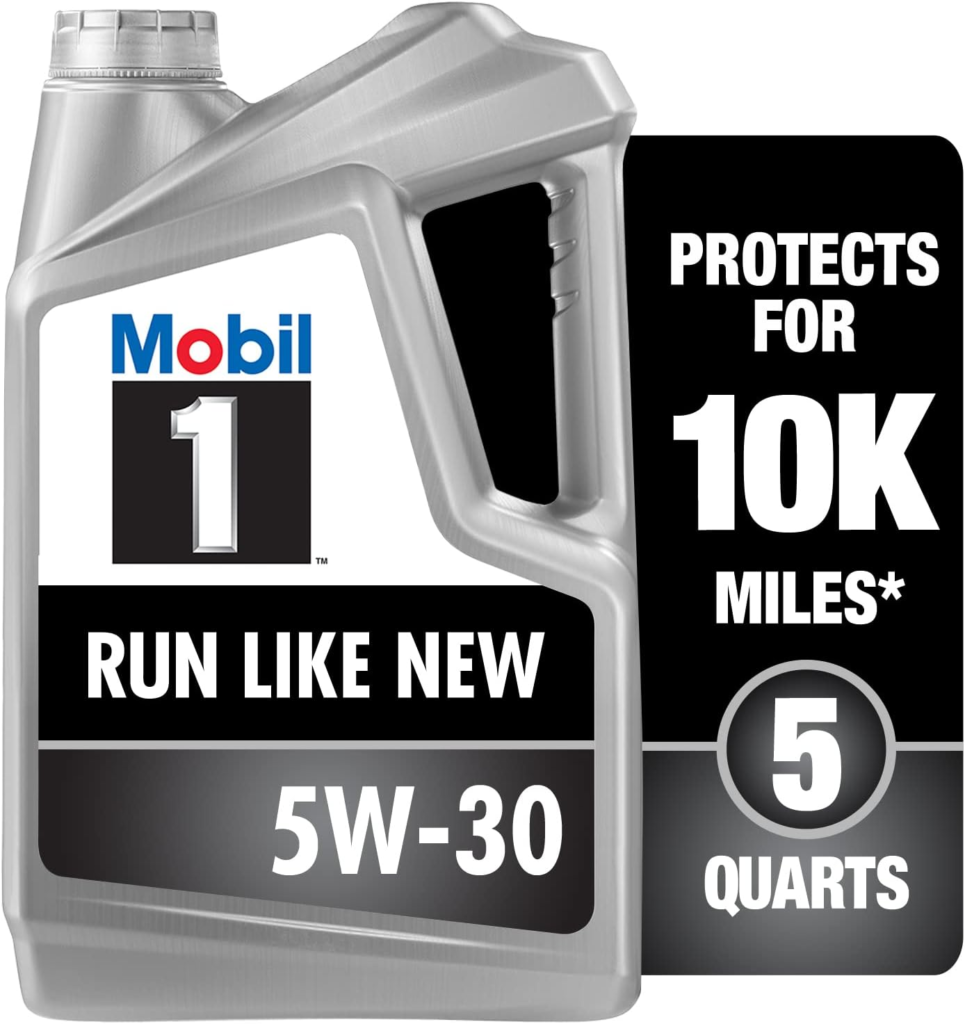
| 1 | Mobil 1 Extended Performance 5W-30 | Best overall daily driver oil | Up to 20,000-mile drain interval | View on Amazon |
| 2 | Pennzoil Platinum Full Synthetic 5W-30 | Best value full synthetic | API SP, ILSAC GF-6A certified | View on Amazon |
| 3 | Castrol EDGE Full Synthetic 5W-30 | Best for turbocharged engines | Fluid Titanium Technology for viscosity retention | View on Amazon |
| 4 | Valvoline MaxLife High Mileage 5W-30 | Best for high-mileage daily drivers | Seal conditioners for 75,000+ mile engines | View on Amazon |
| 5 | Mobil 1 Extended Performance High Mileage 5W-30 | Best for long intervals on older engines | 20,000-mile rating with high-mileage additives | View on Amazon |
Detailed Reviews of the Best Motor Oils for Daily Drivers
The five oils below are selected for different daily-driving needs, from maximum drain intervals and turbocharged engines to high-mileage vehicles and everyday value. Each review explains where the oil stands out, what its main advantages and drawbacks are, and which type of driver should consider it.
1. Mobil 1 Extended Performance Full Synthetic 5W-30
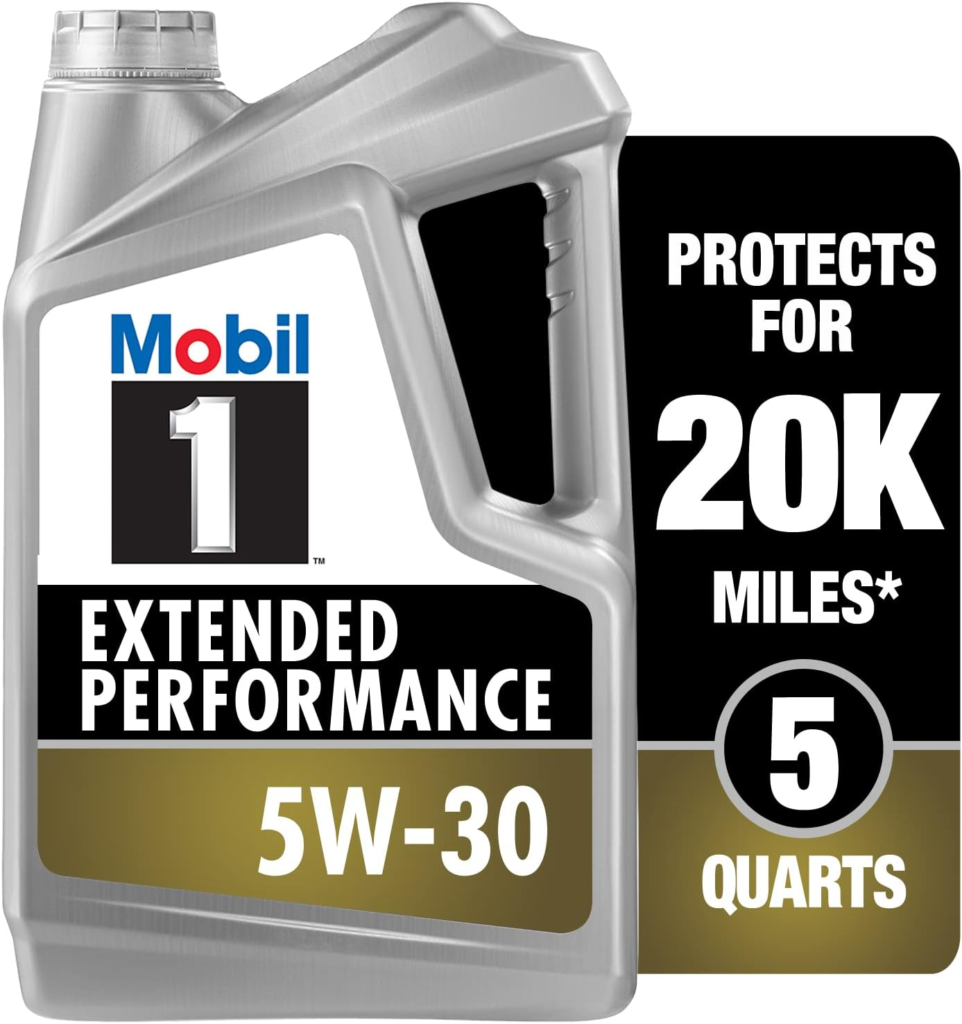
A premium full-synthetic oil for daily drivers who want strong engine protection and a long rated drain interval
Pros
- Full synthetic 5W-30 formulation
- API SP and ILSAC GF-6A certified
- Up to 20,000-mile rated drain interval
- Strong wear and engine-cleanliness focus
Cons
- More expensive than standard full synthetics
- The maximum interval may not suit every vehicle
Review:
Mobil 1 Extended Performance is the best overall option for drivers who prioritize long-term protection and fewer oil changes. Its extended-performance formulation makes it particularly appealing for newer daily drivers and turbocharged engines. Just follow your vehicle manufacturer’s recommended oil-change interval rather than automatically using the maximum rating.
2. Pennzoil Platinum Full Synthetic 5W-30
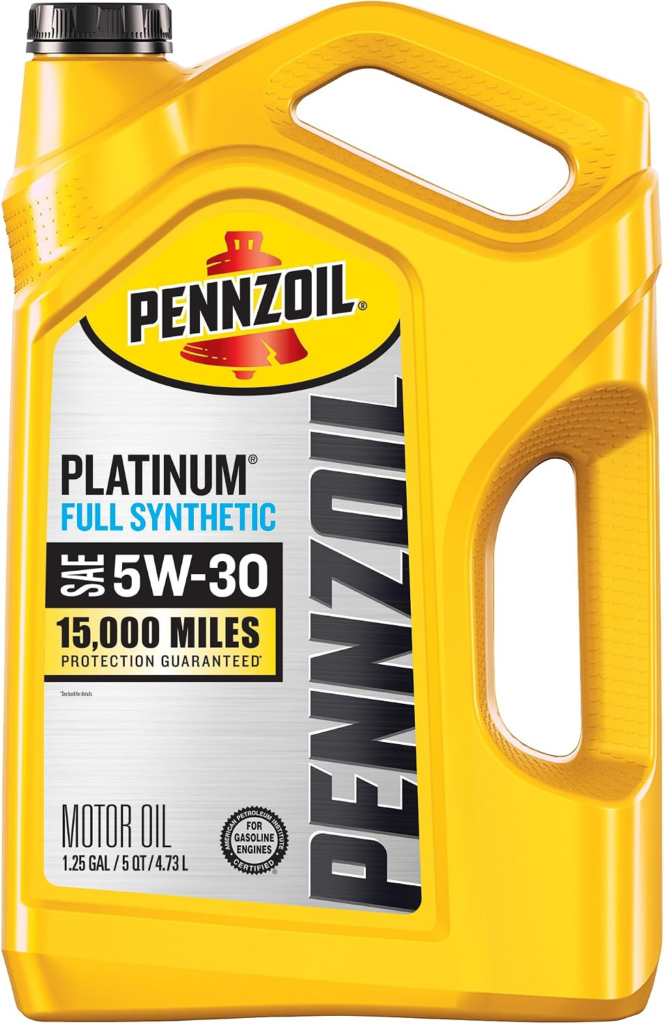
A well-balanced full synthetic that delivers dependable daily-driving protection at a more accessible price
Pros
- Full synthetic formulation
- API SP and ILSAC GF-6A certified
- Good everyday commuting performance
- Strong value for regular oil-change intervals
Cons
- Not focused on maximum extended-drain intervals
- Less useful if long oil-change intervals are your main priority
Review:
Pennzoil Platinum is an excellent choice for drivers who prefer regular 5,000- to 7,500-mile oil changes. It provides the certifications and synthetic formulation expected from a modern daily-driver oil without paying extra specifically for an extended-drain formula. For most cost-conscious commuters, it’s one of the easiest oils to recommend.
3. Castrol EDGE Full Synthetic 5W-30
A performance-focused synthetic designed to handle the heat and pressure associated with demanding engine operation.
Pros
- Full synthetic 5W-30
- Fluid Titanium Technology
- Designed for high-load conditions
- Strong option for turbocharged engines
Cons
- Benefits may be less noticeable in naturally aspirated engines
- Can cost more than basic full-synthetic options
Review:
Castrol EDGE is a strong fit for daily drivers with turbocharged or high-load engines. Its formulation is designed to help maintain viscosity under heat and pressure, making it attractive for demanding applications. For a typical low-load commuter, however, its performance advantages may be less important than simply meeting the manufacturer’s required specification.
4. Valvoline MaxLife High Mileage Full Synthetic 5W-30
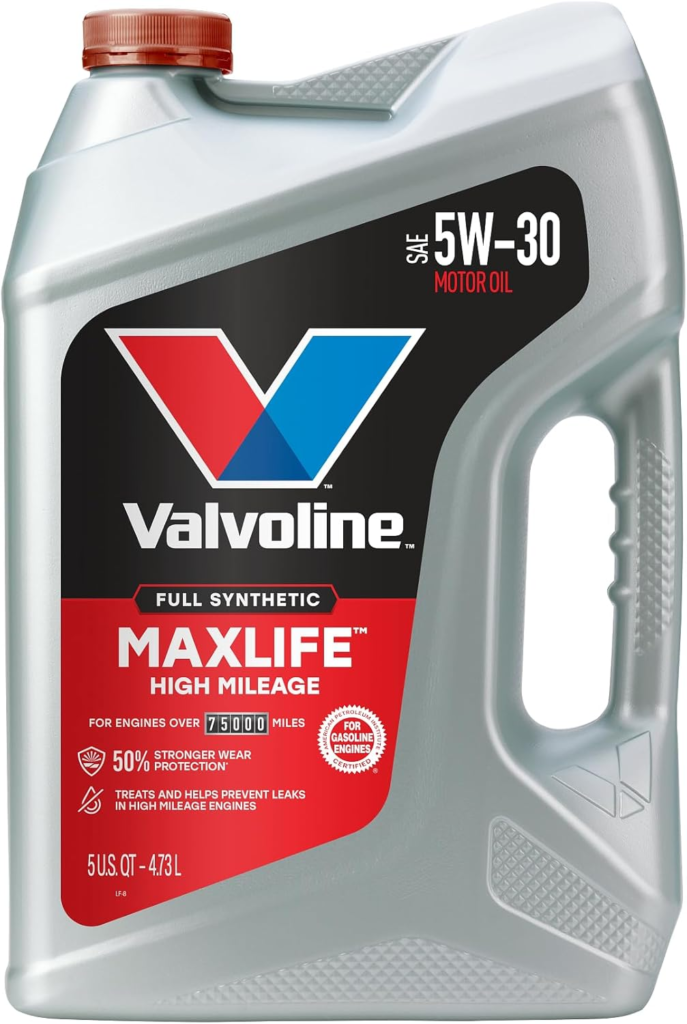
A high-mileage full synthetic designed for older daily drivers with 75,000 miles or more.
Pros
- Designed for 75,000+ mile engines
- Full synthetic formulation
- Contains seal conditioners
- Suitable for older daily drivers
Cons
- Not a replacement for repairing major leaks
- Unnecessary for many newer engines
Review:
Valvoline MaxLife is a practical choice when an older daily driver starts showing minor oil seepage or increased consumption. Its seal-conditioning formulation is specifically aimed at aging engines rather than simply offering another standard synthetic option. It makes the most sense when your vehicle has accumulated significant mileage and still has plenty of life ahead.
5. Mobil 1 Extended Performance High Mileage Full Synthetic 5W-30
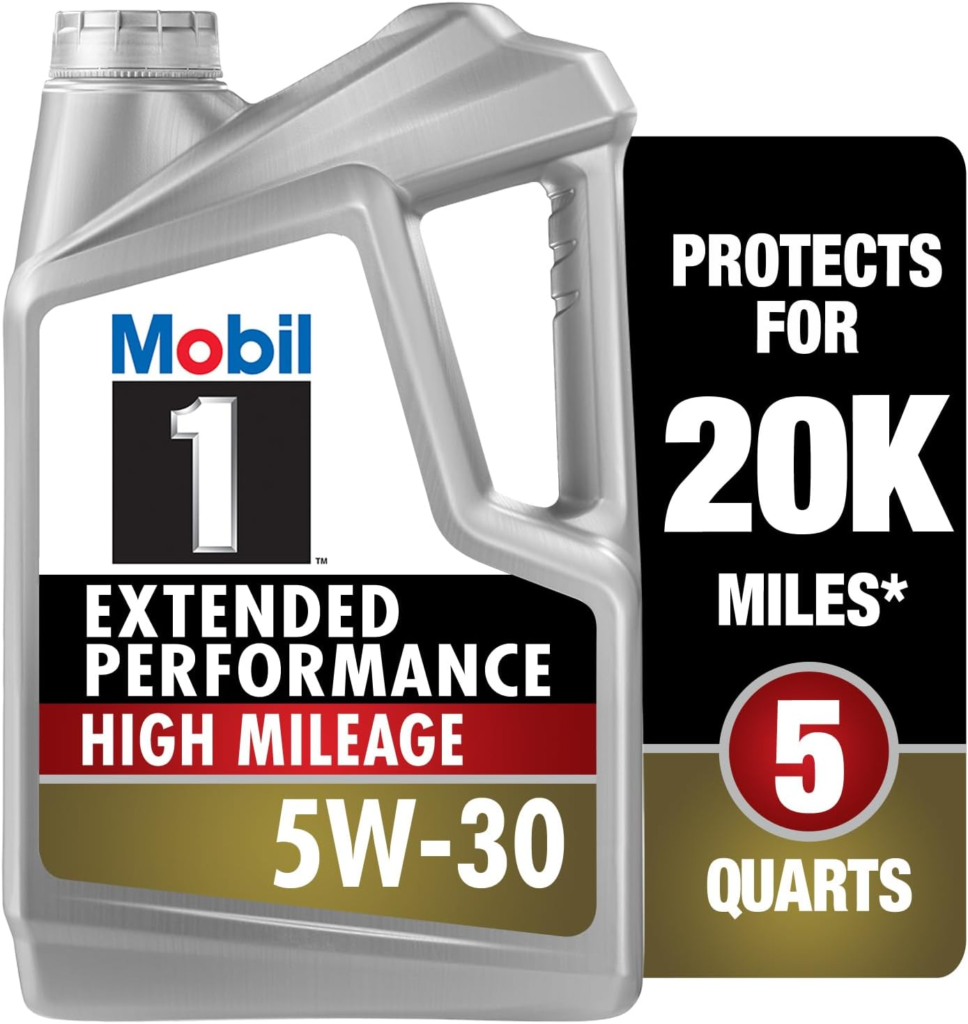
A premium high-mileage oil that combines extended-performance capabilities with additives designed for older engines.
Pros
- Designed for engines over 75,000 miles
- Full synthetic formulation
- Extended-performance formula
- High-mileage seal-conditioning additives
Cons
- Higher price than standard full synthetics
- Maximum drain interval may not fit every driving condition
Review:
Mobil 1 Extended Performance High Mileage is aimed at drivers who want both high-mileage engine support and the convenience of an extended-performance formula. It’s particularly appealing for older commuter vehicles where reducing oil-change frequency matters. The higher price makes it most worthwhile when you specifically need both features.
Does Synthetic Oil Really Matter for a Daily Driver, or Is Conventional Fine?
Full synthetic oil matters most for daily drivers because commuting involves exactly the conditions synthetic formulations are designed to handle well: frequent cold starts, stop-and-go traffic, and short trips that don’t always let the engine reach full operating temperature. Conventional oil breaks down faster under these repeated heat cycles and offers weaker cold-flow properties during winter starts.
Most vehicles built in the last decade specify synthetic oil in the owner’s manual, and using conventional oil in an engine designed around synthetic can leave you outside the manufacturer’s protection standards even if it technically still lubricates the engine. The price difference between conventional and full synthetic has also narrowed enough that there’s little financial reason to downgrade on a daily driver.
How Does Driving Style Affect Which Oil You Should Choose?
Short daily commutes under five miles put more stress on oil than the mileage alone suggests, since the engine spends more of each trip below full operating temperature where condensation and unburned fuel can dilute the oil. Drivers in this pattern benefit from shorter change intervals regardless of which synthetic they choose, and from oils with strong cold-start flow properties.
Highway-heavy commutes are gentler on oil in some ways, since sustained operating temperature burns off moisture and lets the oil work at its designed range longer, but they also mean more total miles accumulate between changes. Matching your interval to your actual driving pattern, rather than a blanket number, gets more useful life out of any of the oils compared here.
Conclusion
The best motor oil for a daily driver depends on your vehicle’s specifications, mileage, and driving habits. Mobil 1 Extended Performance is the strongest overall choice for long intervals, while Pennzoil Platinum offers excellent everyday value. Castrol EDGE suits turbocharged engines, and Valvoline MaxLife is better for higher-mileage vehicles. Whatever you choose, prioritize the viscosity and API/ILSAC specification listed in your owner’s manual.
Frequently Asked Questions
What is the best motor oil for a daily driver?
A full synthetic motor oil that matches your vehicle manufacturer’s required viscosity and specification is generally the best choice for a daily driver. Among the oils reviewed here, Mobil 1 Extended Performance is the best overall option, while Pennzoil Platinum is a strong value choice.
Is 5W-30 the best oil viscosity for daily driving?
5W-30 is a common viscosity for daily drivers, but it is not universally the best choice. Always follow the viscosity specified in your owner’s manual. Some engines require 0W-20, 5W-20, 0W-30, or another viscosity for proper lubrication and fuel economy.
How often should I change oil in a daily driver?
Oil-change intervals depend on the vehicle, oil specification, and driving conditions. Many modern full-synthetic oils support 7,500 to 10,000 miles under appropriate conditions, while some extended-performance products are rated for longer intervals. Your owner’s manual should take priority over the oil’s maximum marketing interval.
Is full synthetic oil better for daily drivers?
Full synthetic oil is often a good choice for daily drivers because it provides strong performance during cold starts, repeated heat cycles, short trips, and stop-and-go driving. However, the most important factor is using an oil that meets the specifications required by your engine.
Can I mix different brands of motor oil?
Yes. Motor oils from different brands can generally be used between oil changes when they have the same required viscosity and meet the manufacturer’s specifications. Brand consistency is less important than using the correct viscosity and certification for your vehicle.
Are high-mileage oils worth using?
High-mileage motor oils can be useful for engines with significant mileage, particularly when minor oil seepage or consumption has developed. Products such as Valvoline MaxLife are formulated with seal-conditioning additives intended for older engines. They cannot repair major leaks or damaged gaskets.
Which motor oil is best for a turbocharged engine?
Among the products reviewed, Castrol EDGE 5W-30 is positioned as the best option for turbocharged and high-load engines. However, the correct oil specification for your specific turbocharged engine should always come first, especially regarding viscosity and manufacturer approvals.
Does expensive motor oil provide better engine protection?
Not necessarily. A more expensive oil may offer extended-drain capabilities or specific formulation features, but price alone does not determine protection. An oil that meets your vehicle manufacturer’s required specifications can provide appropriate protection without being the most expensive option.
Should I use extended-performance oil for longer oil-change intervals?
You can use an extended-performance oil for longer intervals only when the vehicle manufacturer allows that interval and your driving conditions support it. Frequent short trips, severe stop-and-go driving, towing, or extreme conditions may require more frequent changes.
What should I check before buying motor oil?
Before buying motor oil, check these four things:
- Viscosity: Match your owner’s manual.
- API/ILSAC specification: Use the required certification.
- Engine mileage: Consider a high-mileage formula for older engines.
- Driving conditions: Adjust your oil-change interval for severe or short-trip driving.