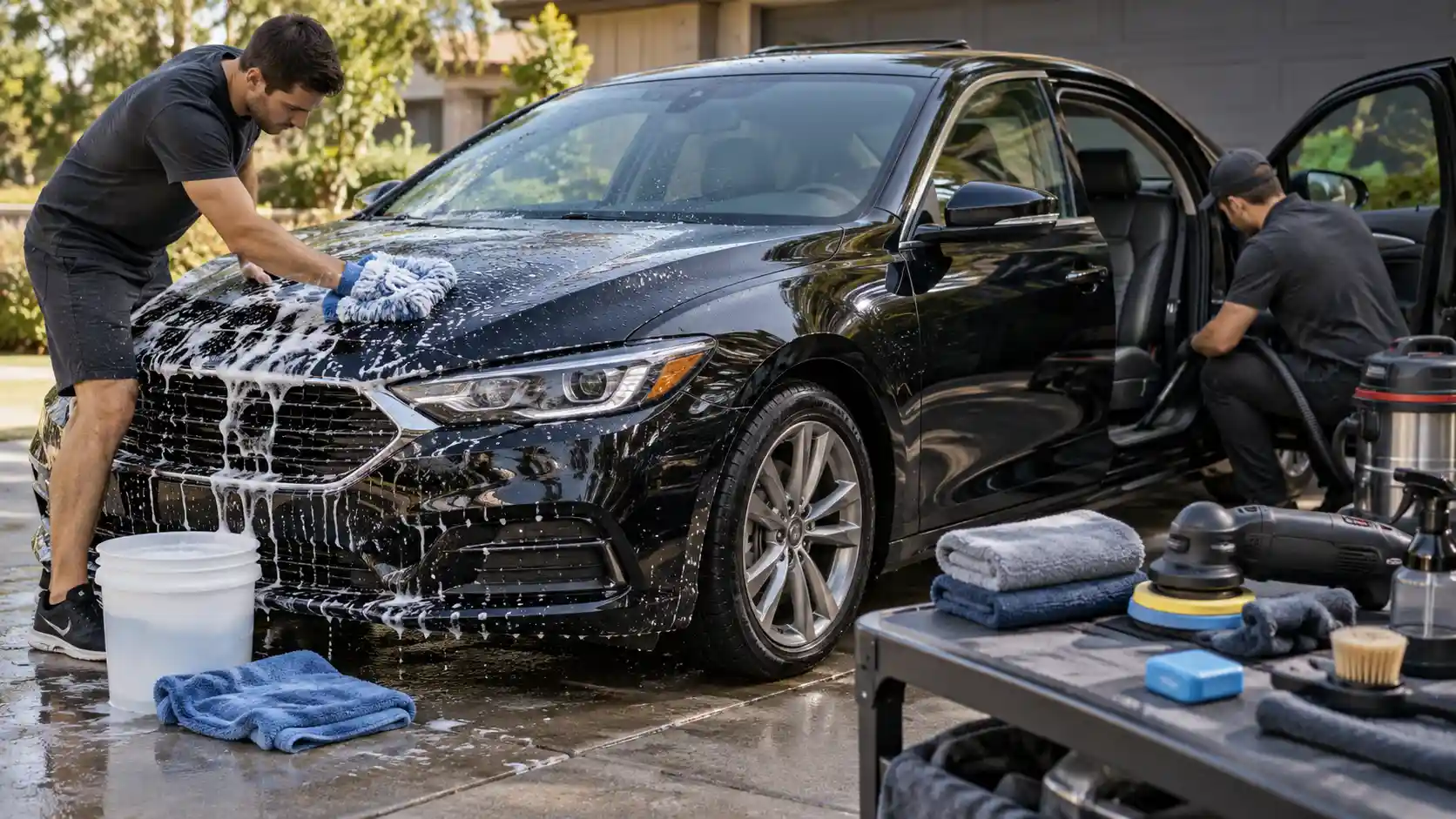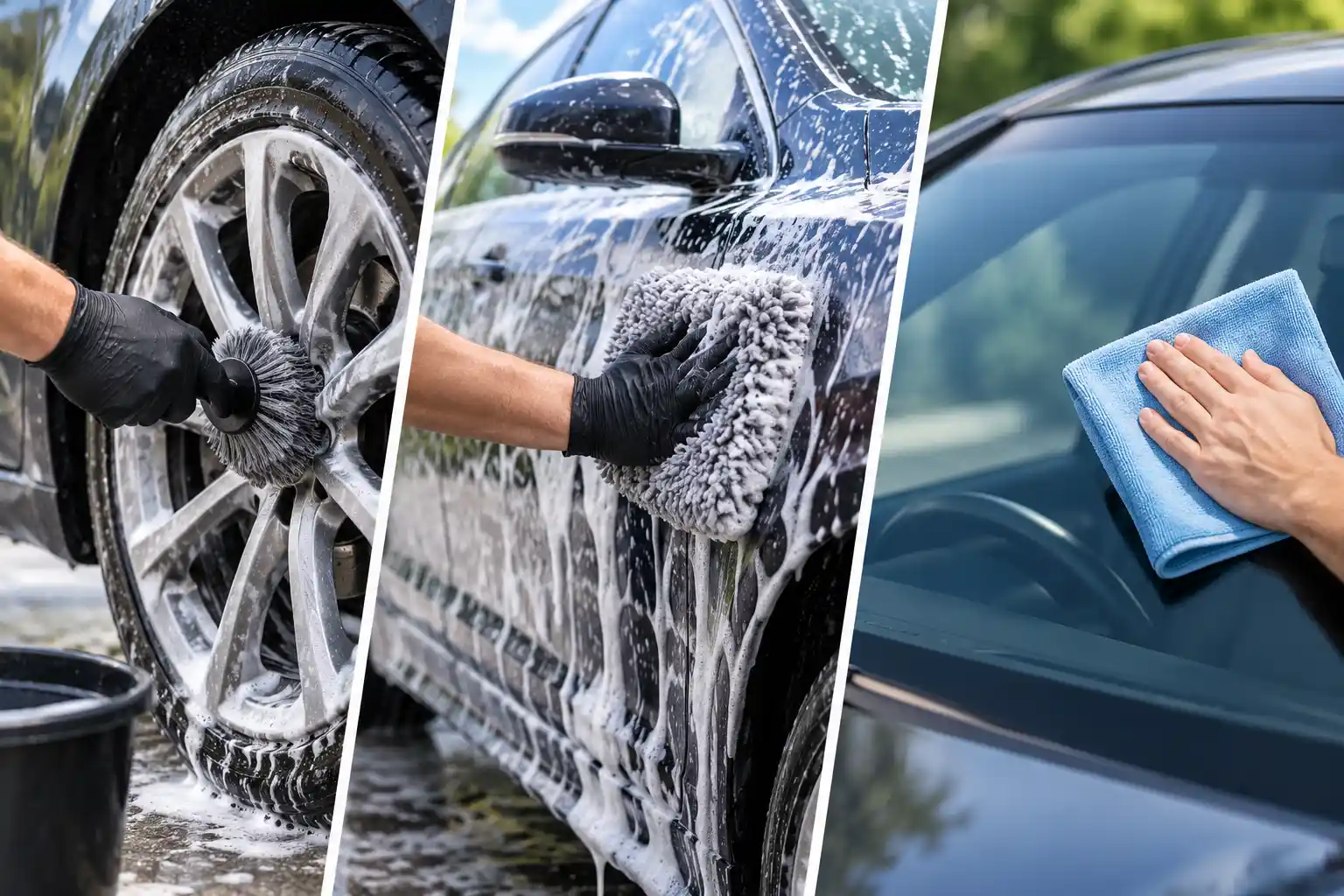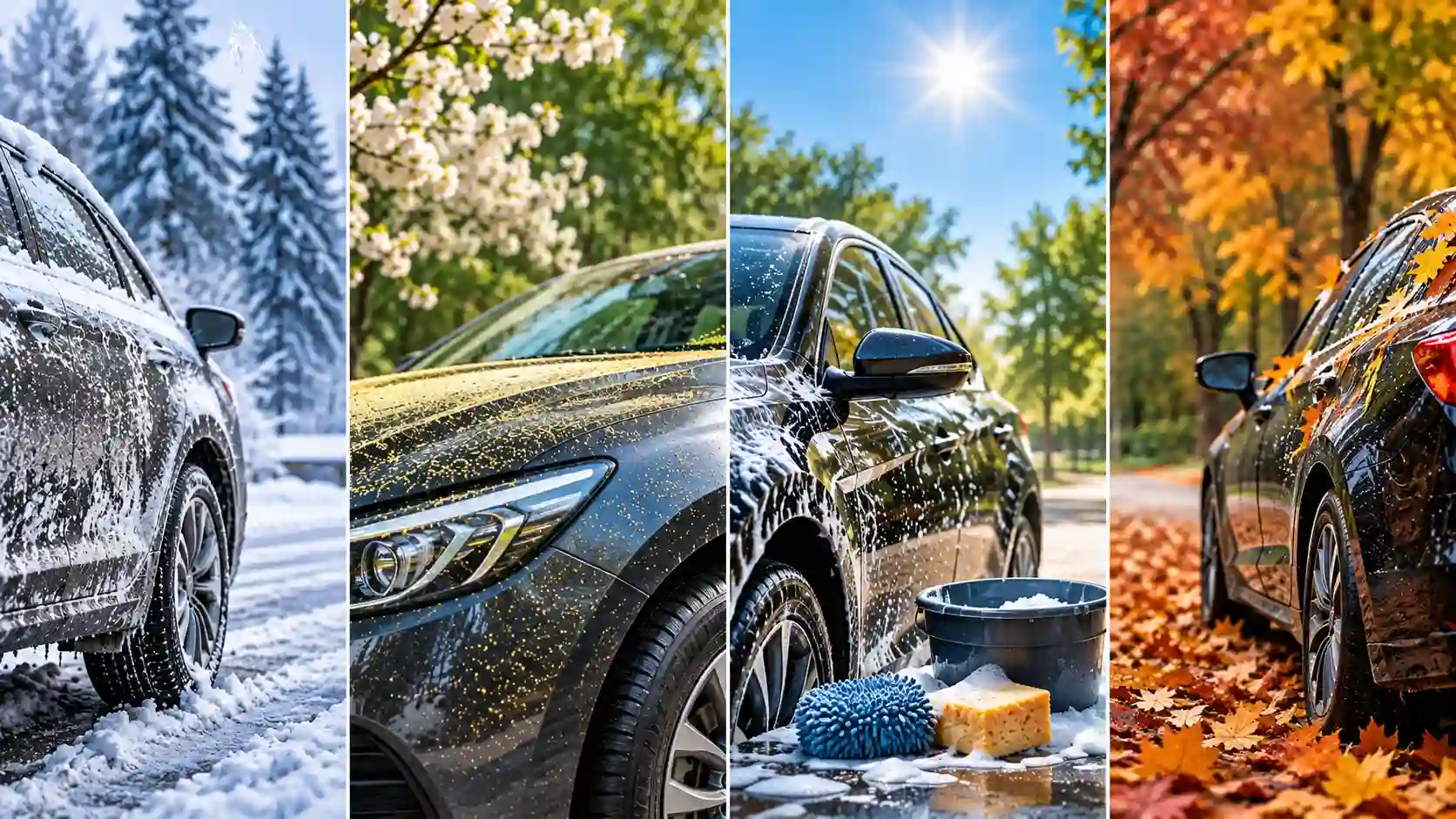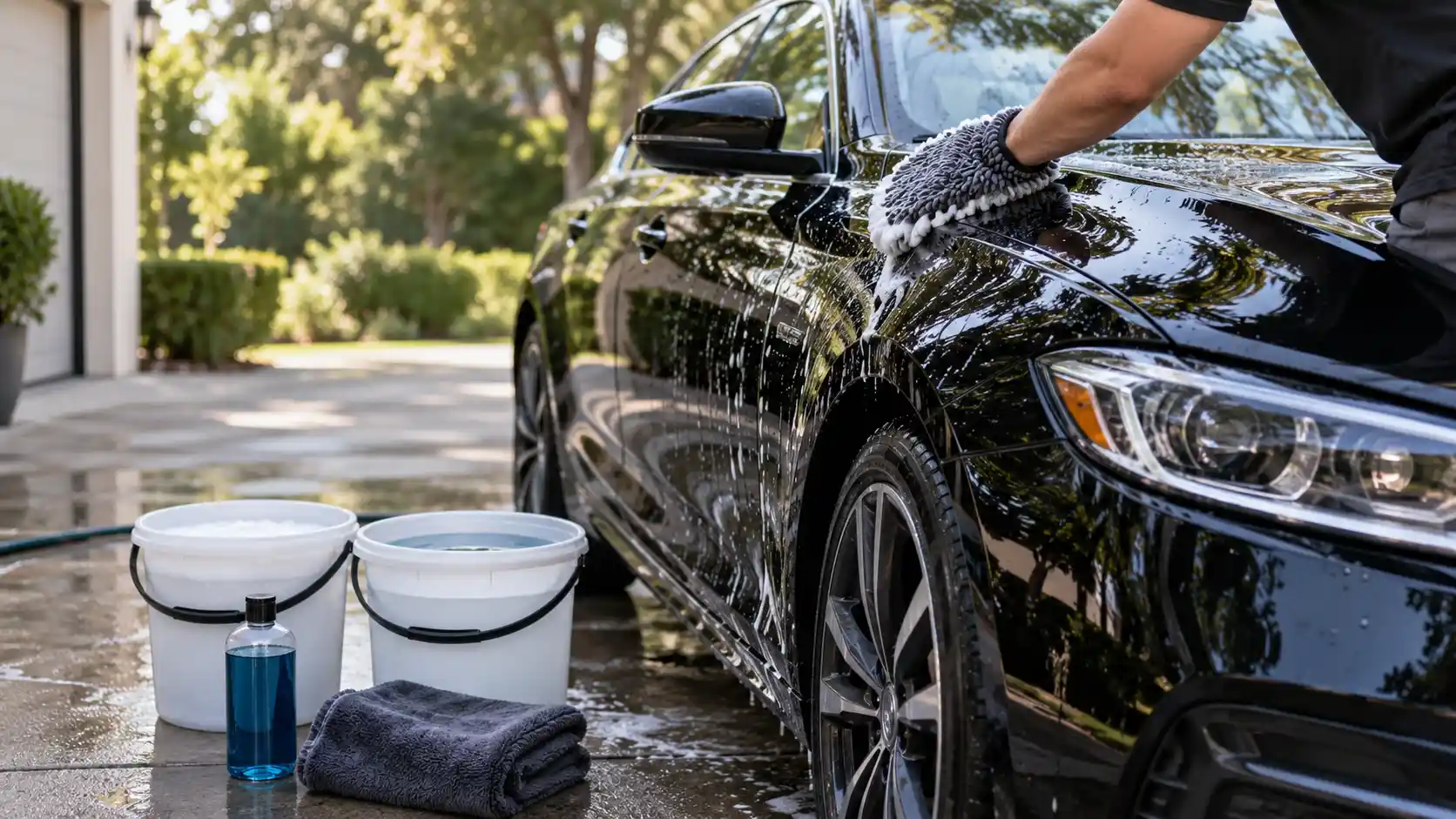
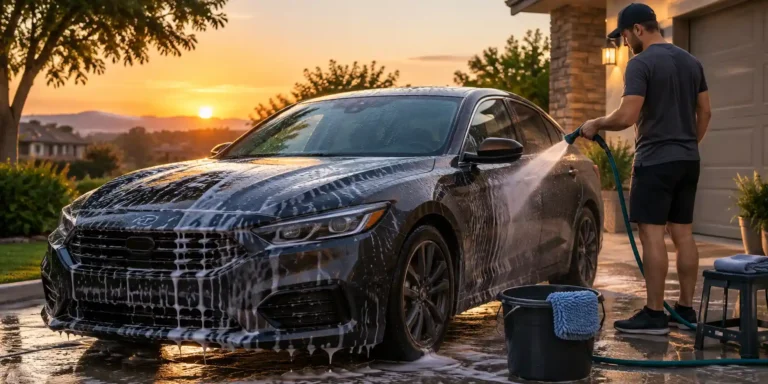
The best time of day to wash your car is early morning or early evening, when temperatures are cooler and the sun is lower in the sky, since this gives soap and water enough time to be properly rinsed away before evaporating. Washing during peak midday sun causes water and soap to dry too quickly, leading to water spots, streaking, and an uneven finish regardless of how careful your technique is otherwise.
This guide explains: exactly why timing affects wash quality, the ideal conditions to look for, and how to adjust your schedule around your specific climate and daily routine.
Why Does Direct Sunlight Cause Problems During Washing?
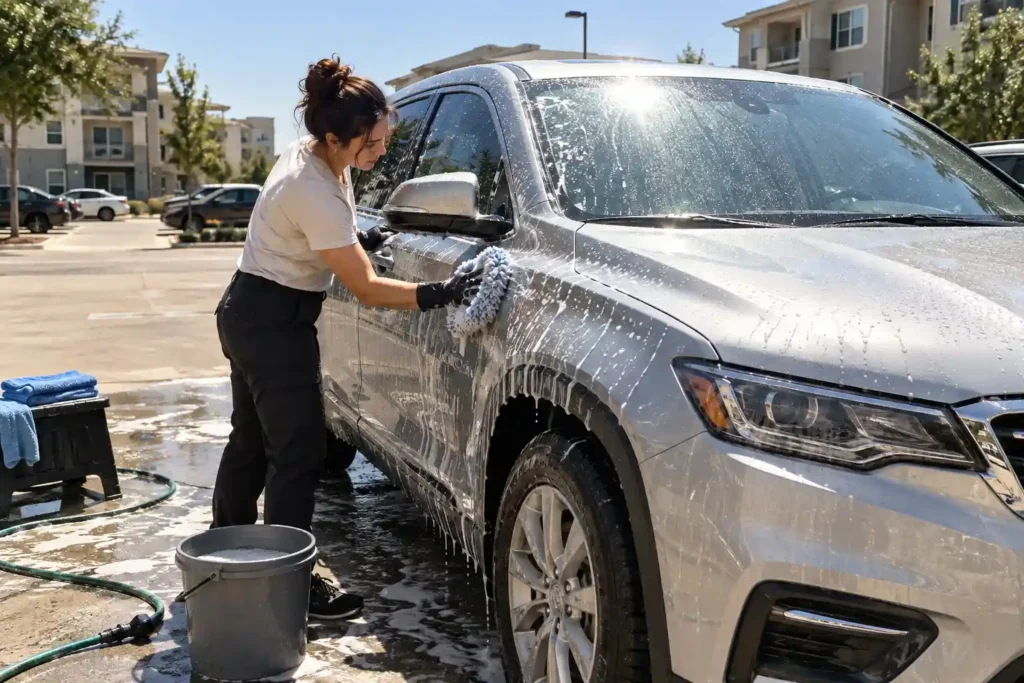
Direct sunlight heats both the ambient air and the vehicle’s paint surface, which dramatically speeds up how quickly water and soap evaporate before you have a chance to rinse them away properly. This rapid evaporation leaves behind mineral deposits from the water and soap residue that dry into visible spots, particularly noticeable on darker paint colors.
Beyond spotting, hot paint from direct sun exposure also makes it harder to work in small enough sections to keep soap wet and workable, since it can start drying on the surface within moments of application in extreme heat, forcing you to rush through areas that deserve careful attention. This combination of faster evaporation and harder-to-manage working conditions is why washing in full sun consistently produces worse results than washing in shade or cooler conditions.
What Makes Early Morning a Good Time to Wash?
Early morning offers cooler ambient temperatures and a lower sun angle, both of which slow down water evaporation enough to give you a comfortable working window for each section of the vehicle. The paint itself hasn’t had time to absorb heat from a full day of sun exposure, starting the wash from a cooler baseline than you’d get later in the day.
Morning washing also means the vehicle has the rest of the day to air out any residual moisture in door jambs, trim gaps, or the undercarriage, rather than sitting overnight with lingering dampness in tucked-away areas. For many drivers, morning timing also fits naturally into a weekend routine before the day’s other activities begin, making it easier to stick to consistently rather than treating it as a task that keeps getting pushed to later in the day.
What Makes Early Evening a Good Alternative?
Early evening, particularly as the sun gets lower and temperatures begin cooling from their daytime peak, offers similar benefits to early morning: reduced evaporation speed and a more comfortable working pace throughout the wash. This timing works well for anyone whose schedule doesn’t allow for morning washing, such as those who work standard daytime hours.
One consideration with evening washing is ensuring enough daylight remains to properly inspect your work, check for missed spots, and confirm the vehicle is fully dry before nightfall, especially important in regions where overnight temperatures drop enough to create dew or frost on any remaining dampness. Starting the wash early enough in the evening window avoids finishing in the dark, when spotting missed contamination or streaking becomes much harder.
Does Climate and Region Change What Time Works Best?
Yes. The best time to wash your car can change with local climate conditions because temperature, humidity, sunlight, and cloud cover affect how quickly water and soap dry on the paint.
- Hot, arid climates: Early morning is usually the best option because cooler temperatures and weaker sunlight slow evaporation. Hot afternoon conditions can cause water and soap to dry too quickly.
- Humid climates: Humidity slows evaporation and gives you slightly more flexibility with wash timing. However, direct sunlight can still cause uneven drying, water spots, and streaking.
- Cooler or temperate climates: Midday washing can be more forgiving because moderate temperatures reduce the risk of rapid evaporation. Washing in shade is still preferable when direct sunlight is strong.
- Overcast or cloudy climates: Cloud cover reduces direct sunlight, so the exact time of day matters less. A cool, cloudy period can provide favorable washing conditions as long as strong wind or freezing temperatures are not an issue.
The practical rule is simple: choose the coolest, least sunny period available and use a shaded location whenever possible.
Can You Wash Your Car Safely at Night?
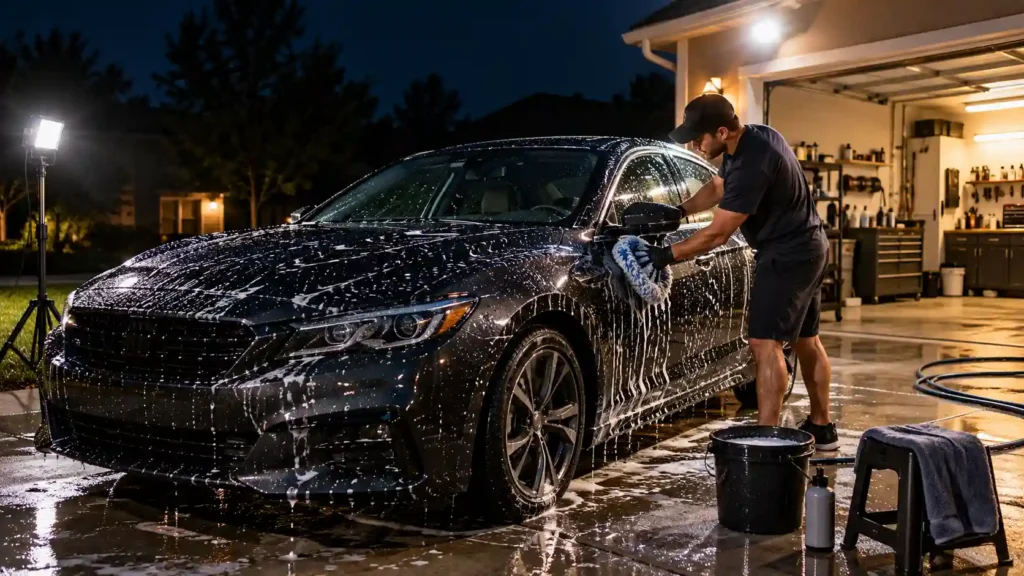
Washing at night is possible and avoids sun-related evaporation issues entirely, but it introduces its own challenge: adequate lighting to properly see dirt, streaks, and missed spots during the process. Without good lighting, it’s easy to leave sections incompletely cleaned or miss soap residue that would be obvious in daylight.
If you have access to a well-lit garage or driveway with strong overhead or angled lighting, night washing can work well and offers the benefit of consistently cool temperatures regardless of season. Without adequate lighting, though, the quality tradeoff generally outweighs the temperature benefit compared to simply choosing an early morning or evening slot instead, since a rushed or incomplete wash done in poor visibility often needs redoing anyway once the missed spots become obvious the next day.
Does Wind Affect the Best Time to Wash, Not Just Sun and Temperature?
Wind can speed up evaporation almost as much as direct sun, since moving air pulls moisture off the paint surface faster than still air does, even on an overcast or cooler day. A breezy afternoon can sometimes produce more spotting issues than a calm, sunny morning, which is a factor that’s easy to overlook when planning wash timing around temperature and sun position alone.
Checking wind conditions alongside temperature and cloud cover gives a more complete picture of when conditions are actually favorable for a spot-free wash. On notably windy days, working in smaller sections and drying more quickly after each rinse helps offset the faster evaporation that wind introduces, regardless of what time of day you’re washing, and postponing the wash entirely to a calmer day is a reasonable option if the forecast shows sustained strong wind.
How Does Time of Day Interact With Choosing a Shaded Location?
Time of day and shade location work together rather than as separate considerations, since a shaded spot at midday can sometimes offer similar conditions to an unshaded area in early morning or evening. If your only available washing location gets direct sun during your preferred morning or evening window, but is shaded at another time, it may be worth adjusting your schedule to match when that specific spot is shaded rather than rigidly following a generic time recommendation.
This is particularly relevant for anyone washing in a driveway or parking area where the sun’s position relative to nearby buildings or trees changes meaningfully throughout the day. Observing your specific washing location across a few different times before settling into a routine helps you identify the actual best window for your setup, rather than relying solely on general guidance about morning and evening being ideal, since the guidance is a useful starting point but your own driveway or garage may behave differently than the average case it describes.
conclusion
For most car owners, early morning or early evening provides the best conditions for washing a vehicle. Cooler temperatures, lower sun exposure, and reduced evaporation give you more time to rinse and dry each section before water or soap residue can leave spots and streaks. Shade can make other times of day workable, while cloudy conditions may provide additional flexibility.
Your local climate and washing location also matter. Hot, dry weather calls for more careful timing, while winter washing may be better during the warmest part of the day when freezing is a concern. Wind should also be considered because it can accelerate drying. Ultimately, choose a cool, shaded, relatively calm period when you have enough daylight to inspect the finished wash.
Frequently Asked Questions
Is it ever acceptable to wash a car in direct midday sun?
It’s acceptable if you work in small sections and rinse and dry each one quickly before moving to the next, minimizing how long soap or water sits on hot paint. This requires more effort and attentiveness than washing during cooler hours, making it a less convenient but not impossible option when timing flexibility is limited.
Does washing in a garage eliminate the need to worry about time of day?
Largely, yes, since a garage removes direct sun exposure and keeps ambient temperature more consistent regardless of the hour. Time of day becomes far less important when working in a shaded or covered space, which is part of why garage access is such a valuable asset for anyone serious about consistent wash quality.
How much difference does timing actually make in wash quality?
The difference can be significant, particularly for water spotting and streaking, since these issues are directly caused by evaporation speed rather than washing technique itself. Even a technically well-executed wash can show noticeable spotting if performed in full midday sun, while the same technique in cooler shaded conditions produces a cleaner, spot-free result.
Should I check the weather forecast before deciding when to wash?
Yes, checking for an overcast or mild day, or planning around forecasted temperature swings, helps you choose the best window within your available schedule. A cooler, cloudy day can sometimes offer more washing flexibility than a hot, sunny one, even at times of day that would otherwise be less ideal.
Does the best time to wash change between winter and summer?
Yes, summer strongly favors early morning or evening to avoid intense heat, while winter washing is more about avoiding freezing temperatures than avoiding sun exposure, since cold slows evaporation naturally. In winter, choosing the warmest part of the day, often midday, can actually be preferable to avoid water freezing on the surface before it dries, effectively reversing the general guidance that applies during warmer months.