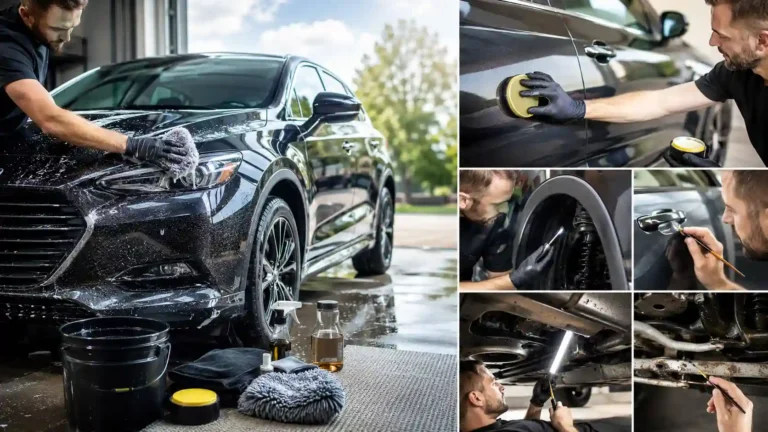
Rust is more than a cosmetic issue. The EPA reports that road salt contributes to approximately $5 billion in annual vehicle corrosion and repair costs in the United States, highlighting the significant financial impact of rust-related damage. Corrosion develops when metal is exposed to moisture and oxygen, a process that can be accelerated by road salt, humidity, mud, and standing water.
According to NHTSA, unusual rust or corrosion should not be ignored because advanced deterioration can affect critical vehicle components and, in some cases, compromise structural integrity. Even minor paint chips, scratches, and exposed metal surfaces can create entry points for moisture, allowing corrosion to begin and gradually spread beneath the paint. As corrosion progresses, it can reduce a vehicle’s appearance, durability, and resale value while increasing long-term repair costs.
Why is Rust Prevention Matters for Your Vehicle
Rust is one of the most common threats to a vehicle’s appearance, value, and long-term durability. It develops when iron or steel is exposed to oxygen and moisture, a process that can be accelerated by road salt, mud, humidity, and standing water. While rust often starts as a minor cosmetic issue, it can eventually spread and weaken body panels, underbody components, and other structural parts of a vehicle. According to the National Highway Traffic Safety Administration (NHTSA), corrosion can become a safety concern when it affects critical structural areas. In addition to potential safety risks, visible rust can significantly reduce a vehicle’s resale value because it is often viewed as a sign of poor maintenance. Fortunately, regular care and preventive maintenance can greatly reduce the risk of corrosion. This guide covers six essential auto body care tips to help protect your vehicle from rust, maintain its appearance, and avoid costly repairs in the future.
6 Essential Auto Body Care Tips
Regular maintenance is the most effective way to prevent rust and protect your vehicle’s body. These six essential auto body care tips help reduce moisture buildup, protect exposed metal surfaces, and keep your car looking its best for years to come.
Tip 1: Wash Your Car Regularly
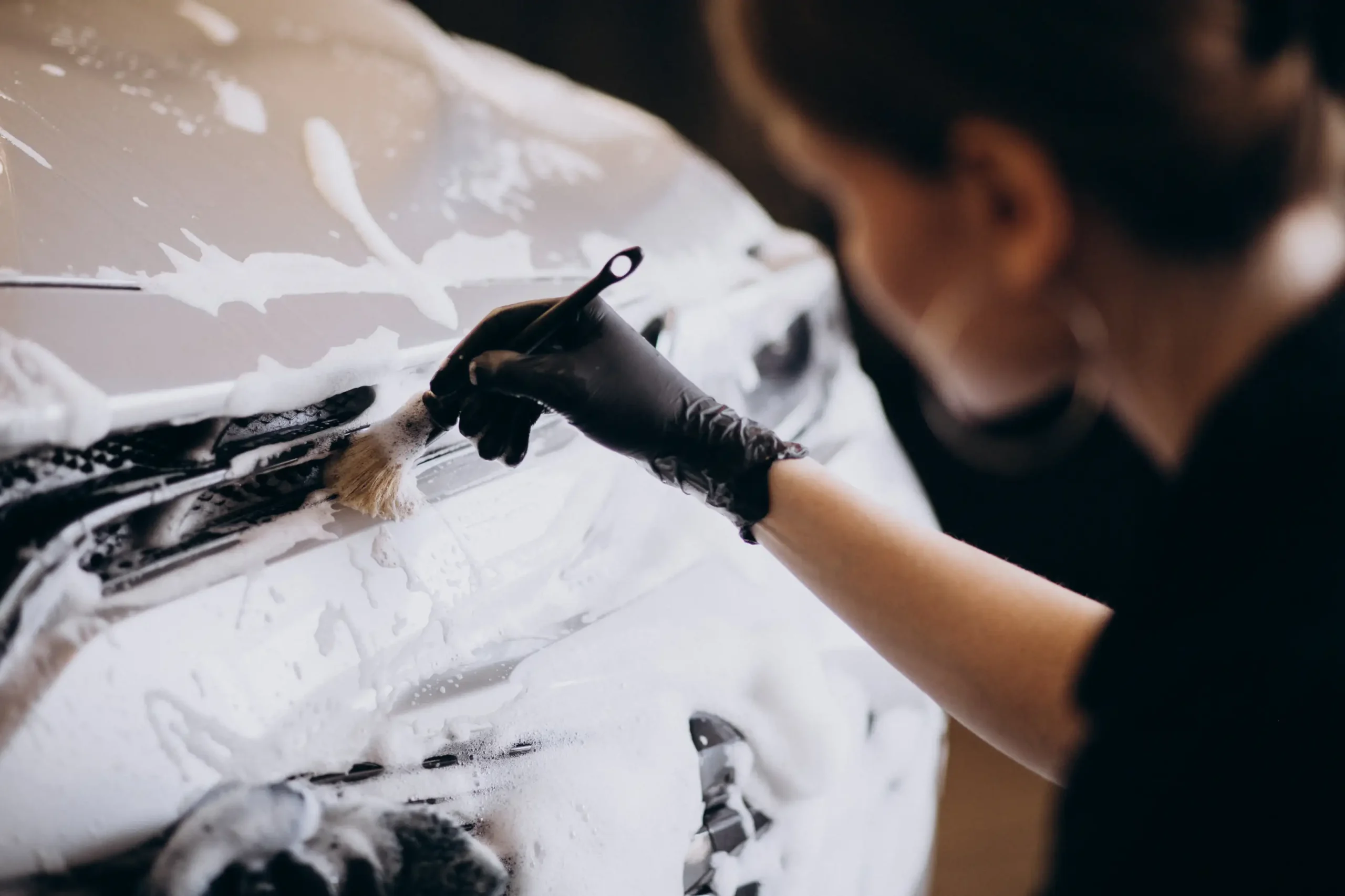
Regular washing is one of the most effective ways to prevent rust because it removes salt, dirt, mud, and contaminants before they damage paint and exposed metal.
AAA recommends washing vehicles about every two weeks under normal conditions. However, cars exposed to winter salt, heavy rain, coastal air, or muddy roads may need more frequent cleaning.
Why Dirt and Salt Accelerate Corrosion
Road salt attracts moisture and keeps metal surfaces wet longer, which speeds up oxidation. Mud and dirt also trap moisture against the vehicle body and undercarriage.
This creates ideal conditions for rust formation, especially around wheel wells, door edges, and underbody components.
Why Undercarriage Washing Matters
The undercarriage is one of the most vulnerable areas because it constantly faces water, salt, gravel, and road debris.
Many drivers wash the exterior regularly but ignore the underside. Over time, trapped contaminants can damage suspension parts, brake lines, and frame sections.
Professional underbody washing or touchless car washes with undercarriage spray systems can help remove hidden buildup.
Best Time to Wash Your Car
Washing is most important after snowstorms, rainy conditions, coastal exposure, or muddy driving. Allowing salt and moisture to sit on metal surfaces for weeks increases corrosion risk significantly.
Quick cleaning during winter months can make a major difference in long term rust prevention.
Tip 2: Repair Paint Chips and Scratches Quickly
Paint acts as a protective barrier between metal and moisture. When scratches or chips expose bare metal, rust can begin forming surprisingly fast.
Even small stone chips should not be ignored because water and oxygen can reach exposed steel beneath the paint layer.
Why Small Paint Damage Leads to Rust
Modern automotive paint systems include primers, paint layers, and clear coats designed to protect metal surfaces. Once these layers break, corrosion can start underneath surrounding paint.
Temperature changes and moisture often make the damage spread faster over time.
How Touch Up Paint Helps Prevent Corrosion
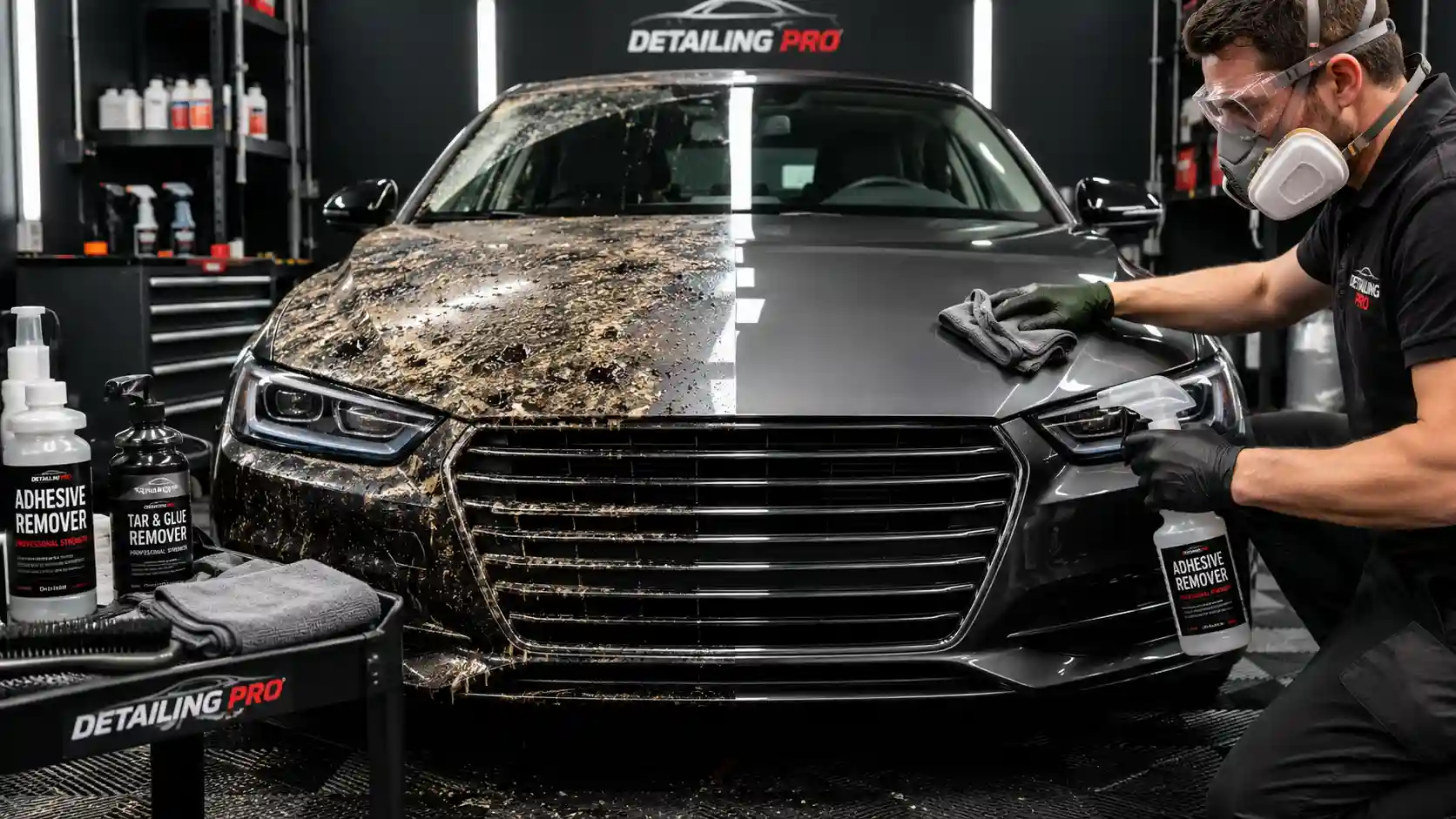
Touch up paint seals exposed metal and restores the protective coating. Quick repairs can stop oxidation before it develops into larger rust spots.
Drivers do not always need full repainting for minor chips. Small touch up repairs are often enough when handled early.
Which Areas Rust First
Common rust starting points include:
- Wheel arches
- Hood edges
- Door bottoms
- Rocker panels
- Trunk edges
- Areas around windshield seals
These areas collect moisture, debris, and road salt more easily than flat body panels.
Tip 3: Apply Wax or Paint Protection
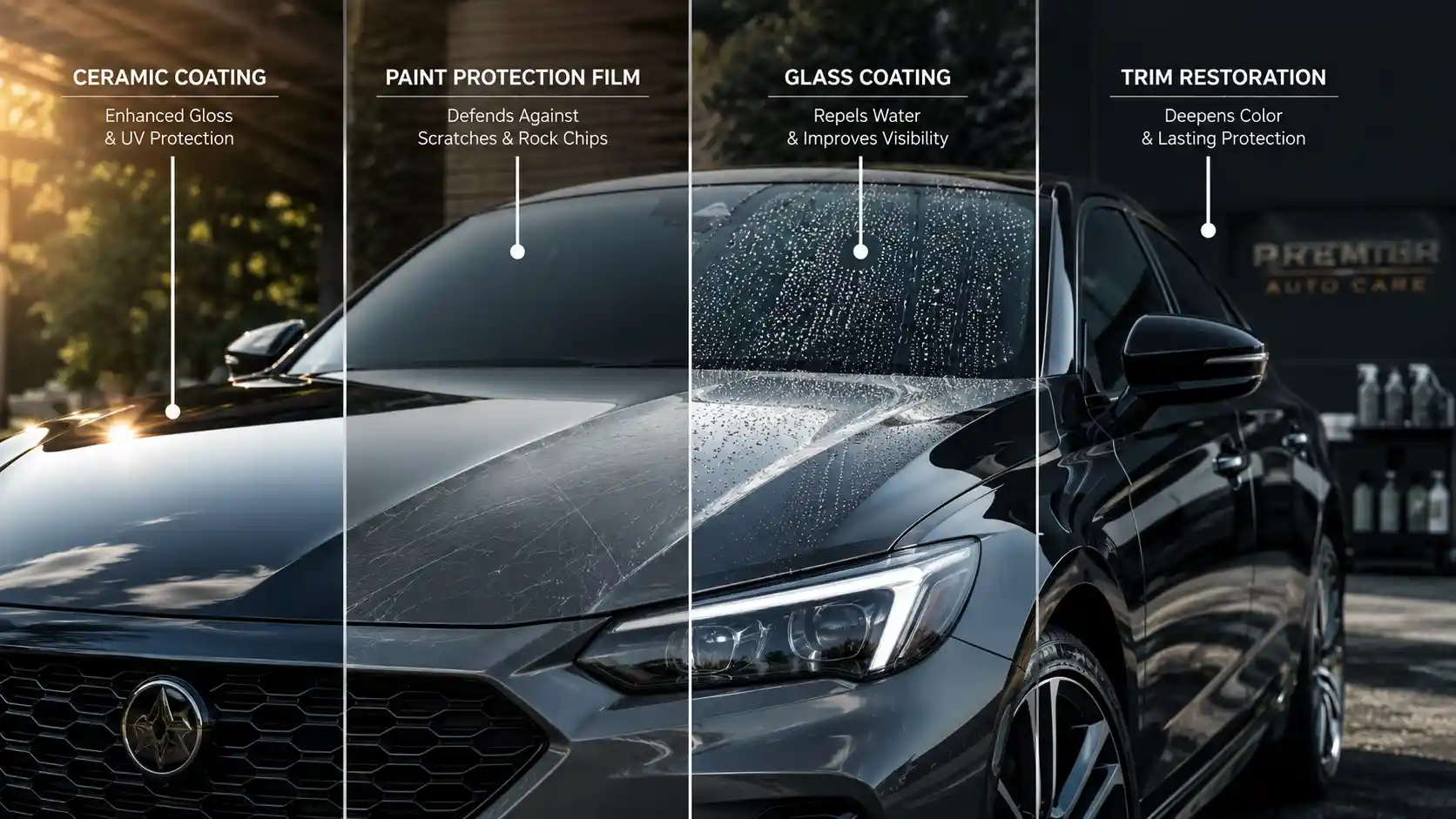
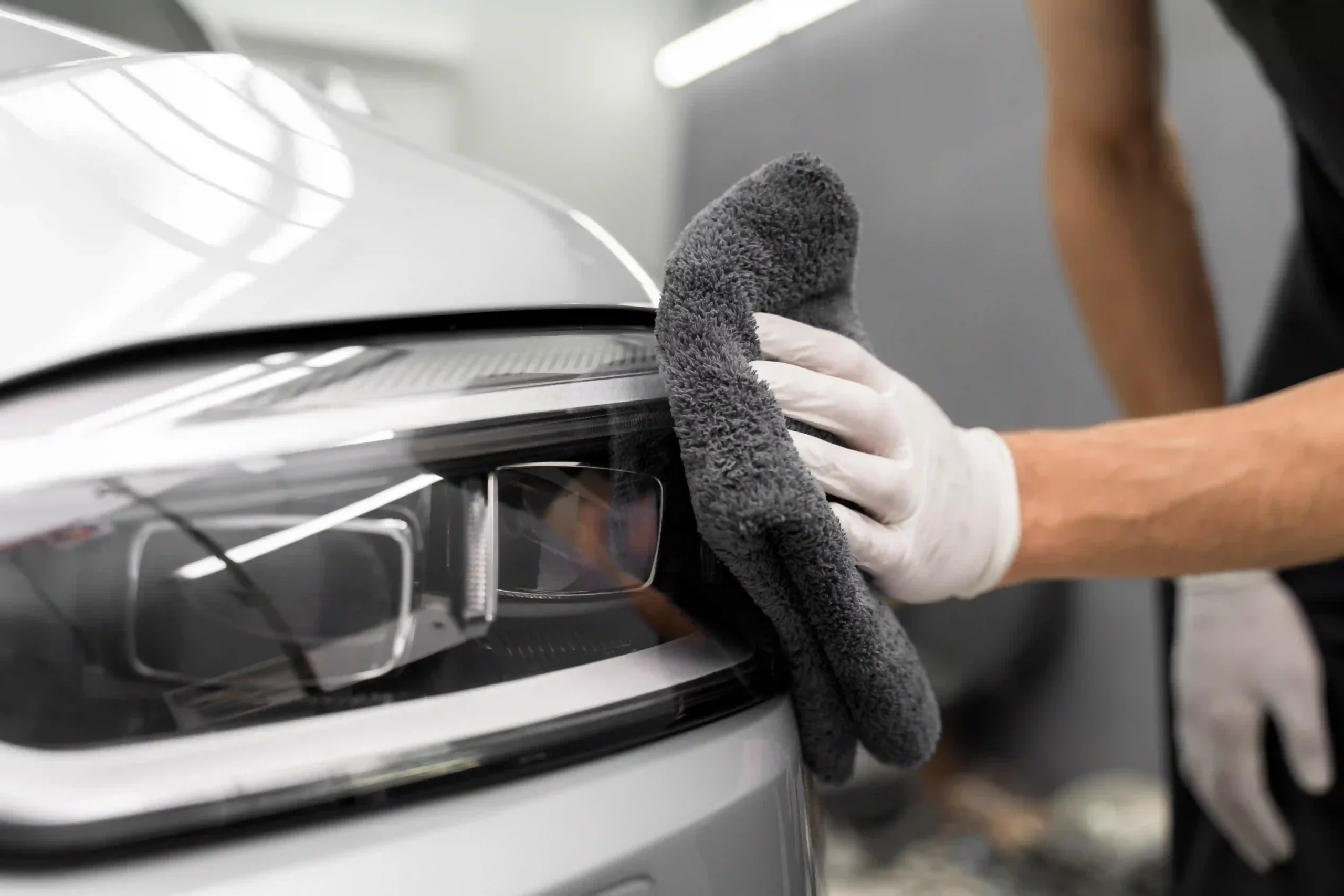
Wax and paint protection products help create a barrier against water, UV rays, dirt, and contaminants.
AAA explains that waxing adds another layer of protection against environmental exposure and helps preserve paint condition over time.
How Wax Protects Automotive Paint
Wax creates a thin protective layer that reduces direct contact between contaminants and paint surfaces. Water beads more easily, making moisture less likely to remain trapped against the paint.
This extra protection becomes especially important during winter and rainy seasons.
How Often Should You Wax a Car?
Many auto care experts recommend waxing at least twice per year. Vehicles exposed to harsh weather or strong sunlight may benefit from more frequent protection.
Regular washing combined with seasonal waxing helps maintain stronger paint protection year round.
Are Ceramic Coatings Better Than Wax?
Ceramic coatings usually last longer than traditional wax because they bond more strongly to the paint surface. They also provide stronger resistance against contaminants and UV damage.
However, wax remains a more affordable and beginner friendly option for many drivers.
Tip 4: Keep the Undercarriage Protected
Undercarriage protection is critical because this area experiences the highest exposure to moisture, road salt, and debris.
Many modern vehicles include factory undercoating, but that protection can weaken over time due to road wear and environmental exposure.
Why the Undercarriage Rusts Faster
The underbody constantly faces water spray, gravel impact, mud, and road chemicals. Moisture often becomes trapped in hidden corners where airflow is limited.
This makes the underside one of the first places corrosion begins.
What Is Undercoating?
Undercoating is a protective layer applied to the underside of a vehicle to shield metal surfaces from moisture and salt.
Rubberized coatings, wax based sprays, and oil based rust inhibitors are common options used for corrosion prevention.
Does Rustproofing Really Work?
Rustproofing can help slow corrosion when applied properly and maintained regularly. Consumer Reports notes that modern vehicles resist rust better than older models, but extra protection may still help in harsh climates with heavy winter salt use.
The effectiveness depends on climate, maintenance habits, and the quality of the application.
Tip 5: Keep Your Car Dry Whenever Possible
Moisture is one of the main conditions required for rust formation. Reducing long term moisture exposure helps slow oxidation significantly.
Vehicles parked outdoors in wet environments often experience faster corrosion than vehicles stored in dry, ventilated spaces.
Why Moisture Causes Long Term Damage
Water trapped under floor mats, inside wheel wells, or beneath body trim can remain unnoticed for long periods.
This trapped moisture slowly damages metal surfaces and may eventually cause hidden rust from the inside out.
Does Garage Parking Help Prevent Rust?
Garage parking can help reduce moisture exposure, especially during rain, snow, and overnight humidity. However, poor ventilation inside garages can sometimes trap moisture as well.
Dry airflow matters just as much as indoor storage.
Why Wet Floor Mats Should Not Be Ignored
Wet carpets and floor mats may allow moisture to reach the metal floor beneath the interior. Over time, this can create hidden corrosion inside the cabin structure.
Drying wet interiors quickly helps reduce this risk.
Tip 6: Inspect Your Vehicle Regularly for Early Rust Signs
Regular inspections help drivers catch corrosion before it becomes severe and expensive.
Small rust spots are usually easier and cheaper to repair than advanced structural corrosion.
What Early Rust Looks Like
Early rust often appears as:
- Small orange or brown spots
- Bubbling paint
- Rough paint texture
- Flaking metal edges
- Discoloration near scratches
These signs usually indicate moisture has already reached exposed metal.
Which Parts of the Car Need Inspection Most
Drivers should inspect:
- Wheel wells
- Door edges
- Rocker panels
- Undercarriage
- Around windshield seals
- Trunk seams
- Hood edges
These areas collect dirt and moisture more frequently.
Why Early Detection Saves Money
Early repairs usually involve sanding, sealing, and repainting small areas. Advanced rust often requires welding, body panel replacement, or major structural repair.
Preventive maintenance almost always costs less than full rust restoration.
What Happens When Rust Is Ignored?
Ignoring rust usually allows corrosion to spread deeper into the vehicle body and frame. Small spots often expand beneath paint layers where moisture becomes trapped.
According to the American Automobile Association, contaminants like road salt, dirt, bird droppings, and moisture can damage paint and protective coatings if they remain on the vehicle for long periods. Once paint protection weakens, bare metal becomes more vulnerable to oxidation.
Surface Rust vs Deep Rust
Not all rust is equally damaging. Understanding the difference between surface rust and deep rust can help you identify problems early and take the appropriate steps to prevent costly repairs and further corrosion.
| Feature | Surface Rust | Deep Rust |
| Severity | Minor and mostly cosmetic | Serious and potentially structural |
| Affected Area | Outer layer of metal | Penetrates beneath the metal surface |
| Common Signs | Light discoloration, small rust spots, paint chips | Bubbling paint, flaking metal, holes in panels |
| Typical Locations | Scratches, paint chips, wheel wells, exposed edges | Underbody, structural components, neglected rust areas |
| Repair Difficulty | Usually easier and less expensive to repair | More complex and costly to repair |
| Impact on Vehicle | Mainly affects appearance | Can weaken structural strength and safety |
| Prevention Importance | Should be treated early to stop spreading | Requires immediate attention to prevent further damage |
How Rust Affects Vehicle Resale Value
Rust lowers resale value because buyers worry about hidden structural damage and future repair costs. Dealerships and private buyers often reduce offers significantly when corrosion appears around wheel arches, rocker panels, doors, or undercarriage sections.
Kelley Blue Book notes that vehicle condition strongly affects resale pricing. Visible rust usually places a vehicle into lower condition categories during appraisals.
Why Rust Repairs Become Expensive
Rust repairs become expensive because corrosion often spreads farther than visible damage suggests. Surface sanding may work for small spots, but advanced rust can require welding, panel replacement, repainting, and underbody repairs.
Repair costs can quickly rise into thousands of dollars when structural areas are involved.
Common Rust Prevention Mistakes Drivers Make
Even drivers who care for their vehicles can make simple mistakes that increase the risk of rust and corrosion. Avoiding these common errors can help keep your car’s body and undercarriage better protected over time.
- Ignoring the Underside of the Vehicle
- Delaying Small Repairs
- Skipping Winter Washing
- Using Harsh Cleaning Methods
Conclusion
Preventing rust is an important part of maintaining your vehicle’s appearance, value, and long-term durability. While rust can start as a minor cosmetic issue, it can eventually lead to costly repairs and structural damage if left untreated. Simple habits such as washing your car regularly, repairing paint chips promptly, protecting the undercarriage, and applying wax can significantly reduce the risk of corrosion.
Regular inspections also help identify early signs of rust before they become serious problems. By following these six essential auto body care tips, you can keep your vehicle in better condition, extend its lifespan, and avoid unnecessary repair expenses.
FAQs
How often should I wash my car to prevent rust?
Wash your car about every two weeks in normal conditions. During winter or in coastal areas, wash it more often to remove salt, dirt, and moisture.
Can rust spread underneath paint?
Yes. Rust can spread beneath paint when moisture reaches exposed metal through chips, scratches, or cracks in the finish.
Is undercoating worth it for rust prevention?
Yes, undercoating can help protect the undercarriage from moisture, salt, and road debris, especially in snowy or coastal areas.
What is the first sign of rust on a car?
The first signs of rust are usually small orange or brown spots, bubbling paint, and a rough or flaky metal surface.
Does waxing really help prevent rust?
Yes. Wax helps create a protective barrier on the paint that reduces exposure to moisture, dirt, and contaminants.
Why do wheel wells rust so easily?
Wheel wells collect water, mud, dirt, and road salt, which makes them one of the most rust-prone areas on a vehicle.
Can garage parking stop rust completely?
No. Garage parking can reduce moisture exposure and slow rust, but it cannot prevent corrosion completely.
Is rust repair expensive?
Rust repair can be inexpensive if caught early, but advanced rust may require welding, panel replacement, and much higher repair costs.