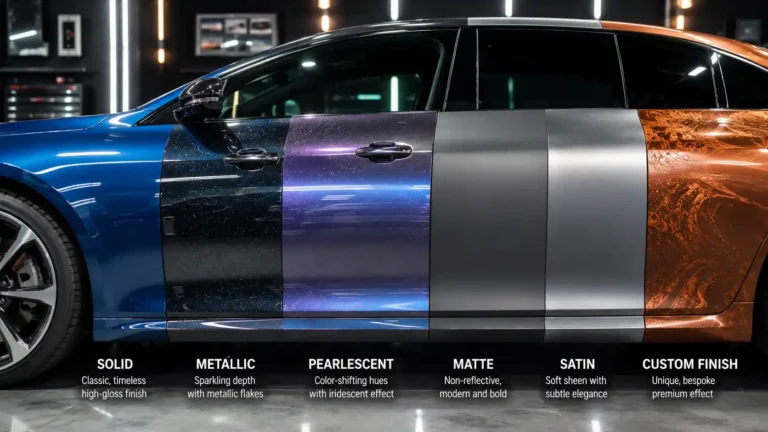
Automotive surface finish is a layered coating system that shapes a car’s appearance while also helping protect the body and influence repair quality.The automotive OEM coatings market was valued at USD 16.15 billion in 2024 and is projected to reach USD 20.85 billion by 2030, showing steady demand for paint systems and refinishing technologies.
Finish choices such as solid, metallic, pearlescent, matte, and satin are not only styling decisions; they also affect maintenance effort, repair difficulty, and ownership cost.
What Is Car Surface Finish?
Car surface finish is the visible outer appearance of a vehicle’s paintwork. In practical terms, it is the part of the coating system that gives the car its shine, depth, texture, and color character. Modern automotive coatings are usually built in layers, and each layer has a different role in protection and appearance. PPG and Axalta both describe vehicle coatings as systems that include primers, basecoats, and clearcoats, while BASF notes that the primer layer helps protect the surface and improve resistance to stone chipping.
A good surface finish does two jobs at once. It helps protect the body from weather, UV exposure, and small road damage, and it also shapes the visual identity of the car. That is why two cars in the same color can still look very different if one has a glossy metallic finish and the other has a matte or satin look. Carwow also notes that paint choice affects not only appearance but sometimes resale value and ownership cost.
Main 6 Types of Car Surface Finish
This section covers the most common paint finishes found on modern cars. Some are standard on many vehicles, while others are premium options that cost more and need more care. Carwow explains that the market generally starts with solid paint, then moves through metallic, pearlescent, matte, and special-order finishes.
- Solid Finish
Solid finish is the simplest and most common type of car paint. Carwow says the vast majority of cars come with solid paint as standard, and premium finishes like metallic or pearlescent usually cost extra. Solid paint usually looks clean and uniform, and it is often easier to match during touch-up work. That makes it practical for daily drivers, fleet cars, and owners who want a normal factory look without extra styling cost.
It is also the most budget-friendly choice in many cases. Because the finish is visually straightforward, small repairs and repaints are usually less complex than with special-effect paint. In simple terms, solid paint is the dependable option. It may not attract as much attention as a metallic or pearlescent finish, but it is often the easiest to live with over time.
- Metallic Finish
Metallic finish contains small metal flakes, usually aluminum-based, that reflect light and create depth and sparkle. BMW describes metallic paint finishes as helping contours stand out by refracting light, especially in sunlight, which is why this finish often looks richer than flat solid paint. Autobody Tool Mart also notes that metallic paint can hide small blemishes better than a standard finish and may hold its gloss longer.
This finish is popular because it gives a premium look without going fully extreme. It works well on sedans, SUVs, and sportier trims because it adds visual depth without looking too loud. The tradeoff is that matching metallic paint during repair can be harder, and it usually costs more than a basic solid finish.
- Pearlescent Finish
Pearlescent finish uses microscopic ceramic or mica-type particles that reflect and refract light in different ways. That is what creates the soft color shift and the rich, layered look many buyers associate with luxury paint. Autobody Tool Mart explains that pearlescent paint creates changing shades from different angles, while Sinnek notes that pearl pigments produce strong gloss and depth, but can also be more prone to marks and defects than metallic finishes.
This finish is often chosen for cars that are meant to stand out, especially premium trims and show-style builds. The visual result can be beautiful, but the finish is more expensive and more difficult to repair correctly. If the paint is damaged, matching the original effect may be more complicated than on a standard solid finish.
- Matte Finish
Matte finish is designed to reduce shine and give the car a flat, low-reflection appearance. Carwow says matte finishes absorb more light than they reflect, which creates a duller, textured look. BMW also highlights matte paint as a way to create a modern and expressive appearance, while KBB notes that matte paint looks stylish but comes with real drawbacks in care and repair.
Matte finish is strong in visual impact, but it asks more from the owner. Carwow says it generally costs more than pearlescent paint and needs even greater care. PPG, Genesis, CUPRA, and Hyundai all recommend gentle hand washing, soft microfiber tools, and matte-safe cleaners, while warning against wax, polish, and aggressive rubbing. That makes matte a lifestyle choice as much as a styling choice.
- Satin Finish
Satin finish sits between matte and gloss. It does not look fully shiny, but it also does not look as flat as matte. Reputable finish guides describe satin as a mid-sheen option with a soft, smooth reflection that gives the car a polished but understated appearance. This is why satin is often seen as a balanced choice for drivers who want elegance without the mirror-like look of full gloss.
Satin is attractive because it gives shape and body lines a softer highlight. It can work very well on custom builds, wheels, trim pieces, and certain premium cars where the owner wants a refined style rather than a loud shine. It usually feels more special than a normal gloss finish, but it is still easier to live with than pure matte in many cases.
- Special / Custom Finish
Special or custom finishes are made for more unique visual effects. These may include layered colors, chameleon effects, custom pigments, or special mica and oxide pigments that change appearance under different lighting. Sinnek explains that special pigments are used more in customization than in regular bodywork, while Axalta notes that modern coating systems can be designed to protect surfaces while adding beauty and color.
These finishes are usually chosen for show cars, custom builds, and owners who want something no one else has. The main appeal is individuality. The downside is that repairs, matching, and refinishing can be more demanding, because special effects often depend on precise layering and exact application.
Car Surface Finish Layers Explained
Car surface finish is built in multiple layers, and each one plays a specific role in both appearance and protection. Together, these layers help create the final color, gloss, and durability while protecting the vehicle from UV rays, moisture, scratches, and everyday wear.
Primer
Primer is the foundation layer of a car’s paint system. It creates a smooth surface for the paint to bond with and helps protect the body underneath from moisture, UV exposure, and corrosion. It also improves paint adhesion and reduces the risk of peeling or uneven coverage over time. Without primer, the finish becomes less durable and more likely to wear out early.
Basecoat
Basecoat is the layer that gives the car its visible color and style. This is where the shade, metallic flakes, pearl effect, or custom finish appears. It plays the biggest role in how the vehicle looks under sunlight and from different angles. The richness, depth, and character of the paint mostly come from this layer.
Clear Coat
Clear coat is the outer protective layer applied over the basecoat. It adds gloss to the surface and helps protect the paint from sunlight, dirt, moisture, scratches, and everyday exposure. This layer also improves durability and helps preserve the color for longer, keeping the finish looking cleaner and newer over time.
Uses of Different Car Surface Finishes
Different car surface finishes are used for different purposes based on appearance, maintenance needs, and driving style. Solid finish is commonly used on everyday vehicles because it is affordable, practical, and easy to maintain. Metallic and pearlescent finishes are often chosen for a more premium look, as they add extra depth, shine, and visual detail to the paint. Matte and satin finishes are more common on sports, luxury, and custom vehicles where style and uniqueness stand out more.
In everyday use, the right finish often depends on the owner’s lifestyle and preferences. Drivers looking for low maintenance usually prefer solid paint. Those who want a richer and more stylish appearance often choose metallic or pearlescent finishes. Matte, satin, and custom finishes are typically selected to create a bold or distinctive look. Because of this, car surface finish is not only about protection but also about how a vehicle is presented and perceived.
Advantages and Disadvantages of Car Surface Finishes
Car surface finishes offer both visual and practical benefits, but they also come with certain limitations. While some finishes improve appearance and protection, others may require higher cost, extra care, or more complex repair over time.
| Feature | Advantages | Disadvantages |
| Appearance | Improves the overall look of the car with shine, depth, texture, and a premium finish. | Premium finishes can show scratches, swirl marks, or dust more easily. |
| Protection | Helps protect the surface from UV rays, moisture, dirt, oxidation, and minor damage. | Protection can reduce over time if the finish is not maintained properly. |
| Durability | Makes the paint last longer and helps preserve the vehicle’s exterior condition. | Some finishes are more delicate and may wear faster without proper care. |
| Maintenance | Glossy finishes like solid or metallic are usually easier to wash and maintain. | Matte and satin finishes often require special products and careful cleaning methods. |
| Repair | Standard finishes are often easier to touch up or repaint. | Metallic, pearlescent, and custom finishes are harder and more expensive to match during repairs. |
| Cost | Basic finishes can be affordable and practical for daily use. | Premium finishes usually cost more at purchase and during repainting or repair. |
| Resale Value | A clean and well-kept finish can improve the vehicle’s resale appeal. | Poorly maintained paint or damaged finish can lower resale value. |
| Customization | Offers many style options, from classic gloss to matte and custom effects. | Unique finishes may need more attention and can be harder to restore later. |
Car Surface Finish Comparison
Car surface finishes mainly differ in appearance, maintenance, durability, and cost. Solid finish is usually the most practical option. It has a clean look, is affordable, and is easy to maintain, which makes it a common choice for everyday vehicles.
Metallic and pearlescent finishes offer more depth, shine, and visual detail. They create a richer appearance and are often chosen for a more premium look. Matte and satin finishes stand out for their unique texture and modern styling, but they typically require more care and specialized cleaning to keep them looking their best.
Overall, the best car surface finish depends on your budget, styling preference, and how much maintenance you are comfortable with over time.
How to Choose the Right Finish for Your Car
Choosing the right car surface finish depends on your budget, styling preference, driving conditions, and how much maintenance you are comfortable with. Each finish offers a different balance between appearance, durability, and care.
- Set Your Budget First
Solid finish is usually the most affordable option and costs less to repair. Premium finishes like metallic, pearlescent, matte, or satin often come at a higher price. - Think About Your Preferred Look
If you like a simple and clean appearance, solid finish works well. Metallic and pearlescent create more shine and depth, while matte and satin offer a bold and unique style. - Consider Maintenance Needs
Some finishes need more care than others. Solid and metallic finishes are generally easier to wash and maintain, while matte and satin often require special cleaning products. - Look at Your Driving Environment
If your car stays outside in direct sunlight or is exposed to dust, rain, or road debris, choosing an easy-to-maintain finish can be more practical. - Think About Long-Term Ownership
If easy repair and lower upkeep matter most, simpler finishes are usually a better choice. If appearance and exclusivity matter more, premium or custom finishes may be worth it.
Maintenance Tips for Each Finish Type
Proper maintenance helps preserve a car’s surface finish and keeps it looking good for longer. Different finishes need different levels of care, so using the right cleaning method and products can make a big difference over time.
Solid Finish
Solid finish is usually the easiest to maintain. Regular washing with car shampoo and clean water is often enough. It is also easier to polish and touch up when needed.
Metallic Finish
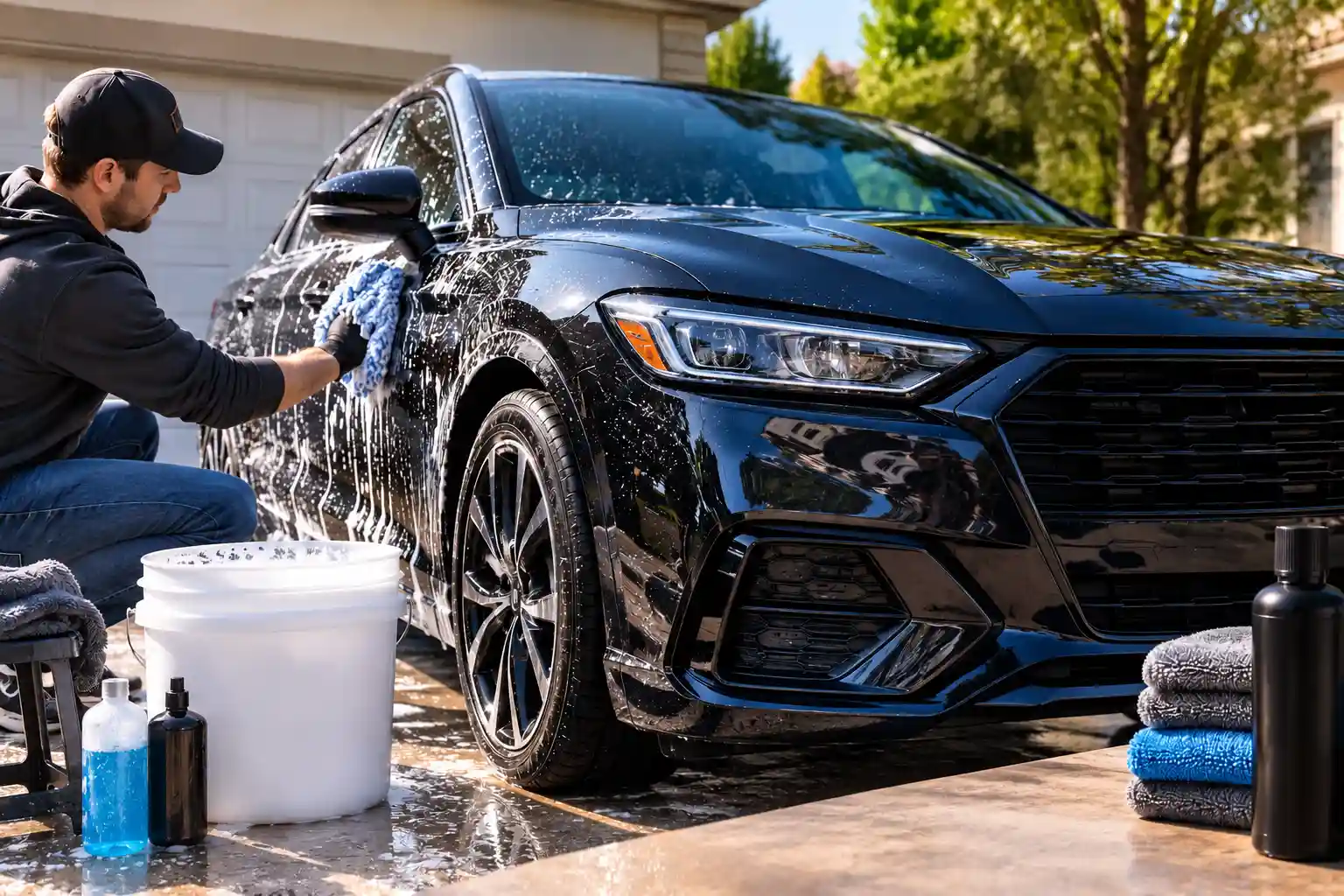
Metallic finish should be washed regularly to maintain its shine and depth. Using a soft microfiber cloth and pH-balanced car wash soap helps protect the reflective surface and keeps it looking glossy.
Pearlescent Finish
Pearlescent finish benefits from gentle hand washing and regular cleaning to preserve its depth and color effect. Avoid harsh chemicals that may reduce the paint’s clarity or shine over time.
Matte Finish
Matte finish needs extra care compared to glossy finishes. Use matte-safe cleaners, soft microfiber towels, and gentle washing methods. Avoid wax, polish, or abrasive products, as they can create unwanted shine spots.
Satin Finish
Satin finish should be cleaned gently using soft cloths and mild products. Like matte paint, it should not be polished or treated with strong wax because it can affect the surface texture.
Special / Custom Finish
Custom finishes may require specific care depending on the material and coating type. Following the paint manufacturer’s care instructions and using safe detailing products is usually the best approach.
For all finish types, it is best to wash dirt off early, rinse before wiping, and avoid harsh scrubbing. Regular care helps maintain both appearance and long-term durability.
Cost, Repair, and Resale Value
The cost, repair difficulty, and resale value of a car surface finish can vary depending on the finish type. Some finishes are more affordable and easier to repair, while others may cost more upfront and need specialized work over time.
| Finish Type | Cost | Repair Difficulty | Resale Value |
| Solid Finish | Low | Easy | Good |
| Metallic Finish | Medium | Moderate | Good to High |
| Pearlescent Finish | Medium to High | Moderate to Difficult | High |
| Matte Finish | High | Difficult | Moderate to High |
| Satin Finish | High | Difficult | Moderate to High |
| Special / Custom Finish | Very High | Most Difficult | Varies by buyer demand |
In general, solid finishes are more budget-friendly and easier to repair. Premium finishes like metallic, pearlescent, matte, and satin often cost more but can improve the vehicle’s visual appeal and resale interest depending on condition and market demand.
Conclusion
Car surface finish plays an important role in both the appearance and protection of a vehicle. From solid and metallic to pearlescent, matte, satin, and custom finishes, each type offers a different look, level of maintenance, and ownership experience. Some are practical and easy to care for, while others are chosen for style, depth, or uniqueness.
The right finish depends on what matters most to you, whether that is budget, durability, low maintenance, or a premium appearance. Understanding the differences between each finish can make it easier to choose one that fits your vehicle, driving habits, and long-term preferences.
Got it. I’ve kept the answers short, direct, and optimized for Google featured snippets around 35–55 words. I also added extra FAQ questions that are highly relevant to your topic and commonly searched around “car surface finish.”
FAQs
Which car surface finish is easiest to maintain?
Solid paint is usually the easiest car surface finish to maintain. It is affordable, easy to clean, and simpler to repair than matte or custom finishes. Small scratches and touch-ups are also easier to manage, which makes it a practical choice for everyday vehicles.
Is matte finish harder to care for?
Yes, matte finish is harder to care for than most other car finishes. It needs gentle washing, soft microfiber cloths, and special cleaning products. Wax, polish, or abrasive cleaners can damage the matte texture and create unwanted shine spots.
Which car finish looks most premium?
Metallic and pearlescent finishes are often considered the most premium because they create more depth, shine, and color movement. Matte and satin also offer a premium appearance, but with a softer and more unique non-glossy look.
Does car surface finish affect resale value?
Yes, car surface finish can affect resale value. A clean, well-maintained finish often makes a vehicle more attractive to buyers. Premium finishes may improve visual appeal, but condition, paint quality, and maintenance history usually have the biggest impact.
What is the most durable car surface finish?
Metallic and solid finishes are generally considered the most durable for everyday use. They hold up well against regular weather exposure, washing, and road use. Durability also depends on paint quality, clear coat protection, and maintenance.
Which car surface finish is best for daily use?
Solid or metallic finish is usually best for daily use. Both are practical, durable, and easier to maintain compared to matte or custom finishes. They also handle regular washing and minor repairs more easily.
Which car surface finish is most expensive?
Custom, matte, and pearlescent finishes are usually among the most expensive car surface finishes. They often cost more at purchase and can also be more expensive to repair or repaint due to their complex finish.
Can car surface finish protect against scratches?
Car surface finish can provide some protection against light scratches and everyday wear, especially when combined with a clear coat. However, it does not fully prevent scratches, chips, or damage from sharp impact.
How long does car surface finish last?
A car surface finish can last 10 to 15 years or longer with proper care. Its lifespan depends on weather conditions, sun exposure, washing habits, paint quality, and how well the surface is maintained over time.
Can you change a car’s surface finish later?
Yes, a car’s surface finish can be changed later through repainting, wrapping, or refinishing. Many owners switch to matte, satin, gloss, or custom finishes to update the vehicle’s appearance or restore damaged paint.