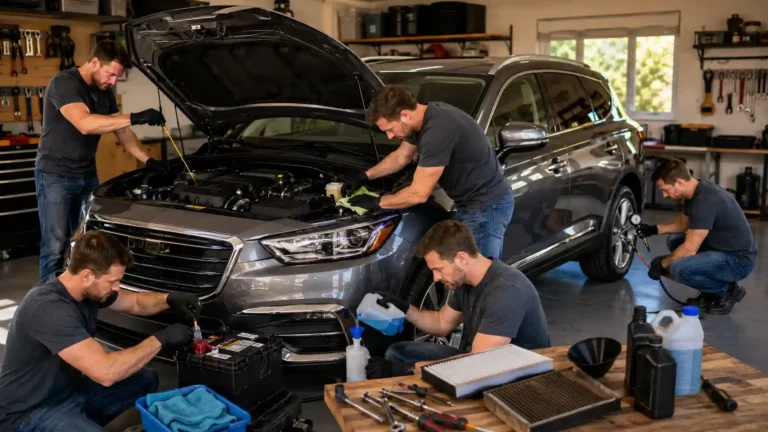
Regular vehicle maintenance plays a major role in reducing long-term repair costs and improving road safety. According to the U.S. Department of Energy, proper tire inflation alone can improve gas mileage by up to 3%, while neglected maintenance contributes to reduced engine efficiency, brake wear, and shorter vehicle lifespan.
AAA also reports that battery failures, flat tires, and engine-related problems remain among the most common roadside assistance calls each year. Basic DIY car maintenance tasks such as checking fluids, monitoring tire pressure, replacing air filters, and inspecting battery condition help detect problems early and reduce unnecessary repair expenses. As vehicle ownership costs continue rising globally, preventive maintenance has become increasingly important for
Understanding DIY Car Maintenance
DIY car maintenance means performing simple vehicle checks and basic upkeep tasks yourself to prevent larger mechanical problems. Regular maintenance helps identify early warning signs such as low tire pressure, dirty fluids, weak batteries, or unusual noises before they lead to costly repairs or safety risks. According to the American Automobile Association and the National Highway Traffic Safety Administration, routine inspections improve vehicle reliability, safety, and long-term performance by addressing small issues early.
6 DIY Car Maintenance Tips
DIY car maintenance helps drivers prevent expensive repairs, improve vehicle safety, and extend overall vehicle lifespan. Simple maintenance habits done regularly can reduce breakdown risks and improve fuel efficiency over time.
Tips:
- Check Tire Pressure and Tire Condition
- Inspect and Top Up Essential Fluids
- Replace the Engine Air Filter
- Replace Wiper Blades and Maintain Visibility
- Clean Battery Terminals and Check Battery Health
- Test Exterior and Interior Lights
1. Check Tire Pressure and Tire Condition
Checking tire pressure is one of the most important DIY maintenance habits because it affects fuel economy, road grip, braking performance, and tire lifespan. Proper tire inflation also improves handling and reduces uneven tire wear.
NHTSA recommends checking tire pressure at least once per month using an accurate tire gauge. Underinflated tires can lower fuel efficiency and increase the risk of tire failure, especially during long-distance driving.
2. Inspect and Top Up Essential Fluids
Vehicle fluids protect major systems from overheating, friction, and mechanical wear. Engine oil, coolant, brake fluid, transmission fluid, and windshield washer fluid all support daily vehicle performance.
Low or dirty fluids can create serious mechanical problems over time. Regular fluid inspections help drivers identify leaks, overheating risks, and early maintenance problems before expensive repairs become necessary.
3. Replace the Engine Air Filter
The engine air filter prevents dirt and debris from entering the engine while supporting clean airflow. A dirty air filter can reduce engine efficiency, weaken acceleration, and increase fuel consumption.
Most manufacturers recommend periodic air filter inspections based on mileage and driving conditions. Replacing the filter at the right time helps maintain smooth engine performance and protects internal engine components.
4. Replace Wiper Blades and Maintain Visibility
Wiper blades are essential for maintaining clear visibility during rain, snow, and dusty weather conditions. Old blades often leave streaks, skipping marks, or smeared areas across the windshield.
Replacing worn wiper blades improves driving safety and reduces visibility problems during bad weather. Many automotive safety organizations recommend replacing wiper blades approximately every six months.
5. Clean Battery Terminals and Check Battery Health
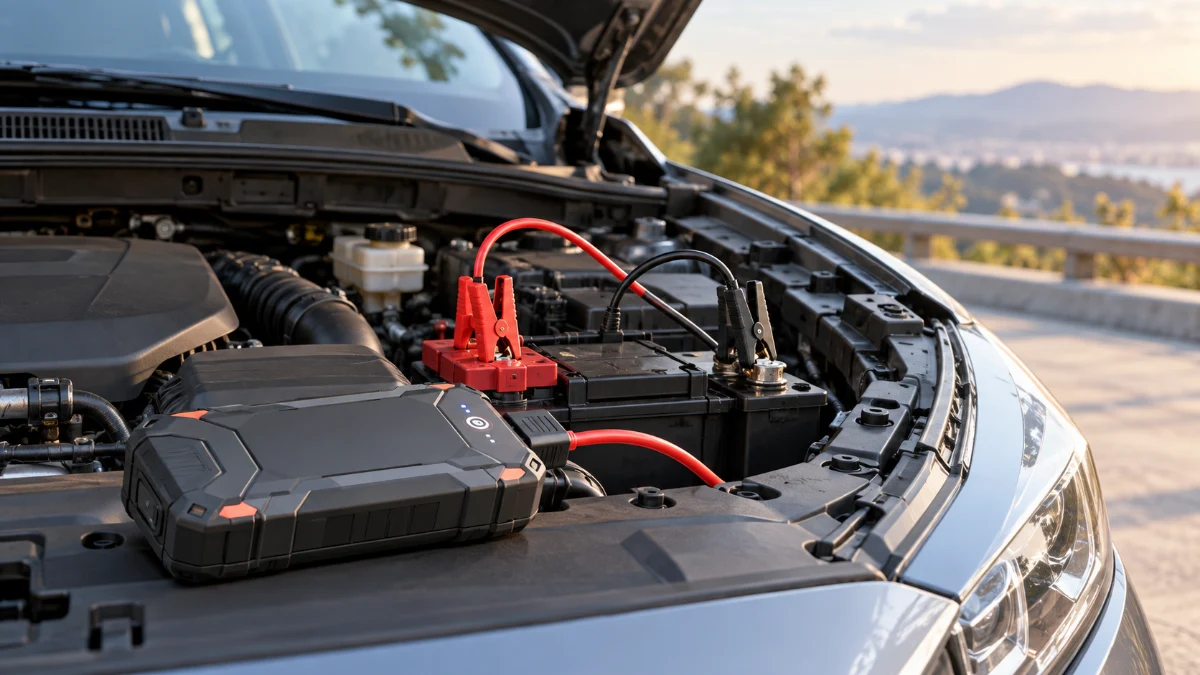
Battery maintenance helps prevent starting problems and electrical system failures. Corrosion buildup around battery terminals can interrupt electrical flow and weaken battery performance.
Drivers should regularly inspect battery terminals for corrosion, loose connections, or warning signs such as dim headlights and slow engine starts. Seasonal battery testing also helps identify aging batteries before they fail completely.
6. Test Exterior and Interior Lights
Vehicle lights improve road safety by helping drivers see clearly and making the vehicle visible to others. Important lights include headlights, brake lights, turn signals, reverse lights, and interior cabin lights.
Faulty lighting systems can reduce visibility and increase accident risks, especially during nighttime driving or poor weather conditions. Regular light inspections help drivers identify burned-out bulbs and electrical issues early.
Additional DIY Car Maintenance Tips
Small maintenance habits can improve vehicle reliability and help drivers notice problems before they become serious. Regular cleaning, inspections, and monitoring warning signs support long-term vehicle performance and safety.
- Keep the car interior clean to reduce dust buildup and make problems easier to notice.
- Wash the car regularly to remove dirt, salt, and debris that can damage paint and metal surfaces.
- Protect the paint with wax or sealant to help prevent fading and corrosion.
- Monitor dashboard warning lights and address them early before issues become serious.
- Listen for unusual noises such as squealing, grinding, or knocking sounds during driving.
- Inspect belts and hoses for cracks, leaks, or visible wear during hood checks.
- Keep emergency supplies in the vehicle, especially for long trips or changing weather conditions.
- Watch for early signs of wear because preventive care helps avoid expensive repairs later.
When DIY Maintenance Is Not Enough
Some vehicle problems should be handled by a professional mechanic because they involve safety systems, electrical components, or complex repairs. Warning signs such as a flashing check engine light, repeated overheating, brake problems, charging system failure, burning smells, or sudden loss of vehicle control should never be ignored. Delaying major repairs can lead to higher repair costs, additional damage, reduced driving safety, and a greater risk of breakdowns. When choosing a mechanic, look for clear communication, honest explanations, and a repair shop that explains which issues are urgent and which can wait. Customer reviews and certifications can also help identify reliable service providers.
DIY Maintenance Schedule
A regular maintenance schedule helps drivers stay consistent with basic vehicle care and reduces the chance of missing early warning signs. Simple weekly, monthly, seasonal, and mileage-based checks can improve safety, reliability, and long-term vehicle performance.
Weekly Maintenance Tasks
- Do a quick walk-around inspection of the vehicle.
- Check dashboard warning lights after starting the engine.
- Look for visible tire damage or low tire pressure.
- Watch for fluid leaks under the vehicle.
Monthly Maintenance Tasks
- Check tire pressure and tire tread condition.
- Inspect engine oil, coolant, brake fluid, and windshield washer fluid levels.
- Look for leaks around the engine or under the car.
- Test headlights, brake lights, and turn signals.
Seasonal Maintenance Tasks
- Inspect battery condition and terminal corrosion.
- Replace worn or damaged wiper blades.
- Check heater and air conditioning performance.
- Make sure all exterior lights work properly.
Mileage-Based Maintenance Checks
Around 30,000 Miles
- Inspect engine oil and oil filter condition.
- Check tires for wear and alignment issues.
- Replace dirty air filters if needed.
- Test battery performance and charging system.
Around 60,000 Miles
- Inspect brake pads and brake system condition.
- Check transmission fluid quality and level.
- Inspect belts and hoses for cracks or wear.
- Review manufacturer-recommended service items.
Best Tools for DIY Car Maintenance
Basic tools make routine car maintenance easier, safer, and more efficient for beginners. Most simple inspections and maintenance tasks can be completed without expensive equipment. Common DIY car maintenance tools include a tire pressure gauge, socket and wrench set, car jack and jack stands, oil drain pan, flashlight, work gloves, safety glasses, and an OBD2 scanner for reading warning codes. A small collection of reliable tools is usually enough for handling preventive maintenance and basic vehicle checks at home.
Common DIY Car Maintenance Mistakes
Many DIY car maintenance mistakes are small but can lead to expensive repairs or safety problems over time. Common errors include using the wrong fluids, overfilling engine oil, ignoring tire rotation schedules, and skipping basic safety precautions during maintenance. These mistakes can reduce vehicle performance and create additional mechanical issues.
Another common problem is failing to keep maintenance records, which makes it harder to track service history and identify recurring issues. Using cheap or low-quality replacement parts can also cause problems if the parts wear out quickly, fail early, or do not fit properly. Careful maintenance practices and using the correct tools and parts help reduce avoidable vehicle damage.
Conclusion
Regular DIY car maintenance helps improve vehicle safety, reliability, and long-term performance. Simple tasks such as checking tire pressure, monitoring fluid levels, inspecting air filters, testing lights, and replacing worn wipers may seem minor individually, but together they help prevent larger mechanical problems and costly repairs.
Consistent preventive maintenance is one of the most effective ways to keep a vehicle running smoothly. Spending a few minutes each month on routine inspections can reduce unexpected breakdowns, extend vehicle lifespan, and make driving safer over time.
FAQs
What is the easiest DIY car maintenance task?
Checking tire pressure is usually the easiest DIY car maintenance task because it only takes a few minutes and helps improve safety, fuel efficiency, and tire lifespan. The National Highway Traffic Safety Administration recommends checking tire pressure at least once a month.
How often should you perform basic car maintenance?
Basic car maintenance should be performed monthly for items like tire pressure, fluid levels, lights, and warning signs. Seasonal inspections are also important for checking the battery, wiper blades, and weather-related wear.
Can DIY maintenance save money?
Yes, regular DIY car maintenance can reduce fuel costs and prevent expensive repairs. According to the National Highway Traffic Safety Administration, properly inflated tires can improve fuel economy and extend tire life by thousands of miles.
Is DIY car maintenance safe for beginners?
Yes, DIY car maintenance is generally safe for beginners when limited to simple tasks such as tire checks, fluid inspections, light testing, and wiper replacement. Following vehicle manual instructions and basic safety precautions is important.
Which car maintenance tasks should be left to professionals?
Major brake repairs, repeated overheating issues, charging system failures, and complex engine or electrical problems should be handled by a professional mechanic because they require specialized tools and diagnosis.
What happens if you ignore regular maintenance?
Ignoring regular car maintenance can lead to larger mechanical problems, higher repair costs, lower fuel efficiency, and reduced driving safety. Common issues like low fluids, worn tires, weak batteries, and faulty lights often worsen over time if left unchecked.