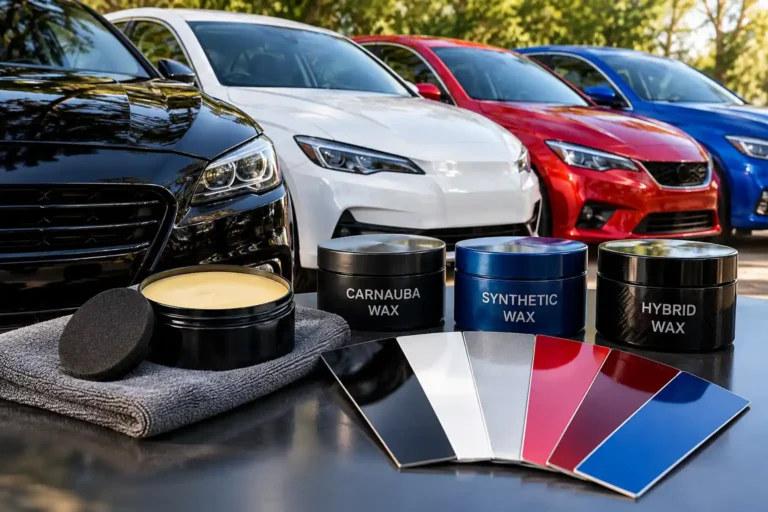
Learning how to choose car wax starts with understanding your vehicle’s paint color, the level of protection you need, and the finish you want to achieve. Although most quality car waxes work well on different paint colors, the best option depends on factors such as durability, ease of application, gloss enhancement, and your vehicle’s existing paint condition. Black and other dark-colored cars can benefit from waxes designed to enhance depth and minimize the appearance of light imperfections, while white, silver, and other lighter colors generally perform well with versatile, all-purpose formulas.
Choosing the right car wax is not simply about matching a product label to your paint color. You also need to consider whether you prefer the warm gloss of carnauba wax, the longer-lasting protection of a synthetic sealant, or the convenience of a hybrid wax. Understanding these differences helps you select a product that protects your paint, enhances its appearance, and fits your regular car care routine.
In this guide, you will learn how to choose car wax based on paint color, compare different wax types, prepare your vehicle for application, and identify the features that matter most when selecting a wax for your car.
How to Choose Car Wax for Your Vehicle
Before purchasing a car wax, consider your vehicle’s paint color, the protection you expect, and how much time you want to spend maintaining the finish. A product that works well for one vehicle may not be the most practical choice for another, even when both have similar paint colors.
Here are the main factors to consider when choosing car wax:
- Paint color: Dark paint often benefits from products that enhance gloss and visually minimize minor imperfections, while light paint can look excellent with a general-purpose wax.
- Protection and durability: Synthetic waxes and sealants are worth considering if you want to reduce how frequently you need to reapply protection.
- Desired finish: Carnauba-based products are popular for their warm-looking gloss, while synthetic and hybrid products may emphasize reflectivity, durability, or ease of maintenance.
- Application method: Spray waxes are convenient for quick maintenance, while liquid and paste waxes may suit more traditional application routines.
- Paint condition: Wax can enhance the appearance of properly prepared paint, but it cannot permanently repair scratches, peeling clear coat, or significant oxidation.
The most suitable car wax balances these factors instead of focusing exclusively on color-specific marketing.
Why Does Paint Color Matter When Choosing Car Wax?
Paint color affects how easily you notice gloss, swirl marks, light scratches, and surface imperfections. However, it does not fundamentally change how a suitable wax protects the paint.
Dark colors, especially black, tend to reveal fine swirl marks and uneven reflections more clearly under direct sunlight. A wax formulated to enhance visual depth or temporarily fill minor imperfections can help create a smoother-looking finish. These products are particularly appealing to owners who want a deep, glossy appearance without performing paint correction every time they wax.
Light-colored vehicles, including white and silver cars, generally conceal some surface imperfections more effectively. Their appearance often depends on clean paint, consistent reflections, and the removal of embedded contamination rather than the use of a specialized color-enhancing wax.
Regardless of color, wax provides a protective layer that can help reduce direct exposure to environmental contaminants and make routine washing easier. Actual protection and longevity depend on the formulation, application, weather exposure, and washing habits.
What Type of Car Wax Should You Choose?
Understanding the main types of car wax makes it easier to choose a product that matches your expectations. Carnauba, synthetic, and hybrid formulas each have advantages, so the best option depends on your priorities.
Carnauba Wax
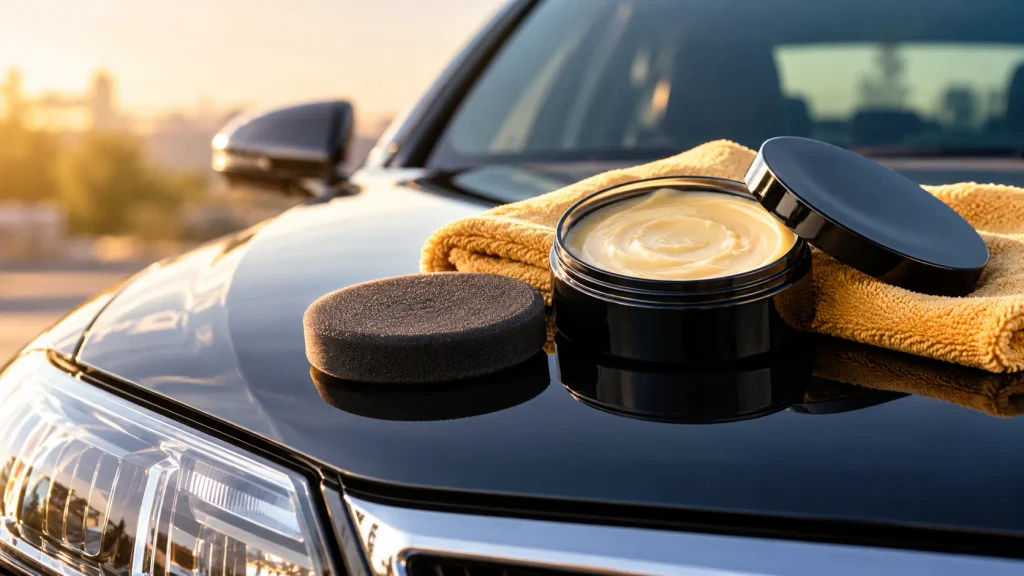
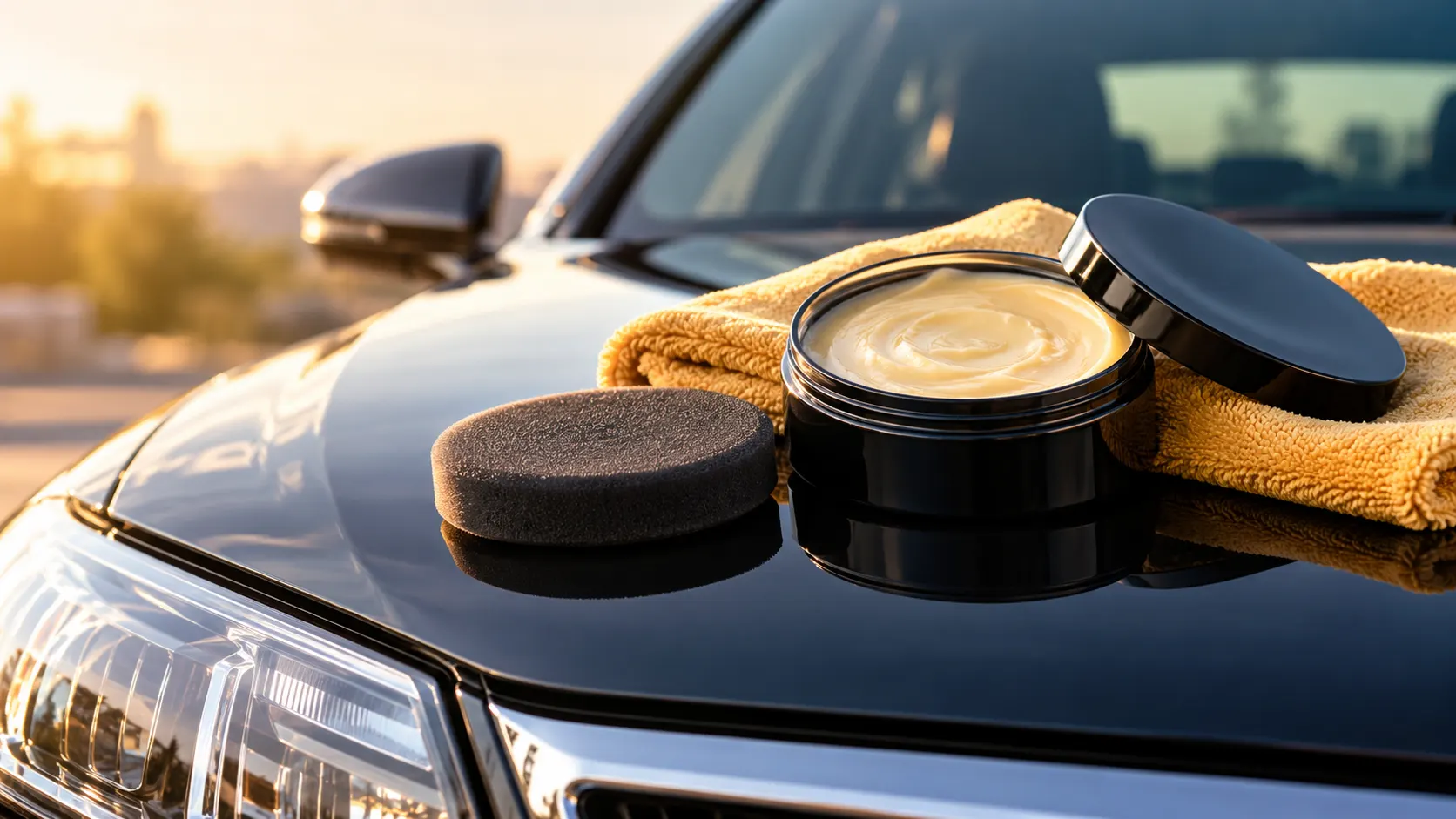
Carnauba wax is a traditional choice for vehicle owners who appreciate a warm, rich-looking finish. It is commonly available in paste and liquid formulations and can produce an attractive gloss on black, red, blue, white, and metallic paint.
Its primary appeal is appearance rather than maximum longevity. Depending on the formula and driving conditions, carnauba-based products may require more frequent reapplication than some synthetic alternatives.
Choose carnauba wax if you enjoy regular detailing and prioritize the appearance of your vehicle’s finish.
Synthetic Wax and Paint Sealants
Synthetic waxes and paint sealants use engineered ingredients to provide paint protection and a glossy finish. Many are designed to last longer than traditional carnauba products, although durability varies considerably between individual formulas.
These products are suitable for almost any paint color. They can be particularly practical for daily drivers exposed to rain, road grime, sunlight, and frequent washing.
Choose a synthetic formula if convenience, consistent protection, and reduced maintenance are more important to you than the traditional look associated with carnauba wax.
Hybrid and Ceramic-Infused Wax
Hybrid waxes combine different protective ingredients, while ceramic-infused products commonly incorporate silicon-based ingredients intended to improve water behavior and surface protection. Their actual performance depends on the formulation, so a ceramic label alone does not guarantee superior durability.
Some hybrid products also emphasize slickness, gloss, and easier cleaning. They can be a convenient choice for drivers who want a balance between appearance and maintenance.
Choose a hybrid wax when you want a straightforward product that offers the finish and protective characteristics you prefer without requiring a more involved detailing process.
How to Choose Car Wax for Different Paint Colors
Once you understand the available formulas, consider how each product complements your vehicle’s color. You generally do not need a completely different wax for every paint shade.
Black and Dark-Colored Cars
Black, dark blue, dark green, and other deep shades can show fine scratches and swirl marks more clearly than many lighter colors. For these vehicles, look for a wax that emphasizes gloss, depth, and a smooth-looking reflection.
Some products marketed for black or dark paint contain fillers or other appearance-enhancing ingredients that temporarily reduce the visibility of minor imperfections. They do not permanently remove scratches, and their effect depends on the product and condition of the paint.
Before waxing a dark vehicle, wash it thoroughly and inspect the paint under good lighting. Correcting noticeable swirl marks before application will generally produce a better result than relying on wax alone.
White and Silver Cars
White and silver vehicles usually do not need a specialized color-matching wax. A quality all-purpose wax or synthetic sealant can provide suitable protection and enhance the appearance of these finishes.
On white paint, pay particular attention to wax residue around badges, trim, panel gaps, and textured plastic. Some products can leave visible residue if they dry in crevices or are applied too heavily.
For silver paint, prioritize a clean surface and a product that produces the level of gloss and protection you want. Metallic flakes already influence how the finish reflects light, so a dedicated silver wax is rarely necessary.
Red, Blue, and Other Bright Colors
Bright paint colors can benefit from products that enhance gloss and preserve a clean, vibrant appearance. Red paint, for example, can look noticeably dull when its surface becomes contaminated, oxidized, or damaged by environmental exposure.
However, color alone does not determine how frequently you should wax a vehicle. The paint system, product formulation, exposure to sunlight, and maintenance routine all influence the results.
Choose a wax based on its protection, finish, and compatibility with your paint rather than assuming every bright-colored vehicle needs a special formula.
Metallic and Pearl Paint
Metallic and pearl finishes contain reflective particles that contribute to their distinctive appearance. A suitable wax can enhance the overall gloss, making the paint look cleaner and more refined.
There is generally no need to purchase a dedicated metallic-paint wax. Instead, select a product compatible with your vehicle’s finish and follow the manufacturer’s application instructions.
For metallic or pearl paint, careful surface preparation is particularly worthwhile because contamination and fine scratches can interfere with the finish’s clarity.
How to Choose Car Wax Based on Durability and Application
Paint color is only one part of choosing car wax. Your maintenance routine and the conditions your vehicle faces can be equally important.
Consider How Long the Wax Lasts
If you drive every day or park outdoors, you may prefer a product designed for longer-lasting protection. Synthetic sealants and some hybrid waxes can be practical choices, although no single durability estimate applies to every formula.
Check the manufacturer’s stated durability and consider your local conditions. Frequent rain, strong sunlight, harsh washing products, and repeated washing can affect how long a protective layer remains effective.
Choose a Formula That Fits Your Routine
Spray waxes are convenient for quick application and maintenance. Liquid waxes can be easier to spread evenly, while paste waxes appeal to drivers who prefer a traditional detailing process.
The product’s application requirements matter more than its packaging. A wax that is easy to apply correctly is often more practical than one that requires extensive effort you cannot consistently maintain.
Check Compatibility With Your Paint and Trim
Most automotive waxes are intended for finished automotive paint, but not every product is suitable for every surface. Some formulas can leave residue on unpainted plastic trim, matte finishes, or other sensitive materials.
Read the label before applying wax, especially if your vehicle has matte paint, vinyl wraps, satin finishes, or extensive exterior plastic trim. Use a product specifically approved for the relevant surface when necessary.
Does Paint Preparation Affect Your Wax Results?
Yes. Proper paint preparation helps wax produce a cleaner, more consistent finish, regardless of the vehicle’s color.
Begin by washing the car with a suitable automotive shampoo to remove loose dirt and road grime. If the paint still feels rough after washing, an appropriate decontamination treatment may help remove bonded contaminants. Follow the product instructions and use a clay bar only when needed, since claying can introduce light marring.
Inspect the paint before applying wax. If you notice swirl marks or light scratches, consider whether polishing is appropriate. Wax can temporarily hide some minor imperfections, but it does not permanently correct paint defects.
Once the surface is clean and dry, apply a thin, even layer of wax according to the manufacturer’s directions. Allow the product to haze or cure only as instructed, then remove residue with a clean microfiber towel if required.
Avoid applying excessive product. Thick layers generally make removal more difficult without necessarily providing better protection.
Common Mistakes to Avoid When Choosing Car Wax
Selecting a suitable wax is easier when you avoid a few common mistakes.
- Choosing wax based only on color: A black-car wax is not automatically better than a quality all-purpose product.
- Expecting wax to repair scratches: Wax may temporarily reduce the visibility of minor imperfections, but it cannot replace proper paint correction.
- Ignoring durability: A product that produces excellent gloss may not be the best option if you want less frequent maintenance.
- Applying too much wax: Thick applications can leave streaks, residue, and uneven-looking patches.
- Using products on incompatible surfaces: Always check whether the formula is suitable for your paint type and exterior trim.
- Assuming all ceramic waxes perform equally: Formulation and application requirements matter more than the marketing label alone.
Avoiding these mistakes helps you spend money on a product that meets your actual needs instead of relying on color-specific claims.
Frequently Asked Questions
How do I choose car wax for my paint color?
Start by identifying your paint color, then consider the finish, durability, application method, and protection you need. Dark-colored cars may benefit visually from waxes that enhance depth and temporarily mask minor imperfections, while white and silver cars usually work well with general-purpose formulas.
Is black car wax better than regular car wax?
Not necessarily. Black car wax may contain ingredients intended to enhance dark paint or temporarily reduce the visibility of minor imperfections. However, a quality general-purpose wax can also provide excellent protection and gloss on black paint.
Do white cars need special wax?
No. Most white cars can use a quality all-purpose wax, synthetic sealant, or suitable hybrid product. Apply it carefully and remove residue from trim gaps before it becomes difficult to clean.
Which car wax lasts the longest?
Longevity depends on the specific product, environmental exposure, and maintenance routine. Some synthetic sealants and hybrid formulas are designed for extended protection, but you should compare the manufacturer’s durability claims rather than assuming all products of one type perform identically.
Can I use the same car wax on different paint colors?
Yes, provided the product is compatible with the vehicle’s paint and finish. A suitable general-purpose automotive wax can usually be used on multiple paint colors without needing a separate formula for each shade.
Does car wax change the actual color of my paint?
Ordinary car wax is intended to protect and enhance the appearance of the existing finish, not permanently change its color. Some colored waxes use pigments, fillers, or appearance-enhancing ingredients, but they are not substitutes for automotive paint or permanent scratch repair.
Should I wax a car before polishing it?
If polishing is needed, perform it before applying wax. Washing and appropriate decontamination should come first, followed by polishing when necessary and then waxing. This sequence helps the protective product adhere to a properly prepared surface.
How often should I wax my car?
Follow the product manufacturer’s recommendations and pay attention to your vehicle’s exposure and washing routine. Some products require relatively frequent reapplication, while others are designed to last longer. Paint color alone does not determine the correct waxing interval.
Final Thoughts
Learning how to choose car wax is about balancing paint appearance, protection, durability, and ease of maintenance. Dark-colored vehicles can benefit from gloss-enhancing products that help minimize the appearance of minor imperfections, while white, silver, red, and metallic finishes can generally use suitable all-purpose waxes or sealants.
For most drivers, the best approach is to choose a product compatible with the vehicle’s finish, prepare the paint properly, and apply the wax according to the manufacturer’s instructions. Rather than buying a wax solely because its label matches your car’s color, focus on the features that matter most for your driving conditions and detailing routine.