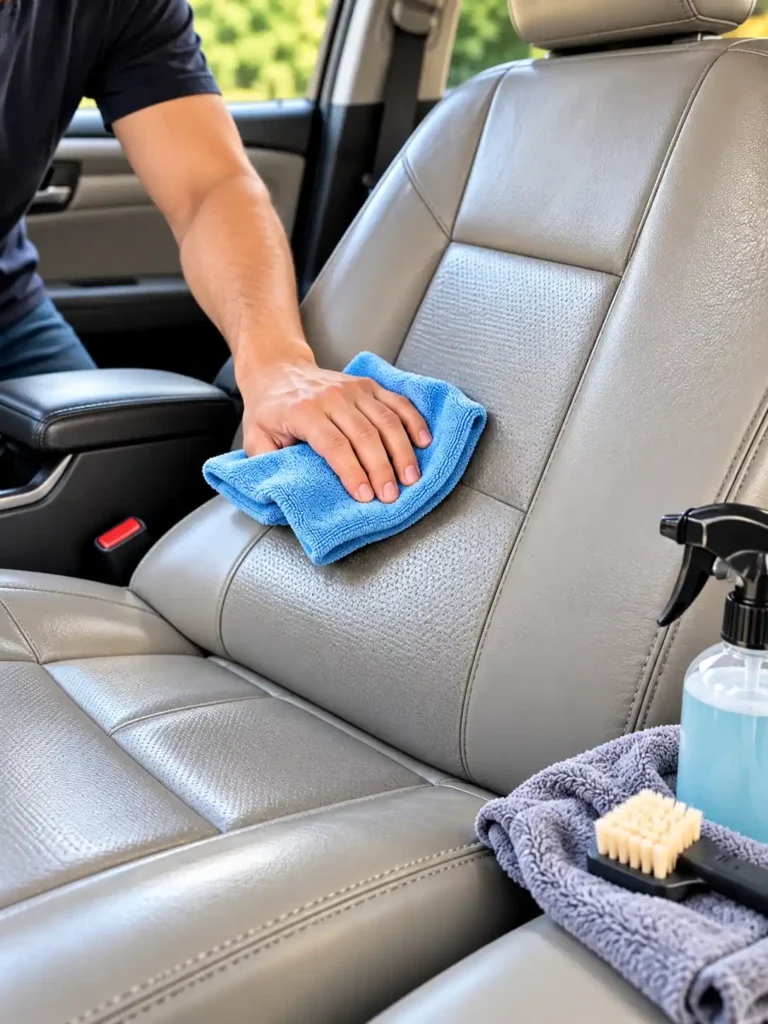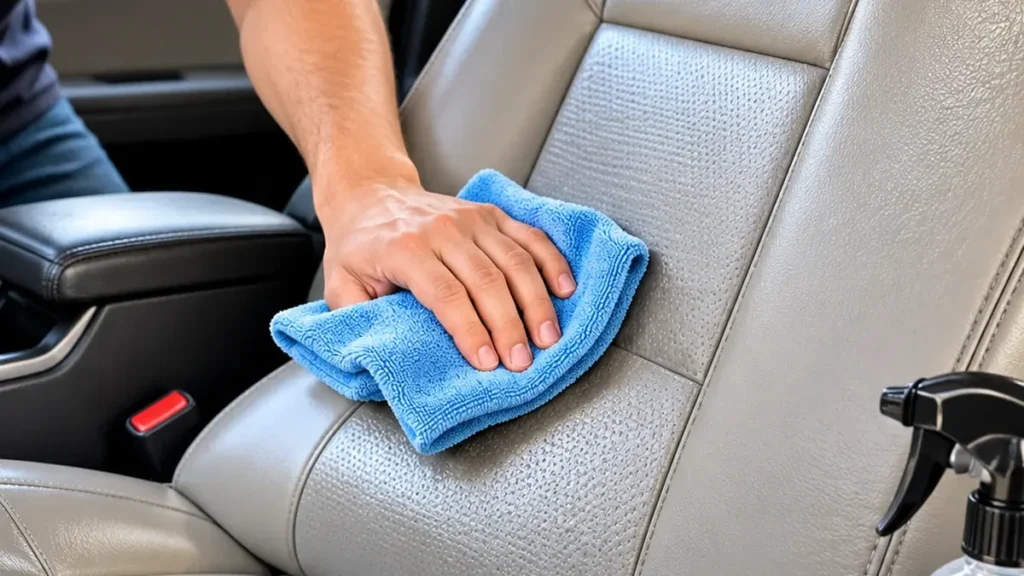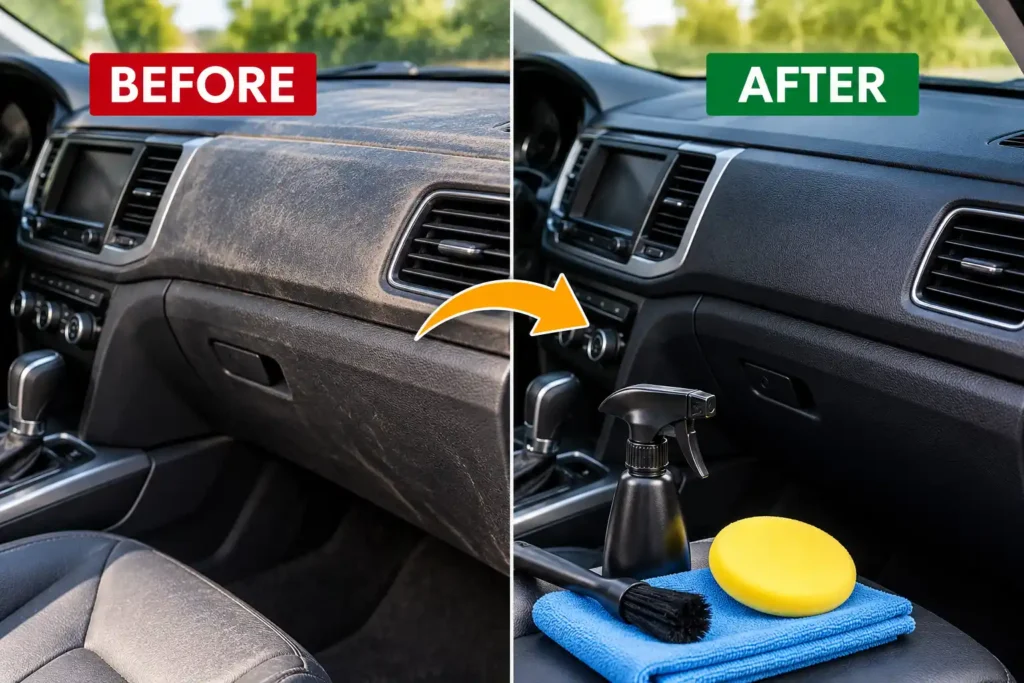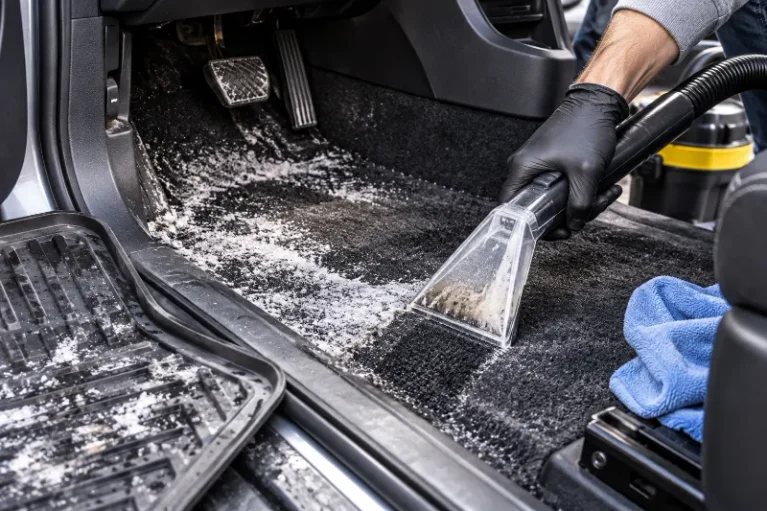
To get salt out of car carpet, start by removing loose, dry salt with a thorough vacuum, then treat the remaining white residue with a diluted cleaning solution, blot or extract the dissolved salt, and allow the carpet to dry completely. For stubborn buildup, repeat the cleaning process or use an appropriate carpet extractor rather than scrubbing aggressively. Road salt gets tracked into vehicles on boots throughout winter and can leave behind the familiar chalky white residue that becomes especially noticeable on dark carpet and floor mats.
Salt stains aren’t just a cosmetic problem. Road salt can contribute to vehicle corrosion when it reaches vulnerable metal surfaces, while repeated moisture and contamination inside the cabin can also contribute to unpleasant odors if carpet and mats aren’t allowed to dry properly. Regular cleaning throughout the winter season helps keep salt buildup under control and makes stubborn deposits easier to remove.
In this guide, you’ll learn how to get salt out of car carpet using a practical cleaning process, how to clean carpet versus rubber floor mats, when an extractor or steam cleaner may help, and how to reduce salt buildup throughout the winter season.
Why Does Road Salt Get Into Car Carpet So Easily?
Road salt and deicing materials are easily carried into a vehicle on wet boots, shoes, and clothing during winter. As the moisture evaporates, dissolved salt can remain behind on carpet fibers and floor mats as a visible white or chalky residue.
The problem becomes more noticeable when salt and moisture are repeatedly tracked into the same areas. Lower sections of the carpet and the driver’s floor mat typically receive the most exposure because they experience the most foot traffic.
Road salt is also associated with accelerated corrosion on vehicles when salt solution reaches exposed or vulnerable metal surfaces, which is one reason winter salt should be removed regularly rather than allowed to accumulate.
What Is the Best Way to Get Salt Out of Car Carpet?
The basic process is to vacuum away loose salt first, apply a suitable diluted cleaning solution to the remaining residue, gently agitate if necessary, and then blot or extract the moisture and dissolved salt from the carpet. Avoid soaking the carpet unnecessarily because leaving excessive moisture in the backing can make drying more difficult.
For light salt residue, several controlled cleaning passes are usually better than aggressively scrubbing the area. If the residue keeps returning after cleaning, additional extraction may be necessary because dissolved salt can remain deeper in the carpet or backing and migrate toward the surface as the area dries.
What You’ll Need
Before cleaning salt stains from your car carpet, gather:
- A vacuum cleaner
- Clean microfiber towels or absorbent cloths
- Distilled white vinegar
- Clean water
- A spray bottle
- A soft carpet or upholstery brush
- A wet-dry vacuum or carpet extractor for stubborn buildup
- Clean, dry towels for final drying
Always check the vehicle and carpet manufacturer’s care recommendations before applying a cleaning solution, and test the solution on an inconspicuous area first.
Step-by-Step: How to Get Salt Out of Car Carpet
The cleaning process is relatively simple when the salt buildup is caught early. Start with dry removal because loose salt is easier to vacuum than to dissolve into the carpet. Then use a controlled amount of cleaning solution, remove the dissolved residue, and focus on thorough drying before returning the vehicle to normal use.
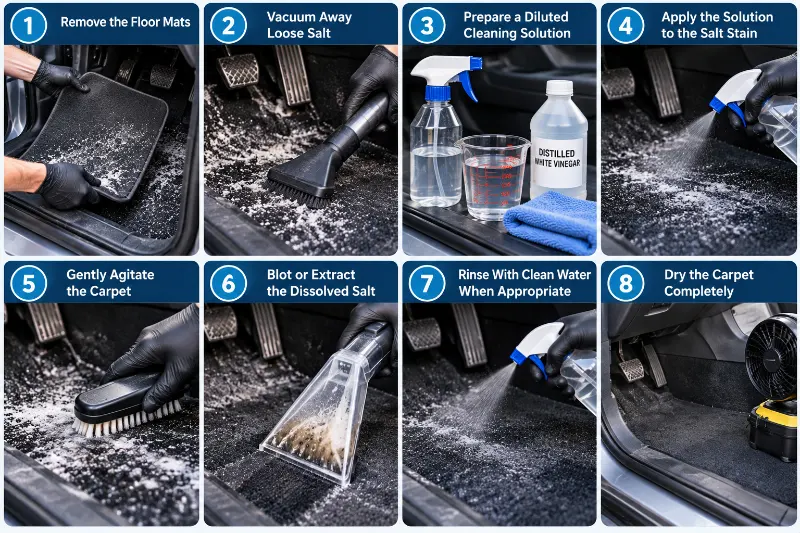
1. Remove the Floor Mats
Take the floor mats completely out of the vehicle before cleaning them.
This prevents loosened salt and moisture from being transferred back onto the vehicle’s carpet while you’re working. It also gives you better access to the carpet underneath the mats.
Clean carpeted mats separately from the vehicle’s built-in carpet, and treat rubber or all-weather mats according to their material.
2. Vacuum Away Loose Salt
Vacuum the carpet and floor mats thoroughly before applying any liquid.
Use slow passes over visibly contaminated areas and pay particular attention to seams, edges, and areas around the driver’s footwell where dry salt can collect.
Removing loose salt first prevents you from turning a large amount of dry residue into a wet slurry that is harder to extract.
3. Prepare a Diluted Cleaning Solution
A diluted solution of distilled white vinegar and water can be used as one option for treating visible salt residue on suitable automotive carpet.
A practical starting point is equal parts distilled white vinegar and water, although a less concentrated mixture may be appropriate for sensitive materials. Always test an inconspicuous area first.
The important point is that the solution should be used in a controlled amount rather than saturating the entire carpet.
4. Apply the Solution to the Salt Stain
Lightly spray the solution over the affected area rather than soaking the carpet.
Allow it to sit briefly so the residue can become loosened and easier to remove. Salt itself is readily soluble in water, so the primary purpose of the liquid is to dissolve and lift the residue rather than chemically destroy the salt crystals.
For particularly heavy deposits, a second controlled application may work better than flooding the carpet with cleaning solution.
5. Gently Agitate the Carpet
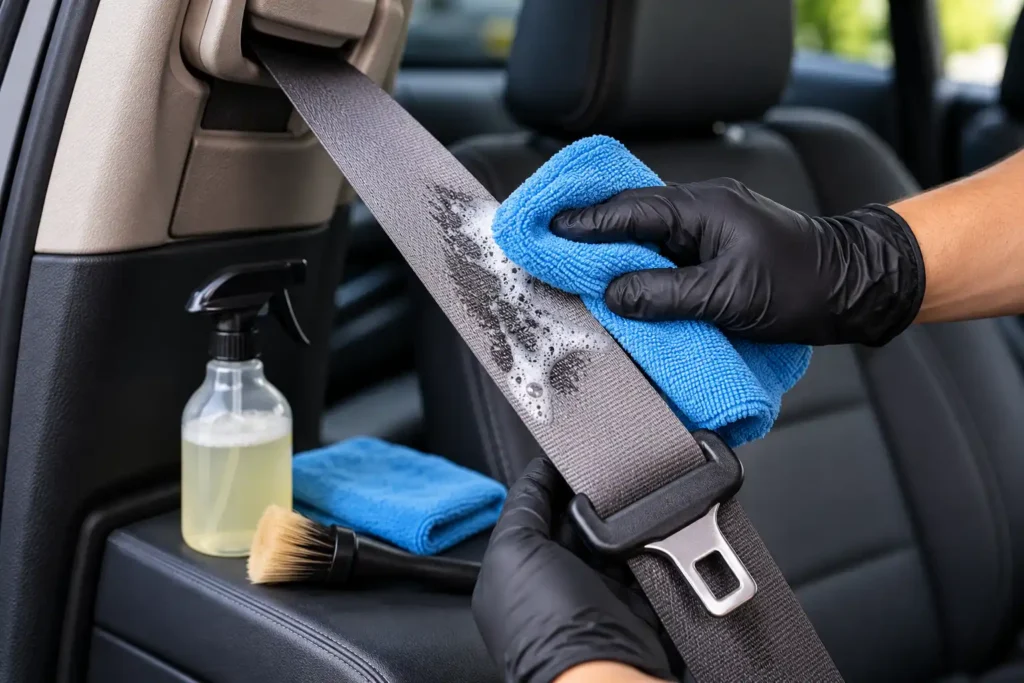
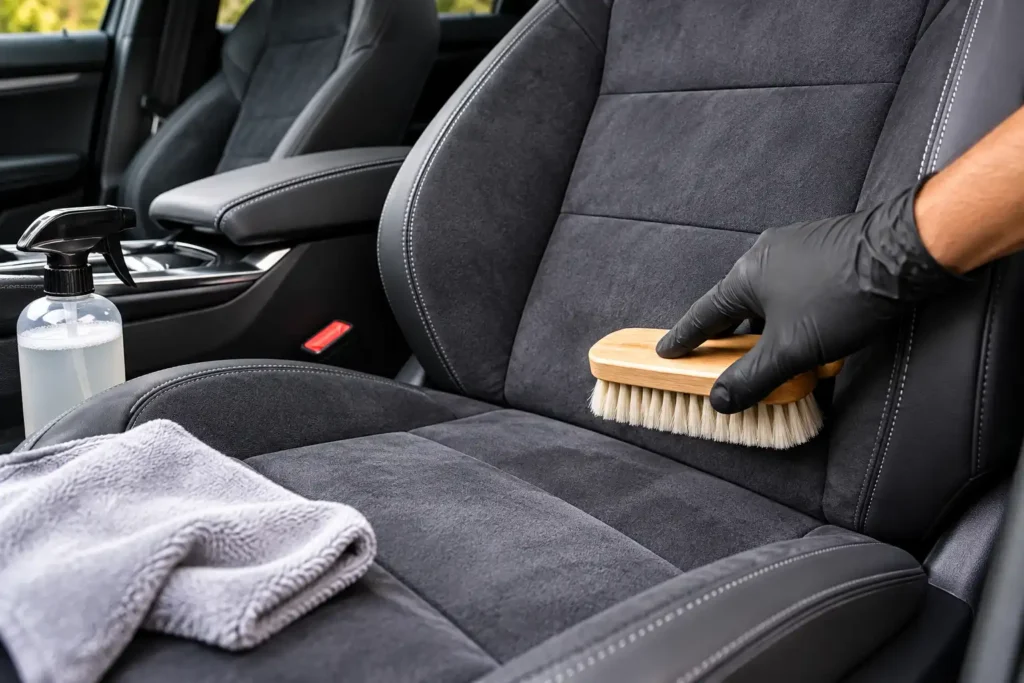
Use a soft carpet or upholstery brush to work the solution into the affected fibers.
Use light pressure and short passes rather than aggressively scrubbing the carpet. Excessive agitation can wear carpet fibers without necessarily improving the cleaning result.
For delicate carpet, blotting with a clean microfiber towel may be preferable to brushing.
6. Blot or Extract the Dissolved Salt
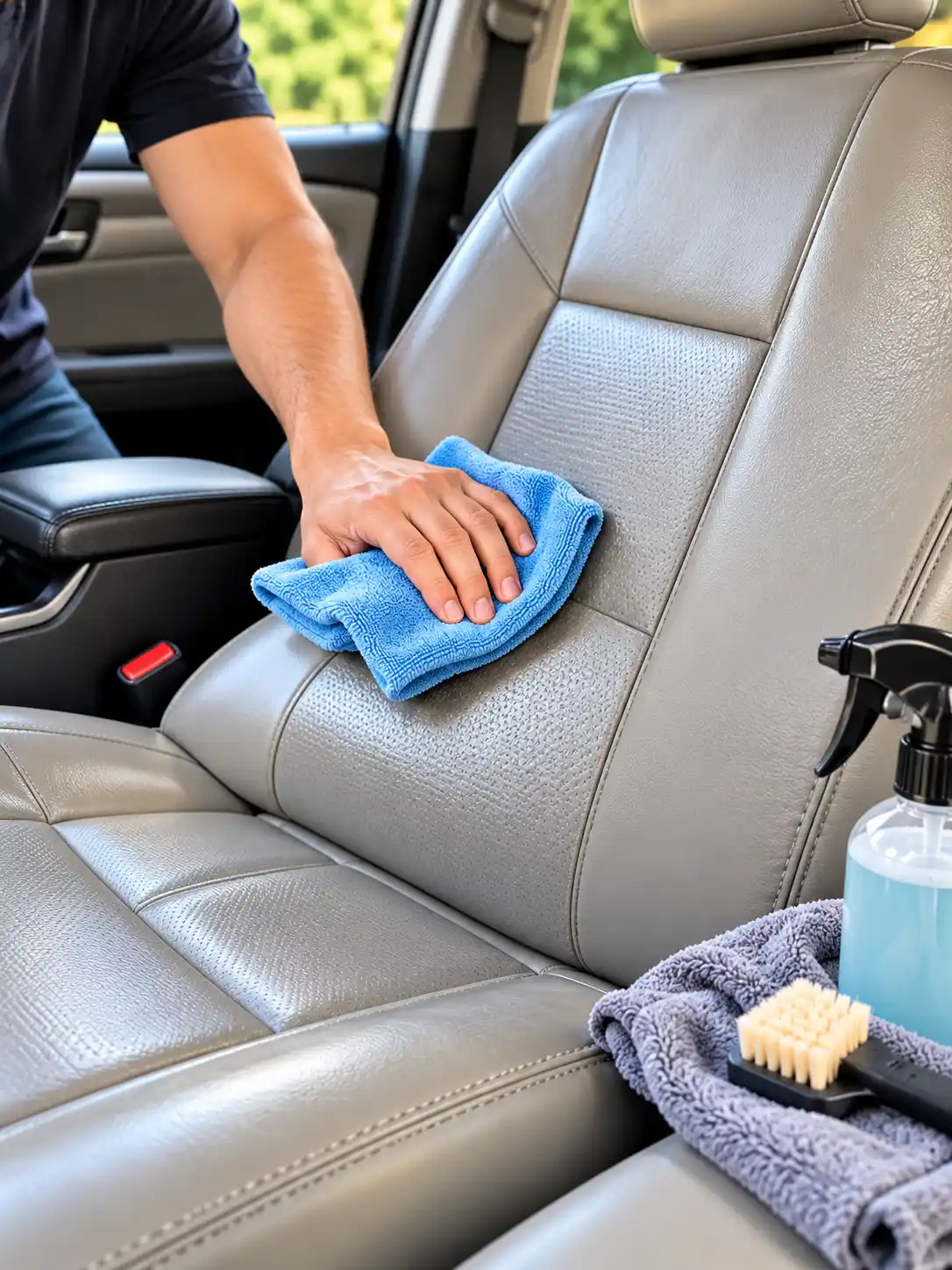
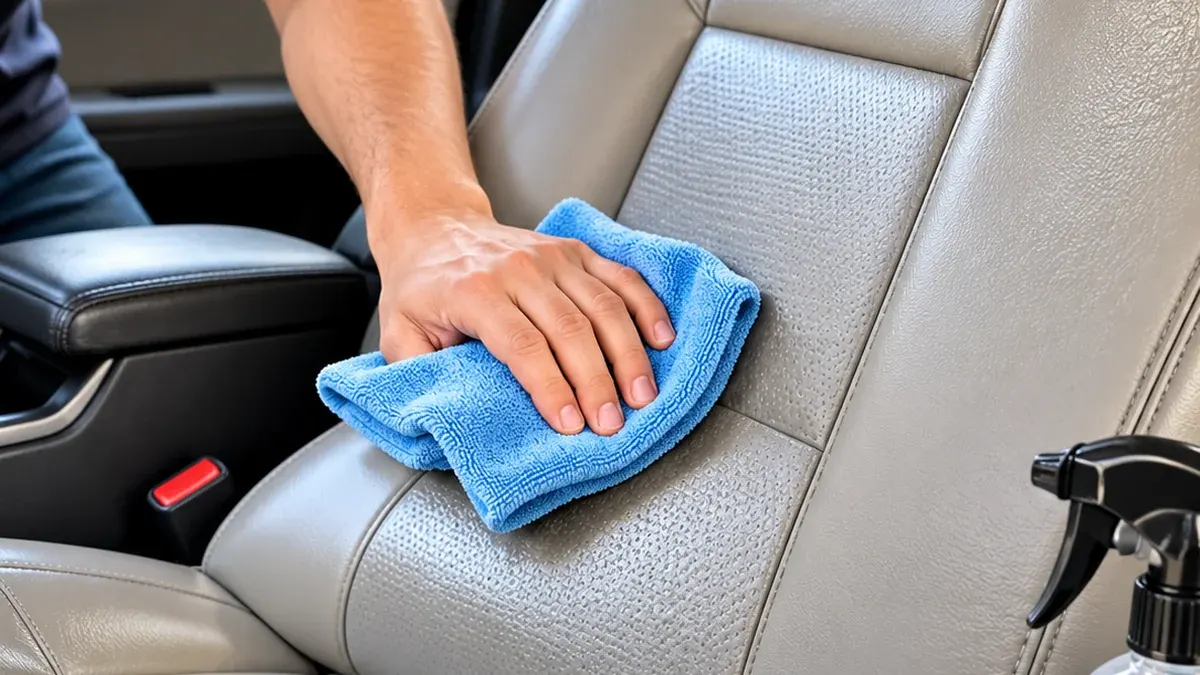
Once the residue has been loosened, blot the area with a clean, absorbent microfiber towel.
For heavier salt buildup, use a wet-dry vacuum or carpet extractor to remove the dissolved salt and cleaning solution from the carpet.
Continue extracting until you have removed as much moisture and residue as practical.
If salt reappears as the carpet dries, that usually indicates that some dissolved residue remains deeper in the carpet or backing. Repeat the cleaning and extraction process rather than simply adding more cleaning solution.
7. Rinse With Clean Water When Appropriate
After using a vinegar-based solution, a light application of clean water can help remove remaining cleaning solution and dissolved residue.
Do not flood the carpet. Apply only enough clean water to rinse the treated area, then extract or blot it thoroughly.
This step is particularly useful when you can still detect cleaning solution in the carpet after the initial treatment.
8. Dry the Carpet Completely
Drying is one of the most important parts of the process.
Use fans, open doors or windows when conditions allow, and make additional extraction passes if the carpet remains noticeably damp.
Do not reinstall wet carpet mats or close the vehicle up while the carpet is still damp. Allow everything to dry completely before returning the vehicle to normal use.
How Does the Cleaning Process Differ for Carpet Versus Rubber Mats?
Carpeted floor mats and the vehicle’s built-in carpet require more careful moisture control because their fibers and backing can retain cleaning solution and water.
Rubber and all-weather mats are much easier to clean because their non-porous surfaces generally allow salt, dirt, and water to be removed more thoroughly.
For rubber mats, remove loose debris first, rinse away the salt with clean water, and use mild soap and a suitable brush if additional cleaning is needed. Rinse thoroughly afterward and allow the mats to dry before reinstalling them.
This difference is one reason many drivers in areas with heavy winter road salt switch to rubber or all-weather mats during the winter months.
When Does an Extractor or Steam Cleaner Become Useful?
A carpet extractor can be particularly useful when salt has been repeatedly tracked into the carpet and simple spot cleaning no longer removes the residue completely. Extraction allows you to introduce a controlled amount of cleaning solution and then remove much of that liquid along with the loosened contamination.
Steam cleaning can also be useful for some automotive carpet-cleaning applications, but it should not be treated as automatically better for every salt stain. The main goal is still to dissolve and remove the residue while controlling moisture.
Whatever cleaning method you use, extraction and drying matter because leaving automotive carpet excessively wet can contribute to lingering odors and other moisture-related problems.
How Can You Reduce Salt Buildup During Winter?
Using dedicated all-weather rubber floor mats during winter gives salt and moisture an easier-to-clean surface instead of allowing them to accumulate directly in carpet fibers.
You can also reduce salt buildup by removing snow and heavily contaminated material from your footwear before entering the vehicle whenever practical.
Vacuuming loose, dry salt regularly throughout the winter is another simple preventive step. Removing the residue before it becomes heavily embedded means each cleaning session requires less moisture and less agitation.
Regular maintenance is much easier than waiting until several months of accumulated salt have formed stubborn deposits throughout the carpet.
Frequently Asked Questions About Getting Salt Out of Car Carpet
How do you get white salt stains out of car carpet?
To get white salt stains out of car carpet, vacuum the loose residue first, apply a suitable diluted cleaning solution, gently agitate or blot the affected area, and then extract or blot away the dissolved salt and moisture. Allow the carpet to dry completely and repeat the process if residue returns.
Can I use vinegar to remove salt from car carpet?
Yes, a diluted distilled white vinegar solution can be used as one cleaning option for salt residue on suitable automotive carpet. However, salt is water-soluble, so the important part of the process is dissolving and physically removing the residue rather than relying on vinegar to chemically break down the salt.
Always test the solution on an inconspicuous area before treating a visible section.
Can I use hot water to remove salt stains from car carpet?
Warm water can help dissolve salt, but there is no need to use extremely hot water. Excessive heat can be inappropriate for some carpet materials, backing, adhesives, or nearby interior components.
Use a controlled amount of clean water or an appropriate cleaning solution, then remove the moisture through blotting or extraction.
Why does the salt stain come back after I clean it?
A salt stain that reappears after cleaning can indicate that dissolved salt remains deeper in the carpet or backing. As the area dries, that residue can migrate back toward the surface and form another visible deposit.
A more thorough extraction and drying process can help remove more of the remaining dissolved salt.
Can baking soda remove salt stains from car carpet?
Baking soda is not necessary for removing salt itself because salt dissolves readily in water. Adding baking soda can also leave its own powdery residue if it is not thoroughly removed.
For salt stains, focus on dissolving the residue with an appropriate amount of water or cleaning solution and then physically removing it through blotting or extraction.
How often should winter floor mats be cleaned?
During periods of heavy road-salt use, inspect the mats regularly and clean visible buildup before it becomes heavily embedded. The exact frequency depends on how often the vehicle is driven in salted conditions and how much salt is tracked inside.
A quick vacuum and spot cleaning between deeper cleanings can keep the buildup manageable throughout winter.
Final Thoughts
Learning how to get salt out of car carpet is mostly about removing the residue without adding unnecessary moisture. Start by vacuuming loose salt, treat the remaining deposits with a controlled amount of cleaning solution, blot or extract the dissolved residue, and make sure the carpet and mats dry completely.
For carpeted surfaces, avoid aggressive scrubbing and excessive water. Rubber and all-weather mats can generally handle more thorough rinsing, making them particularly practical during winter.
Most importantly, don’t wait until the end of winter to deal with heavy salt buildup. Regular vacuuming and spot cleaning throughout the season make the job easier and help keep your car’s interior cleaner and drier.