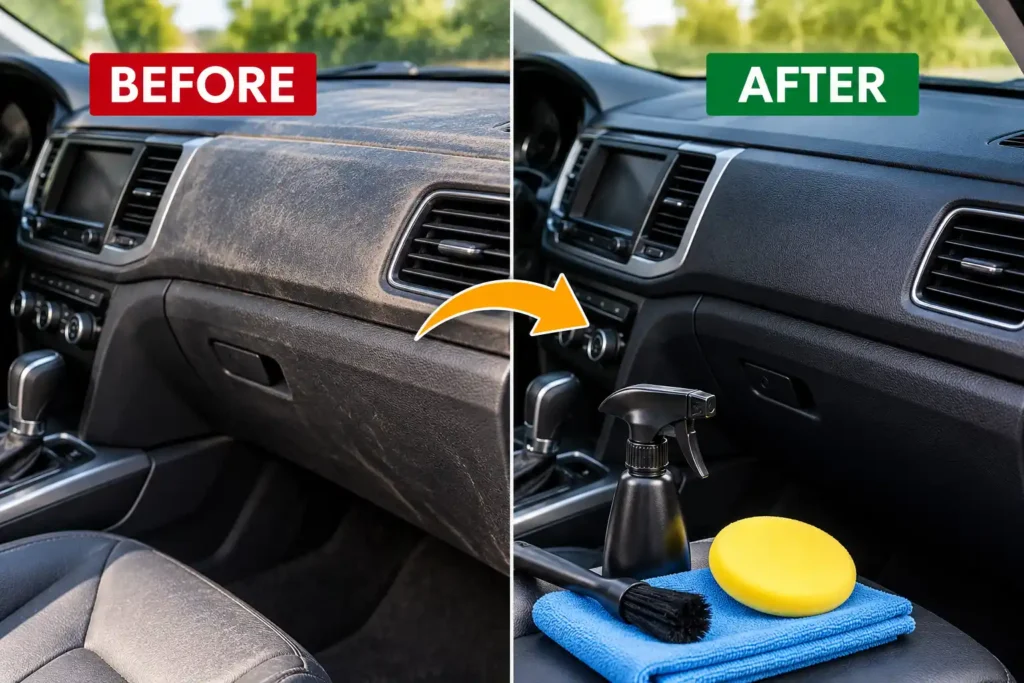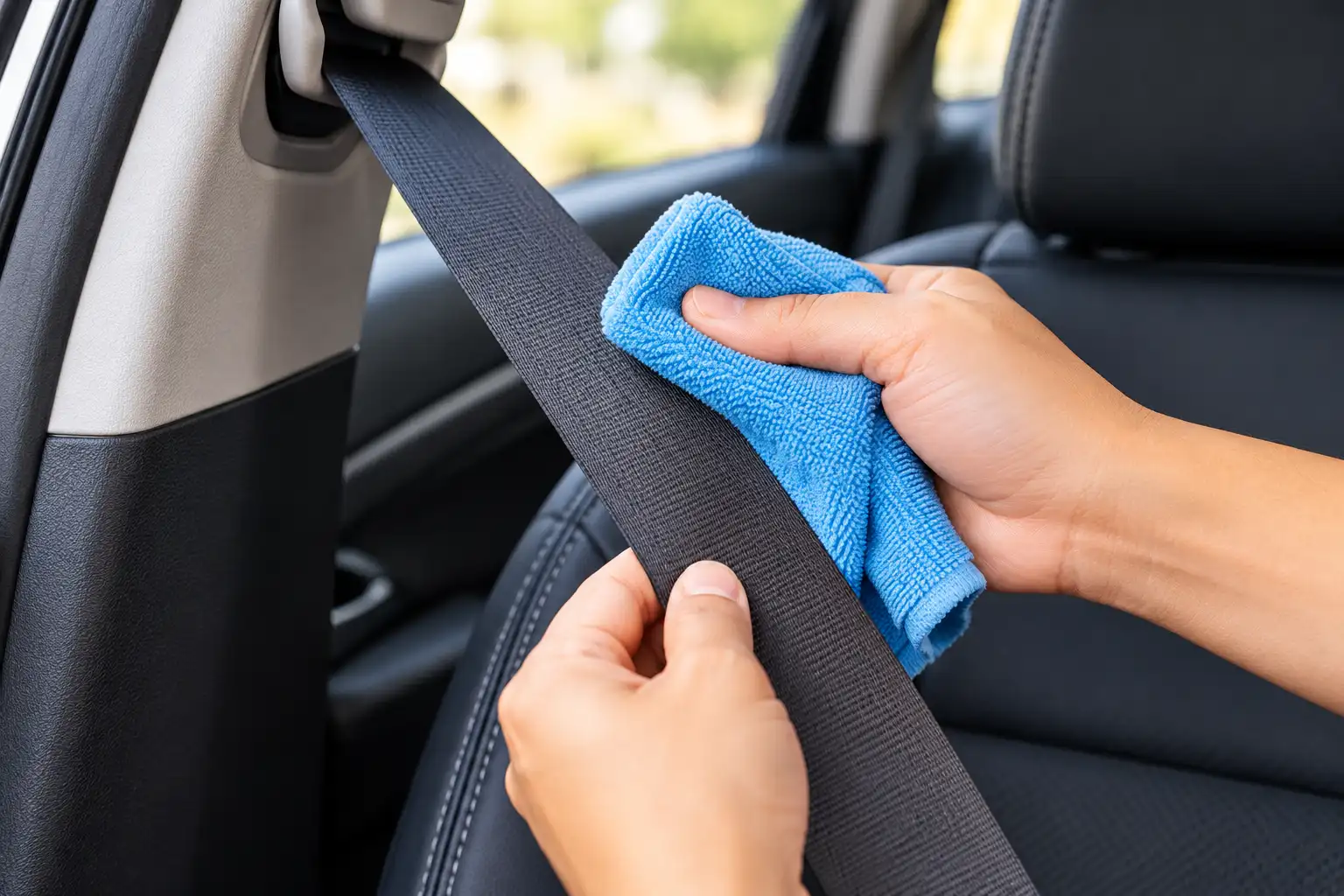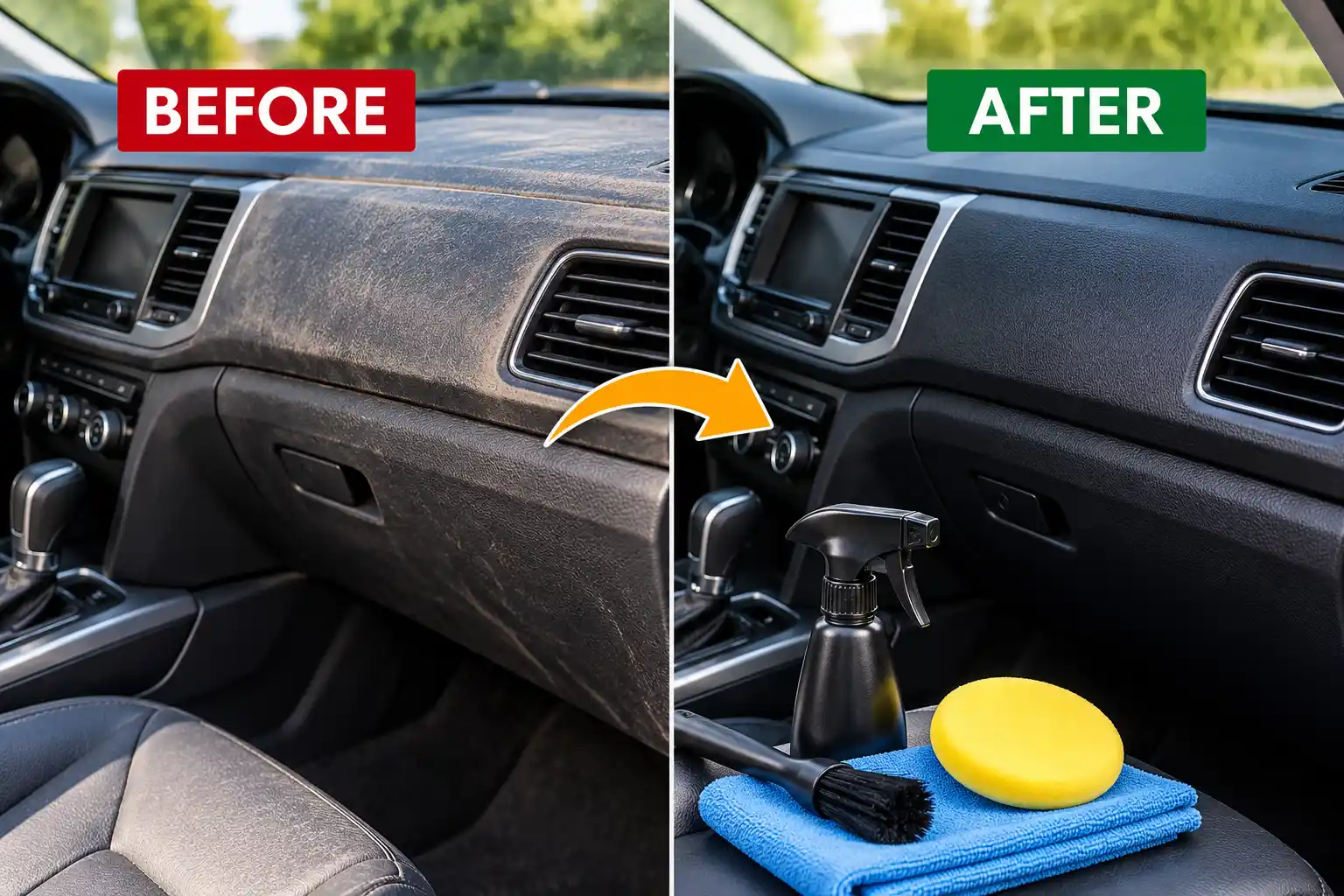
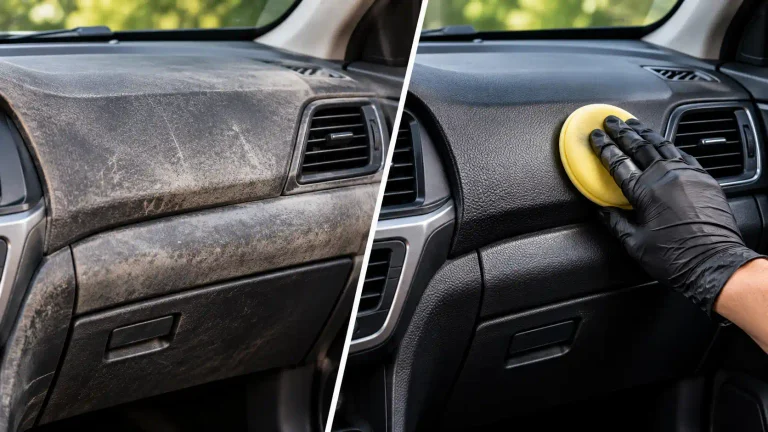
You can restore faded car interior plastic by first cleaning the surface thoroughly, then applying a plastic restorer or protectant that is specifically suitable for the material and finish. This process can improve the appearance of faded dashboards, door panels, center consoles, and other hard plastic trim, but severely cracked, warped, or brittle plastic may need repair or replacement instead.
Interior plastic can become dull, gray, or faded because of UV exposure, heat, dirt, body oils, cleaning residue, and normal aging. Before applying a restoration product, it is important to determine whether the surface is actually faded or simply dirty. Cleaning first also gives the restorer a more even surface to work on.
This guide explains how to restore faded car interior plastic, how to prepare the surface, which restoration methods make sense, what mistakes to avoid, and how to protect the plastic from further fading.
What Causes Car Interior Plastic to Fade?
Car interior plastic can fade because of prolonged UV exposure, heat, environmental exposure, and normal material aging. Surface contamination can also make plastic look dull or gray even when the material itself has not significantly faded.
The dashboard and upper interior trim are particularly exposed to sunlight through the windshield, while lower door panels and shaded areas may retain their original appearance for longer.
UV Exposure
Ultraviolet radiation can contribute to polymer degradation and discoloration over time. Automotive interior plastics are therefore designed with UV stability in mind, but prolonged exposure can still contribute to visible aging.
The effect varies according to the type of plastic, its formulation, surface coating, exposure level, and vehicle environment.
Heat and Sun Exposure
Heat can contribute to the aging of polymer materials, particularly when combined with UV exposure. A vehicle that spends long periods parked in direct sunlight can therefore experience more interior material aging than one that is normally parked in a garage or shaded location.
This does not mean every plastic surface will deteriorate at the same rate. Different materials and finishes can respond differently to heat and sunlight.
Dirt, Oils, and Old Interior Products
Not every gray-looking dashboard is actually faded.
Dust, fingerprints, skin oils, food residue, and old interior dressing can create a dull or uneven appearance. Cleaning the surface first helps determine whether you are dealing with contamination or genuine fading.
How Can You Tell If Car Plastic Is Faded or Just Dirty?
If thorough cleaning restores most of the original appearance, the surface was primarily dirty. If the plastic remains gray, dull, or chalky after cleaning, it may have experienced actual fading or material degradation.
Look for these differences before buying a restoration product.
Signs the Plastic Mainly Needs Cleaning
The surface may simply need cleaning if you notice:
- Dust or dirt that wipes away easily
- Fingerprints and oily marks
- Sticky residue from old dressing
- Dirt trapped inside textured plastic
- Uneven areas that improve significantly after cleaning
- A normal color underneath the contamination
Signs the Plastic Is Actually Faded
The plastic is more likely to be genuinely faded if:
- It remains gray after thorough cleaning
- The color is noticeably lighter than protected areas
- Sun-exposed sections look different from shaded sections
- The surface has developed a chalky appearance
- Cleaning removes dirt but does not restore the original color
Signs of Physical Damage
Cracking, warping, severe brittleness, peeling coatings, or structural damage are different problems.
A plastic restorer may improve the surrounding appearance, but it should not be treated as a structural repair product.
What Do You Need to Restore Faded Car Interior Plastic?
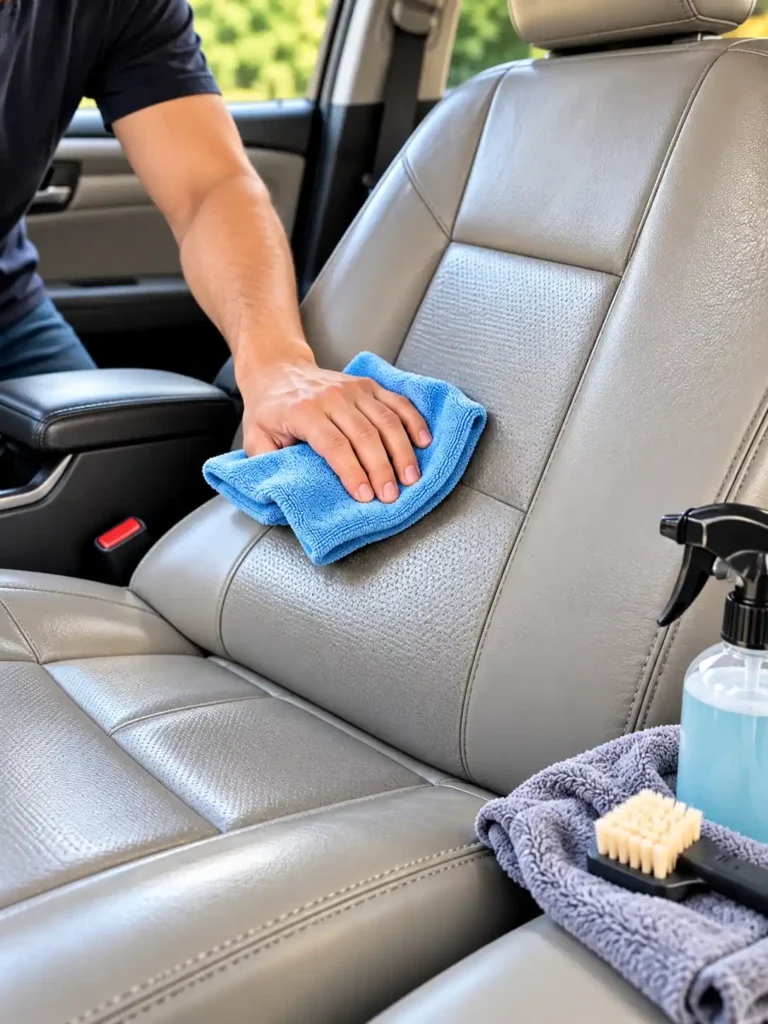
You do not need a large detailing setup to restore basic interior plastic. A few suitable cleaning and application tools are normally enough.
Basic Supplies
- Microfiber towels
- Soft detailing brush
- Interior cleaner suitable for plastic
- Foam or microfiber applicator
- Plastic restorer or interior protectant
- Clean water when appropriate
- Good lighting for inspecting the finished surface
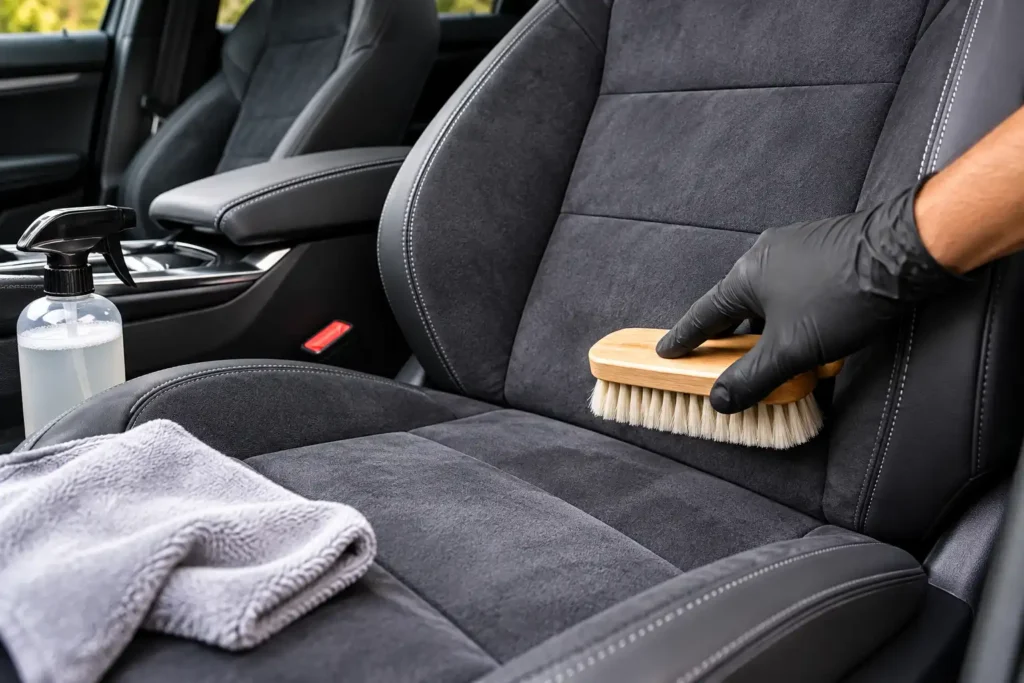
A soft detailing brush is especially useful for textured dashboards, door panels, vents, seams, and other areas where a microfiber towel cannot reach effectively.
How to Restore Faded Car Interior Plastic
The basic process is simple: clean the plastic, allow it to dry, test the restoration product, apply it evenly, remove excess product, and inspect the finished surface.
Working in small sections gives you better control and makes it easier to correct uneven application.
Step 1: Remove Loose Dust and Debris
Start by removing loose dust, crumbs, and debris from the plastic surface.
Use a microfiber towel, soft detailing brush, or suitable vacuum attachment depending on the location.
Pay particular attention to:
- Dashboard seams
- Air vents
- Door-panel grooves
- Around switches
- Center-console edges
- Cup holders
- Textured plastic
Removing loose contamination first prevents you from rubbing unnecessary debris across the surface during cleaning.
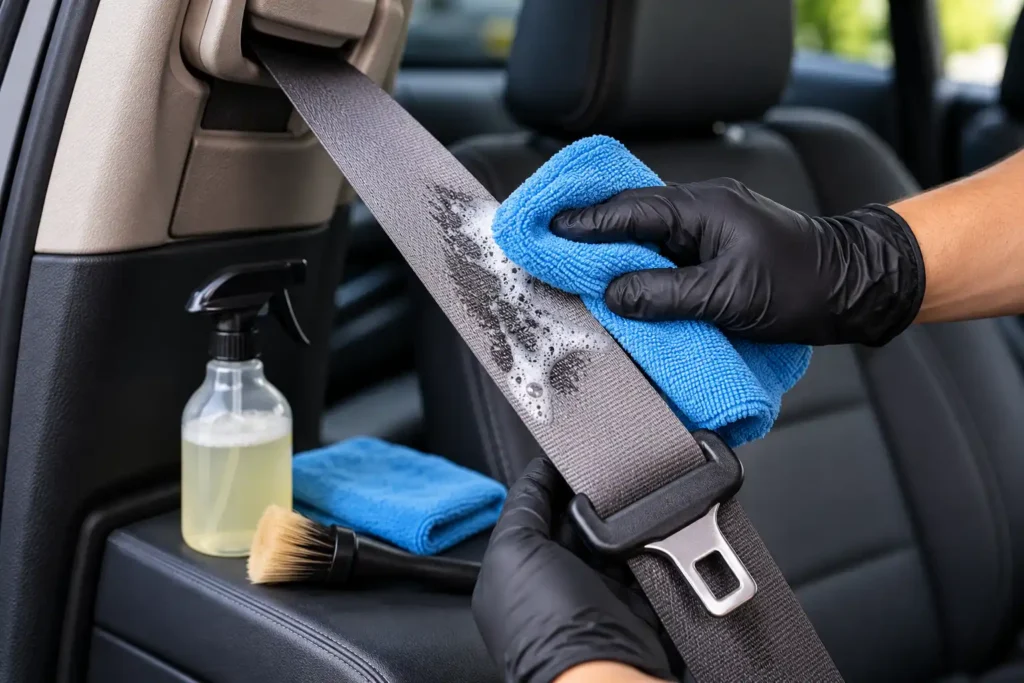
Step 2: Clean the Plastic Thoroughly
Use an interior cleaner that is suitable for the plastic or trim you are treating.
Apply the cleaner according to its instructions and gently agitate textured areas with a soft detailing brush.
Do not use excessive force. The objective is to remove dirt, oils, and old residue rather than aggressively scrub the plastic.
CarCareGuy’s interior detailing guidance similarly recommends matching the cleaning product to the material rather than assuming one cleaner is suitable for every surface.
Step 3: Remove the Cleaner and Residue
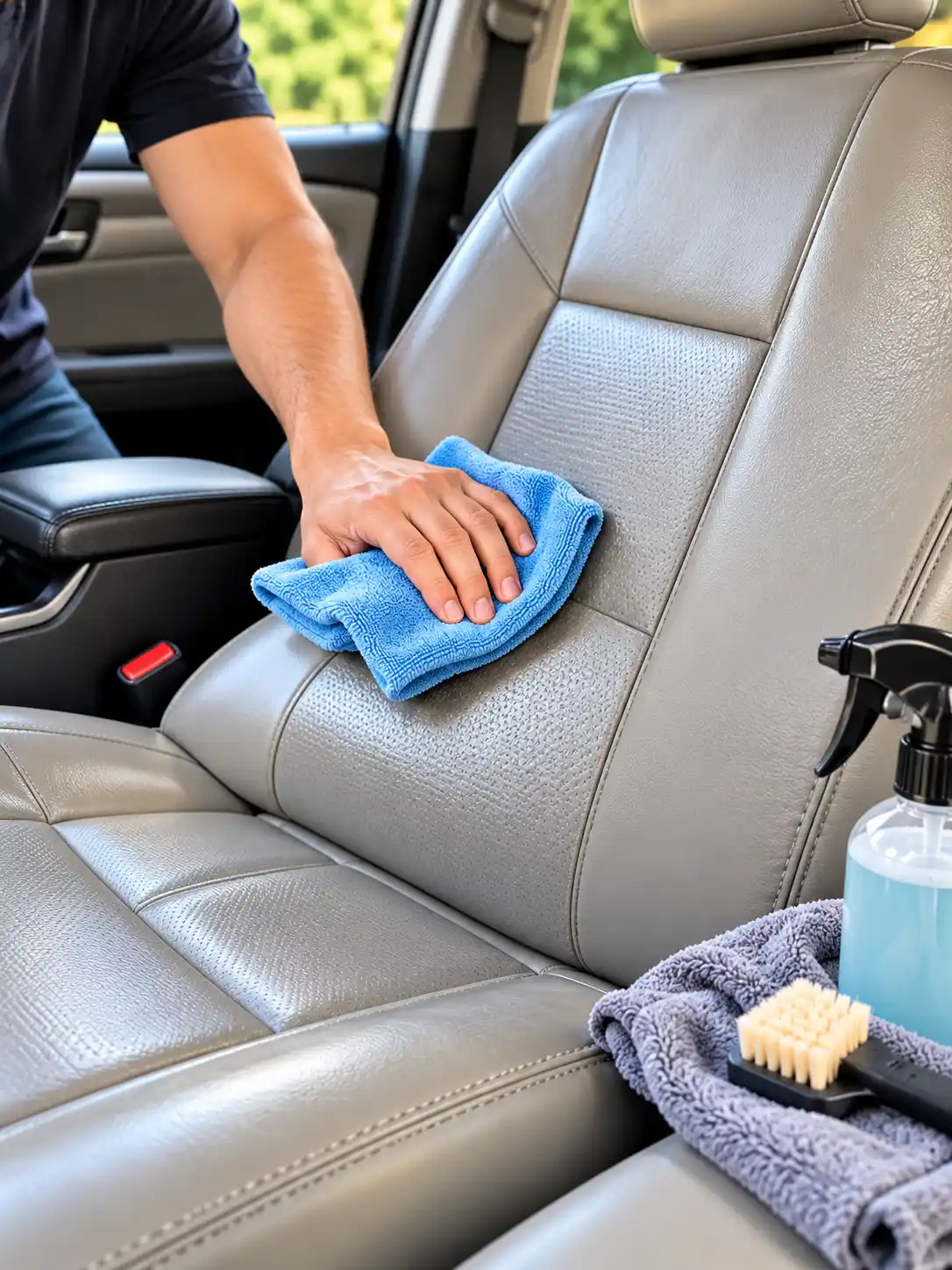
Wipe the surface with a clean microfiber towel until visible cleaner and residue have been removed.
If the towel becomes dirty, use a clean section or another towel rather than spreading the contamination back across the panel.
Step 4: Allow the Plastic to Dry
Let the surface dry completely unless the restoration product specifically gives different instructions.
A clean, dry surface makes it easier to apply the product evenly and identify any remaining contamination.
Do not rush directly from cleaning to restoration without checking the surface.
Step 5: Test the Restorer in a Hidden Area
Before treating the entire dashboard or door panel, test the product in an inconspicuous location.
This is especially important when the vehicle has unusual textures, coatings, soft-touch finishes, or older plastic.
Check the test area for:
- Color change
- Excessive gloss
- Streaking
- Uneven appearance
- Residue
- Any unexpected surface reaction
If the result is not acceptable, do not continue across the visible surface.
Step 6: Apply the Plastic Restorer
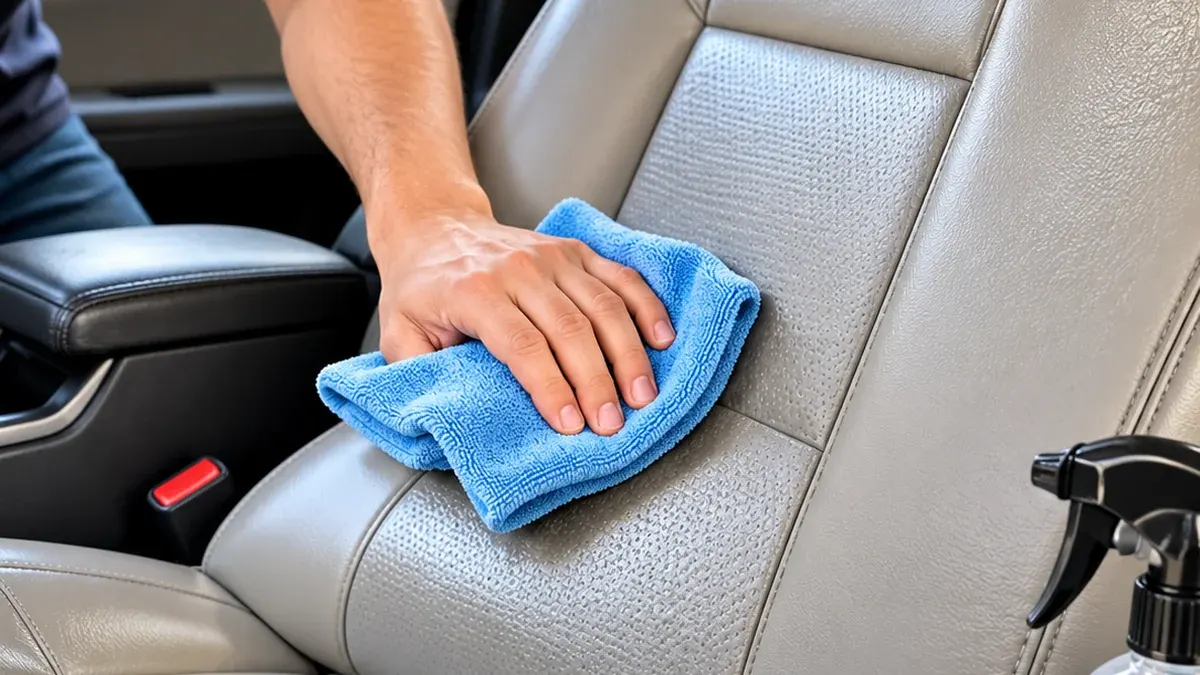
Apply a small amount of the product to the recommended applicator and work on one section at a time.
Spread the product evenly rather than applying a heavy layer.
A thin application gives you better control over the finish and makes excess product easier to remove.
Follow the specific manufacturer’s instructions for application amount and working time because plastic restoration products are not all formulated the same way.
Step 7: Remove Excess Product
After the product has been applied according to its instructions, use a clean microfiber towel to remove excess product if required.
Pay attention to edges, seams, textured areas, and corners where product can accumulate.
The finished surface should look even rather than wet, greasy, or heavily coated.
Step 8: Inspect the Finished Surface
Inspect the plastic from several angles and under good lighting.
Look for:
- Streaks
- Uneven color
- Glossy patches
- Missed areas
- Excess product
- Remaining contamination
If the manufacturer permits another application, you can address areas that genuinely need additional product.
More product is not automatically better.
What Type of Plastic Restorer Should You Use?
Choose a restoration product according to the type of surface, desired finish, and manufacturer’s compatibility instructions. A product intended specifically for automotive interior plastic is generally a better starting point than a household oil or an exterior-only product.
Interior Plastic Restorer
An interior plastic restorer is designed to improve the appearance of dashboard panels, door trim, center consoles, and similar surfaces.
Check the label for the materials and finishes the product is designed to treat.
Interior Protectant With UV Protection
Some interior protectants are marketed with UV protection. If UV exposure is a major concern, look for a product that specifically identifies UV protection in its documentation rather than assuming every plastic dressing provides the same protection.
Matte or Natural Finish
A matte or natural finish is usually appropriate when you want the interior to retain a factory-style appearance.
This can be particularly useful on:
- Dashboards
- Door panels
- Textured plastic
- Center consoles
- Large interior trim panels
Gloss Finish
A glossy dressing can noticeably change the appearance of interior plastic.
That may be desirable for some surfaces, but it can also make a dashboard look less like its original factory finish.
For most interior restoration work, choose the finish that most closely matches the original surface.
Where Should You Not Apply Plastic Restorer?
Do not apply a plastic dressing or restorer indiscriminately to every surface inside the vehicle. Steering wheels, pedals, gear selectors, screens, displays, glass, and other specialized surfaces may require different products or may need to remain free of slippery residue.
Always follow the vehicle manufacturer’s instructions and the product label.
Steering Wheels and Controls
Avoid products that can make the steering wheel slippery.
The same principle applies to pedals and other surfaces where grip is necessary for vehicle control.
Pedals
Do not apply interior dressing to pedal surfaces unless the manufacturer specifically approves it.
A slippery pedal surface can create an unnecessary safety concern.
Screens and Displays
Do not assume that a dashboard plastic cleaner or dressing is appropriate for an infotainment screen, instrument display, or other optical surface.
Screens may have specialized coatings that require different cleaning methods.
Glass
Keep plastic restorer away from windshield and window glass unless the product specifically states that it is suitable for glass.
Can You Restore Severely Faded or Cracked Plastic?
A plastic restorer can improve the appearance of faded plastic when the material is still structurally sound, but it cannot reliably repair severe cracking, warping, or structural deterioration.
Understanding the condition of the plastic helps determine whether restoration is worthwhile.
Lightly Faded Plastic
Light fading is generally the easiest condition to improve.
Cleaning followed by a compatible restorer can make the surface appear darker and more uniform.
Severely Faded Plastic
Severely degraded plastic may improve cosmetically, but the original material may not be completely recoverable.
The final result depends on how much of the visible deterioration comes from surface contamination versus changes within the material itself.
Cracked Plastic
Cracks require a different approach.
A cosmetic restorer may improve the appearance around the damaged area, but it does not replace missing material or provide structural repair.
Depending on the component, a proper plastic repair or replacement may be more appropriate.
Warped or Brittle Plastic
Warped, brittle, or physically deteriorated trim should not be treated as a simple fading problem.
If the component is important to vehicle safety or incorporates a safety system, follow the vehicle manufacturer’s repair guidance.
Can You Use a Heat Gun to Restore Faded Car Interior Plastic?
Using a heat gun is not a recommended general-purpose method for restoring faded interior plastic because excessive or concentrated heat can damage, deform, or change the appearance of plastic components.
Some plastics can temporarily change appearance when heated, but the response depends on the material and construction of the component.
For predictable interior restoration, a product specifically formulated for the surface is a more controlled approach than deliberately heating the trim.
Can You Use Linseed Oil on Car Interior Plastic?
Linseed oil is not a preferred general-purpose solution for restoring automotive interior plastic because it is not formulated specifically for the different plastics, coatings, textures, and finishes used inside modern vehicles.
Household oils can also leave unwanted residue and may produce an appearance that does not match the original finish.
A dedicated automotive interior product gives you clearer information about intended surfaces, application, and limitations.
What Are the Most Common Plastic Restoration Mistakes?
Most poor restoration results come from using the wrong product, skipping surface preparation, applying too much product, or expecting cosmetic restoration to repair physical damage.
Restoring Dirty Plastic
Applying restorer over dirt and old dressing can produce an uneven finish.
Clean the surface first.
Applying Too Much Product
A heavy coating can leave the plastic greasy, streaky, or excessively glossy.
Start with a small amount and add more only if the product instructions support additional application.
Skipping the Test Spot
Different plastics and coatings can react differently.
Testing a hidden section first reduces the risk of creating a visible problem across the entire panel.
Choosing a Product Based Only on Shine
A shiny finish is not automatically a better finish.
Consider whether the product matches the vehicle’s original interior appearance.
Leaving Excess Product on the Surface
Residue can collect around seams, buttons, textured surfaces, and edges.
Buff away excess product according to the product instructions.
Treating Slippery Surfaces
Avoid applying dressing to steering wheels, pedals, and other surfaces where slipperiness can affect vehicle control.
Expecting Permanent Restoration
A cosmetic restoration does not stop the environmental factors that caused the fading.
Continued UV exposure, heat, cleaning, and normal wear can affect the appearance again over time.
How Can You Prevent Car Interior Plastic From Fading Again?
Reducing prolonged sunlight exposure, keeping the surface clean, and using a compatible protectant when appropriate can help maintain the appearance of interior plastic.
UV exposure is an important contributor to polymer aging, so reducing unnecessary exposure is a practical part of long-term interior care.
Use a Windshield Sunshade
A windshield sunshade can reduce direct sunlight reaching the dashboard when the vehicle is parked.
This is particularly useful if the vehicle regularly sits outdoors.
Park in the Shade When Possible
Covered parking or shade reduces direct exposure to sunlight.
You do not need to avoid sunlight completely, but reducing prolonged exposure can help limit additional aging.
Use a Compatible Interior Protectant
If you use a protectant, choose one that is specifically intended for the material and finish.
If UV protection is important to you, check that the product actually states that it provides UV protection rather than assuming all interior dressings do.
Keep the Interior Clean
Regular cleaning removes dust, body oils, food residue, and old product buildup before they accumulate.
Car cleaning kit recommends surface-specific interior products for dashboards, trim, upholstery, leather, and other cabin materials.
How Often Should You Restore Interior Plastic?
There is no universal reapplication interval that applies to every plastic restorer or vehicle. The correct maintenance interval depends on the product, surface, sunlight exposure, cleaning routine, and the appearance of the trim.
Instead of following an arbitrary schedule, inspect the plastic periodically and follow the product manufacturer’s instructions.
If the surface begins losing the appearance or protection provided by the product, it may be time for another application.
Frequently Asked Questions
Can faded car interior plastic be restored?
Yes, faded car interior plastic can often be improved when the material is still structurally sound. Clean the surface first, then use a compatible plastic restorer or protectant according to the manufacturer’s instructions.
How do I restore faded black plastic in my car?
Clean the black plastic thoroughly, allow it to dry, test a suitable interior plastic restorer in a hidden area, and then apply a thin, even layer to the affected surface. Remove excess product and inspect the finish before treating the rest of the panel.
Can I restore a faded dashboard?
Yes, a faded dashboard can often be improved with proper cleaning and a compatible interior plastic restorer. However, cracked, warped, brittle, or severely deteriorated dashboard material may require repair or replacement rather than cosmetic restoration.
What is the best product for faded car interior plastic?
There is no single best plastic restorer for every vehicle. The right product depends on the material, surface finish, intended use, compatibility, desired appearance, and the manufacturer’s application instructions.
Can plastic restorer fix cracked plastic?
No. A cosmetic plastic restorer can improve appearance but does not reliably repair structural cracks. Cracked or severely damaged trim may require a proper repair or replacement.
Can I use exterior plastic restorer inside my car?
Only if the manufacturer specifically states that the product is suitable for interior use. Exterior products can have different formulations or finishes, so do not assume that an exterior trim product is automatically appropriate for the dashboard or other interior surfaces.
How do I prevent my dashboard from fading again?
Reduce prolonged sunlight exposure by using a windshield sunshade and parking in shaded or covered areas when practical. Keeping the dashboard clean and using a compatible protectant with verified UV protection can also help maintain its appearance.
The Best Way to Restore Faded Car Interior Plastic
The best approach is to diagnose the surface first, clean it thoroughly, and then use a plastic restorer or protectant that is specifically compatible with the interior material. Apply the product sparingly, work in small sections, remove excess residue, and avoid surfaces where a slippery finish could affect vehicle control.
If cleaning does not remove the gray or faded appearance, restoration may improve the cosmetic condition. If the plastic is cracked, warped, brittle, or severely deteriorated, however, a cosmetic product is unlikely to provide a complete repair.