Most vehicles benefit from a full deep clean, covering interior deep cleaning, clay bar decontamination, and fresh paint protection, two to four times a year. The right frequency within that range depends on climate, how the vehicle is used, and how much day-to-day contamination it accumulates between sessions.
This guide breaks down what actually counts as a deep clean, how often different vehicle types and usage patterns realistically need one, and the signs that tell you it’s time regardless of the calendar.
What Qualifies as a Deep Car Clean?
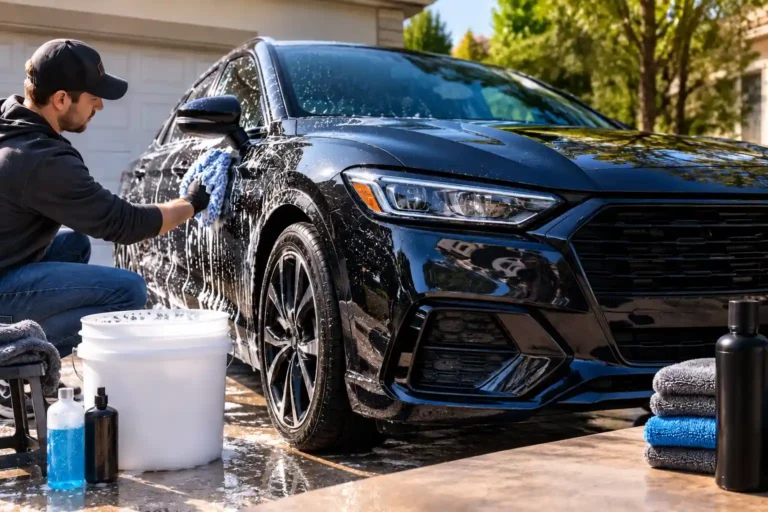
A deep car clean goes beyond a routine wash by addressing bonded paint contamination, neglected interior areas, trim, glass, and paint protection. Instead of focusing only on removing loose dirt, deep cleaning targets buildup that regular washing may leave behind.
A thorough deep clean typically includes:
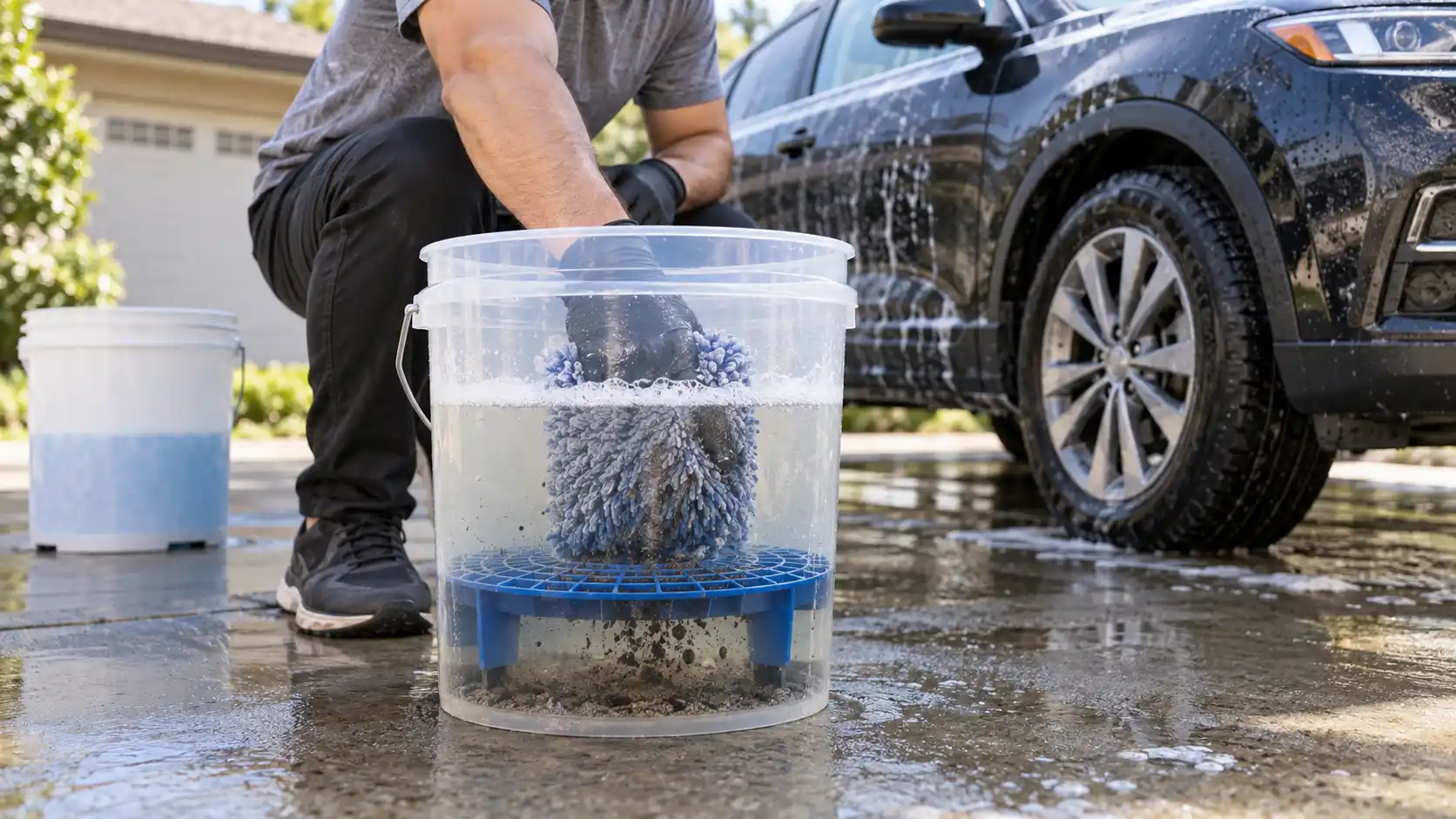
- Clay bar decontamination: Removes bonded contaminants such as industrial fallout, brake dust residue, and other particles that remain attached to the paint after washing.
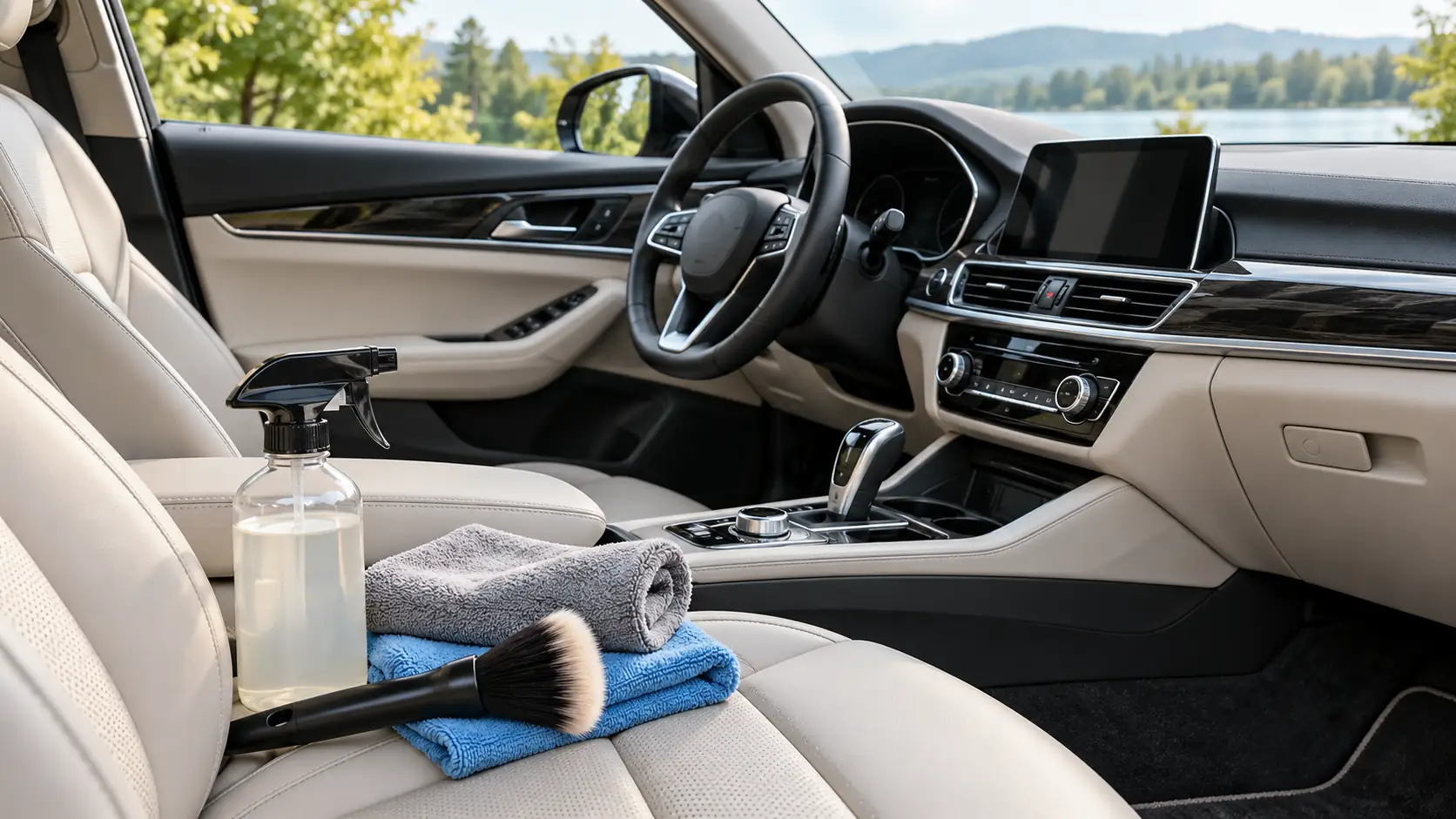
- Interior deep cleaning: Includes thorough vacuuming, cleaning of hard surfaces, carpets, upholstery, and leather, plus overlooked areas such as cup holders, seat tracks, and gaps between seats.
- Paint protection: Applies a fresh layer of wax, paint sealant, or an appropriate spray coating after the surface has been cleaned and decontaminated.
- Trim, tires, and glass cleaning: Cleans and conditions exterior trim, dresses the tires when appropriate, and thoroughly cleans interior and exterior glass.
The key difference is the level of cleaning. A routine wash mainly removes loose surface dirt, while a deep clean addresses contamination and buildup that require additional cleaning or detailing steps.
How Often Should You Deep Clean Different Types of Vehicles?
The right deep-cleaning frequency depends on how often the vehicle is driven, where it is stored, and how much contamination it encounters. A daily commuter exposed to road grime generally needs more attention than a garage-kept vehicle driven occasionally.
| Vehicle type | Typical deep-cleaning frequency | Why |
|---|---|---|
| Daily commuter | 2–3 times per year | Regular exposure to road grime and environmental contamination |
| Vehicle exposed to road salt | 3–4 times per year | Winter salt and grime can accumulate on the exterior and underbody |
| Garage-kept, lightly driven vehicle | 1–2 times per year | Lower exposure generally means less frequent deep cleaning |
| Work truck, towing, or off-road vehicle | About every 2 months when heavily used | Mud, dust, grease, and other contaminants can build up faster |
| Vehicle under 1 year old | Usually 1–2 times per year, depending on use | Newer paint and interiors may require less intensive correction when properly maintained |
These are practical starting points rather than fixed schedules. A vehicle used heavily in harsh conditions may need a deep clean sooner, while a lightly driven vehicle may be able to go longer between sessions.

What Signs Indicate It’s Time for a Deep Clean?
Your car may need a deep clean even if you have not reached your usual seasonal schedule. Look for these signs:
- Paint feels gritty after washing: Rough or gritty paint after a thorough wash can indicate bonded contamination that regular washing cannot remove. A clay bar or other suitable decontamination method may be needed.
- Water beading has noticeably decreased: Reduced water beading can indicate that existing wax, sealant, or other paint protection has degraded. Contamination can also affect water behavior, so reduced beading alone does not prove that protection is completely gone.
- Swirl marks or dullness are visible in direct sunlight: Visible swirl marks, haziness, or reduced gloss may indicate that the paint needs more than a routine wash. Depending on the condition, polishing or paint correction followed by fresh protection may be appropriate.
- Interior surfaces have visible grime buildup: Dashboard haze, sticky cup holders, dirty seat tracks, stained upholstery, and buildup around seams are signs that routine wiping and vacuuming may no longer be enough.
- The cabin has a musty or unusual odor: Persistent odors can come from accumulated debris or moisture in carpets, upholstery, floor mats, and other interior areas. A thorough interior deep clean can address the source rather than simply masking the smell.
- The vehicle has heavy seasonal contamination: Significant buildup of road salt, mud, dust, or other environmental contaminants can justify a deep clean before your normal maintenance schedule.
Does Deep Cleaning Frequency Change With Vehicle Age?
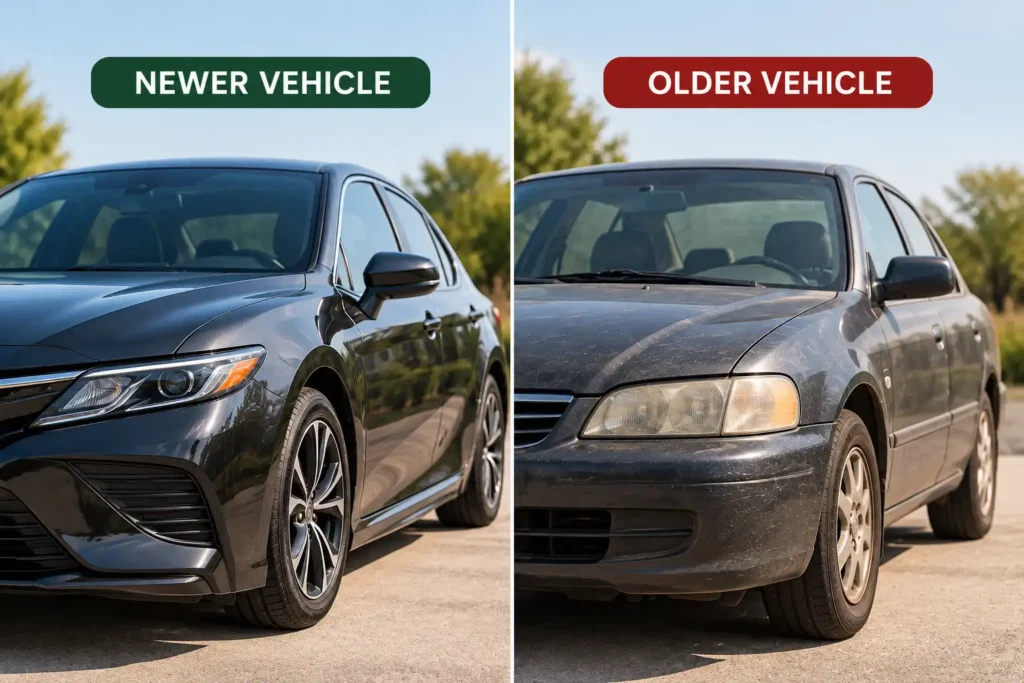
Yes, older vehicles often benefit from more frequent attention specifically because accumulated oxidation, existing swirl marks, and years of exposure require more consistent maintenance to keep the paint in good condition. A newer vehicle with minimal existing damage can often maintain its condition with less frequent deep cleaning, since there’s simply less accumulated wear to address.
That said, applying fresh protection regularly from the start of ownership, even on a new vehicle, helps prevent the kind of oxidation and paint damage that eventually requires more intensive, frequent correction work later. Starting a consistent deep cleaning schedule early, rather than waiting until damage accumulates, is generally the more cost-effective long-term approach.
Is There Such a Thing as Deep Cleaning Too Often?
Deep cleaning too frequently isn’t typically harmful to the vehicle itself, but it can be an inefficient use of time and product if done well beyond what the vehicle’s actual condition warrants. Clay bar treatment, for instance, doesn’t need to happen every month if the paint doesn’t feel gritty, since there’s no meaningful benefit to claying a surface that’s already free of bonded contamination.
A more practical approach is using the condition-based signs covered above, alongside a general seasonal baseline, rather than deep cleaning on a rigid schedule regardless of actual need. This keeps the process efficient without sacrificing the paint protection and maintenance benefits a deep clean provides when it’s genuinely warranted, letting condition dictate timing rather than an arbitrary date on a calendar.
Does Vehicle Resale Value Change How Often You Should Deep Clean?
A vehicle you plan to sell or trade in eventually benefits from a more consistent deep cleaning schedule throughout ownership, since accumulated oxidation, swirl marks, and interior wear directly affect resale value and how a buyer perceives the vehicle’s overall condition. A well-maintained paint finish and clean interior can meaningfully influence a buyer’s first impression, sometimes translating into a noticeably better sale price or faster sale compared to a neglected vehicle in otherwise similar mechanical condition.
Even for owners who don’t plan to sell soon, treating the vehicle as though resale value matters tends to produce better long-term maintenance habits, since it removes the temptation to let deep cleaning slide simply because a personal vehicle “doesn’t need to look perfect.” A consistent schedule maintained from early ownership is easier to sustain than trying to catch up on years of neglected paint and interior condition right before a sale, when the cost and effort of correcting long-accumulated wear is significantly higher than routine upkeep would have been.
Should Deep Cleaning Schedules Differ Between Personal and Fleet or Business Vehicles?
Fleet and business vehicles often benefit from a more frequent, standardized deep cleaning schedule than personal vehicles, since a vehicle’s appearance directly reflects on the business when used for client-facing work, deliveries, or company branding. Establishing a fixed quarterly deep cleaning schedule across an entire fleet, rather than leaving timing to individual driver discretion, also simplifies budgeting and ensures consistent presentation across all vehicles.
Personal vehicles have more flexibility to follow condition-based signs rather than a rigid schedule, since there’s no external expectation of consistent appearance the way there is for a business-branded vehicle. Business owners managing multiple vehicles may find it worthwhile to track deep cleaning dates across the fleet in a simple log, ensuring no single vehicle falls behind the group’s overall maintenance standard, and rotating which vehicles get scheduled each week helps spread the workload evenly rather than clustering every deep clean into the same busy period.
conclusion
For most vehicles, a deep clean two to four times a year provides a practical baseline, but the right schedule depends more on condition and use than a fixed calendar. Daily commuters, vehicles exposed to road salt, and work trucks may need more frequent attention, while garage-kept vehicles can often go longer between sessions. Watch for signs such as gritty paint, reduced water beading, visible dullness, interior grime, or unusual odors.
A deep clean should address more than surface dirt by combining decontamination, thorough interior cleaning, and fresh protection. Rather than claying or correcting the paint unnecessarily often, use seasonal timing as a starting point and let the vehicle’s actual condition determine when deeper cleaning is needed.
Frequently Asked Questions
Can I do a deep clean myself, or does it require a professional?
Most deep cleaning tasks, including clay bar treatment, wax application, and interior cleaning, are approachable for a motivated DIYer following proper technique and safety guidance. More advanced paint correction to remove significant swirl marks or scratches carries more skill and equipment requirements, which is where some owners choose to bring in a professional.
How long does a full deep clean typically take?
A full deep clean typically takes three to five hours for a beginner working through all four stages carefully, or one to two hours for an experienced professional. Breaking the process across two sessions, exterior one day and interior the next, is a reasonable approach that doesn’t compromise results.
Does a car that looks clean still need a deep clean?
Yes, visible cleanliness doesn’t indicate whether bonded contaminants have built up on the paint or whether existing wax protection has worn away, both of which require a deep clean to address regardless of how the vehicle looks on the surface. The feel test, running a clean hand over washed paint to check for grittiness, is a more reliable indicator than visual appearance alone.
Is deep cleaning necessary for a car that’s rarely driven?
Yes, though less frequently than a daily driver, since even a rarely driven vehicle accumulates dust, and any existing wax or sealant protection still degrades gradually from UV exposure over time even without active use. A yearly deep clean is often sufficient for a vehicle that sees minimal driving and is kept in a garage.
What’s the difference between deep cleaning and simply washing more thoroughly?
Washing more thoroughly, even taking extra time and care, still only addresses surface dirt through soap and water, while deep cleaning includes clay bar decontamination, paint correction, and protection application that a wash, no matter how careful, doesn’t provide. These are fundamentally different processes rather than different intensities of the same task.