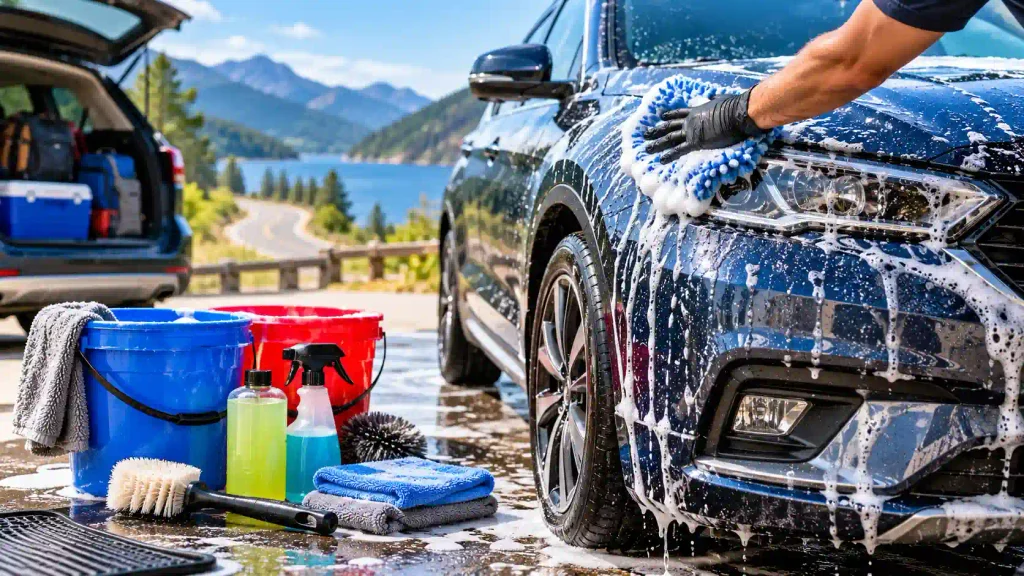
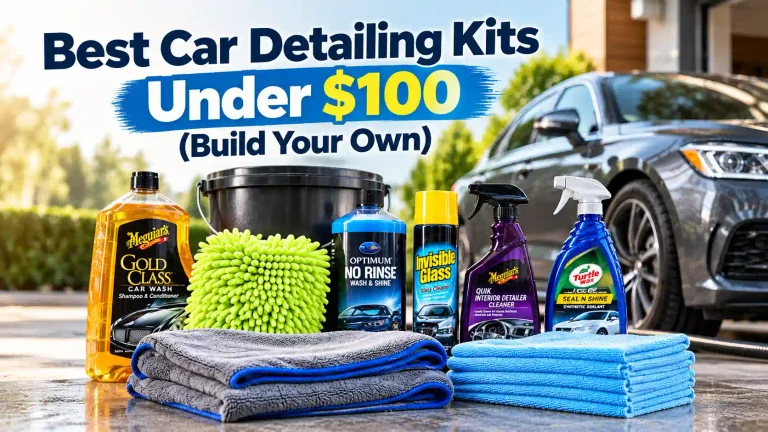
The best car detailing kits under $100 put most of the money into wash solution, clean washing media, drying towels, and useful cleaners. Building your own lets you choose what your car needs instead of paying for duplicate sprays or accessories you already own.
A starter kit can handle regular washing, glass, light interior cleaning, and optional paint protection. It will not include every tool for stain extraction, paint correction, or neglected wheels. These builds assume you already have access to a vacuum and, for conventional washing, a hose.
The tables use spending limits, not quoted Amazon prices. Buy each item at or below its allowance, count tax and shipping before checkout, and postpone optional products if needed. The recommendations compare published specifications and instructions; they are not hands-on test results.
Best Build-Your-Own Detailing Kit Products at a Glance
Choose one wash method, then add the tools and cleaners needed for that process. Gold Class and ONR are alternatives, so you do not need to purchase all eight products below. The allowances are shopping targets rather than claims that every linked listing currently meets them.
| Product | Kit Role | Spending Limit | Amazon |
|---|---|---|---|
| Meguiar’s Gold Class Car Wash, 64 oz | Bucket-wash shampoo | $12 | Check Price on Amazon |
| Chemical Guys Chenille Wash Mitt, Single | Dedicated paint wash media | $8 | Check Price on Amazon |
| Meguiar’s Water Magnet X2000 Drying Towel | Dedicated exterior drying | $12 | Check Price on Amazon |
| Amazon Basics Microfiber Cloths, 24-Pack | Utility towels and task separation | $12 | Check Price on Amazon |
| Invisible Glass Foaming Cleaner, 19 oz | Automotive glass cleaning | $6 | Check Price on Amazon |
| Meguiar’s Quik Interior Detailer, 16 oz | Routine interior maintenance | $8 | Check Price on Amazon |
| Turtle Wax ICE Seal N Shine, 16 oz | Optional paint protection | $12 | Check Price on Amazon |
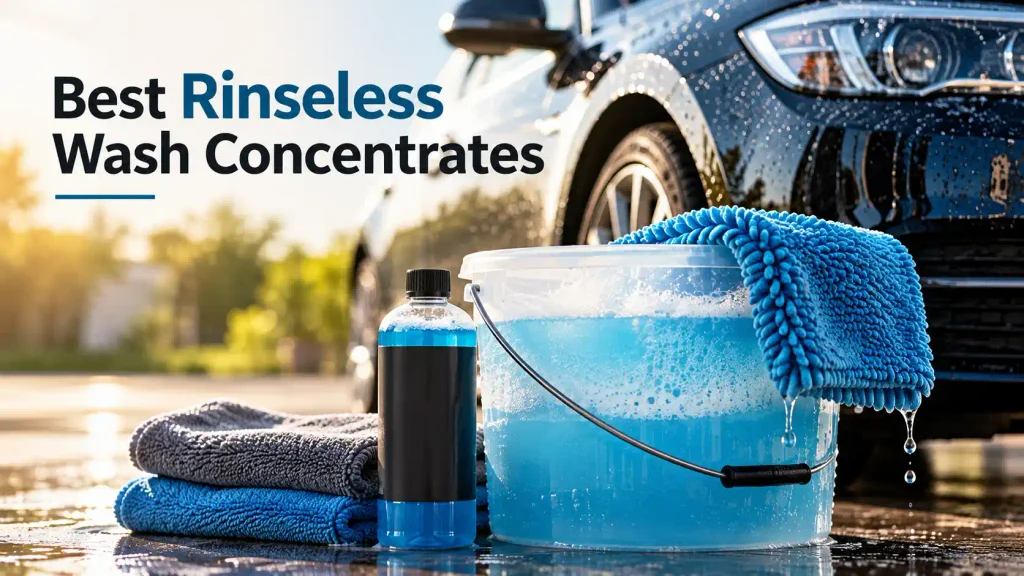
| Optimum No Rinse Wash & Shine V6, 32 oz | Alternative rinseless wash | $24 | Check Price on Amazon |
Products for a Car Detailing Kit Under $100 Reviewed
Gold Class supplies the conventional wash stage, while ONR offers a rinseless alternative. The mitt, drying towel, and utility cloths support cleaning; Invisible Glass and Quik Interior Detailer cover specific surfaces. ICE Seal N Shine is the optional protection step once the essentials fit your budget.
1. Best Conventional Wash Soap: Meguiar’s Gold Class Car Wash, 64 oz
Best for: Drivers with hose access who want a dedicated car shampoo.
Gold Class is a conventional wash shampoo for cleaning vehicle paint. The linked 64-ounce bottle is the soap component of the hose-based builds, rather than a complete detailing kit.
Its role is to provide a lubricated washing solution that rinses away with dirt. Measure the dilution on the bottle, work on cool panels, and rinse before the solution dries. A foamy wash does not remove scratches or replace separate paint protection.
Key Features
- 64-ounce shampoo and conditioner.
- Designed for a conventional wash-and-rinse process.
- Concentrate requires measuring and dilution.
Pros
- One bottle supports multiple measured washes.
- Fits a basic bucket, mitt, and hose routine.
Cons
- Needs rinse water and a suitable washing location.
- Does not replace a wax or sealant.
Buying Decision
Choose Gold Class for driveway washing. Choose ONR instead if you need a rinseless process; buying both immediately uses money that could go toward towels.
2. Best Wash Mitt for the Core Build: Chemical Guys Chenille Wash Mitt, Single
Best for: Owners who want a reusable mitt reserved for exterior paint.
This single lime-green chenille mitt has microfiber strands and an elastic cuff. It provides a dedicated washing surface, keeping the paint-washing stage separate from interior wiping and wheel cleaning.
Load it with working solution and inspect it frequently. Rinse or replace dirty media rather than asking the fibers to hold an entire vehicle’s grit. If you drop the mitt, stop and clean it thoroughly before returning it to the paint.
Key Features
- Single mitt rather than a multipack.
- Chenille microfiber washing strands.
- Elastic cuff and machine-washable construction.
Pros
- Reusable alternative to disposable wash media.
- Easy to assign exclusively to paint.
Cons
- Requires cleaning between uses.
- One mitt provides no clean spare if dropped.
Buying Decision
Buy the single mitt when building a conventional wash kit. For rinseless washing, you can instead use enough suitable clean towels and keep used towels out of the working solution.
3. Best Dedicated Drying Addition: Meguiar’s Water Magnet X2000 Drying Towel
Best for: Drivers who need a drying towel separate from utility cloths.
The Water Magnet is a microfiber drying towel in Meguiar’s X2000 range. Its waffle-weave design makes it a dedicated tool for removing wash water rather than using a stack of small interior cloths for the entire car.
Dry with light contact on clean paint. Keep the towel away from wheels, door-hinge grease, and the ground. Large vehicles or very wet panels may need another clean drying towel, so do not assume a single towel will always finish every vehicle.
Key Features
- Dedicated microfiber drying towel.
- Waffle-weave construction.
- Reusable with appropriate laundering.
Pros
- Separates drying from dirty cleanup tasks.
- Useful with conventional and rinseless washing.
Cons
- A second towel may be needed on larger vehicles.
- Contamination makes it unsuitable for paint until cleaned.
Buying Decision
Prioritize a proper drying towel before buying a second gloss spray. Drying is part of every wash, while extra finish products can wait.
4. Best Utility Towel Supply: Amazon Basics Microfiber Cloths, 24-Pack
Best for: Beginners who need separate cloths for glass, interior work, and dirty areas.
The linked pack contains twenty-four 16-by-12-inch microfiber cloths in blue, white, and yellow. Multiple colors let you assign jobs without buying several different towel packages.
Use these primarily as utility cloths and inspect their edges and softness before any paint contact. Reserve suitable clean cloths for glass, separate others for interior surfaces, and permanently mark wheel or greasy-area towels. Wash before first use as the listing directs.
Key Features
- Twenty-four cloths in the linked pack.
- 16-by-12-inch size.
- Three colors for assigning different jobs.
Pros
- Supports clean-cloth changes during a detail.
- Helps separate dirtier jobs from glass and interior work.
Cons
- Utility towels are not a substitute for every specialist towel.
- A large pack still needs sorting and laundering.
Buying Decision
Choose the pack for task separation and routine wiping. Keep the dedicated Water Magnet for drying, and buy softer specialist towels later if your finish needs them.
5. Best Dedicated Glass Cleaner: Invisible Glass Foaming Cleaner, 19 oz
Best for: Drivers dealing with fingerprints, haze, and ordinary road film on glass.
Invisible Glass 91164 is a 19-ounce foaming aerosol glass cleaner. A dedicated glass product gives the kit a clear answer for windows instead of relying on shampoo or an interior dressing to finish the job.
Use clean cloths and work in small areas. Apply to the towel when overspray could reach nearby trim or electronics. Check the glass cleaner and film manufacturer’s directions for your tint, and avoid assuming glass instructions also apply to screens.
Key Features
- 19-ounce aerosol, model 91164.
- Foaming automotive glass cleaner.
- Dedicated cleaning stage for windows and mirrors.
Pros
- Useful inside and outside on approved glass.
- Keeps glass cleanup separate from protective sprays.
Cons
- Needs clean cloths for a clear finish.
- Not a universal electronics or display cleaner.
Buying Decision
Include this when visibility and interior windshield haze are regular concerns. A second clean cloth for the final wipe often matters more than applying more cleaner.
6. Best Interior Maintenance Addition: Meguiar’s Quik Interior Detailer, 16 oz
Best for: Owners maintaining lightly dirty interior hard surfaces.
Quik Interior Detailer G13616 is a ready-to-use 16-ounce spray for routine interior care. Its cleaning role suits ordinary dust and light contamination on the surfaces approved by its label.
Apply with a clean cloth and avoid soaking switches, seams, and electrical areas. Check your vehicle’s instructions for sensitive displays and trim before use. This maintenance product does not replace upholstery extraction, stain treatment, or a solution for persistent odors.
Key Features
- Ready-to-use 16-ounce spray.
- Identifiable G13616 product.
- Intended for routine interior surface maintenance.
Pros
- Adds cabin care without mixing a concentrate.
- Useful for repeated light cleanups.
Cons
- Not an upholstery extractor or deep stain remover.
- Sensitive surfaces still need compatibility checks.
Buying Decision
Add it to the all-round or rinseless build when you want to maintain the cabin too. Skip it initially if you already own a compatible interior cleaner.
7. Best Optional Protection Step: Turtle Wax ICE Seal N Shine, 16 oz
Best for: Owners of compatible glossy finishes who want a separate spray sealant.
ICE Seal N Shine is a 16-ounce spray sealant wax. Turtle Wax directs users to wash and dry first, then apply a small amount to each panel and spread it with a microfiber cloth.
Its place in the kit is protection after cleaning. It does not repair scratches, remove embedded contamination, or make polishing unnecessary when correction is the goal. Use the current label for compatibility and application, particularly on specialty finishes.
Key Features
- Single 16-ounce bottle.
- Spray-and-wipe sealant application.
- Used after washing and drying.
Pros
- Adds a defined protection stage.
- Does not require a machine polisher to apply.
Cons
- Requires clean paint and suitable wiping towels.
- Optional if existing protection is still performing well.
Buying Decision
Buy it when the core washing tools are already covered. If the cart exceeds your limit, postpone this bottle rather than cutting clean towels or necessary wash media.
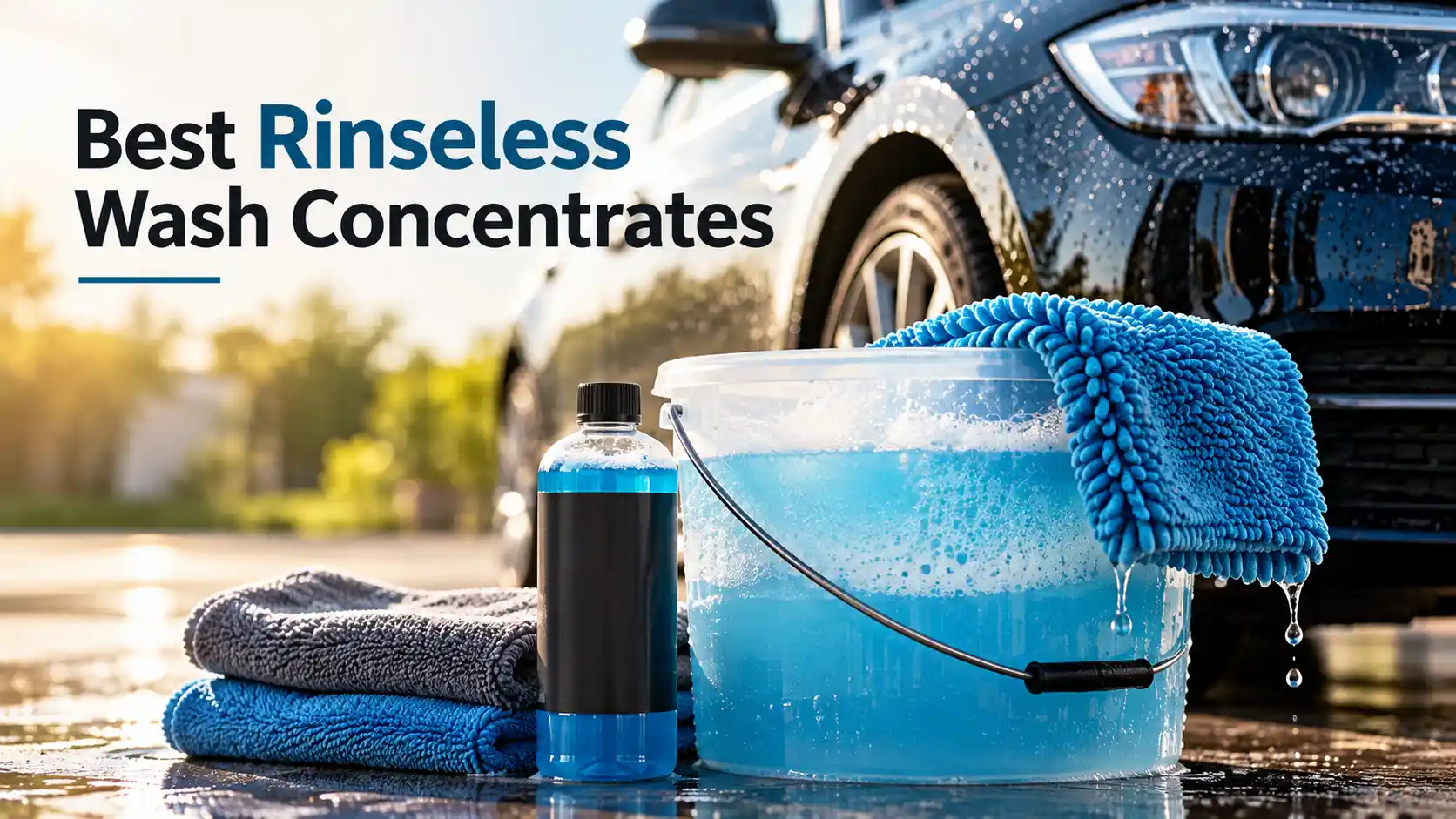
8. Best Alternative for Rinseless Washing: Optimum No Rinse Wash & Shine V6, 32 oz
Best for: Owners who can use water but lack convenient hose access.
ONR V6 is a polymer-based rinseless wash concentrate. It replaces the conventional shampoo in the rinseless build, with a wash-and-dry process that does not require a final hose rinse.
Mix the bucket solution according to the current label, wash a section with suitable clean media, and dry it before moving on. Heavy grit or mud may still require a pre-rinse elsewhere. Rinseless means no final rinse; it does not mean no water or no need for clean towels.
Key Features
- Version 6 in the linked 32-ounce bottle.
- Concentrated rinseless wash.
- Compatible with appropriate mitt, sponge, or towel methods.
Pros
- Avoids the final hose-rinse stage.
- Concentrate supports repeated mixed batches.
Cons
- Requires water, measured dilution, and drying.
- Heavy contamination can require additional preparation.
Buying Decision
Choose ONR as the alternative to Gold Class when the washing location favors rinseless care. Start with cleaning supplies, and add separate protection once the budget allows.
Three Car Detailing Kits You Can Build Under $100
The all-round build targets $90, the exterior build targets $90, and the rinseless build targets $87 before tax and shipping. These totals apply only when your actual purchases meet the listed limits. Reuse clean equipment you own, and check the final checkout total against your $100 ceiling.
1. Best All-Round Starter Kit: $90 Target
This build covers conventional washing, drying, windows, light cabin maintenance, and a separate paint-protection step. It is the most balanced choice when you have a hose, a vacuum, and somewhere suitable to wash.
The bucket link is for one 12-quart bucket; order two and keep their combined cost at or below the $20 allocation. Each holds up to 3 gallons, so leave working space above the solution rather than filling to the rim. If tax, shipping, or higher item prices consume the $10 margin, leave the optional sealant out of the first order.
2. Best Exterior-First Kit: $90 Target
This build keeps the conventional wash, drying, glass, and protection supplies but leaves out the interior detailer. It fits someone who already has cabin-cleaning products or wants to focus the first purchase on exterior maintenance.
The wheel mitt is an additional single mitt, separate from the paint mitt in the first row. Mark it for wheels only and check the wheel manufacturer’s cleaning guidance. This basic build is for maintenance dirt, not baked-on brake dust or neglected finishes. Do not add a strong wheel chemical simply to make the list look more complete.
3. Best Rinseless Maintenance Kit: $87 Target
This build replaces conventional shampoo with ONR and postpones the separate sealant and interior detailer. It suits light-to-moderate maintenance washing where a final hose rinse is inconvenient, provided the vehicle’s condition and local washing rules allow the method.
Use the needleless syringe only for measuring detailing concentrate, label it clearly, and follow the product’s dilution instructions. Use the mitt only while it remains suitably clean, and keep utility towels assigned to separate jobs. Additional clean wash media may be necessary for your vehicle or chosen method. Spend some of the margin on that need before adding a gloss product.
How We Chose These Budget Detailing Products
We selected identifiable individual products with distinct jobs, then built spending plans around the tasks a beginner needs to complete. Product identity and use instructions were checked through manufacturer information and listings. The dollar amounts are editorial spending ceilings, not verified live cart totals.
The selection priorities were:
- Useful coverage: washing, drying, glass, and routine interior maintenance.
- Separate roles: fewer overlapping sprays and clearer application steps.
- Reusable tools: wash media and towels that can be cleaned appropriately.
- Purchase clarity: single bottles and the specific packs shown in the table.
- Budget flexibility: optional protection can wait if essentials cost more.
A larger bottle is useful only if you will use it and can afford the upfront cost. Likewise, a bag full of accessories has limited value when it leaves you without enough clean towels.
How to Choose a Detailing Kit Under $100
Choose the kit by washing location, surface condition, supplies you own, and the final checkout cost. A small maintenance kit is useful when its products match your car; a low price does not make incompatible chemicals or inadequate washing media a good purchase.
Start with the Work You Can Actually Do
A driveway with hose access favors a conventional shampoo. A garage or permitted parking area may favor rinseless maintenance. Heavy mud, loose sand, and thick salt deposits need suitable preliminary cleaning regardless of the bottle you buy.
Check access to water, drainage requirements, and a suitable working area before ordering. Supplies cannot solve a washing-location restriction.
Count Existing Equipment First
Keep serviceable buckets, a compatible interior cleaner, and clean towels you already own. Spend the saved money on missing essentials rather than replacing everything to match one brand.
The builds include linked bucket options but do not include a vacuum, hose, pressure washer, extractor, or machine polisher. If you need to buy one of those too, narrow the first kit to a smaller task rather than treating this as a complete equipment budget.
Protect the Towel Budget
Enough clean cloths let you change wiping surfaces instead of spreading contamination. Keep glass, cabin, paint, and wheel work separate. A towel used on greasy hinges should not return to the paint pile.
Check softness, stitching, and contamination before use on delicate finishes. General-purpose microfiber is useful, but not every cloth belongs on every painted or glossy surface.
Make Protection an Optional First Purchase
A separate spray sealant makes sense on a compatible finish that needs protection. If the car already has a maintained coating or sealant, follow that system’s care requirements before adding another layer.
For matte paint, specialty wraps, and sensitive trim, confirm compatibility for the exact product. A gloss-enhancing spray is not automatically suitable for a finish designed to look flat.
Compare Checkout Totals, Not Bottle Prices Alone
A low individual price can become expensive once several shipping fees appear. Compare the right bottle size and pack count, then total the entire order with any local purchases.
If the cart exceeds $100, use this order of cuts:
- Remove duplicate products you already own.
- Postpone the optional sealant.
- Choose a smaller suitable bottle if it costs less upfront.
- Split the project into exterior or interior maintenance first.
Keep the clean wash media and drying supplies needed to finish the chosen process.
How to Use Your Starter Detailing Kit
Start with loose-dirt removal, complete the wash and drying stages, then clean the cabin and glass. Apply protection only after the paint is clean and dry according to its label. Keep wheel tools separate throughout the job.
- Work on cool surfaces in a suitable location and inspect contamination.
- Clean maintenance-level wheel dirt with a wheel-only tool and a compatible method.
- Pre-rinse abrasive exterior dirt when necessary.
- Wash with diluted shampoo and rinse, or follow the measured rinseless process section by section.
- Dry the paint with a clean dedicated towel.
- Vacuum the cabin before wiping approved hard surfaces with interior detailer.
- Clean the glass with fresh cloths and inspect it from more than one angle.
- Apply the optional sealant to compatible clean paint following the current label.
- Clean, sort, and dry reusable tools before storage.
Do not apply interior dressing to pedals or other areas where slipperiness could affect control. Avoid soaking upholstery, displays, switches, and seams with products intended for light surface wiping.
What Should You Add After the First Kit?
Add the tool that addresses the limitation you encounter most often. More clean washing media, a larger drying towel, or a compatible wheel cleaner may solve a real problem before another wax or decorative accessory does.
Useful next purchases can include:
- Extra wash mitts or suitable rinseless towels for cleaner changes.
- A wheel brush that fits your wheel design without forcing it.
- A dedicated upholstery cleaner for an identified fabric-cleaning need.
- Softer finishing towels for delicate glossy surfaces.
- A bucket dirt separator that fits securely, alongside proper media cleaning.
Paint decontamination and machine correction require their own supplies, preparation, and technique. Treat them as separate projects rather than squeezing a compound and an unknown pad into an already tight starter budget.
Which Build-Your-Own Car Detailing Kit Should You Choose?
Choose the $90 all-round target when you need exterior and light cabin care. Choose the $90 exterior target when cabin supplies are already covered. Choose the $87 rinseless target when avoiding a final hose rinse fits your location and the car’s condition; this build postpones the interior detailer and sealant.
Start with one wash method, enough clean media, and a workable drying process. Add protection after those essentials fit, and use the checkout total to decide whether the finished purchase remains under $100.
Frequently Asked Questions About Budget Car Detailing Kits
Detailing kit ownership also brings questions about laundering, storage, shelf life, and long-term use. These answers cover practical decisions beyond the product reviews and shopping plans above.
How should I wash microfiber towels after detailing?
Wash microfiber according to the towel maker’s instructions with a suitable detergent, and avoid fabric softener. Separate heavily soiled cloths from delicate finishing towels. Dry using the recommended temperature, then store them clean and protected from dust.
Can I leave detailing products in the car during summer?
Store detailing products within the temperature limits on their labels rather than leaving them in a hot car. Keep containers upright and closed, away from direct sunlight. Aerosols need particular attention to their heat and storage warnings.
Do car detailing products have an expiration date?
Shelf life varies by formula and storage conditions. Check the label or ask the manufacturer about the specific product and batch. Do not assume a separated or damaged product is usable just because the bottle is not empty.
Can a basic detailing kit remove cigarette smoke odors?
A basic maintenance kit is unlikely to remove an established smoke odor completely. Smoke residue can remain in fabrics, carpets, ventilation areas, and other surfaces. Persistent odors need a cleaning plan that addresses the source instead of covering it with fragrance.
How often should I detail a daily driver?
There is no single schedule for every daily driver. Inspect road film, dirt buildup, cabin use, and exposure, then clean before contamination becomes difficult to remove. Washing, interior maintenance, and renewing protection can follow different schedules.
Can I mix different detailing chemicals in one spray bottle?
Do not mix different detailing chemicals unless the manufacturer explicitly provides that instruction. Combining products can change their performance and create unsafe reactions. Use labeled bottles and prepare each concentrate only with its specified diluent and ratio.