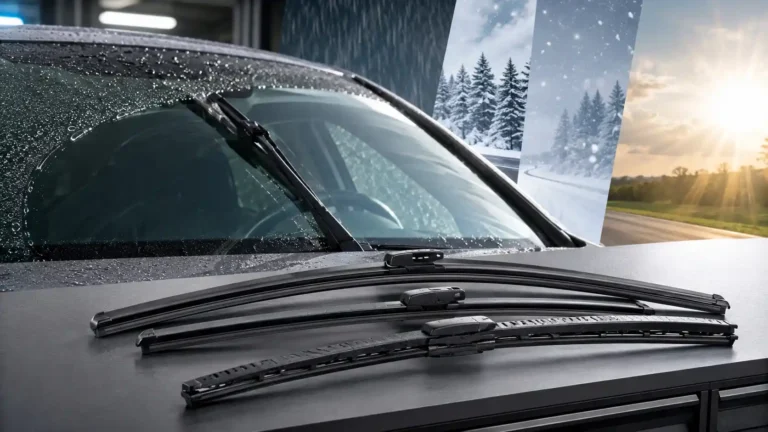
The best wiper blades for all-weather performance are designed to maintain consistent windshield contact through rain, snow, ice, heat, and changing temperatures. In most cases, beam-style and hybrid wiper blades are better suited to harsh weather because they distribute pressure evenly and are less likely to collect snow and ice than traditional framed blades. Silicone or high-quality rubber squeegees can also improve durability, streak resistance, and wet-weather visibility.
For most drivers, the Bosch ICON is a strong all-around choice, while the Rain-X WeatherBeater offers a more budget-friendly option. Drivers dealing with severe winter conditions may prefer a dedicated winter blade such as the Trico Ice, while the Michelin Endurance XT is worth considering if long service life is a priority.
In this guide, we compare the best all-weather wiper blades, explain which blade design works best in different climates, and show you how to choose the correct size and know when your current wipers need replacing.
What Makes a Wiper Blade Good for All-Weather Performance?
A handful of design details separate genuinely capable all-weather blades from basic replacements.
- Beam design: a single curved beam frame distributes pressure evenly across the windshield, reducing streaking better than older multi-bracket frame designs.
- Weather-sealed components: blades built to resist ice and snow intrusion into the frame mechanism avoid the clogging that causes chatter and skipping in winter.
- Squeegee material: silicone squeegees tend to last longer and repel water more effectively than standard rubber, though they typically cost more.
- Coating technology: some premium blades add a protective coating over the rubber edge specifically to resist wear from harsh weather exposure.
- Size and fit: always confirm the exact blade length and attachment type for your specific vehicle, since an ill-fitting blade won’t perform well regardless of its material quality.
Matching the blade type to your actual climate, rather than defaulting to whatever’s cheapest, makes the biggest practical difference in wiper performance through the seasons.
Quick Comparison: Best All-Weather Wiper Blades at a Glance
The following comparison gives you a quick look at our top all-weather wiper picks, including their design, ideal use case, and the type of driver each blade is best suited for.
Before diving into the detailed reviews, use this table to quickly compare the four options and find the wiper that best matches your driving conditions and budget.
| Rank | Product | Best For | Design | Buy Link |
|---|---|---|---|---|
| 1 | Bosch ICON | Best overall | Beam, ClearMax 365 rubber | Check Price on Amazon |
| 2 | Rain-X WeatherBeater | Best value all-weather | Conventional, natural rubber | Check Price on Amazon |
| 3 | Michelin Endurance XT | Best longevity | Silicone beam, QuadTech coating | Check Price on Amazon |
| 4 | Trico Ice | Best dedicated winter blade | Beam, full wraparound boot | Check Price on Amazon |
Best All-Weather Wiper Blades: Detailed Reviews
Choosing an all-weather wiper is about more than finding a blade that clears rain. The best options need to maintain windshield contact in heavy rain, resist deterioration from UV exposure and temperature changes, and handle snow or ice without losing flexibility. Below are our top picks, with each one selected for a specific strength such as overall performance, value, longevity, or severe winter use.
1. Bosch ICON Premium Beam Wiper Blade
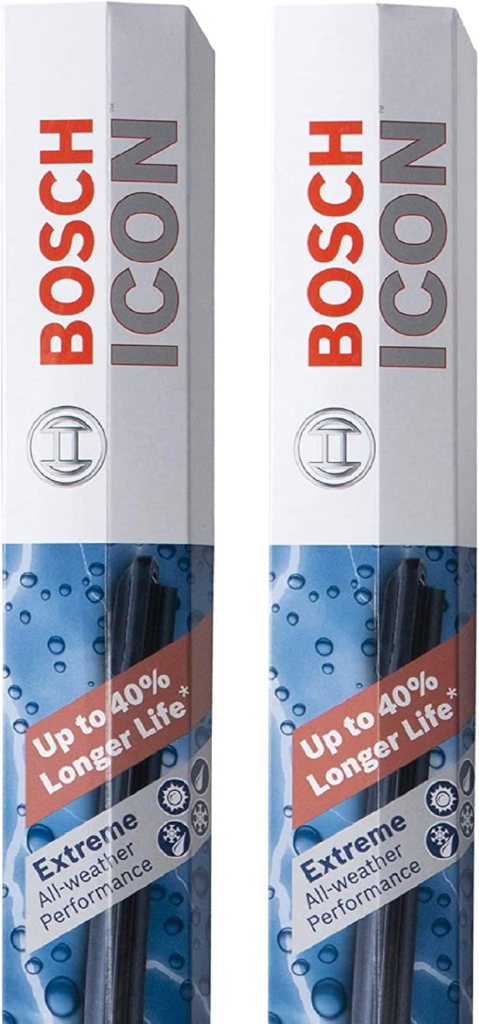
A premium beam-style wiper built for consistent windshield contact and reliable performance in rain, snow, and changing temperatures.
Review
The Bosch ICON uses a bracketless beam design to maintain even pressure across the windshield for smooth, streak-free wiping. Its durable rubber construction and aerodynamic design make it a dependable choice for year-round driving.
Pros
- Excellent all-weather performance
- Beam design provides even pressure
- Durable rubber construction
- Good resistance to snow and ice
- Smooth and quiet operation
Cons
- Higher price than conventional blades
- Premium features may be unnecessary in mild climates
2. Rain-X WeatherBeater
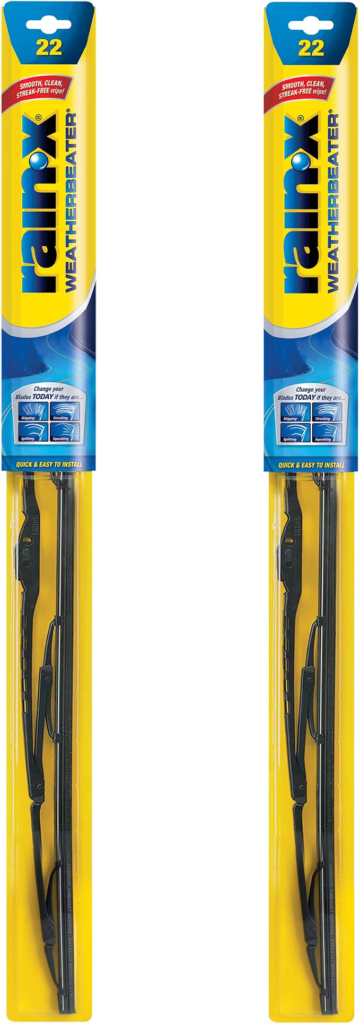
An affordable conventional wiper designed to provide dependable everyday performance without the cost of a premium beam blade.
Review
The Rain-X WeatherBeater uses a galvanized steel frame and natural rubber squeegee for consistent windshield contact. It’s a practical choice for drivers who want reliable rain performance at a lower replacement cost.
Pros
- Budget-friendly price
- Galvanized steel frame
- Natural rubber squeegee
- Multiple pressure points
- Easy installation
Cons
- Conventional frame can collect snow and ice
- Not ideal for severe winter conditions
3. Michelin Endurance XT
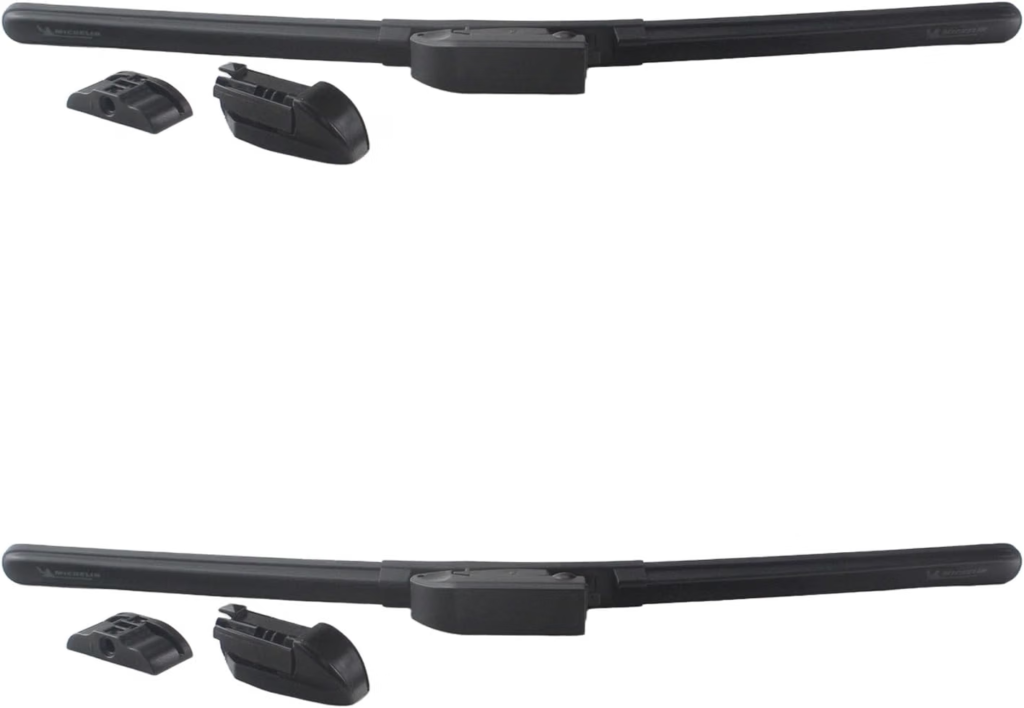
A silicone beam wiper designed for drivers who prioritize durability, water repellency, and fewer replacement cycles.
Review
The Michelin Endurance XT uses QuadTech coated silicone and a beam design for consistent windshield contact. Its silicone construction is designed to withstand temperature changes and provide a longer service life than standard rubber blades.
Pros
- Long-lasting silicone construction
- Beam design provides even pressure
- Good water-repellent performance
- Designed for extreme temperatures
- Excellent durability
Cons
- More expensive upfront
- Actual lifespan varies by climate and usage
4. Trico Ice

A winter-focused beam blade designed to handle snow, ice, freezing temperatures, and other severe winter driving conditions.
Review
The TRICO Ice uses a protective outer structure to help prevent snow and ice from interfering with the blade mechanism. Its flexible design and cold-weather construction make it particularly suitable for drivers in harsh winter climates.
Pros
- Excellent for snow and ice
- Protective winter construction
- Flexible beam design
- Designed for freezing temperatures
- Strong winter durability
Cons
- Overkill for mild climates
- Less versatile than premium all-season blades
- May cost more than basic wipers
Beam Blades vs. Conventional Blades: Which Should You Choose?
Beam blades use a single curved metal or composite spine that flexes to match the windshield’s curve, distributing pressure evenly across the entire blade length without the multiple separate brackets found in conventional blade designs. This even pressure distribution is a big part of why beam blades generally outperform conventional blades in wind, rain, and snow.
Conventional blades, using a traditional bracket-and-frame design, remain a reliable and typically less expensive option, particularly for drivers in milder climates without extreme weather demands. The performance gap between the two designs is most noticeable in harsh conditions, so drivers in areas with real winter weather generally see the clearest benefit from upgrading to a beam design.
How Often Should You Replace Wiper Blades?
Most manufacturers and independent testers recommend replacing wiper blades every 6 to 12 months, though climate and usage significantly affect actual wear rate. Blades exposed to intense sun, extreme cold, or frequent heavy use naturally degrade faster than blades in milder, more temperate conditions.
Visual and functional signs, streaking, skipping, chattering noise, or visible cracking in the rubber, are more reliable indicators than a fixed calendar schedule alone. Checking your blades at the start of both summer and winter seasons catches most developing issues before they become a visibility problem during actual driving.
Conclusion: Choosing the Best All-Weather Wiper Blades
The best all-weather wiper blades depend on your climate, driving conditions, and budget. For most drivers, the Bosch ICON is the strongest overall choice thanks to its beam design and reliable performance in rain, snow, and changing temperatures. The Rain-X WeatherBeater is a practical budget option, while the Michelin Endurance XT makes sense if long-term durability is your priority. For severe winter conditions, the TRICO Ice provides additional protection against snow and ice buildup. Whichever blade you choose, confirm the correct size and connector for your vehicle and replace worn blades when streaking, skipping, or cracking appears.
Frequently Asked Questions
What are the best wiper blades for all-weather use?
The Bosch ICON is our top overall pick for all-weather use because its beam-style design maintains consistent windshield contact in rain, snow, and changing temperatures. For severe winter conditions, the TRICO Ice is a better specialized option.
Are beam wiper blades better for winter weather?
Yes, beam wiper blades are generally well suited to winter conditions because their frameless design is less likely to collect snow and ice around multiple frame components. However, dedicated winter blades with protective covers can provide additional protection in severe snow and freezing temperatures.
Are silicone wiper blades better than rubber?
Silicone wiper blades can offer better durability and water repellency than standard rubber blades, but they usually cost more. They can be a good choice for drivers who experience strong UV exposure, temperature changes, or want longer-lasting wipers.
How long do all-weather wiper blades last?
Most wiper blades typically last around 6 to 12 months, but actual lifespan depends on climate, UV exposure, usage, and windshield conditions. Replace them sooner if you notice streaking, skipping, chattering, cracking, or reduced wiping performance.
Do I need winter wiper blades?
You don’t necessarily need separate winter wipers if you use a high-quality all-weather beam blade. However, drivers in areas with frequent heavy snow and freezing temperatures may benefit from dedicated winter blades designed to reduce ice and snow buildup.
How do I choose the correct wiper blade size?
Check your vehicle owner’s manual, manufacturer’s fitment guide, or the size of your existing blades. Many vehicles use different blade lengths on the driver and passenger sides, so verify both sides before purchasing.
Can I replace windshield wiper blades myself?
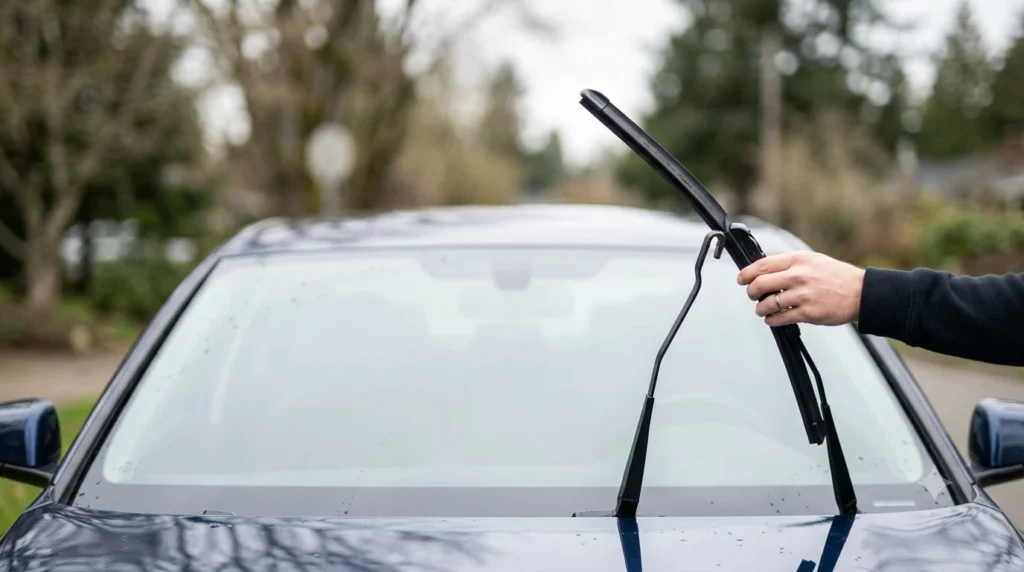
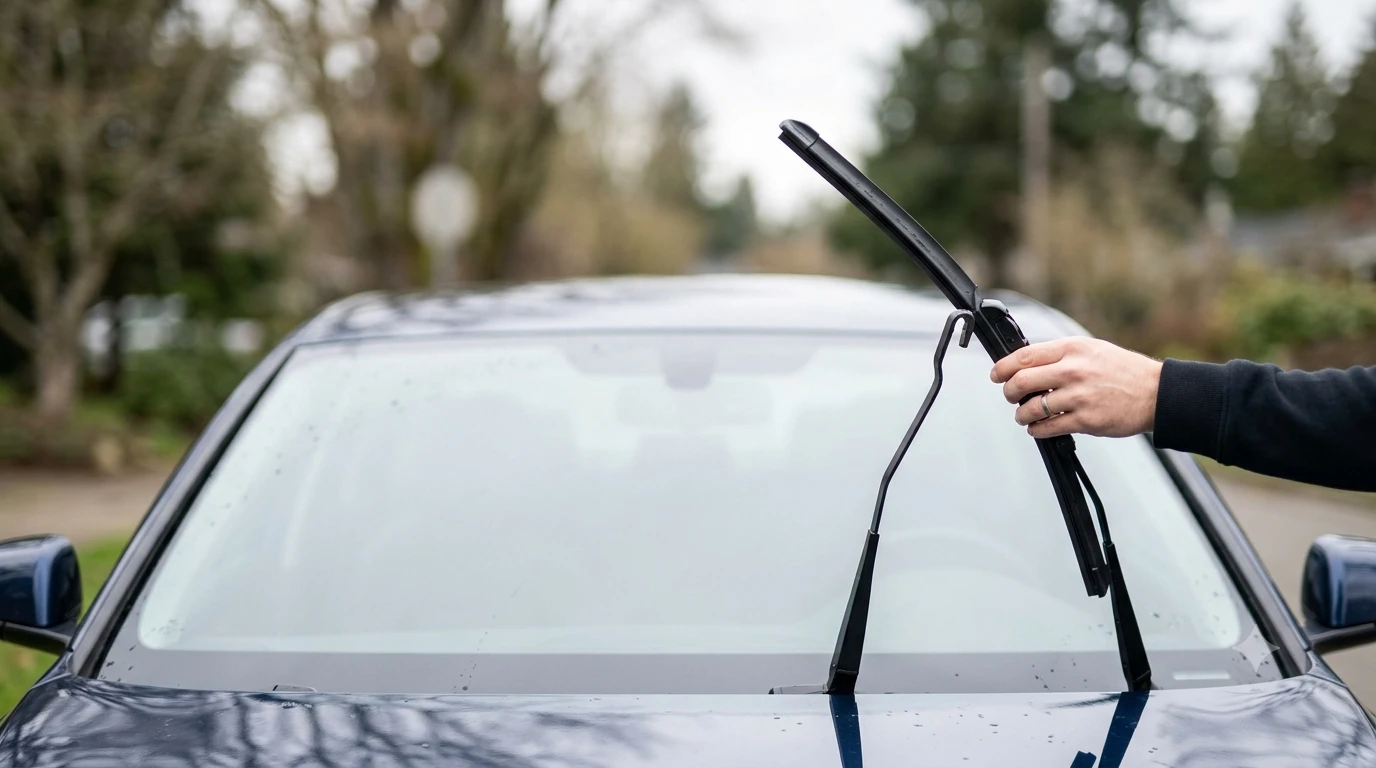
Yes. Most modern wiper blades use a simple hook, clip, or adapter system that allows them to be replaced without specialized tools. Make sure the new blade is securely attached before lowering the wiper arm onto the windshield.
Why are my new wiper blades still streaking?
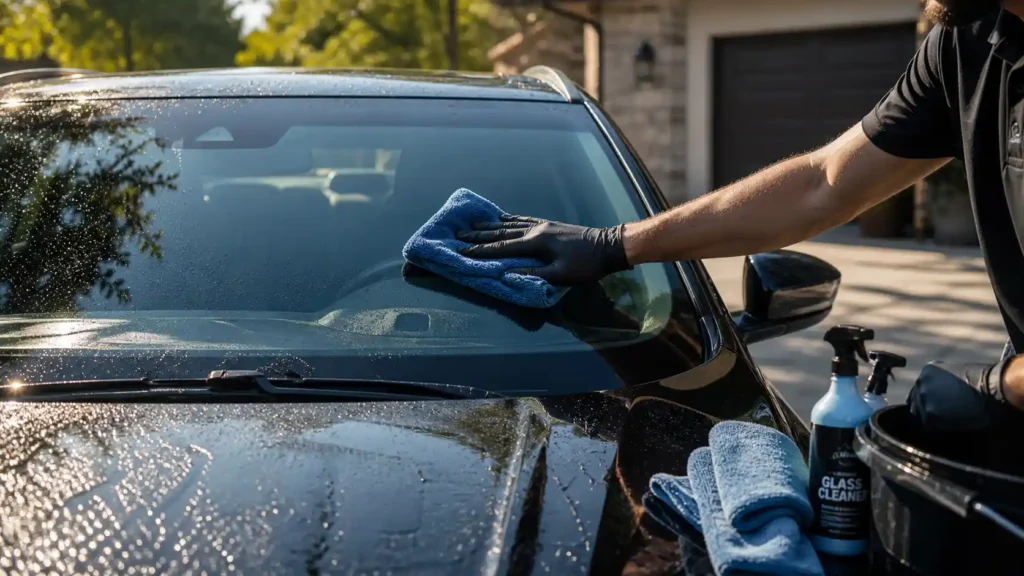
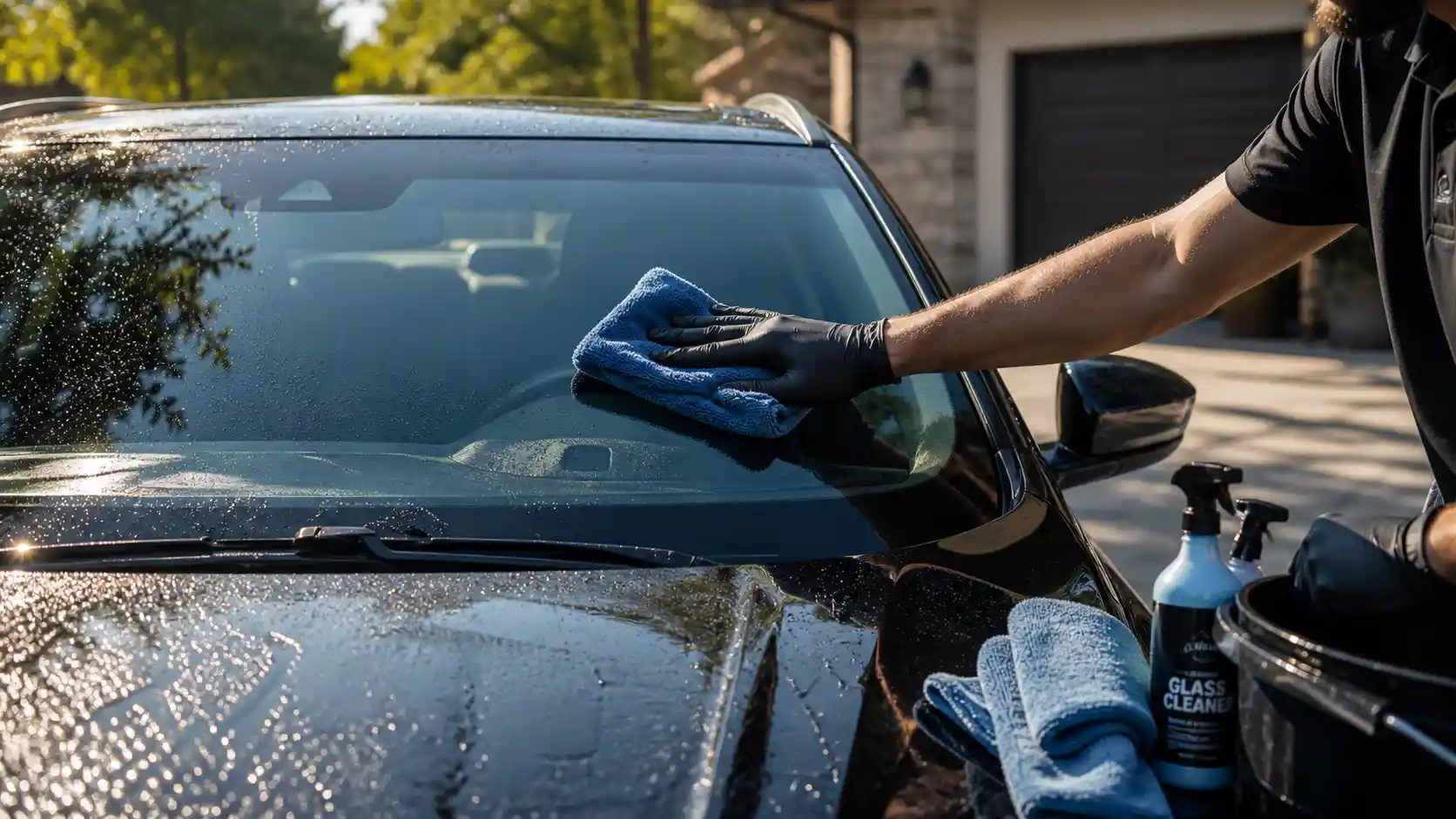
New blades can streak because of dirt, grease, wax residue, or contamination on the windshield. Clean both the windshield and the blade’s wiping edge first. If streaking continues, check that the blade is correctly installed and compatible with your vehicle.