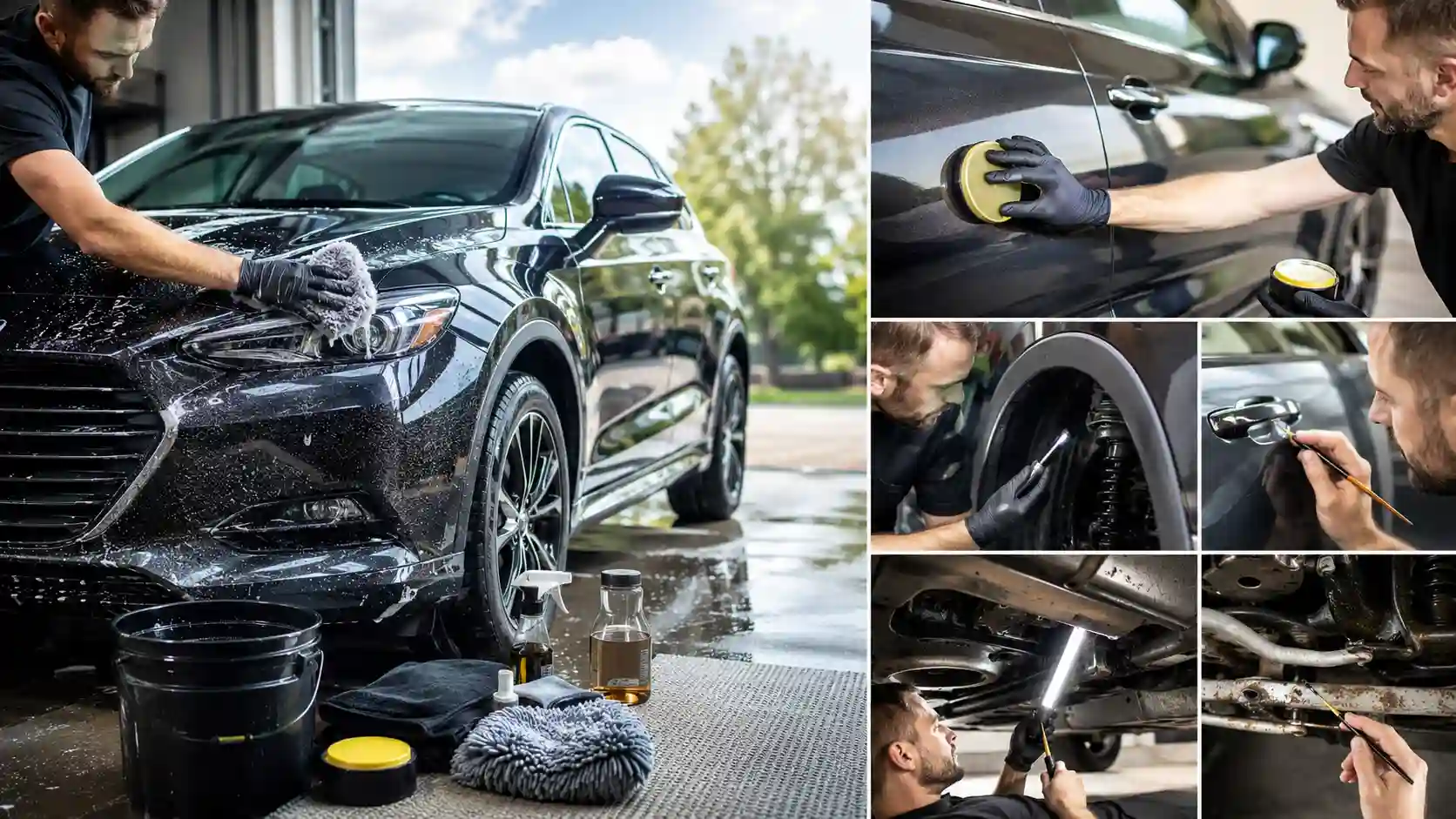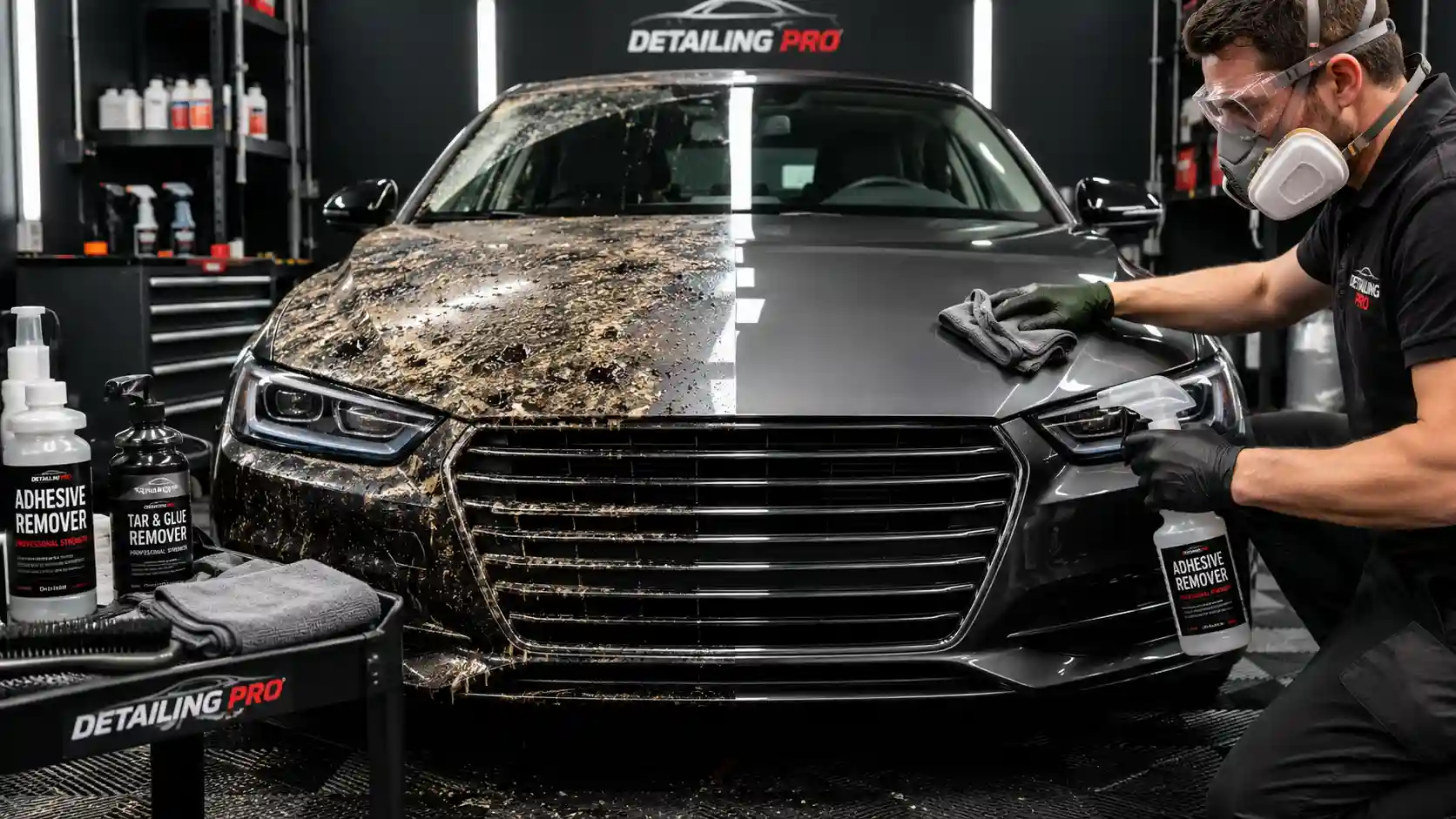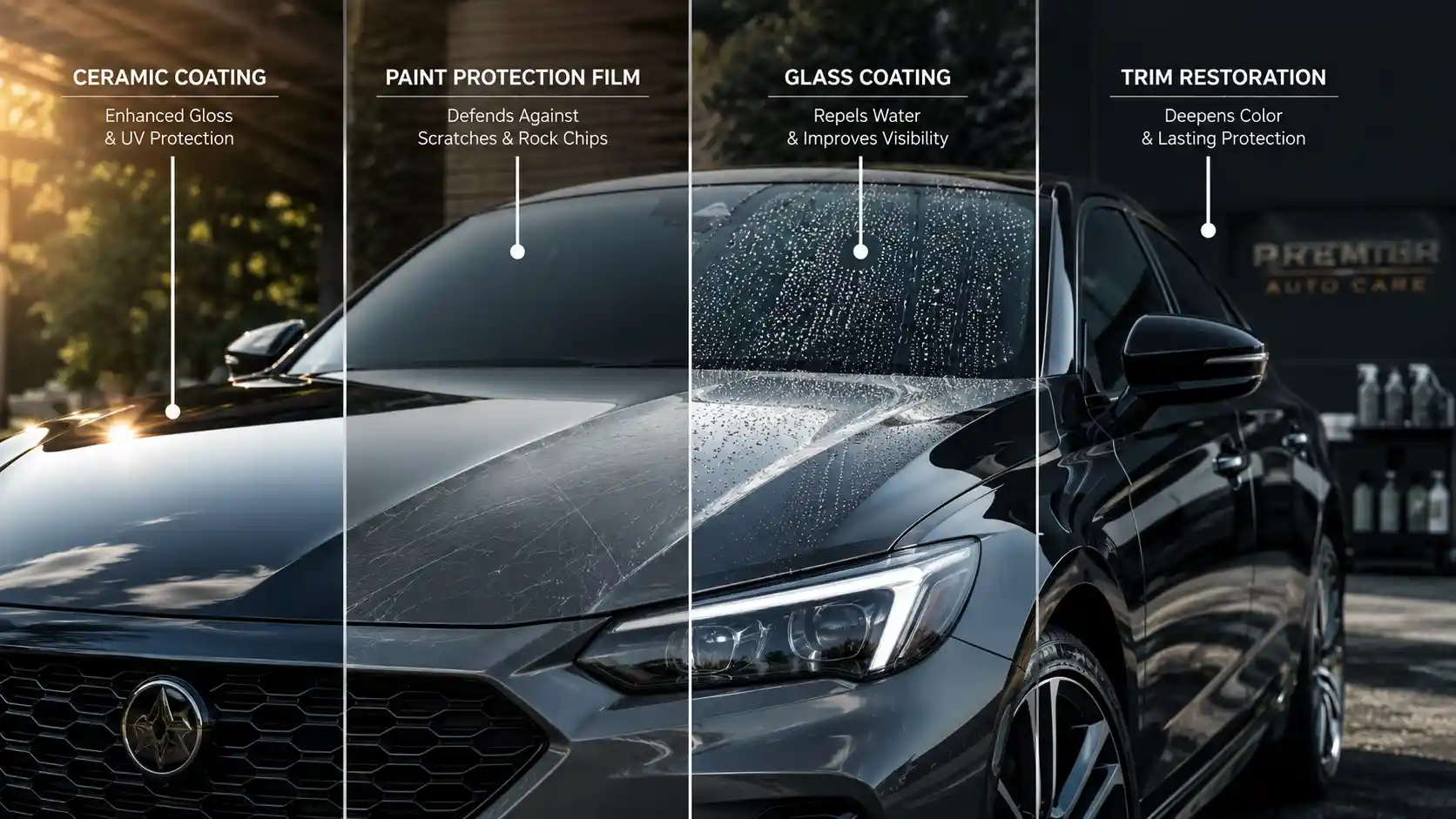
Corrosion and rust inhibitors for cars are protective products that slow the reaction between metal, moisture, oxygen, and contaminants like road salt. In simple terms, they reduce the chance of rust forming and help slow its spread.
Rust develops when steel reacts with water and oxygen, and this process accelerates in humid or salty conditions. Critical areas like the underbody, seams, and brake lines are especially vulnerable because they trap moisture and dirt.
Rust inhibitors work by creating a barrier or disrupting the corrosion process. Using them early helps protect structural integrity, reduce repair costs, and maintain a vehicle’s lifespan, safety, and resale value.
Why Rust and Corrosion Matter for Cars
Rust and corrosion matter because they do more than make a car look old. Over time, they can weaken metal, damage coatings, shorten component life, increase repair costs, and in serious cases affect safety-critical parts such as brake lines, fuel lines, suspension mounts, and structural areas.
This is not a small issue in real-world driving. The EPA says road salt contributes to corrosion affecting cars, trucks, bridges, and roads and results in about $5 billion in annual repairs in the United States alone. NHTSA-related service bulletins and recalls also show that corrosion in brake lines and underbody areas is serious enough to trigger inspections, anti-corrosion treatments, part replacement, and safety campaigns in salt-use states.
Rust also matters more now because vehicles are staying in service longer. S&P Global Mobility reported that the average age of vehicles in the United States reached 12.6 years in 2024 and 12.8 years in 2025, which means more cars spend more years exposed to weather, salt, humidity, and paint damage. The longer a vehicle stays on the road, the more valuable preventive corrosion control becomes.
What Causes Rust on a Car?
Rust starts when iron or steel is exposed to oxygen and moisture for long enough that oxidation begins. On a car, that process speeds up when salt, trapped dirt, paint damage, and constant wet-dry cycles are added to the mix.
Most vehicle rust is not caused by one dramatic event. It usually develops from repeated exposure in overlooked places such as undercarriages, seams, wheel arches, door bottoms, and chipped painted areas. These conditions allow water and contaminants to stay in contact with metal longer than they should.
Moisture and Oxygen Exposure
Rust needs moisture and oxygen to form. Britannica explains that iron oxide forms when metallic iron reacts with oxygen and water, and that moisture helps the electrochemical reaction move forward. In simple terms, if steel stays wet often enough and oxygen can reach it, corrosion can begin.
This is why repeated wet exposure matters even when a car is not driven in snow. Rainwater, trapped condensation, puddle spray, and long periods of dampness all create time for corrosion to start. If those wet areas do not dry well because they sit inside seams or behind trim, the risk goes up.
Road Salt and Winter Chemicals
Road salt is one of the biggest rust accelerators on a vehicle. Salt does not create rust by itself, but it makes the corrosion process faster by increasing conductivity and helping moisture stay active on metal surfaces longer.
The EPA says road salt has corrosive effects on vehicles, and AAA advises regular washing because salt left on a vehicle can cause long-term corrosion. NHTSA campaign materials also describe brake-line and underbody corrosion in areas exposed to winter road salt. That is why rust problems are often much worse in regions where roads are heavily treated in winter.
Humidity, Rain, and Coastal Air
High humidity increases the amount of moisture available on metal surfaces, while rain keeps the vehicle repeatedly wet. Coastal air adds salt-rich moisture to the environment, which can make corrosion more aggressive even without winter road treatment.
Research on atmospheric corrosion in coastal regions notes that sea salt aerosols are a major factor in corrosion risk near maritime environments. General engineering references on salt spray also explain that salt-rich moisture increases corrosion rate on metals. This is why vehicles near the ocean, in tropical humidity, or in long rainy seasons often need rust prevention even if they never see snow.
Paint Chips, Scratches, and Bare Metal Exposure
Paint is one of the car’s first protective barriers against corrosion. When that barrier is chipped, scratched, or worn through, the metal underneath becomes more exposed to water, oxygen, and contaminants.
This is why a small stone chip can become a rust point if it is ignored. The damage may look minor at first, but once bare steel is exposed, oxidation can begin and spread beneath surrounding paint. Rust often starts at the smallest weak spot and then works outward from there.
Dirt Build-Up in Seams, Joints, and Undercarriages
Dirt does more than make the underside look messy. Mud, road film, and packed debris can trap water and salt against metal for long periods, especially in seams, pinch welds, underbody cavities, and joint areas.
AAA specifically recommends undercarriage cleaning because road contamination can remain underneath the vehicle and cause corrosion. Dirt packed into hidden areas also slows drying, which keeps the metal wet longer and creates ideal conditions for rust to spread quietly out of sight.
How Rust Forms on Vehicle Metal Surfaces
Rust forms through an electrochemical oxidation process that gradually changes iron or steel into iron oxides and related corrosion products. On a vehicle, this process usually begins when protective coatings fail or when contaminants keep the metal surface wet for too long.
Once corrosion begins, the problem often grows faster than people expect because rust does not form a strong sealed layer that protects the metal underneath. Instead, it usually flakes, lifts, and exposes fresh metal to more attack.
The Oxidation Process
The oxidation process begins when iron reacts with oxygen and water. Britannica explains that atoms on the metal surface lose electrons, form iron ions, and combine with water and oxygen to produce hydrated oxides that later dry into rust-related compounds. Scientific literature also describes iron corrosion as an electrochemical process.
For vehicle owners, the simple version is this: metal gets wet, oxygen is present, and the reaction slowly eats away at the steel. If salt is present, that reaction becomes faster. That is why even a small wet and salty area under a car can become a long-term corrosion point if it keeps being exposed.
Why Steel and Iron Components Are Vulnerable
Steel and iron components are vulnerable because rust is the specific form of corrosion associated with iron-based metals. Many of the most exposed and most important vehicle parts, including subframes, brackets, rails, hardware, brake lines, suspension components, and underbody structures, are steel-based.
Modern vehicles do include factory corrosion protection, coatings, and design improvements, but those systems are not permanent shields against years of impact damage, salt exposure, humidity, and abrasion. Consumer Reports has noted that modern cars already come with corrosion protection from the factory, but real-world exposure still causes rust problems over time, especially underneath and in hidden sections.
How Corrosion Spreads Once It Starts
Corrosion spreads because rust is porous and unstable compared with intact metal or intact paint. Once the original barrier is broken and rust forms, the damaged area can hold moisture, lift nearby coating, and expose adjacent metal.
This is why bubbling paint is often a warning sign. The rust may already be spreading underneath the surface. It also explains why hidden seams and spot-welded joints become high-risk areas. Moisture gets in, drying is poor, corrosion starts in a small pocket, and then the problem expands before it becomes visible from the outside.
How Corrosion and Rust Inhibitors Work
Corrosion and rust inhibitors work by interrupting one or more parts of the rusting process. They may block moisture, reduce oxygen contact, leave behind protective films, or deliver chemical inhibitors into areas where corrosion tends to begin.
The best products are usually not just surface dressings. They are designed to stay where applied, creep into tight gaps, resist wash-off for a practical period, and protect the vulnerable areas that are hardest to keep dry.
Moisture-Blocking Barrier Protection
Many rust inhibitors work by creating a barrier between metal and the environment. That barrier can be oily, waxy, or coating-like depending on the product type.
The barrier matters because rust needs access to moisture to keep progressing. If water cannot sit directly on the metal surface, corrosion slows down. This is also the basic idea behind many protective metal systems in general: separating the metal from water and oxygen lowers the chance of oxidation.
Oxygen Interruption on Metal Surfaces
Oxygen is the other major requirement for rust formation. A good inhibitor film reduces oxygen access by covering exposed or vulnerable metal so air cannot interact as easily with the surface.
This does not mean the metal is sealed forever. It means the environment has been made less favorable for corrosion. That is why inhibitor coverage quality matters so much. Thin missed spots, scraped areas, and exposed edges can still become starting points for rust.
Chemical Inhibitors That Slow Oxidation
Some products do more than physically coat the surface. They also contain corrosion-inhibiting chemistry that slows the electrochemical reaction at the metal surface.
That chemical effect is especially useful in areas where perfect coating thickness is hard to maintain. Even when the barrier is not heavy like a thick underbody coating, the chemistry can still help reduce corrosion activity and delay further damage. In simple terms, these products are designed not only to cover the metal but to make the metal-environment reaction less aggressive.
Penetration Into Seams, Welds, and Hidden Cavities
One of the biggest advantages of liquid or creeping rust inhibitors is penetration. Many rust problems begin in places that are difficult to inspect and even harder to dry completely, such as seams, folds, rocker panels, door bottoms, weld flanges, and internal cavities.
A product that can move into those spaces is often more useful than one that only protects visible flat metal. Hidden areas are where trapped moisture and salt can sit for long periods. That is why cavity treatments and seam-penetrating sprays are so important in practical rust prevention.
Why Rust Inhibitors Matter for Vehicle Protection
Rust inhibitors matter because corrosion rarely stays cosmetic for long. Once metal starts degrading, the problem can move from appearance to durability, and then to repair cost and safety.
These products help protect the areas most people do not see every day. That matters because a car can still look good on the outside while rust is developing underneath, inside seams, or around hidden joints.
Structural Protection
Rust inhibitors help protect the metal that supports the body and underbody of the vehicle. This includes frame sections, brackets, seams, rails, and welded areas that hold important parts together.
When corrosion is slowed early, the metal keeps its strength longer. That does not mean inhibitors can repair weakened steel, but they can help delay the kind of surface breakdown that eventually turns into deeper structural damage.
Longer Vehicle Lifespan
A vehicle lasts longer when its metal surfaces stay in better condition. Rust is cumulative, which means every year of unprotected exposure adds more risk.
If moisture, salt, and dirt are kept from sitting on vulnerable areas, the body and underbody usually hold up better over time. This is especially important for owners who plan to keep a vehicle for many years rather than trade it in quickly.
Lower Repair Costs
Rust is usually cheaper to prevent than to repair. A small amount of early protection can cost far less than welding, line replacement, panel repair, or major underbody restoration later.
Once corrosion spreads into seams, brake line areas, mounts, or body edges, the repair process becomes more complex. That is why rust inhibitors are often part of preventive maintenance rather than just a reaction after visible damage appears.
Better Resale Value
A vehicle with less visible rust and less underbody corrosion usually presents better to buyers. Paint bubbles, rusty wheel arches, corroded seams, and flaking underbody sections can make a car look neglected even if it still drives well.
Keeping rust under control helps preserve condition. That can support resale value because buyers often see corrosion as a sign of long-term risk, not just a cosmetic flaw.
Improved Safety in Critical Metal Components
Rust inhibitors also matter because some of the most corrosion-sensitive parts are safety-related. Brake lines, fuel lines, suspension hardware, mounting points, and underbody supports all depend on sound metal.
If corrosion is slowed in these areas, the risk of serious deterioration is reduced. This is one of the strongest reasons rust protection matters beyond appearance alone.
What Types of Rust Inhibitors Are Used for Cars?
Rust inhibitors for cars come in several forms. Some stay soft and creep into gaps. Some dry into a waxy layer. Some are better for short-term protection, while others are made for longer-term underbody or cavity treatment.
The right type depends on where the product will be used, how much rust is already present, and how long the protection needs to last.
1. Oil-Based Rust Inhibitors
Oil-based rust inhibitors are thin, creeping products that spread into seams, joints, folds, and hidden cavities. They are commonly used when penetration matters more than a dry finish.
These products are useful for door bottoms, rocker cavities, weld seams, and underbody areas with tight gaps. They can displace moisture and reach places thicker coatings often miss. The tradeoff is that they may need more regular reapplication because they stay soft and can gradually wash away.
2. Wax-Based Rust Inhibitors
Wax-based rust inhibitors leave a thicker, more durable protective film than oil-based products. Once they set, they form a moisture-resistant barrier over the metal surface.
These are often used for cavity protection, inner panels, and underbody sections where longer-lasting coating behavior is useful. They usually do not creep as deeply as thin oil products, but they often provide a stronger staying layer where direct exposure is higher.
3. Solvent-Based Anti-Corrosion Sprays
Solvent-based anti-corrosion sprays are designed to spread easily during application and then leave behind a protective film after the carrier evaporates. They are common in aerosol products for spot treatment and maintenance use.
These sprays can work well for fast application on underbody sections, brackets, fasteners, and exposed metal. Their performance depends heavily on the formula, film thickness, and how clean the surface is before use.
4. Lanolin-Based Rust Protection Products
Lanolin-based products use wool wax derivatives to create a soft, water-resistant coating. They are popular because they tend to creep well, resist moisture, and remain flexible rather than becoming brittle.
These products are often used on undercarriages, battery areas, trailer components, marine-exposed parts, and seams. They are especially valued in climates where repeated moisture and salt exposure are common.
5. Rust Preventive Coatings
Rust preventive coatings are thicker products designed to create a more durable protective layer over prepared metal. Some are brush-on, some are spray-on, and some are made to topcoat cleaned or treated rust-prone areas.
These coatings are often used when a more substantial barrier is needed. They usually require better prep than soft inhibitors and work best on cleaned, stable surfaces rather than dirt-covered or wet metal.
6. Cavity Wax and Internal Panel Protection
Cavity wax is made for enclosed body sections where rust often starts from the inside. This includes rocker panels, doors, tailgates, quarter panels, and other hollow areas with seams and drain paths.
It is useful because these places are hard to inspect and easy to overlook. Once moisture enters and stays trapped, corrosion can begin inside the panel long before it is visible outside. Cavity wax helps protect those hidden sections before the damage shows.
What Is the Difference Between Rust Inhibitors, Rust Proofing, and Undercoating?
| Feature / Aspect | Rust Inhibitors | Rust Proofing | Undercoating |
|---|---|---|---|
| Definition | Chemical products that slow down or prevent corrosion | A complete vehicle protection process against rust | A thick protective layer applied mainly to the vehicle’s underside |
| Scope | Targeted treatment | Full-vehicle protection strategy | Focused on underbody protection |
| Primary Function | Stops or slows oxidation (rust formation) | Prevents rust using multiple methods | Shields against moisture, debris, and physical damage |
| Application Areas | Cavities, seams, joints, hidden areas | Entire vehicle including cavities, seams, and underbody | Underside (chassis, wheel wells, floor panels) |
| Material Type | Thin, penetrating oils or chemical coatings | Combination of sprays, sealants, and coatings | Thick rubberized, asphalt-based, or wax coatings |
| Penetration Ability | High (can creep into tight and hidden areas) | Medium to high (depends on methods used) | Low (surface-level protection only) |
| Protection Type | Chemical corrosion resistance | Comprehensive rust prevention | Physical barrier protection |
| Durability | Moderate (may require reapplication) | Long-lasting if properly maintained | High durability against impact and abrasion |
| Best Use Case | Preventing rust in hard-to-reach areas | Long-term vehicle rust prevention | Protecting the underbody from harsh road conditions |
| Role in System | A component within rust protection systems | The overall strategy | A specific method within rust proofing |
| Cost Level | Low to moderate | Moderate to high | Moderate |
Where Rust Inhibitors Are Applied on a Car
Rust inhibitors are applied where moisture, salt, dirt, and trapped debris tend to stay longest. These areas are often hidden, low on the vehicle, or shaped in a way that prevents quick drying.
The goal is to protect the places where corrosion usually begins first, not just the places that are easy to see.
Undercarriage and Frame Rails
The undercarriage is one of the most common areas for rust protection because it faces constant exposure to road spray, grit, salt, and standing moisture. Frame rails, crossmembers, brackets, and floor edges are all high-risk sections.
These surfaces are exposed every time the car is driven in rain or on treated roads. A good rust inhibitor helps shield the metal and reduce the time moisture stays in direct contact with it.
Wheel Wells
Wheel wells collect road splash, mud, slush, and salt. They also face repeated impact from debris thrown by the tires.
That combination makes them one of the first places where corrosion can begin. Rust protection here is useful because wheel wells often stay dirty and damp longer than outer painted body panels.
Rocker Panels
Rocker panels sit low along the side of the vehicle and are exposed to road spray, trapped dirt, and internal moisture. They are also vulnerable because many rocker sections include enclosed cavities that are hard to inspect.
Rust inhibitors are often used both on the outside seam areas and inside the rocker cavities. This helps protect the part of the vehicle that often rusts from the inside out.
Door Bottoms and Inner Cavities
Door bottoms are common rust points because water enters doors during normal use and is supposed to drain out through small openings. If drain holes clog or moisture stays trapped, rust can begin inside the lower edge.
Applying inhibitor or cavity wax inside the door helps protect the inner seam and folded metal sections where corrosion often starts before it becomes visible outside.
Hood, Trunk, and Tailgate Seams
Seams around the hood, trunk, and tailgate can trap moisture, especially where folded edges and spot welds are present. These areas may not look dangerous at first, but they are common starting points for edge rust.
A rust inhibitor helps protect these narrow spaces where paint coverage and drying conditions may not always be ideal.
Brake Lines and Fuel Lines
Brake lines and fuel lines are important corrosion-prone components, especially underneath the car. They are exposed to spray, salt, and road grime while also being critical to vehicle function.
Thin, targeted corrosion protection can help these metal lines stay in better condition longer. This area deserves extra care because corrosion here is more than cosmetic.
Which Parts of a Car Rust First?
Cars usually rust first in the places that stay wet, collect salt, or lose paint protection early. These are often lower-body and underbody areas rather than the center of large painted panels.
Knowing the early rust zones helps owners inspect smarter and protect the car before corrosion becomes expensive.
Underside Components
The underside usually rusts first because it faces the harshest environment. Water, salt, gravel, mud, and road debris all strike this area directly.
Subframes, rails, brackets, exhaust hangers, fasteners, and mounting hardware are often the first to show surface corrosion. This is why underbody inspections are so important.
Wheel Arches
Wheel arches are constantly blasted by whatever the tires pick up. That includes slush, road salt, wet dirt, and fine grit.
Because of that, wheel arches often show rust before higher body panels do. If debris builds up behind liners or around lip edges, corrosion can spread faster.
Door Edges and Lower Panels
Door bottoms and lower body edges are common early rust points because they collect water and are more likely to suffer from blocked drains, trapped dirt, and chip damage.
These parts also experience repeated wetting during rain and washing. If the paint or seam sealer weakens, rust can begin under the edge and spread outward.
Suspension and Fasteners
Suspension hardware and exposed fasteners often show visible rust early because they are directly exposed and usually not protected by cosmetic paint finishes the way outer body panels are.
Some surface corrosion here is common with age, but if it becomes heavy, layered, or flaky, it may indicate the need for better cleaning, better rust protection, or closer inspection.
Exposed Metal Chips in Painted Areas
Stone chips and scratches in painted panels can become small rust starting points, especially near wheel openings, lower doors, hood fronts, and rocker areas.
These spots may look minor at first, but once bare metal is exposed, moisture and oxygen can begin the oxidation process. Touching them up early makes a big difference.
How to Choose the Right Rust Inhibitor for a Car
The right rust inhibitor depends on the car’s condition, the environment it lives in, and what kind of protection you want from the product. There is no single best choice for every situation.
A newer car in a mild climate may need a different solution than an older vehicle driven on salted winter roads. The best product is the one that matches both the risk level and the application area.
Vehicle Age and Condition
Older vehicles usually need more targeted and more frequent protection because coatings may already be worn and early corrosion may already be present.
A newer car may benefit more from preventive cavity and underbody treatment before visible rust appears. An older car may need products that can creep into existing seams and help slow down active corrosion points.
Climate and Driving Environment
Climate changes everything in rust prevention. Snow regions with road salt, coastal areas with salty air, wet tropical regions, and off-road muddy use all increase corrosion risk.
A dry climate with garage storage places far less stress on metal than a wet, salty, or humid environment. The harsher the environment, the more important regular rust protection becomes.
Existing Rust vs Preventive Protection
If the vehicle has no visible rust, the goal is prevention. In that case, cavity wax, oil-based inhibitors, or underbody sprays may be enough to build a strong maintenance routine.
If rust is already present, the focus changes. You may need cleaning, loose rust removal, and a product that can stabilize or protect the affected area rather than simply coat over it.
DIY Use vs Professional Application
Some products are easy for owners to apply at home with aerosol cans or trigger sprayers. Others work best with professional wands, lift access, cavity tools, and full underbody coverage.
The right choice depends on how much access you have and how complete you want the treatment to be. DIY can work well for maintenance and spot protection. Professional treatment often makes more sense for full-vehicle coverage and hidden internal cavities.
Short-Term vs Long-Term Protection Needs
Some inhibitors are designed for easy reapplication and regular maintenance. Others are made to last longer between treatments.
If you want a flexible product for seasonal upkeep, a softer creeping inhibitor may be a smart choice. If you want a more durable barrier for exposed underbody areas, a stronger wax or coating-based option may suit the job better.
How to Apply Rust Inhibitors on a Car Step by Step
Applying rust inhibitors correctly matters as much as choosing the right product. Even a good formula will struggle if it is sprayed onto dirt, trapped moisture, or unstable flaky rust.
The process should focus on clean surfaces, good coverage, hidden areas, and enough time for the product to settle properly.
Clean the Surface First
Always start with a clean surface. Remove mud, salt, road film, and loose dirt from the underbody or treatment area before applying anything.
If debris is left in place, the product may sit on top of contamination instead of reaching the metal. That reduces protection and can trap moisture where you do not want it.
Remove Loose Rust and Contamination
Loose flaky rust should be removed before treatment where possible. You do not need to make every area look perfect, but unstable corrosion should not be left sitting under a protective product.
A wire brush, abrasive pad, or other suitable prep tool can help clear away weak material. This gives the inhibitor a better surface to work with and makes inspection easier.
Dry the Area Properly
The surface should be dry before application unless the product is specifically designed for wet conditions. Moisture trapped under a coating or barrier product can reduce effectiveness.
Drying matters most in seams, underbody corners, and cavities where water likes to stay hidden. If needed, allow extra time after washing before starting treatment.
Apply the Product Evenly
Apply the rust inhibitor in a controlled, even way. Avoid huge heavy patches in one area and missed sections in another.
The product should coat the vulnerable metal without leaving obvious untreated gaps. Good coverage is especially important along edges, folds, fasteners, and overlap joints.
Reach Hidden Cavities and Seams
Do not focus only on the visible surfaces. Some of the most important areas are the places you cannot easily see, such as rocker cavities, door bottoms, seams, folds, and internal panel sections.
This is where extension wands, cavity tools, or directional nozzles become useful. Rust often starts in hidden areas first, so these spaces should not be skipped.
Allow Proper Cure or Set Time
Some products stay soft. Others need time to flash off, set, or cure into a more stable protective layer. Follow the product directions and allow enough time before exposing the area to water or heavy driving conditions.
Rushing this stage can reduce how well the product stays in place. Good protection depends on giving the treatment time to settle properly.
Reinspect and Reapply When Needed
After the initial application, inspect the treated area again later. Look for thin spots, wash-off, missed seams, or places where the product did not reach properly.
Rust prevention works best as a routine, not a one-time guess. Reinspection helps you catch weak areas before corrosion gets started again.
When Should You Apply Rust Inhibitors to a Car?
Rust inhibitors should be applied before the harshest corrosion conditions arrive or as soon as early rust signs appear. Timing matters because preventive treatment works best before moisture and salt spend months attacking the metal.
A car that already has some rust can still benefit from treatment, but the best results usually come when protection starts early.
Before Winter Driving Season
One of the best times to apply rust inhibitors is before winter. This gives the vehicle a protective layer before road salt, slush, and freeze-thaw moisture cycles begin.
Starting before winter helps reduce direct exposure during the season when corrosion risk is often highest.
After Buying a New Car
Applying rust protection soon after buying a new car can help preserve the underbody and hidden cavities before wear and damage begin.
This can be a smart move for people who plan to keep the vehicle long term or live in areas with winter salt, humidity, or coastal exposure.
After Washing and Undercarriage Cleaning
A clean vehicle is easier to treat properly. After a thorough wash and undercarriage cleaning, the metal surfaces are easier to inspect and prepare.
This timing works well for maintenance applications because the product can reach the surface more effectively without layers of grime in the way.
At the First Sign of Surface Rust
If you notice orange spots, seam discoloration, or early corrosion around chips or underbody parts, that is a good time to act.
Early treatment cannot reverse severe damage, but it can help slow down minor rust before it spreads into a larger repair problem.
How Often Should Rust Inhibitors Be Reapplied?
Rust inhibitors should be reapplied based on the product type, the climate, and how the car is used. There is no single schedule that fits every vehicle.
Soft oil-based and lanolin-style products often need more frequent reapplication because they creep well but can gradually wear away. Waxier and more durable coatings may last longer, but they still need inspection because road spray, abrasion, and seasonal washing can thin them out over time.
For many daily driven vehicles in harsh climates, checking protection once or twice a year is a smart habit. Before winter and after winter are common inspection points. Cars in mild dry climates may need less frequent treatment.
The safest approach is to inspect regularly instead of assuming one application lasts forever. Rust prevention works best when it is maintained before the protective layer disappears.
Do Rust Inhibitors Work on Cars With Existing Rust?
Yes, rust inhibitors can still help on cars with existing rust, but their role depends on how advanced the corrosion is. They are best at slowing early and moderate rust, not repairing deeply damaged metal.
That means they can be useful, but only if expectations are realistic. The earlier the treatment begins, the better the result usually is.
Surface Rust
Surface rust is the stage where the metal shows light orange or brown oxidation but has not yet lost major thickness or started flaking badly.
This is the best stage for inhibitor use on an already affected area. After cleaning and removing loose contamination, a suitable inhibitor can help slow the spread and protect the surrounding metal.
Early Corrosion in Seams and Joints
Rust inhibitors can also help when corrosion is starting in seams, folds, and joints. These areas are difficult because moisture stays trapped and the rust may begin under the edge of the metal overlap.
A creeping product can be especially useful here because it reaches into the narrow spaces where corrosion tends to grow. It may not make the area look new, but it can help reduce how fast the problem worsens.
Limits of Rust Inhibitors on Advanced Rust Damage
Once corrosion becomes heavy, flaky, perforated, or structurally damaging, rust inhibitors are no longer a full solution. They can help protect nearby areas, but they cannot rebuild lost metal or restore failed structure.
At that stage, proper repair is usually needed. The inhibitor can still be part of the post-repair protection plan, but it cannot replace the repair itself.
What Rust Inhibitors Can and Cannot Do
Rust inhibitors are useful, but they are not magic. They work best when they are used early, applied correctly, and treated as part of a larger maintenance routine.
A lot of disappointment with rust protection comes from expecting the wrong result. These products can slow damage and help prevent new corrosion, but they cannot reverse severe metal loss.
What They Can Prevent
Rust inhibitors can help prevent moisture and corrosive contaminants from staying in direct contact with vulnerable metal. They can also reduce the chance that hidden seams, underbody sections, and cavities become early rust starting points.
When used before major corrosion begins, they can delay the conditions that lead to oxidation. This is where they deliver the most value.
What They Can Slow Down
If a car already has light rust or early seam corrosion, inhibitors can often slow further spread. They may reduce how quickly oxidation continues by limiting moisture access and helping protect surrounding metal.
This is especially useful when the damage is still in an early stage. The goal at that point is not perfection. The goal is control.
What They Cannot Repair
Rust inhibitors cannot replace missing metal. They cannot fix perforation, rebuild structural strength, or permanently solve severe flaking corrosion.
They also cannot make advanced rust disappear just because a product was sprayed on top. Once the metal is badly weakened, repair work is the real solution.
Rust Inhibitor Spray vs Underbody Coating
Rust inhibitor spray and underbody coating both help protect a vehicle, but they do it in different ways. One is usually better at creeping into tight spaces, while the other is usually better at forming a thicker underside barrier.
Choosing between them depends on the area being treated and the kind of protection the vehicle needs most.
Coverage and Penetration
Rust inhibitor spray is usually thinner and better at reaching seams, joints, overlaps, and hidden cavities. That makes it useful for internal rust-prone areas where a thick coating cannot easily reach.
Underbody coating is usually thicker and more focused on surface coverage. It protects exposed lower sections from water, debris, and abrasion, but it may not penetrate narrow internal spaces the way a spray inhibitor can.
Durability and Maintenance
A thicker underbody coating may last longer on exposed surfaces because it resists wash-off and physical impact better. That makes it a strong option for the underside of vehicles driven in rough or wet conditions.
Rust inhibitor sprays often need more regular maintenance, especially if they stay soft or are used in areas with frequent road spray. Their advantage is that they are easier to refresh and better at reaching complex metal shapes.
Best Use Cases for Each Method
Rust inhibitor spray is often best for seams, cavities, inner panels, brake line areas, rocker interiors, and maintenance treatment on existing vehicles.
Underbody coating is often best for exposed underside sections where a thicker barrier is useful. In many cases, the best approach is not one or the other. It is using each where it makes the most sense.
DIY Rust Inhibitor Application vs Professional Rust Protection
Rust protection can be done at home or by a professional. Both options can work, but they are not equal in access, coverage, and equipment.
The right choice depends on the vehicle, the owner’s skill, and how complete the treatment needs to be.
When DIY Protection Is Enough
DIY protection is enough when the goal is routine maintenance, spot treatment, or light preventive coverage on accessible areas. It works well for owners who inspect their cars regularly and are willing to reapply protection when needed.
This approach can be effective for wheel wells, exposed underbody sections, visible seams, and chip-prone areas. It is also useful for keeping an already protected car maintained between larger services.
When Professional Treatment Makes More Sense
Professional treatment makes more sense when the vehicle needs full cavity coverage, lift access, internal panel treatment, or more complete underbody protection.
It is also useful when the owner wants protection in places that are difficult to reach without special tools. Hidden rocker interiors, internal body cavities, and full-coverage underbody work are often easier to handle properly in a professional setup.
Cost, Coverage, and Convenience
DIY is usually cheaper upfront and gives the owner direct control over the process. The tradeoff is time, physical effort, and the limits of home access.
Professional service costs more, but it usually offers faster application, better reach, and more complete coverage. For many owners, the choice comes down to whether they want basic maintenance or a more comprehensive treatment.
Common Mistakes When Using Rust Inhibitors on Cars
Rust protection works best when it is applied with care. Many failures happen not because the product is bad, but because the process was rushed or the wrong product was used in the wrong place.
Avoiding basic mistakes makes a major difference in how well the protection actually performs.
Applying Over Dirt or Moisture
One of the biggest mistakes is spraying inhibitor over dirty or wet surfaces. Dirt blocks contact with the metal, and trapped moisture can reduce how effective the treatment becomes.
A quick spray over contamination may look like protection, but it usually does not provide the level of coverage people expect. Clean, dry prep matters.
Ignoring Hidden Rust-Prone Areas
Another common mistake is only treating the parts that are easy to see. Hidden seams, cavity edges, door bottoms, and rocker interiors are often where corrosion begins first.
If those areas are skipped, the car may still rust from the inside while the visible surface looks protected. Good rust prevention always includes the hidden zones.
Using the Wrong Product for the Surface
Not every rust inhibitor is suited for every area. A thin creeping product may work well inside cavities but may not be durable enough for exposed underbody sections. A thick coating may protect the underside well but fail to reach narrow seams.
Matching the product to the surface is part of doing the job properly. Wrong product choice can reduce both coverage and durability.
Expecting One Application to Last Forever
Rust protection is maintenance, not a permanent one-time cure. Products wear down, wash away, or lose coverage over time depending on climate and driving conditions.
Assuming one treatment will protect the vehicle forever is a common reason corrosion returns. Regular inspection is part of the process.
Treating Severe Rust Too Late
When rust has already become heavy, flaky, or structural, inhibitor products have limited value as a standalone solution. Waiting too long turns a preventive job into a repair job.
The earlier rust is addressed, the more useful protection products usually are. Delay is one of the biggest reasons corrosion becomes expensive.
Signs Your Car Needs Rust Protection Immediately
Some warning signs suggest the car should not wait for the next season or the next service. Early action matters because small rust signs often become larger problems faster than expected.
If these signs appear, it is usually time to inspect the area closely and begin treatment or repair planning right away.
Orange Surface Spots
Small orange or brown spots on bare or lightly damaged metal are often the first visible sign of surface rust. These spots may appear around chips, hardware, seams, or underbody areas.
If caught early, they are usually much easier to manage than deeper corrosion later.
Bubbling Paint
Bubbling paint is a warning sign that corrosion may already be forming underneath. The surface paint lifts because the rust is pushing from below.
This should not be ignored. Once bubbling begins, the problem is often larger than it appears from the outside.
Flaking Underbody Coating
If underbody coating is cracking, peeling, or flaking away, it may expose the metal underneath to moisture and road contaminants.
This is a sign that the protective system needs attention. In some cases, the rust may already be forming under the failing layer.
Corrosion Around Welds and Seams
Weld areas and seams are natural moisture traps. If they start showing discoloration, rust staining, or seam-edge corrosion, the area needs protection quickly.
These sections can spread corrosion quietly because water sits in narrow overlaps where drying is poor.
Rust Near Wheel Wells and Door Bottoms
Wheel wells and door bottoms are classic early rust zones. If rust appears here, the car likely needs a broader rust inspection, not just a quick surface touch-up.
These areas often indicate repeated moisture retention or blocked drainage, which can affect nearby sections too.
How Rust Inhibitors Help Maintain Vehicle Value and Condition
Rust inhibitors help maintain value because they support the parts of the car buyers and inspectors care about most: visible condition, underbody health, and long-term durability.
A car with less rust usually looks better cared for. It also raises fewer concerns about hidden repair costs, safety-related corrosion, and future bodywork.
Condition matters in resale, but it also matters during ownership. A cleaner, better-protected underbody is easier to inspect, easier to maintain, and less likely to surprise the owner with sudden corrosion-related repairs.
That is why rust inhibitors are not only for old vehicles. They are part of protecting the condition curve of the car over time.
Are Rust Inhibitors Worth It for Cars?
Yes, rust inhibitors are often worth it for cars, especially when the vehicle is driven in wet, humid, snowy, coastal, or salt-heavy conditions. They are also worth considering for owners who plan to keep a car for many years.
The value comes from prevention. Rust repair is usually far more expensive than early protection, and some corrosion damage cannot be fixed cheaply once it spreads into seams or structural areas.
They are even more worthwhile when combined with good washing habits, underbody cleaning, fast chip repair, and regular inspection. In mild climates, the need may be lower, but in harsh environments, rust protection is often a smart maintenance decision rather than an extra.
How to Build a Full Car Rust Prevention Routine
Rust prevention works best as a routine, not as a one-time product purchase. A full approach combines cleaning, inspection, quick repair of exposed metal, and regular protective treatment.
The goal is simple: do not let moisture, salt, and paint damage stay on the car long enough to become corrosion.
Regular Washing and Undercarriage Cleaning
Routine washing helps remove salt, mud, road film, and other material that keeps the metal wet and dirty. Undercarriage cleaning is especially important because that is where corrosive buildup often hides the longest.
A car can look clean on the body panels while the underside remains packed with contamination. That is why lower-body and underside cleaning should be part of the routine.
Seasonal Inspection
Inspecting the car at least seasonally helps catch problems while they are still small. Before winter and after winter are especially useful times to check the underbody, wheel wells, seams, and door bottoms.
Seasonal checks make it easier to spot surface rust, bubbling paint, missing coating, clogged drains, and damaged chip areas before they become larger repairs.
Touching Up Paint Chips Quickly
Paint chips expose metal. The longer they are left open, the greater the chance that moisture and oxygen will start oxidation.
A quick touch-up is a simple but powerful part of rust prevention. Small damage should be handled early rather than saved for later.
Applying Rust Inhibitors Before Corrosion Spreads
Rust inhibitors are most effective when applied before corrosion becomes heavy. Using them early helps protect seams, hidden sections, and underbody areas before rust gets a strong hold.
This is why preventive treatment usually offers better value than waiting until visible damage becomes obvious.
Combining Inhibitors With Protective Coatings
Many vehicles benefit from a layered strategy. Thin inhibitors can protect seams and cavities, while thicker coatings can protect exposed underbody areas.
Using both where appropriate gives better coverage than relying on only one type of product. The key is matching each form of protection to the right part of the vehicle.
Frequently Asked Questions About Corrosion and Rust Inhibitors for Cars
What is the best rust inhibitor for cars?
The best rust inhibitor for cars depends on where you need protection. Oil-based, lanolin-based, and cavity wax products work well for seams, doors, and hidden cavities, while more durable coatings are better for exposed underbody areas. The right product matches the surface, climate, and rust condition.
Do rust inhibitors really work on cars?
Yes, rust inhibitors work on cars when they are applied correctly and reapplied as needed. They help protect metal by blocking moisture, oxygen, and salt exposure. They are most effective for prevention and early rust control, but they do not repair severe corrosion damage.
Can rust inhibitors stop existing rust?
Rust inhibitors can slow existing rust, especially surface rust and early seam corrosion. They help reduce further exposure to moisture and oxygen, which slows corrosion growth. However, they cannot fully stop or reverse advanced rust where metal is already flaking, perforated, or structurally damaged.
How long does rust inhibitor last on a car?
Rust inhibitor can last from a few months to over a year depending on the product type, road conditions, climate, and wash frequency. Softer oil-based products usually need more frequent reapplication, while wax-based or heavier coatings may last longer. Regular inspection is the best way to know.
Is undercoating better than rust inhibitor spray?
Undercoating is not always better than rust inhibitor spray because both serve different purposes. Undercoating is better for exposed underbody protection, while rust inhibitor spray is better for seams, cavities, and tight hidden areas. Many vehicles get the best protection when both methods are used together.
Can I apply rust inhibitor myself?
Yes, you can apply rust inhibitor yourself on many accessible areas of a car. DIY application works well for underbody touch-ups, seams, and visible rust-prone spots. However, professional treatment is usually better for full cavity coverage, hidden panels, and complete underbody protection.
Is rust protection necessary for new cars?
Rust protection can be worth it for new cars, especially in snowy, coastal, humid, or high-salt areas. New vehicles already have factory corrosion protection, but extra rust treatment can help protect the underbody, seams, and hidden cavities over the long term.
What is the difference between a rust converter and a rust inhibitor?
A rust converter changes existing rust into a more stable surface for further treatment, while a rust inhibitor helps prevent or slow rust by blocking moisture, oxygen, and contaminants. In simple terms, a converter treats rust that is already there, while an inhibitor helps stop more rust from forming.
Are rust inhibitors safe for painted surfaces and rubber parts?
Some rust inhibitors are safe for painted surfaces and rubber parts, but not all formulas are the same. Always check the product label before use. A product made for automotive use is usually safer around trim, painted metal, seals, and other sensitive vehicle surfaces.
When is the best time of year to apply rust protection?
The best time to apply rust protection is before winter or before the wettest season in your area. This helps protect the vehicle before road salt, rain, slush, and moisture exposure increase. It is also a good time right after a full wash and undercarriage cleaning.