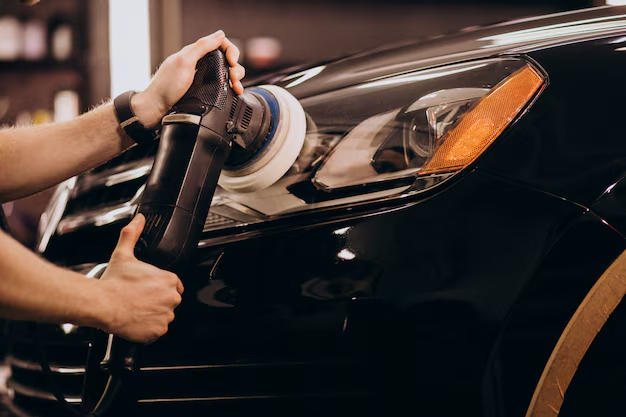
Vehicle owners are spending more on car maintenance and appearance care than before, increasing demand for car cleaning kits, detailing tools, and surface protection products. The global car care products market was valued at more than USD 13 billion in 2025 and is projected to continue growing steadily over the next decade as consumers focus more on paint protection, interior hygiene, and resale value preservation.
The car detailing industry is also expanding alongside rising passenger vehicle ownership and increased awareness of long-term vehicle maintenance. Modern car cleaning kits now include specialized products for paint, glass, leather, upholstery, wheels, and interior surfaces, replacing the use of general household cleaners that can damage automotive materials over time.
What Are Car Cleaning Kits?
Car cleaning kits are packaged sets of automotive care products designed to clean different parts of a vehicle in one place. They may focus on the exterior, the interior, or both, and the better kits pair cleaning liquids with the right accessories, such as microfiber cloths, wash mitts, wheel brushes, and vacuums. The main purpose is simple: give car owners a safer and more organized way to maintain their vehicles at home or on the go
These kits matter because car surfaces are not all the same. Glass, paint, vinyl, fabric, leather, plastics, and rubber each need different care. Using the wrong household cleaner can leave streaks, dull trim, or create scratches. A proper kit reduces that risk because the products are made for automotive surfaces, and microfiber cloths are widely used in maintenance work because they help trap dust and reduce product use while cleaning.
6 Types of Car Cleaning Kits
Car cleaning kits are not one-size-fits-all. The best choice depends on whether the goal is to wash the outside, refresh the cabin, do a full detail, clean without water, or keep a compact kit for emergencies. Each type solves a different problem, and the right kit usually matches the way the vehicle is used day to day.
1. Exterior Car Cleaning Kits
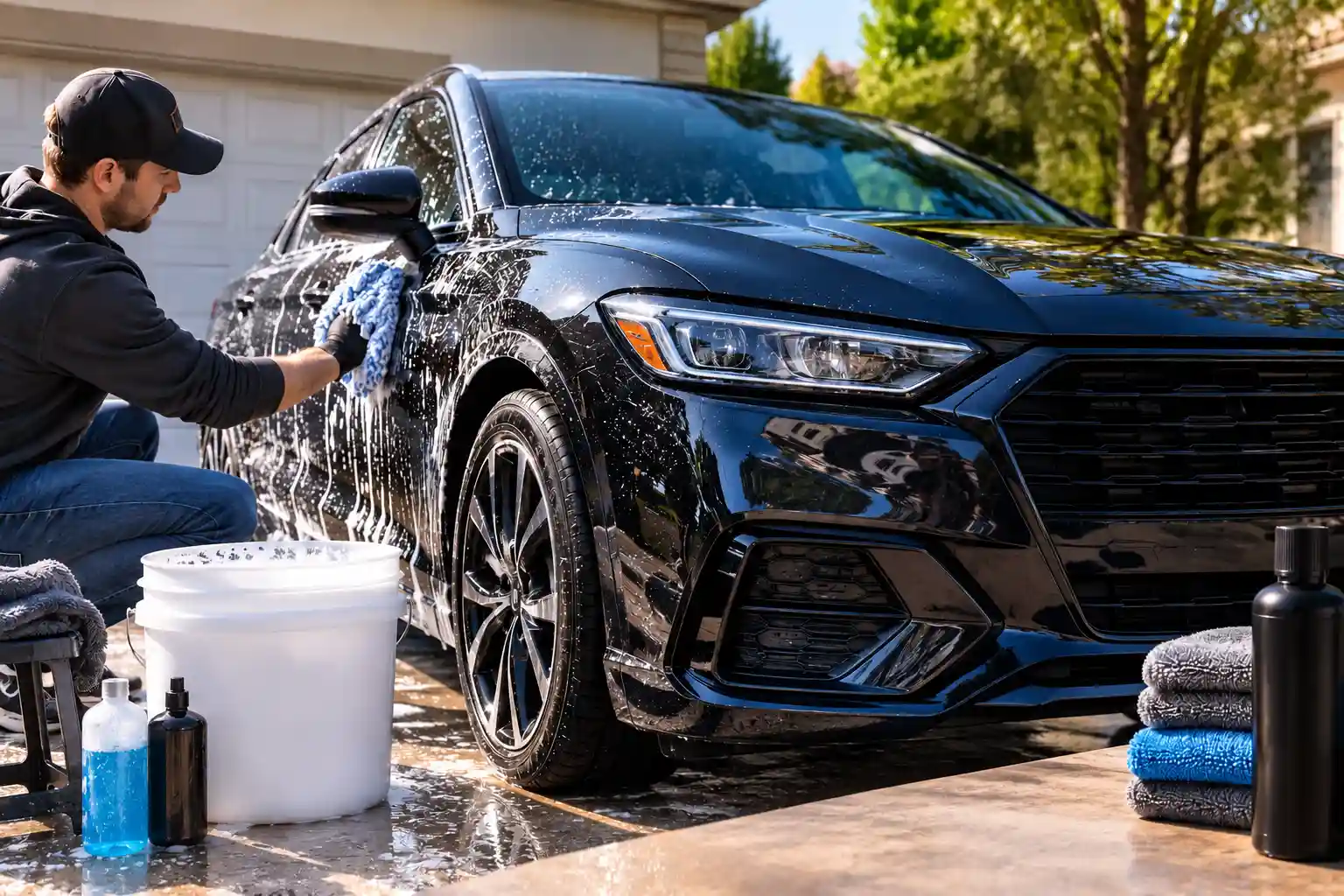
Exterior kits are built for the body, wheels, glass, tires, and trim. They often include car shampoo, a wash mitt, wheel cleaner, tire shine, drying towels, and sometimes wax or paint sealant. These kits are useful because road film, brake dust, mud, and bird droppings can damage the finish if they sit too long. Many detailing guides also recommend clean microfiber cloths because they help remove dirt and fingerprints while leaving a streak-free finish.
Products included in exterior kits
A typical exterior kit contains shampoo, wheel cleaner, foam applicators, drying towels, and a protectant for paint or trim. Some kits also include clay bars, glass cleaner, and tire dressing. The goal is to move from washing to drying to protection without switching brands or guessing which product is safe for which surface.
Best uses for exterior cleaning kits
Exterior kits work best for routine washing, post-rain cleanup, pre-sale preparation, and seasonal care. They are especially helpful when a vehicle has visible road grime, dust, salt, or mud. A clean exterior not only looks better, it also makes it easier to notice paint damage, scratches, or chipped areas early.
Ideal users and vehicle types
These kits suit daily drivers, SUVs, trucks, motorcycles, and cars parked outdoors for long periods. Heavier vehicles usually gather more dirt on wheel arches and lower panels, so they often benefit from stronger wheel and tire products. Motorcycle owners usually need smaller brushes and gentler cloths because exposed painted and chrome parts scratch more easily.
2. Interior Car Cleaning Kits
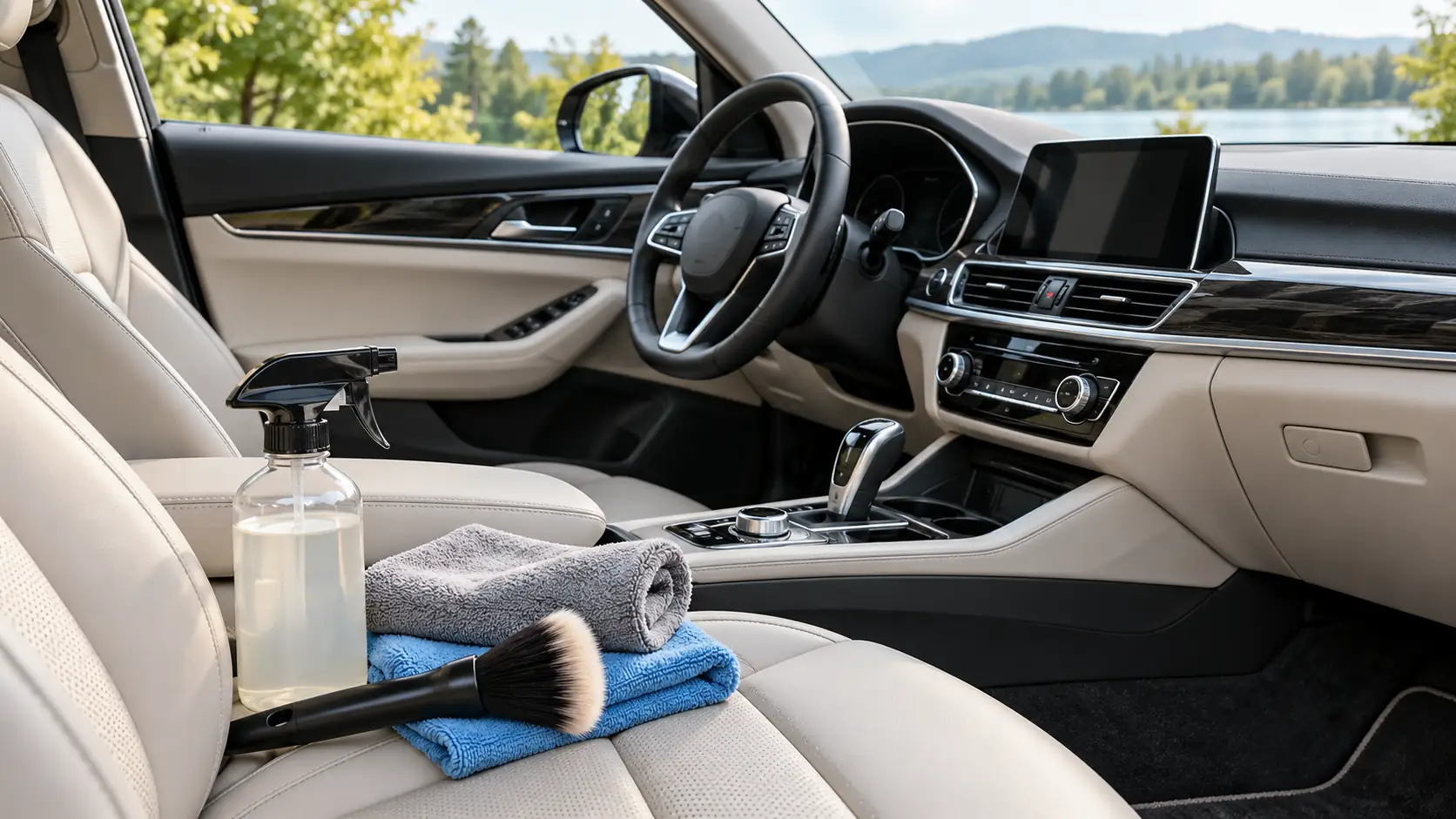
Interior kits focus on the cabin, where dust, spills, food crumbs, sweat, and fingerprints collect quickly. A useful interior kit often includes dashboard cleaner, upholstery cleaner, a vacuum tool, detailing brushes, glass cleaner, and microfiber towels. Regular cabin cleaning helps keep odors down and makes the car feel newer for longer. Consumer advice sources also note that a clean interior can improve resale appeal.
Dashboard and trim cleaning
Dashboard and trim cleaners are made for plastic, vinyl, and coated surfaces. These areas collect dust fast, and dry microfiber cloths are useful because they pick up particles without leaving heavy lint behind. Light cleaning also helps prevent the sticky buildup that makes vents, buttons, and trim look older than they are.
Seat and upholstery cleaning
Seat cleaners are chosen based on the material. Fabric seats need stain lifting and odor control, while leather seats need gentle cleaning and conditioning. Many interior kits include separate products for both, because fabric can absorb spills while leather can dry out or crack if it is not cared for properly.
Leather and fabric care products
Leather and fabric care products help extend the life of the seats by cleaning without harsh abrasion. Fabric cleaners are useful for coffee marks, food stains, and everyday dirt. Leather products usually clean first and then add moisture support so the surface stays softer and more comfortable over time.
3. Complete Car Detailing Kits
Complete detailing kits combine exterior and interior products in one set. They are made for people who want a more thorough result, not just a quick wash. These kits usually include shampoo, wheel cleaner, glass cleaner, interior sprays, brushes, towels, wax, and sometimes clay bars or polishing products.
Full-service detailing products
Full-service kits are useful because they follow the same flow as a professional detail. You clean the exterior, remove grime from the wheels, refresh the cabin, and finish with protection. KBB describes detailing as a showroom-style restoration process that can include washing, polishing, vacuuming, steam cleaning, conditioning, and wheel care.
Beginner vs professional detailing kits
Beginner kits are usually simpler and safer, with fewer products and clearer instructions. Professional kits often contain stronger compounds, more specialized applicators, and larger quantities. The right choice depends on skill and time. For most drivers, a beginner or mid-level kit is enough for regular maintenance, while professionals need more control for paint correction and deep work.
Benefits of complete detailing kits
Complete kits save time because all the essentials are in one box. They also reduce product mismatch, which is important because each surface on a car behaves differently. For owners who want to clean every few weeks, a full kit is often the most practical option because it supports both routine care and occasional deep cleaning.
4. Waterless Car Cleaning Kits
Waterless kits are designed for cleaning with little or no hose water. They usually contain a spray or rinse-free cleaner and a soft microfiber towel. These kits are best for light dust, quick touch-ups, and places where water access is limited. They are not meant to replace a full wash when the car is heavily soiled.
How waterless cleaning works
Waterless cleaners loosen dirt so it can be wiped away safely with a microfiber cloth. The cloth lifts the residue, which lowers the chance of dragging debris across the surface. This makes the method convenient for dust, fingerprints, and light road film when the vehicle is not packed with mud or gritty dirt
Advantages and limitations
The biggest advantage is convenience. Waterless kits save time, use less water, and are easy to keep in a trunk or garage shelf. The limitation is soil load. If the car is covered in thick mud, salt crust, or heavy grime, a waterless method can turn dirt into an abrasive layer. In that case, a traditional wash is the safer choice.
When to use waterless products
Use waterless products for light dust, showroom touch-ups, apartment living, road trips, and emergency cleanup. They are also useful after driving through a dry, dusty area when the body panels only need a quick refresh. For a very dirty vehicle, it is better to wash first and then finish with a detail spray if needed.
5. Foam Cannon & Pressure Washer Kits
Foam cannon and pressure washer kits are built for stronger pre-wash cleaning. They create thick foam that clings to the vehicle and helps soften dirt before contact washing begins. These kits are especially useful for larger vehicles, muddy conditions, and owners who want a more thorough exterior routine.
Snow foam pre-wash systems
Snow foam systems coat the car in foam so dirt loosens before the mitt touches the paint. That reduces the amount of rubbing needed later. This step is popular in detailing because cleaner surfaces are easier to wash safely and are less likely to be scratched by trapped grit.
Heavy dirt and mud removal
Heavy dirt and mud are where foam systems become most valuable. They help break down the first layer of contamination so the wash mitt does less work. This is useful after highway driving in rain, off-road trips, or monsoon conditions when mud can cling to lower panels and wheel areas.
Pressure washer compatibility
Not every kit works with every washer. Buyers need to match foam cannon thread size, pressure range, and water flow to the machine they own. A good kit should mention compatibility clearly, because the wrong setup can lead to weak foam or poor spray patterns.
6. Travel or Emergency Car Cleaning Kits
Travel kits are compact sets that keep the most useful items close at hand. They are designed for quick cleanup during road trips, daily commuting, or unexpected spills. The best travel kits are small, easy to store, and focused on fast results rather than full detailing.
Portable cleaning essentials
Portable kits usually include a small microfiber towel, interior wipes or spray, glass cleaner, a compact brush, and sometimes a mini vacuum or odor product. These basics handle fingerprints, dust, snack crumbs, and light spills before they become more stubborn.
Quick-clean products for road trips
On road trips, the most useful products are glass cleaner, surface wipes, and a towel for wiping dust or drink spills. Clear windows matter for safety, and easy-to-reach cleaning items help keep the car presentable without stopping for a full wash.
Compact storage benefits
Compact storage is one of the biggest advantages of emergency kits. A small bag or box can live in the trunk without taking up useful space. That matters because the best kit is the one you can actually keep in the car and use when needed.
Essential Products Found in Car Cleaning Kits
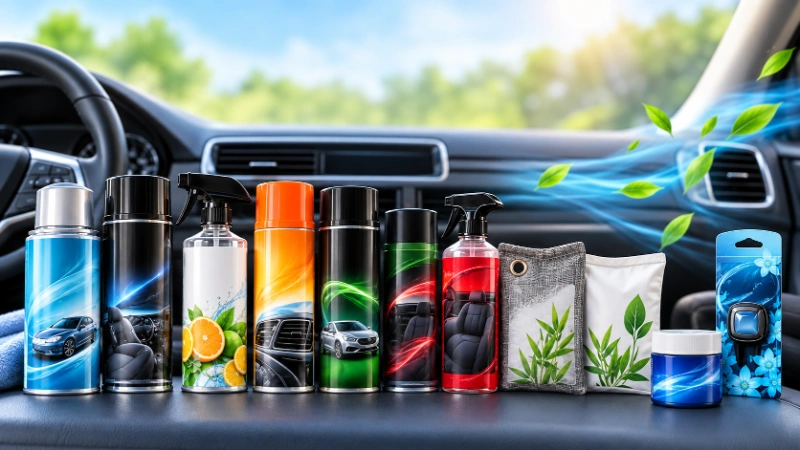
Most car cleaning kits are built from a core group of products. The exact contents may change, but the same few items appear again and again because they handle the most common jobs efficiently. Understanding these products makes it easier to judge whether a kit is truly complete or just nicely packaged.
Car Shampoo
Car shampoo is the base product for safe exterior washing. It is designed to lift dirt without stripping protection as aggressively as household detergents often do. That matters because vehicle paint and clear coat need gentler cleaning to stay glossy and healthy.
Microfiber Towels
Microfiber towels are one of the most important items in any kit. EPA cleaning guidance and maintenance materials reference microfiber cloths because they help trap dust and reduce cleaning product use, and 3M notes that microfiber cloths can lift and trap grease, dust, and dirt particles while leaving a lint-free, streak-free finish. That makes them ideal for paint, glass, and interior trim.
Wash Mitts and Sponges
Wash mitts and sponges help physically lift grime during washing. A soft mitt is usually preferred because it holds more suds and glides more easily across the panel. Good mitts reduce the chance of dragging dirt across the paint, especially when used with proper rinse and wash technique.
Tire and Wheel Cleaners
Tires and wheels collect brake dust, road tar, and grime faster than most other parts of the car. Dedicated cleaners make this job easier and safer because wheel materials vary, and using the wrong product can leave residue or damage finishes. A proper kit often includes a separate brush and cleaner for these areas.
Glass Cleaners
Glass cleaner is essential because streaks affect both appearance and safety. Automotive glass cleaners are made to cut through grime on windshields and windows, and 3M’s glass cleaner is described as streak-free and suitable for automotive glass, mirrors, plastic, vinyl, chrome, and metal.
Interior Surface Cleaners
Interior cleaners remove dust, smudges, and everyday buildup from dashboards, consoles, door cards, and other hard surfaces. Some EPA-registered products are labeled for hard, nonporous surfaces, including car interiors, and certain formulations are also described as removing allergens on those surfaces.
Wax and Paint Protectants
Wax and protectants add a layer between the paint and the outside world. They help water bead, reduce surface contact, and keep the finish looking richer for longer. While they are not a replacement for washing, they are a useful last step in many kits because they support long-term paint care.
Detailing Brushes
Detailing brushes are designed for vents, emblems, seams, buttons, lug nuts, and tight gaps. They matter because dirt often hides where towels cannot reach. A brush makes it easier to clean these areas without forcing a cloth into awkward spaces.
Vacuum and Dust Removal Tools
A vacuum is one of the most useful tools in an interior kit because crumbs, sand, pet hair, and dust settle quickly in floor mats and seat crevices. EPA guidance on cleaning and maintenance also notes that traditional vacuums can release dust back into the air, while HEPA-style options are better for limiting dust movement in cleaning routines.
Clay Bars and Surface Decontamination Products
Clay bars remove embedded contamination that washing cannot always lift. They are useful when paint feels rough after cleaning or when the finish needs a smoother base before polishing or waxing. 3M references clay bar use in vehicle surface preparation, which shows how common decontamination is in proper detailing workflows.
Uses of Car Cleaning Kits
Car cleaning kits are useful far beyond simple shine. They help remove everyday contamination, protect finishes, improve comfort inside the cabin, and support the long-term condition of the vehicle. In practice, a cleaning kit is both a maintenance tool and a preservation tool.
1. Removing Dirt, Mud, and Road Grime
The most obvious use is removing outside dirt. Road grime, mud, and dust build up quickly, especially in wet or polluted conditions. Regular washing prevents that layer from becoming harder to remove and keeps the car looking fresh.
2. Protecting Automotive Paint
Cleaning is the first step in protecting paint. If dirt stays on the surface too long, it can make the finish look dull and can increase the chance of scratches during later washes. Using the right kit helps preserve the clear coat and keeps the paint looking better over time.
3. Cleaning Interior Surfaces
Interior kits remove dust, fingerprints, and spill marks from the cabin. This is important because people spend a lot of time inside their cars, and a clean interior makes the vehicle feel more comfortable and easier to live with.
4. Eliminating Odors and Stains
Odors usually come from spills, food residue, moisture, or dirty fabrics. Good cleaning kits help remove the source of the smell instead of just masking it. Consumer advice on car interiors notes that keeping the car clean helps keep odors from developing, which is why regular wiping and vacuuming matter.
5. Improving Vehicle Appearance
A clean car simply looks better. That matters in daily use, but it matters even more before photos, sales listings, or trade-ins. KBB notes that detailing can restore a vehicle to a showroom-style condition, and even a basic deep clean can make the whole car feel more cared for.
6. Preserving Resale Value
Clean cars usually make a stronger impression on buyers. KBB says thoroughly cleaning a car can increase its value when selling it, and also notes that deep cleaning can improve a used car’s value by hundreds or even thousands of dollars depending on condition and market. Even when the number is not huge, the visual difference can change how quickly a buyer trusts the vehicle.
7. Preventing Long-Term Surface Damage
Long-term damage often starts small. Dust, grime, moisture, and spilled liquids can slowly wear on upholstery, trim, and paint if they are ignored. Routine use of a cleaning kit helps stop that slow decline and keeps the car easier to maintain later.
Benefits of Using Car Cleaning Kits
Car cleaning kits are widely used because they combine convenience, cost efficiency, and long-term vehicle maintenance in one solution. Regular cleaning helps reduce dirt buildup, maintain surface condition, and preserve both exterior and interior materials over time. Consistent maintenance also lowers the risk of permanent stains, paint deterioration, and surface wear caused by environmental exposure.
- Cost savings compared to professional detailing
One of the biggest advantages of car cleaning kits is reduced maintenance cost. Professional detailing services can cost between $150 and $300 per session depending on the vehicle size and service level. A single car cleaning kit can often support multiple washes and interior cleaning sessions, making it more economical for regular vehicle maintenance. - Convenience of at-home vehicle cleaning
Car cleaning kits allow owners to clean vehicles without scheduling appointments or visiting detailing centers. Most kits include essential products in one package, making routine cleaning faster and easier for daily use. This convenience supports more consistent maintenance habits throughout the year. - Safer cleaning for automotive surfaces
Automotive cleaning products are formulated for paint, glass, vinyl, rubber, leather, and fabric surfaces. Unlike household detergents, these products are designed to reduce streaking, fading, surface drying, and finish damage. This makes car cleaning kits safer for long-term vehicle care. - Better long-term vehicle maintenance
Regular removal of dirt, mud, road salt, and interior debris helps reduce surface contamination and wear over time. Vehicles that are cleaned consistently are generally easier to maintain because dirt does not remain on surfaces long enough to create stubborn buildup or staining. - Improved appearance and vehicle condition
Clean vehicles maintain better visual condition inside and outside. Regular washing and detailing help preserve paint gloss, interior cleanliness, and overall presentation, which can positively influence resale value and long-term ownership satisfaction.
Car Cleaning Kits vs Professional Car Detailing
Car cleaning kits and professional car detailing both help maintain vehicle appearance and cleanliness, but they differ in cost, cleaning depth, equipment, and overall purpose. Car cleaning kits are mainly used for regular maintenance and everyday upkeep, while professional detailing focuses on deeper restoration, paint correction, stain removal, and advanced surface treatment.
| Feature | Car Cleaning Kits | Professional Car Detailing |
|---|---|---|
| Purpose | Routine vehicle cleaning and maintenance | Deep cleaning, restoration, and surface correction |
| Cost | Lower long-term cost with reusable products | Higher service cost per session |
| Average Price | One-time purchase for multiple uses | Around $150 to $300 or more per detailing session |
| Cleaning Depth | Suitable for light to moderate dirt and maintenance | Handles heavy contamination, stains, oxidation, and paint defects |
| Tools Used | Basic automotive cleaning products and accessories | Professional machines, polishers, steam cleaners, and advanced chemicals |
| Skill Requirement | Beginner-friendly for most vehicle owners | Requires professional experience and detailing knowledge |
| Paint Correction | Limited surface improvement | Advanced polishing and paint correction available |
| Interior Cleaning Quality | Good for regular dust and stain removal | Deep cleaning for carpets, upholstery, leather, and odor treatment |
| Time Required | Usually 30 minutes to 2 hours | Can take several hours or a full day |
| Best For | Weekly or monthly vehicle upkeep | Vehicle restoration, resale preparation, or premium appearance care |
| Convenience | Can be used anytime at home | Requires appointment or service visit |
| Long-Term Maintenance | Helps maintain vehicle condition consistently | Best used occasionally alongside regular maintenance |
| Surface Safety | Automotive-safe products for routine use | Professional-grade products with specialized application methods |
| Ideal Users | Daily drivers, DIY users, budget-conscious owners | Enthusiasts, luxury vehicle owners, resale preparation users |
How to Choose the Right Car Cleaning Kit
Choosing the right kit is easier when the decision is broken into vehicle type, cleaning need, experience level, and budget. A smart buyer does not just look at the number of items in the box. The real question is whether those items fit the car and the way it is used.
Choose Based on Vehicle Type
Vehicle type changes the kind of dirt, surface area, and cleaning time involved. A sedan, SUV, truck, and motorcycle all need slightly different tool sets, even if the basic products look similar.
Sedan cleaning kits
Sedans usually do well with balanced kits that include wash, interior, glass, and light protectant products. The surfaces are easier to reach, so a moderate kit with microfiber towels and interior sprays is often enough.
SUV and truck cleaning kits
SUVs and trucks often need larger towels, stronger wheel cleaners, and more exterior capacity because they carry more road grime and have more surface area. A kit with extra drying towels and a stronger pre-wash setup is often more practical for these vehicles.
Motorcycle cleaning kits
Motorcycle kits should be compact and gentle. Chrome, painted panels, plastics, and exposed mechanical parts all benefit from soft cloths and targeted cleaners. Smaller brushes and careful product choice matter more here than bulk.
Choose Based on Cleaning Needs
A kit should match the main problem you are trying to solve. Some owners need an interior refresh, some need exterior shine, and others need a full all-purpose set.
Interior-focused kits
Interior-focused kits are best for families, ride-share drivers, and people who spend a lot of time in the cabin. They should include vacuum tools, microfiber towels, glass cleaner, surface cleaner, and possibly fabric or leather care.
Exterior-focused kits
Exterior-focused kits suit owners who wash often or park outdoors. These should prioritize shampoo, drying towels, wheel products, tire dressing, and paint protection.
Full detailing kits
Full detailing kits are ideal for buyers who want one purchase to cover almost everything. They are best for people who prefer a complete routine rather than piecing products together one by one.
Choose Based on Experience Level
A beginner needs ease. An advanced user needs control and stronger products. The best kit should match skill so the work feels manageable rather than confusing.
Beginner-friendly kits
Beginner kits should include simple directions, fewer products, and common tools like wash mitts, towels, and a basic interior cleaner. This lowers the chance of overusing product or picking the wrong item for a surface.
Advanced detailing kits
Advanced kits are better for people who already understand paint care, clay decontamination, polishing, and surface preparation. These users benefit from stronger compounds and more specialized accessories.
Professional-grade kits
Professional-grade kits are made for speed, repeat use, and better finish quality. They usually include more durable tools and larger product volumes. For serious enthusiasts or detailers, this category can be more efficient even if it costs more up front.
Choose Based on Budget
Budget matters, but a low price alone does not make a kit valuable. A better test is whether the kit includes the right essentials and whether the products are suited to automotive surfaces.
Budget-friendly kits
Budget kits are good for basic upkeep. They should focus on the most important items first, such as shampoo, microfiber towels, a glass cleaner, and one interior product.
Mid-range kits
Mid-range kits usually give the best balance of value and completeness. They often include more towels, better brushes, and a wider mix of interior and exterior products without becoming overly specialized.
Premium car care kits
Premium kits are for owners who want higher finish quality, stronger protection, and more durable accessories. They make the most sense for enthusiasts, collectors, and anyone who wants the car to stay in top condition.
How to Use a Car Cleaning Kit Properly
Using a kit in the right order matters almost as much as choosing the right products. A proper routine reduces scratches, saves time, and gives a cleaner final result. The best process usually begins with the dirtiest areas and ends with protection and glass.
Step 1: Pre-Rinse the Vehicle
Start by removing loose dirt and dust before touching the paint. This first rinse helps reduce the chance of rubbing gritty particles across the surface during washing.
Step 2: Clean Wheels and Tires
Wheels and tires are usually the dirtiest parts of the car, so they should be cleaned early. Doing this first keeps brake dust and heavy grime away from the cleaner body panels.
Step 3: Wash Exterior Surfaces
Use car shampoo and a clean wash mitt to wash from top to bottom. This keeps the dirtiest wash water away from the panels you have already cleaned.
Step 4: Dry with Microfiber Towels
Drying is important because water spots can form if the vehicle air dries in the sun. Microfiber towels are ideal because they are soft, absorbent, and designed to lift moisture and light residue without rough wiping.
Step 5: Clean Interior Components
Vacuum carpets, mats, and seat crevices, then wipe the dashboard, doors, and console with the right interior cleaner. EPA guidance supports microfiber cloths and good vacuuming as part of effective dust control.
Step 6: Apply Wax or Surface Protectant
Once the surface is clean and dry, apply wax or a protectant if the kit includes one. This step adds a layer of protection and gives the car a better finished look.
Step 7: Finish with Glass Cleaning
End with glass because it is easy to spot streaks after the rest of the work is done. Automotive glass cleaners are made to leave windows clearer and help improve visibility.
Common Mistakes to Avoid When Using Car Cleaning Kits
Many cleaning problems come from technique, not product quality. A good kit can still produce poor results if the user applies the wrong method or skips a basic step.
- Using household detergents: Household detergents can be too harsh for automotive surfaces and may strip protection or leave unwanted residue. Car-specific cleaners are designed for paint, trim, glass, and upholstery.
- Washing under direct sunlight: Heat makes water and cleaning products dry too quickly, which can lead to streaks and water spots. Washing in shade or during cooler hours is usually safer.
- Using dirty towels or sponges: Dirty towels can spread grime instead of removing it. Clean microfiber towels help reduce scratches and improve cleaning results.
- Applying too much cleaning product: Excess product does not improve cleaning quality and may leave residue behind. Controlled product use provides safer and more effective cleaning.
- Using one towel for every surface: Using the same towel on wheels, paint, glass, and interior surfaces can spread dirt and contamination. Separate towels should be used for different areas.
- Skipping the drying process: Allowing the vehicle to air dry can leave water spots and streaks. Drying with a clean microfiber towel improves the final finish and appearance.
Conclusion
Car cleaning kits give owners a practical way to keep their vehicles cleaner, safer, and better looking without relying on guesswork. The right kit depends on the vehicle, the cleaning goal, the user’s experience, and the budget.
Exterior kits handle wash and protection, interior kits deal with dust and stains, and complete kits cover both. When used properly, these products save time, support long-term maintenance, and can even improve resale appeal. A clean car is not only more pleasant to drive, it is also easier to protect and easier to sell.
Frequently Asked Questions
What is included in a car cleaning kit?
A car cleaning kit usually includes car shampoo, microfiber towels, wash mitts, tire cleaners, glass cleaners, interior surface cleaners, detailing brushes, and paint protection products. Some advanced kits also contain wax, clay bars, foam applicators, and wheel cleaning tools for complete interior and exterior vehicle maintenance.
What is the difference between a cleaning kit and a detailing kit?
A car cleaning kit focuses on routine washing and basic maintenance, while a detailing kit provides deeper cleaning and surface restoration. Detailing kits often include clay bars, polish, wax, paint correction products, and specialized brushes designed for professional-level cleaning and finish improvement.
Can car cleaning kits damage car paint?
Car cleaning kits are generally safe for automotive paint when used correctly. Damage usually happens when harsh chemicals, dirty towels, or incorrect washing methods are used. Automotive-specific shampoos, microfiber towels, and proper drying techniques help reduce scratches, swirl marks, and paint fading.
Which cleaning kit is best for beginners?
Beginner-friendly car cleaning kits should include basic products such as car shampoo, microfiber towels, wash mitts, glass cleaner, and interior cleaner. Kits with simple instructions and fewer specialized chemicals are easier to use and safer for routine vehicle maintenance.
How long do car cleaning products last?
Most car cleaning products last between 1 and 5 years depending on the formula, storage conditions, and frequency of use. Products stored in cool, dry environments usually maintain effectiveness longer. Microfiber towels and brushes can also last for years when cleaned and stored properly.
Are waterless car cleaning kits safe?
Waterless car cleaning kits are safe for light dust and minor dirt when used with clean microfiber towels. They are not recommended for heavily muddy or gritty vehicles because trapped debris can create scratches during wiping. Proper lubrication and gentle wiping are important for safe use.
Can household cleaners be used on cars?
Household cleaners are not recommended for automotive surfaces because many contain harsh chemicals that can damage paint, trim, leather, vinyl, and protective coatings. Automotive cleaning products are specifically formulated to clean vehicle surfaces more safely without causing fading or surface deterioration.
What microfiber towels are best for car detailing?
High-quality microfiber towels with soft fibers and high GSM ratings are best for car detailing. Plush microfiber towels are commonly used for drying, waxing, and paint care because they absorb water effectively and help reduce swirl marks or scratches on delicate surfaces.
How Often Should You Clean Your Car?
Most vehicles should be washed every two weeks under normal driving conditions. Cars exposed to mud, road salt, heavy rain, pollution, or tree sap may require more frequent cleaning to prevent paint contamination and long-term surface damage.
Are Car Cleaning Kits Worth Buying?
Car cleaning kits are worth buying for vehicle owners who want affordable and convenient maintenance solutions. A complete kit supports regular cleaning, protects automotive surfaces, improves vehicle appearance, and reduces long-term detailing costs compared to repeated professional cleaning services.