
Regular vehicle maintenance is directly linked to lower repair costs, improved fuel efficiency, and reduced breakdown risk. According to the American Automobile Association, neglected maintenance remains one of the leading causes of preventable roadside breakdowns, while the National Highway Traffic Safety Administration notes that issues such as underinflated tires, worn brakes, and faulty lights can significantly affect driving safety. Many common maintenance mistakes begin with overlooked warning signs, delayed fluid changes, or skipped inspections. As vehicles age and repair costs continue to rise, preventive maintenance has become increasingly important for preserving vehicle reliability, performance, and long-term operating costs.
Why Proper Car Maintenance Matters
Proper car maintenance helps improve safety, fuel efficiency, and vehicle reliability by preventing small problems from turning into expensive repairs. Regular inspections of tires, brakes, fluids, batteries, and lights also reduce breakdown risks and help extend the lifespan of major vehicle components.
Vehicle Safety
- Proper tire pressure helps improve braking performance, fuel efficiency, and road stability.
- Worn brake pads can reduce stopping power and increase accident risks.
- Regular inspections help detect leaking fluids, suspension damage, and uneven tire wear early.
- Preventive checks reduce the chance of unexpected breakdowns and safety hazards.
Repair Costs and Preventive Care
- Preventive maintenance helps avoid expensive engine and transmission repairs.
- Routine oil changes protect engine components from excessive wear.
- Low coolant or neglected transmission fluid can gradually damage internal systems.
- Drivers who follow maintenance schedules often spend less on long-term repairs.
Vehicle Lifespan
- Regular servicing helps modern vehicles last longer and perform efficiently.
- Clean fluids and proper lubrication reduce wear on major components.
- Maintenance protects the engine, transmission, and suspension system from premature damage.
- Ignoring small issues can create larger mechanical problems over time.
13 Most Common Car Maintenance Mistakes
Many common car maintenance mistakes begin with delayed inspections, ignored warning signs, or skipped routine services. Problems such as low tire pressure, overdue oil changes, neglected brakes, and fluid issues can reduce vehicle safety, increase repair costs, and shorten the lifespan of major components over time.
- Ignoring the Check Engine Light
The check engine light is one of the most ignored warning signs in vehicles.Some drivers continue driving for weeks or months without checking the cause. While the issue may sometimes be minor, the light can also indicate serious engine or emissions problems.
AAA explains that ignoring warning lights may allow small engine problems to worsen. A blinking check engine light usually signals a more urgent issue that should be inspected immediately.
- Skipping Regular Oil Changes
Engine oil lubricates internal engine components and helps reduce heat and friction.
Over time, oil becomes dirty and less effective. Skipping oil changes allows debris and contaminants to circulate through the engine. This increases wear and can damage expensive engine components.
Most modern vehicles require oil changes between 5,000 and 7,500 miles, although the exact interval depends on the manufacturer and oil type.
- Using the Wrong Engine Oil
Not all engine oils are the same. Every engine is designed for a specific oil viscosity and performance standard.
Using the wrong oil can reduce lubrication and affect engine performance. In extreme situations, incorrect oil may increase engine wear or overheating.
Drivers should always follow the oil specifications listed in the owner’s manual.
- Forgetting Tire Pressure Checks
Tire pressure affects safety, fuel economy, and tire lifespan.Underinflated tires create more rolling resistance, which forces the engine to work harder. This increases fuel consumption and causes faster tire wear.
NHTSA recommends checking tire pressure at least once a month and before long trips. Tires should always be checked when cold for accurate readings.
- Delaying Brake Maintenance
Brake systems naturally wear down over time.
Many drivers ignore squealing noises, vibrations, or reduced braking performance because the car still stops. However, these signs usually indicate worn brake pads or damaged rotors.
Delayed brake repairs can damage the entire braking system and increase stopping distance. Regular brake inspections help identify problems before they become dangerous.
- Ignoring Battery Care
Battery problems often appear during extreme weather conditions.
Cold temperatures reduce battery power, while excessive heat can shorten battery lifespan. Corrosion around battery terminals can also affect electrical performance.
AAA recommends battery testing around the three year mark to avoid unexpected failures.
- Neglecting Fluid Inspections
Fluids help almost every major system in a vehicle operate correctly.
Ignoring fluid levels can cause overheating, poor braking performance, steering issues, and transmission damage.
Coolant Problems
Coolant prevents the engine from overheating.
Low coolant levels or old coolant reduce the system’s ability to control engine temperature. Overheating can severely damage engine components and lead to expensive repairs.
Brake Fluid Issues
Brake fluid absorbs moisture over time.
As moisture builds up, braking performance may decrease. Many manufacturers recommend replacing brake fluid every two to three years.
Transmission Fluid Neglect
Transmission fluid lubricates and cools internal transmission parts.Old or contaminated fluid increases wear inside the transmission. Because transmission repairs are extremely expensive, regular fluid inspection is very important.
- Not Replacing Air Filters on Time
Dirty air filters reduce airflow into the engine.Restricted airflow affects fuel efficiency and engine performance. In some cases, clogged filters can also increase engine strain.
Replacing air filters on time helps maintain smooth engine operation.
- Ignoring Wheel Alignment
Wheel alignment affects steering, tire wear, and ride quality.
Poor alignment causes uneven tire wear and may make the vehicle pull to one side. Drivers often ignore alignment problems until tires wear out prematurely.Routine alignment checks help improve tire lifespan and driving stability.
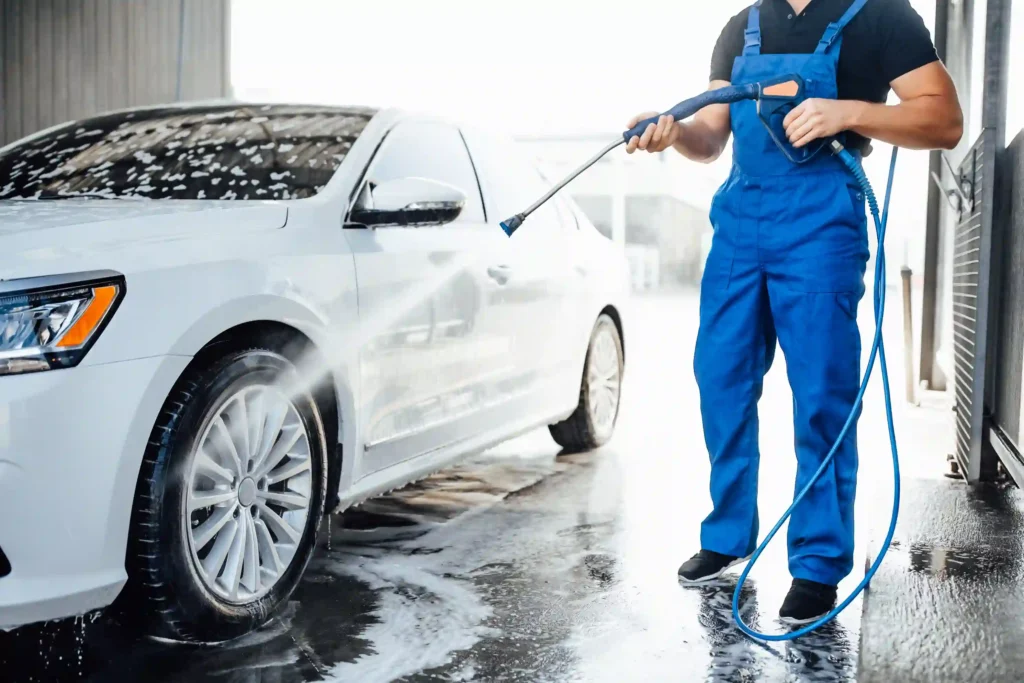
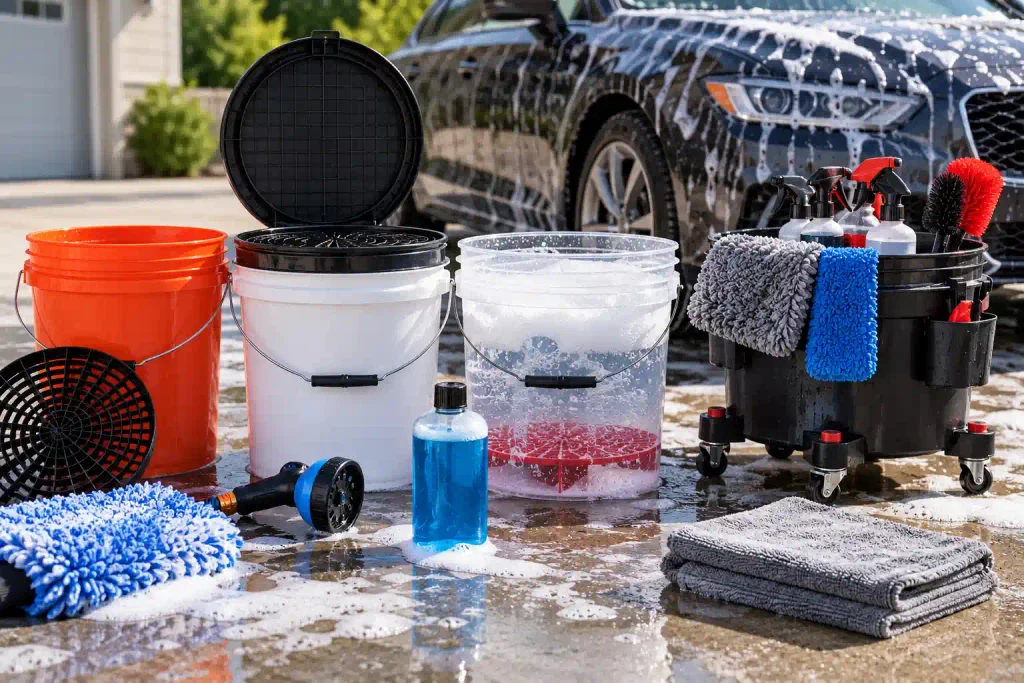
- Washing the Car Incorrectly
Improper washing can damage paint and increase rust risk.
Road salt, dirt, and moisture collect underneath the vehicle. If these contaminants remain for long periods, corrosion can spread through the undercarriage.Regular washing, especially during winter or rainy seasons, helps protect the vehicle.
- Delaying Rust Protection
Rust is one of the biggest long term threats to vehicles.Small rust spots can spread quickly when exposed to water, salt, and humidity. Rust weakens metal parts and reduces the structural integrity of the vehicle.
Protective coatings and regular inspections help prevent corrosion damage.
- Using Cheap Replacement Parts
Cheap replacement parts may save money initially, but they often wear out faster.Low quality brake pads, filters, or suspension parts may reduce performance and create additional problems.
Using reliable parts that match manufacturer standards helps improve durability and safety.
- Ignoring Strange Noises and Vibrations
Unusual sounds usually indicate developing problems.
Grinding brakes, engine knocking, steering vibrations, or suspension noises should never be ignored. These warning signs often appear before major failures occur.Addressing problems early usually reduces repair costs.
Seasonal Car Maintenance Mistakes
Weather conditions affect vehicles differently throughout the year, and ignoring seasonal maintenance can increase the risk of breakdowns, overheating, tire damage, or reduced driving safety. Seasonal inspections help drivers prepare for temperature changes and difficult road conditions before problems become serious.
Common Summer Car Care Mistakes
Summer heat increases stress on tires, batteries, and cooling systems. Many drivers forget to check coolant levels before long trips, which raises the risk of engine overheating. High temperatures also increase tire pressure, making worn or undermaintained tires more vulnerable to blowouts. Batteries can also weaken faster in extreme heat if they are already aging or poorly maintained.
Winter Maintenance Errors
Cold weather creates additional strain on batteries, engines, and fluids. Weak batteries often fail during winter mornings because low temperatures reduce battery performance. Tire pressure usually drops in cold weather, affecting traction, braking, and fuel efficiency. Thickened fluids, worn wiper blades, and neglected tire inspections can further reduce vehicle reliability and winter driving safety.
Rainy Season Maintenance Problems
Rainy conditions mainly affect traction and visibility on the road. Worn tires struggle to maintain grip on wet surfaces, increasing the risk of hydroplaning during heavy rain. Old or damaged wiper blades reduce windshield visibility and make driving more dangerous in poor weather. Low tire tread depth and neglected vehicle lights can also reduce overall rainy season safety.
DIY Car Maintenance Mistakes to Avoid
DIY car maintenance can reduce repair costs, but incorrect repairs or poor maintenance habits may create larger mechanical problems over time. Many mistakes happen when drivers attempt repairs without proper tools, safety precautions, or technical knowledge. Understanding basic maintenance limits helps reduce unnecessary damage and improves vehicle reliability.
Over Tightening Parts
Over tightening bolts, lug nuts, or battery terminals can damage threads, crack components, or create uneven pressure on important parts. Vehicle components should always be tightened according to manufacturer specifications to avoid long-term mechanical damage.
Wrong Jump Start Methods
Incorrect jump starting procedures can damage the vehicle’s electrical system and sensitive electronic components. Improper cable connections may also create sparks near the battery, increasing safety risks. Following the correct jump start sequence helps protect both vehicles involved.
Mixing Different Coolants
Different coolant types use different chemical formulas, and mixing incompatible coolants can reduce cooling performance and damage internal engine components. Using the manufacturer-recommended coolant helps maintain proper engine temperature and system protection.
Improper Tire Rotation
Tire rotation helps distribute wear evenly across all tires. Incorrect rotation patterns can increase uneven wear, reduce tire lifespan, and negatively affect vehicle handling and stability. Regular tire rotation also improves overall driving performance.
Ignoring Safety Precautions
Many DIY maintenance injuries happen because drivers skip basic safety steps. Working under unsupported vehicles, touching hot engine components, or handling electrical systems carelessly can cause serious accidents. Proper tools, jack stands, gloves, and safety equipment are essential during maintenance work.
Warning Signs Your Car Needs Better Maintenance
Most vehicles show warning signs before major mechanical problems develop. Identifying these symptoms early helps drivers prevent larger repairs, improve safety, and reduce long-term repair costs.
Reduced Fuel Efficiency
A sudden drop in fuel economy may indicate problems such as low tire pressure, dirty air filters, worn spark plugs, or engine-related issues. Reduced efficiency often signals that the vehicle needs maintenance attention.
Uneven Tire Wear
Uneven tire wear usually points to alignment, suspension, or tire pressure problems. Ignoring uneven wear can shorten tire lifespan, reduce traction, and affect steering stability.
Hard Starting Issues
Difficulty starting the vehicle may be connected to battery weakness, ignition problems, or fuel system issues. Hard starts should be inspected early before the vehicle becomes unreliable.
Brake Noise or Soft Pedal
Squealing, grinding sounds, or a soft brake pedal often indicate brake system wear or fluid-related issues. Brake problems directly affect stopping power and should never be ignored.
Dashboard Warning Lights
Dashboard warning lights are designed to alert drivers to potential mechanical or electrical problems. Ignoring warning indicators can allow small issues to become expensive repairs over time.
How to Avoid 5 Common Car Maintenance Mistakes
Avoiding maintenance mistakes requires consistent inspections, proper servicing habits, and attention to early warning signs. Drivers who follow routine maintenance schedules usually experience fewer breakdowns and lower repair costs.
Follow the Manufacturer Maintenance Schedule
The owner’s manual contains recommended service intervals for oil changes, fluid replacements, tire rotations, and inspections. Following these schedules helps prevent premature wear and major mechanical failures.
Inspect Tires and Fluids Monthly
Monthly inspections help identify small issues before they become serious problems. Checking tire pressure, engine oil, coolant, and brake fluid levels only takes a few minutes but can greatly improve vehicle reliability.
Use Quality Parts and Fluids
High-quality parts and manufacturer-approved fluids improve long-term performance and durability. Cheap or incorrect replacement parts may fail early and increase future repair expenses.
Fix Small Problems Early
Minor issues such as leaks, unusual noises, warning lights, or vibrations often become more serious when ignored. Early repairs usually cost less and help prevent damage to other vehicle systems.
Keep Maintenance Records
Maintenance records help drivers track completed services and upcoming maintenance needs. Detailed records also improve resale value because buyers often prefer vehicles with documented service history.
Incorrect DIY repairs involving brakes, electrical systems, or engine components can create additional damage and increase repair costs. Professional mechanics often identify problems more accurately and help ensure repairs are completed safely.
Conclusion
Common car maintenance mistakes may seem minor at first, but they often lead to expensive repairs and reduced vehicle reliability. Ignoring warning lights, delaying oil changes, neglecting tire pressure, or skipping brake inspections gradually damages important systems.
Drivers who follow maintenance schedules, inspect their vehicles regularly, and respond quickly to warning signs usually save money over time. Proper maintenance also improves safety, fuel efficiency, and vehicle lifespan.Good car care does not require advanced mechanical knowledge. Consistent habits, routine inspections, and early problem detection are enough to keep most vehicles reliable for many years.
FAQs
What is the most common car maintenance mistake?
Ignoring routine maintenance is one of the most common car maintenance mistakes. Delayed oil changes, skipped tire inspections, and neglected brake checks can increase mechanical wear, reduce safety, and lead to expensive repairs over time.
How often should car maintenance be done?
Basic car maintenance inspections should be performed monthly for items such as tires, fluids, lights, and battery condition. Services like oil changes and tire rotations should follow the vehicle manufacturer’s recommended mileage intervals.
Can poor maintenance reduce car lifespan?
Yes, poor maintenance can significantly shorten a vehicle’s lifespan. Neglected oil changes, low fluids, worn tires, and delayed repairs increase stress on major systems such as the engine, transmission, and suspension.
Is DIY car maintenance safe for beginners?
Basic DIY maintenance tasks such as checking tire pressure, inspecting fluids, and replacing wiper blades are generally safe for beginners. However, advanced repairs involving brakes, electrical systems, or engine components are better handled by professional mechanics.
Which maintenance tasks should never be delayed?
Brake issues, dashboard warning lights, engine overheating, tire damage, and fluid leaks should never be ignored. Delaying these repairs can reduce vehicle safety and lead to more serious mechanical damage.