Automotive solvents are chemical cleaning agents used in vehicle detailing, repair, refinishing, and manufacturing to remove grease, oil, adhesives, paint residue, and other stubborn contaminants that water-based cleaners cannot dissolve effectively. Their role has expanded alongside the growing automotive appearance chemicals market, which is projected to rise from USD 31.2 billion in 2024 to USD 44.5 billion by 2032.
These solvents are widely used for surface preparation, coating removal, degreasing, and precision cleaning across metal, plastic, glass, and painted surfaces. However, many solvent-based products release volatile organic compounds that contribute to air pollution and workplace exposure concerns, making their use heavily regulated in modern automotive processes.
5 types of automotive solvents include:
- Degreasers for engine components and mechanical parts
- Brake cleaners for fast-drying metal cleaning
- Tar and adhesive removers for sticky residues
- Paint thinners for coating preparation and refinishing
- Interior solvents for fabric, plastic, and trim cleaning
Different solvents solve different problems, so the best results come from using the right product for the right task. This section covers the main solvent types used in car care and shows where each one fits best.
1. Degreasers for Engine and Mechanical Parts
Degreasers are powerful automotive solvents made to break down thick oil, heavy grease, road grime, and stubborn dirt from hard-working vehicle parts. They are especially useful in areas where normal car shampoo or all-purpose cleaner is not strong enough.
Uses:
- Cleaning engine bays and removing baked-on grease
- Degreasing tools, hinges, brackets, and metal parts
- Washing suspension parts, underbody areas, and wheel wells
- Removing oily buildup before inspection or repair
- Pre-cleaning mechanical surfaces before detailing or maintenance
How to Maintain Them:
- Store in a tightly sealed container after every use
- Keep them in a cool, dry place away from direct sunlight
- Avoid placing them near heat, sparks, or open flames
- Use only on surfaces that can handle strong cleaning chemicals
- Wipe away residue after application to prevent long contact time
- Always follow the label instructions for safe handling and dilution
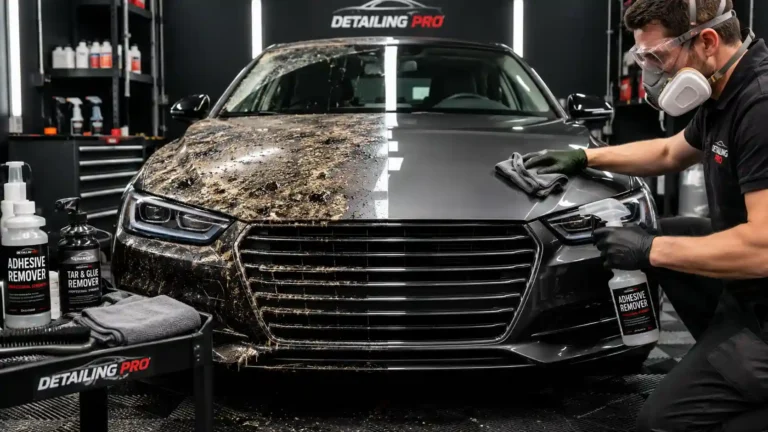
2. Tar and Adhesive Removers
Tar and adhesive removers are solvents designed to dissolve sticky materials such as road tar, decal glue, sticker residue, tape marks, and adhesive film left behind on the vehicle.
Uses:
- Removing tar spots from painted panels and lower body areas
- Cleaning glue left after badges, stickers, or decals are removed
- Breaking down tape residue and label marks
- Removing adhesive from exterior trim and glass
- Helping restore a cleaner finish after wrapping or branding removal
How to Maintain Them:
- Test the product on a hidden area first
- Keep the cap closed tightly to prevent evaporation
- Store away from rubber, plastic, and delicate trim
- Do not leave it sitting too long on the surface
- Wipe and rinse after use to reduce risk of damage
- Keep the bottle upright and away from heat sources
3. Brake Cleaners
Brake cleaners are fast-evaporating solvents made for cleaning brake components and metal surfaces quickly. They are useful because they remove oil, dust, and light residue without leaving much behind.
Uses:
- Cleaning brake rotors, calipers, and brake hardware
- Removing oil and dust from metal repair parts
- Preparing surfaces for assembly or inspection
- Cleaning small mechanical parts in the workshop
- Degreasing parts where quick drying is important
How to Maintain Them:
- Store in a cool, ventilated space away from ignition sources
- Keep the nozzle and cap clean to avoid clogging
- Use only on approved surfaces and parts
- Avoid spraying in enclosed areas without airflow
- Let parts dry completely before reinstallation
- Check the label for warnings about plastic, rubber, or coated parts
4. Paint Thinners and Surface Prep Solvents
Paint thinners and surface prep solvents are used to clean, dilute, or prepare surfaces before painting, coating, or refinishing. Their main job is to help create a clean surface so new coatings can bond properly.
Uses:
- Removing wax, oil, dust, and light contamination before painting
- Preparing panels before primer, paint, or clear coat application
- Cleaning surfaces before detailing or refinishing work
- Helping reduce bonding problems during coating jobs
- Supporting bodywork, restoration, and repair tasks
How to Maintain Them:
- Store in a sealed container to reduce evaporation
- Keep away from heat, moisture, and direct sunlight
- Use in a well-ventilated area only
- Do not mix with other chemicals unless approved on the label
- Close the lid immediately after use
- Keep the product clean so dirt does not contaminate it
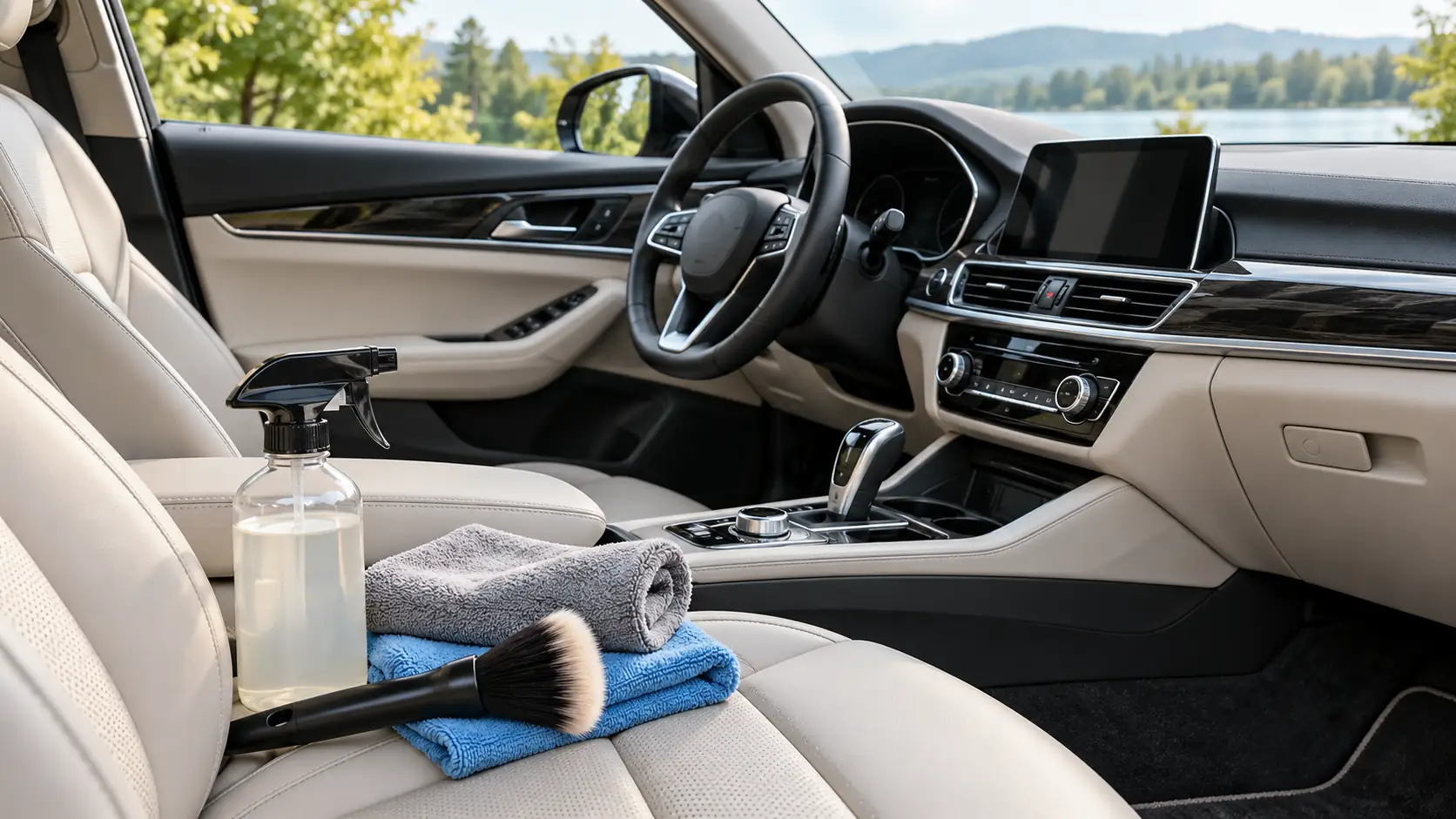
5. Interior Cleaning Solvents
Interior cleaning solvents are specialized products designed for certain cabin surfaces such as fabric, vinyl, plastic, upholstery, and trim. They are made to remove stains and buildup without damaging interior materials when used correctly.
Uses:
- Removing grease from steering wheels and touch points
- Cleaning ink marks, stains, and spot buildup on interiors
- Removing adhesive residue from dashboards and panels
- Treating fabric, plastic, and vinyl surfaces
- Restoring a cleaner look to high-contact interior areas
How to Maintain Them:
- Always test on a hidden area before full application
- Use only the product recommended for that material
- Keep the bottle sealed when not in use
- Store away from heat and direct sunlight
- Avoid overapplying on sensitive plastics or soft trim
- Wipe the surface properly after use to prevent residue
Why Automotive Solvents Matter
Automotive solvents help remove contamination that regular washing cannot handle. They are useful for cleaning grease, tar, adhesive, brake dust, and surface buildup. They also prepare surfaces for paint, coating, repair, and detailing work, which makes them an important part of car care.
Automotive Solvent Safety Guidelines
Automotive solvents require careful handling because many are flammable, volatile, and potentially harmful. Safe use depends on proper awareness, correct equipment, and following standard safety guidelines.
Personal Safety Precautions
- Read the product label and Safety Data Sheet before first use
- Understand chemical properties, hazards, and handling instructions
- Wear protective gloves to prevent skin contact
- Use eye protection to avoid splashes and irritation
Ventilation and Safe Usage Environment
- Always use solvents in well-ventilated areas
- Avoid working in closed or poorly ventilated spaces
- Ensure airflow to prevent vapor buildup
- Be extra cautious in garages and small workshops
Fire and Chemical Hazard Awareness
- Treat all solvents as potentially flammable
- Keep away from open flames, sparks, and heat sources
- Do not use near active electrical equipment
- Ensure equipment is free from vapors before ignition sources are present
Safe Storage and Handling Practices
- Do not block exits or safe pathways with stored chemicals
- Store solvents in original, labeled containers
- Keep containers tightly closed when not in use
- Place away from direct sunlight and heat
- Use approved storage cabinets for flammable liquids
Best Practices for Using Automotive Solvents
The best solvent users are not the ones who use the strongest product. They are the ones who use the right product carefully and consistently.
Surface Compatibility Checks
Always check whether the solvent is safe for paint, plastic, rubber, vinyl, or bare metal. Compatibility checks protect the finish and help prevent costly damage that may not show up right away. A short test in a hidden area is a small step that can save a large repair later.
Testing Before Full Application
A test spot should be part of every solvent job. Apply a little product, wait, wipe, and inspect for color change, softening, haze, or residue. If the spot looks fine, continue carefully. If not, switch to a milder product. This habit is one of the simplest ways to avoid surface damage. OSHA’s hazard communication rules exist so users can make these decisions with clear product information in hand.
Proper Application Techniques
Use small amounts, short contact times, and clean cloths. Work in sections so the solvent does not dry unevenly or spread contamination around. For tougher buildup, repeat the process instead of flooding the area. This gives more control and reduces vapor release, which is helpful because VOCs can affect both indoor air quality and outdoor ozone formation.
Conclusion
Automotive solvents are powerful tools for cleaning grease, removing adhesive, preparing surfaces, and restoring vehicle parts. They are useful because they solve problems that water-based cleaners often cannot handle. At the same time, they must be used with care because many solvents release VOCs, can irritate the body, and may be flammable. EPA and OSHA both show why ventilation, proper storage, label reading, and safe handling matter so much.
The best results come from choosing the right solvent, testing it first, using only the amount needed, and protecting both the surface and the person doing the work. That balance is what makes solvent use effective, safe, and worth the effort in real car care.
FAQs About Automotive Solvents
What is the most common automotive solvent used?
There is no single solvent that fits every job, but degreasers and general-purpose cleaning solvents are among the most common in automotive work. EPA notes that solvent use is widespread in industrial cleaning, degreasing, paint thinning, and auto maintenance.
Are automotive solvents safe on car paint?
Some are safe, but not all. Paint safety depends on the exact product, the strength of the solvent, and how long it stays on the surface. The safest approach is to read the label and SDS, then test on a hidden spot first. OSHA requires labels and SDSs to describe hazards, recommended use, and protective measures.
Can solvents damage plastic or rubber parts?
Yes, they can. Strong solvents may dull, soften, or discolor plastic and rubber if they are left on too long or used too heavily. That is why compatibility testing is so important before full application.
What is the best solvent for removing adhesive residue?
The best choice is usually a dedicated adhesive remover that is safe for the surface you are cleaning. Always test first because a product that works well on glass or metal may be too aggressive for paint, plastic, or trim. OSHA’s SDS guidance is the best place to check safe use and material limits.
How do you safely use automotive solvents at home?
Use them in a well-ventilated space, keep them away from sparks and flame, wear gloves, and read the label and SDS before use. OSHA says ventilation is essential for flammable solvent operations, and flammable liquids should be stored in approved containers and cabinets.
Are eco-friendly solvents effective?
Yes, many are effective for everyday car care tasks, especially when the residue is light or moderate. EPA has encouraged lower-VOC cleaning materials in regulated cleaning settings, and lower-VOC options can reduce fumes while still doing the job well. For heavy adhesive, tar, or grease, you may still need a stronger product.