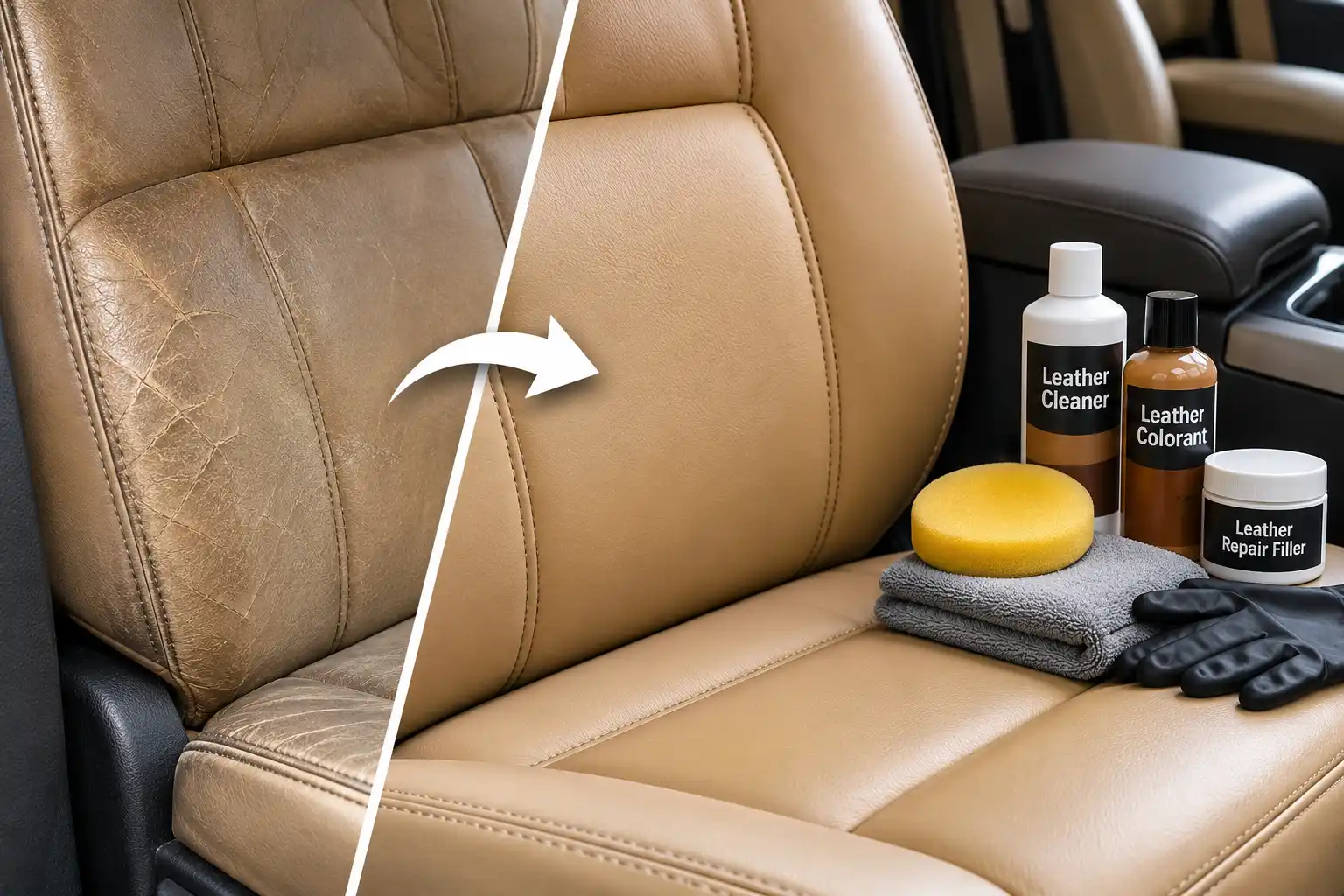
Putting leather seats in a car typically costs $1,500 to $4,000 for a professional upholstery job on a standard vehicle. A single seat may cost around $500 to $1,500, while a luxury vehicle, complex design, or premium leather can push a full installation to $4,000 or more. Leather-look seat covers are usually a less expensive alternative.
These are rough U.S. estimates, not fixed prices. Your final bill depends on the vehicle, the condition of the existing seats, the materials, and whether you choose reupholstery, fitted covers, or replacement seats. Get a written quote before deciding which option fits your budget.
Typical Leather Seat Installation Costs
The biggest price difference comes down to what you mean by “putting leather seats” in your car. Reupholstering the existing seats is a different job from fitting covers over them or replacing the seats entirely.
| Option | Approximate cost | What it usually involves |
|---|---|---|
| Universal seat covers | $100–$400 | Covers that fit a range of vehicles; installation may be a DIY job |
| Custom-fit leather-look covers | $200–$800 | Vehicle-specific covers, often made from synthetic material; professional fitting may cost extra |
| Reupholster one seat | $500–$1,500 | Removing the existing upholstery and fitting new material |
| Reupholster a standard vehicle | $1,500–$4,000 | Professionally covering the main seating surfaces in leather |
| Premium or complex upholstery | $4,000 and up | Higher-end leather, detailed designs, or larger and more complicated interiors |
| Used replacement seats | $500–$2,500 or more | Purchasing a set of compatible seats; installation and repairs may be extra |
Treat these ranges as starting points. Ask whether a quote covers all rows, headrests, armrests, door inserts, taxes, and installation. A low advertised price may apply only to selected seating surfaces or a particular vehicle.
What Affects the Cost of Leather Seats?
Two vehicles with the same number of seats can require very different amounts of work. The material you choose and the complexity of the existing interior are especially important.
Vehicle size and number of seats
A two-seat car generally requires less material than a three-row SUV. However, a small sports car with heavily contoured seats can still be labor-intensive. Tell the installer how many seats need work and whether you want the rear bench, headrests, and center armrest included.
Leather type and coverage
Quotes may refer to full leather, leather on seating surfaces with matching synthetic material elsewhere, or synthetic leather throughout. These are different products with different prices. Ask which surfaces are genuine leather and request a material sample so you can check the color and texture.
Premium hides and custom colors generally cost more than standard options. Perforation, contrasting stitching, embroidery, and other decorative details can also add to the bill.
Seat features and condition
Heated or ventilated seats, power adjustments, integrated airbags, and complex folding mechanisms can make a job more involved. Worn foam, broken frames, or damaged hardware may need repair before the new upholstery goes on. Ask the shop to inspect the seats first and explain what happens if it finds additional damage after removing the old covers.
Labor and location
A professional upholstery job involves more than stretching new material over a seat. Depending on the design, the installer may remove seats, dismantle components, prepare foam, fit new panels, and reassemble everything. Labor rates and shop overhead vary by location, so compare quotes from local specialists rather than relying on a national estimate alone.
Leather Reupholstery vs. Seat Covers
Reupholstery replaces the existing seat covering. Custom-fit covers sit over the upholstery already in the car. Both can change the look of an interior, but they differ in price, finish, and how they address damage.
Professional reupholstery is generally the better choice if you want a more integrated finish or need worn upholstery and foam repaired. It also allows more control over materials and stitching. The trade-off is a higher cost and more time at the shop.
Fitted covers can be a practical way to protect decent seats or improve their appearance for less. Check the material carefully: a product described as “leatherette” or “PU leather” is synthetic, not genuine leather. Covers may conceal stains and minor wear, but they do not repair damaged foam or a broken seat frame.
If your car has seat-mounted side airbags, only consider covers designed for your exact seats and their airbag configuration. Confirm compatibility with the cover manufacturer or a qualified installer; an ordinary cover could interfere with deployment.
Can You Replace Cloth Seats With Used Leather Seats?
Yes, replacing entire seats with used leather seats can be an option, particularly if you find a matching set from the same vehicle model. The purchase price alone does not tell you whether it is a good deal, though. Compatibility, condition, and installation can change the total.
Before buying, check the model year and trim, mounting points, seat belts, airbags, electrical connectors, sensors, and power-seat functions. A seat that physically fits may still have incompatible electronics or safety equipment. A qualified technician should assess the swap and handle safety-critical components.
Inspect used seats for worn bolsters, cracks, odors, damaged switches, and faulty mechanisms. Also ask whether the price includes headrests and all desired rows. If repairs and installation are substantial, reupholstering your existing seats may be the simpler choice.

Is It Cheaper to Do It Yourself?
Installing basic, compatible seat covers yourself can save a fitting charge. Full reupholstery is much more demanding: it can require seat removal, specialized tools, careful material fitting, and work around electrical and safety components.
DIY is most suitable when you are using covers specifically made for the vehicle and can follow the manufacturer’s instructions. Avoid removing or modifying airbags, wiring, or other safety equipment unless you are qualified to do so. If the seat needs structural repair or contains features you are unsure how to handle, use a professional.
How to Get an Accurate Quote
A useful quote should describe the finished job, not just give a single price. Contact two or three reputable upholstery shops and provide the vehicle’s year, make, model, trim, and seating configuration. Photos of the current seats can help, but an in-person inspection may be needed to assess hidden wear.
Ask each shop the same questions so you can compare like with like:
- Is the quoted material genuine leather, synthetic material, or a combination?
- Which seats and surfaces are included, including headrests and armrests?
- Are seat removal, installation, and any necessary foam repairs included?
- How will heated seats, ventilation, sensors, and seat-mounted airbags be handled?
- What warranty covers the material and workmanship, and what does it exclude?
- How long will the work take, and could the price change after inspection?
Request the answers in writing. If one estimate is much lower, check whether it uses different materials or excludes work included in the other quotes.
Are Leather Seats Worth the Cost?
Leather can be worthwhile if you plan to keep the car, prefer its feel and appearance, and can afford the installation. It can also be easier to wipe clean than some cloth upholstery, although spills still need prompt attention and leather requires appropriate care.
Do not assume the full cost will be recovered when you sell the vehicle. Buyers may value a well-finished interior, but condition, vehicle age, and personal preference all matter. If your main goal is protecting seats or covering cosmetic wear, compatible fitted covers may deliver better value.
Choosing the Right Option
For most drivers seeking a permanent upgrade, budgeting roughly $1,500 to $4,000 for professional leather upholstery is a reasonable place to start. Choose covers for a lower-cost appearance change, or investigate used seats only after confirming their condition and compatibility. Whatever route you take, a detailed local quote is the best way to establish the real cost for your car.
Frequently Asked Questions About Installing Leather Seats
1. Can I Install Leather Seats Only on the Front Seats?
Yes, you can install leather upholstery on only the front seats of your car. This is a practical option if you want a premium interior without paying to upgrade every seat. Ask the upholstery shop to match the leather color and stitching with the existing rear seats.
2. Does Aftermarket Leather Upholstery Look Like Factory Leather?
Aftermarket leather upholstery can achieve a factory-style appearance when the material, stitching, fit, and finish are properly matched. However, the final result depends on the quality of the materials and the installer’s workmanship.
3. Can Leather Seats Be Installed Without Replacing the Original Seat Foam?
Yes, leather upholstery can usually be installed without replacing the original seat foam if it is still in good condition. However, damaged, compressed, or uneven foam may need repair or replacement to achieve a comfortable and properly fitted finish.
4. Can I Keep Heated Seats After Installing New Leather Upholstery?
In many cases, factory heated seats can remain functional after reupholstery. However, the replacement material must be compatible with the heating system, and the installer must correctly handle the heating elements and electrical connections.
5. Can I Match New Leather Seats With My Existing Car Interior?
Yes, an upholstery specialist can help match new leather seats with your existing dashboard, door panels, and interior trim. Request material samples before installation because leather colors and textures can look different under different lighting conditions.
6. Does Installing Leather Seats Require Removing the Original Seats?
Professional leather reupholstery generally involves removing the seats to access and replace the existing upholstery properly. The exact procedure depends on the vehicle and seat design. A qualified installer should also check the electrical connections and safety components during reinstallation.
7. What Should I Check After Getting Leather Seats Installed?
Check that every seat is securely mounted, seat belts operate correctly, and power adjustments work as expected. Verify that heated-seat functions and other factory features operate properly. Also make sure there are no airbag or safety-system warning lights after installation.