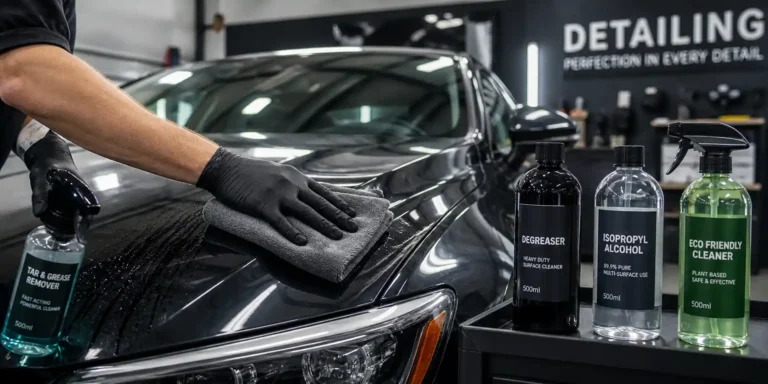
Solvents are a core part of automotive cleaning because many vehicle contaminants, such as grease, tar, and adhesive residues, are not water-soluble. Studies in industrial cleaning show solvent-based formulations can remove up to 90 percent of hydrocarbon residues, which explains their continued use in detailing and maintenance.
Modern vehicles also use more complex materials, including multi-layer paint systems, plastics, and protective coatings. These surfaces react differently to chemical exposure, making solvent selection more important than before. At the same time, environmental regulations and safety standards have tightened, especially around volatile organic compounds and hazardous chemicals.
As a result, effective car care now depends on balancing cleaning strength, surface compatibility, and safe handling practices.
5 Types of Solvents Used in Car Care
Different solvents are formulated for specific tasks. Their composition determines how strong they are, what they dissolve, and which surfaces they are safe for.
1. Petroleum-Based Solvents
Petroleum-based solvents are among the most widely used in automotive applications. These include mineral spirits, kerosene, and naphtha, all derived from crude oil refining. These solvents are highly effective at dissolving grease, oil, and tar, which is why they are commonly used in engine degreasers and tar removers. Their non-polar chemical structure allows them to break down hydrocarbon contaminants efficiently. However, their strength can also be a limitation. Petroleum solvents can strip protective layers such as wax and sealants, and prolonged exposure may cause swelling or softening of rubber components. Industry data shows that they remain dominant in heavy-duty automotive cleaning due to strong solvency power and relatively low cost.
2. Alcohol-Based Solvents
Alcohol-based solvents, especially isopropyl alcohol, are widely used in detailing for surface preparation and light cleaning tasks. These solvents evaporate quickly and leave minimal residue, making them ideal for cleaning paint surfaces before polishing or applying coatings. They are also commonly used to remove polishing oils after paint correction. Isopropyl alcohol is effective against light oils, fingerprints, and polishing compounds. Studies in surface preparation show that alcohol-based cleaning improves coating adhesion by removing invisible residues. Compared to petroleum solvents, alcohol is less aggressive, but repeated use at high concentrations can dry out plastics and rubber over time.
3. Citrus-Based Solvents
Citrus-based solvents are derived from natural sources, primarily d-limonene extracted from citrus peels, and are often marketed as eco-friendly alternatives. These solvents are effective at removing adhesives, tar, and light grease. They are commonly used in interior cleaning products and adhesive removers because they are less harsh on surfaces. Research in green chemistry shows that d-limonene has comparable solvency power to some petroleum solvents for organic residues, while producing fewer volatile organic compounds in certain formulations. However, they can still damage sensitive surfaces if used improperly, especially when left on paint or plastics for extended periods.
4. Chlorinated Solvents
Chlorinated solvents are highly aggressive cleaners often used in industrial automotive applications such as brake cleaning. These solvents are extremely effective at removing oil, grease, and brake dust. They evaporate quickly and leave no residue, making them suitable for precision cleaning of metal components. However, their use is increasingly restricted due to environmental and health concerns. Many chlorinated solvents release harmful fumes and can pose serious risks if inhaled. Regulatory agencies such as the US Environmental Protection Agency have placed strict limits on certain compounds due to toxicity and environmental impact.
5. Water-Based vs Solvent-Based Cleaners
Water-based cleaners and solvent-based cleaners serve different roles in car care, and understanding their differences helps prevent damage. Water-based cleaners use surfactants to lift dirt and contaminants and are safer for most surfaces, making them suitable for general cleaning tasks. Solvent-based cleaners dissolve contaminants directly and are more effective for stubborn residues like tar, grease, and adhesives. In professional detailing, both types are often used together, where water-based cleaners handle general dirt and solvents target more stubborn contamination.
What Are Solvents in Automotive Detailing
Solvents in car care are chemical substances used to dissolve, loosen, or remove contaminants from surfaces without the need for heavy scrubbing. They are essential in detailing because many common residues such as grease, oil, sap, and adhesives do not mix with water.
At a basic level, solvents work by breaking down these substances at a molecular level. This reduces the bond between the contaminant and the surface, making it easier to wipe away without damaging the material underneath.Automotive detailing depends on this process for accurate and safe cleaning. Research published in the Journal of Coatings Technology shows that solvent-based cleaners can remove up to 90 percent of hydrocarbon contaminants, while water alone is far less effective.
This is why solvents are often used before polishing, painting, or applying protective coatings. Any remaining residue can block proper bonding and reduce the durability of the final finish.
Common Uses of Solvents in Car Care
Solvents are used across multiple stages of vehicle maintenance and detailing, from heavy cleaning tasks to precise surface preparation. Their ability to dissolve stubborn contaminants makes them essential in both basic and advanced car care processes.
- Removing Tar, Sap, and Adhesives
Solvents are highly effective at removing sticky contaminants such as road tar, tree sap, and adhesive residue. These substances bond strongly to surfaces and cannot be removed with standard washing methods. Solvents break down their chemical structure, allowing safe removal without aggressive scrubbing. Automotive detailing studies show that dedicated tar removers can reduce removal time by more than 70 percent compared to mechanical cleaning methods alone. This improves efficiency and reduces the risk of scratching the paint. - Degreasing Engine Components
Engine bays collect grease, oil, and road grime over time. Solvents are essential for breaking down these heavy deposits.Petroleum-based degreasers are commonly used because they dissolve thick layers of oil quickly. This improves both the appearance and performance of engine components. Clean engines also make inspection easier, helping mechanics identify leaks and worn parts more accurately. - Surface Preparation Before Polishing or Coating
Solvent cleaning is a key step before polishing or applying coatings. It removes oils, residues, and contaminants that can interfere with surface bonding.Without proper preparation, coatings may not adhere correctly, reducing their durability. Isopropyl alcohol is widely used because it removes polishing oils without damaging paint when applied correctly. Research in automotive coatings shows that proper surface preparation can increase coating lifespan by up to 50 percent. - Cleaning Glass, Trim, and Metal Surfaces
Solvents are also used on non-painted surfaces such as glass, trim, and metal components.Alcohol-based cleaners are preferred for glass because they evaporate quickly and do not leave streaks, improving visibility. On metal surfaces, solvents remove oxidation, grease, and residue, which is important for both appearance and functional performance. - Interior Cleaning Applications
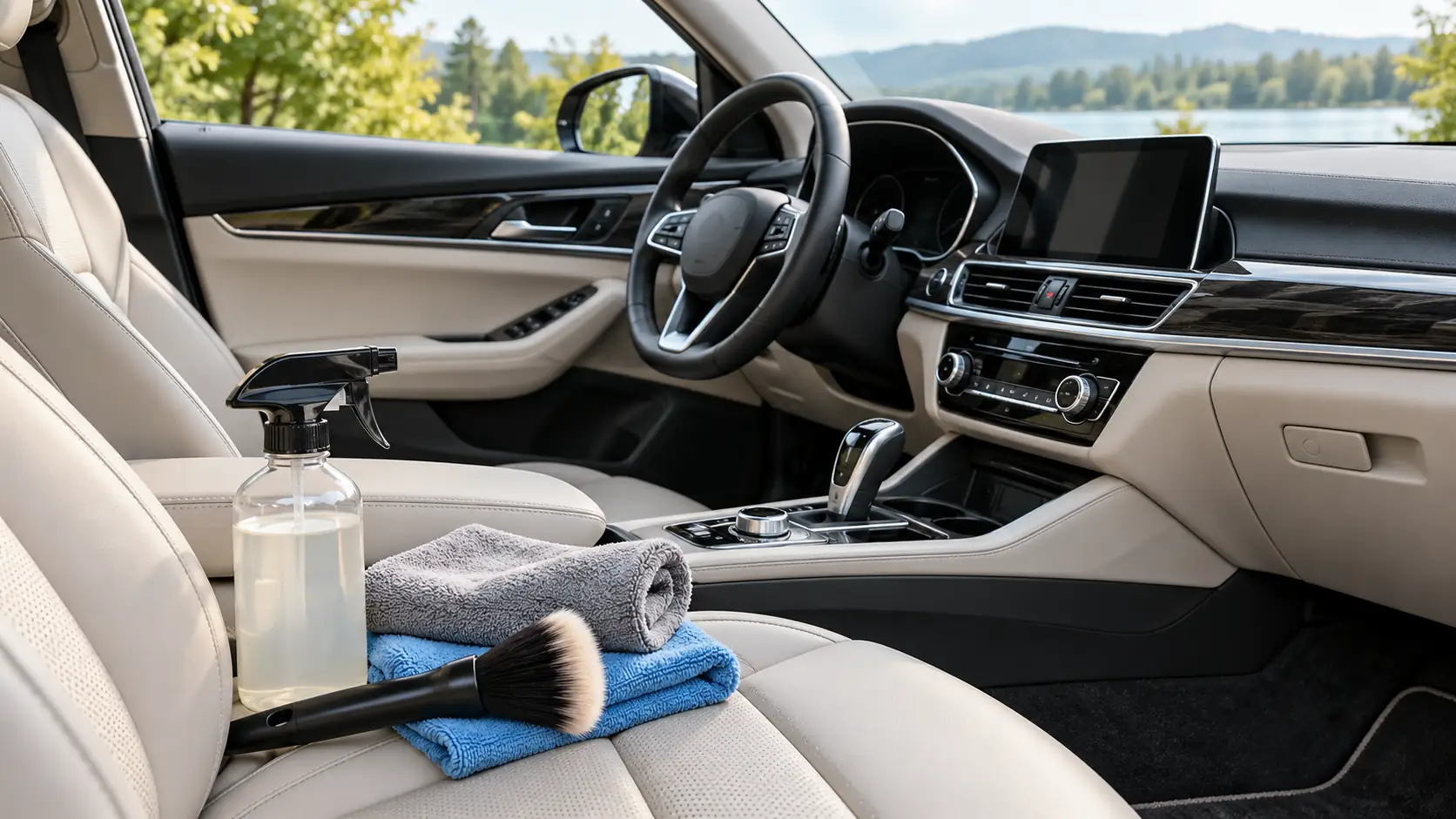
Some solvents are used inside the vehicle, but their application must be controlled carefully.Mild solvents can remove stains, adhesives, and residues from interior surfaces. However, strong solvents may damage materials like leather, vinyl, and plastic. For this reason, most interior cleaning products use diluted or specialized solvent formulations designed to be safer for sensitive surfaces.
4 Surface Compatibility in Car Care
Surface compatibility refers to how different materials react when exposed to solvents. Choosing the wrong solvent can cause fading, cracking, swelling, or permanent surface damage.
Understanding compatibility is essential because modern vehicles use a mix of materials including clear coat paint, plastics, rubber, glass, and coated surfaces. Each reacts differently to chemical exposure.
1. Compatibility with Automotive Paint
Automotive paint systems are layered structures consisting of primer, base coat, and clear coat. Solvents interact mainly with the outer clear coat layer.
Mild solvents such as isopropyl alcohol are generally safe when used correctly. They remove surface oils without affecting the paint structure. However, strong solvents like acetone or lacquer thinner can soften or dissolve the clear coat.
Laboratory testing in automotive coatings shows that aggressive solvents can reduce clear coat thickness within seconds of exposure. This leads to dullness, hazing, or permanent damage. Even safe solvents can cause issues if overused. Frequent solvent wiping may strip protective wax or sealant layers, reducing paint protection over time.
2. Compatibility with Plastics and Trim
Modern vehicles contain a large amount of plastic components, both inside and outside. These materials are more sensitive to solvents than metal or glass. Strong solvents can cause plastic to discolor, fade, or become brittle. In some cases, they may leave a cloudy or white appearance that cannot be reversed.
Alcohol-based solvents are usually safer for plastics when diluted properly. Citrus-based cleaners are also commonly used because they are less aggressive. Automotive material studies indicate that certain plastics, especially ABS and polycarbonate, can degrade quickly when exposed to petroleum solvents. This is why dedicated plastic-safe cleaners are recommended.
3. Compatibility with Rubber Components
Rubber seals and hoses are critical for maintaining vehicle performance and preventing leaks. These materials are highly sensitive to solvent exposure.
Petroleum-based solvents can cause rubber to swell or lose elasticity. Over time, this leads to cracking and failure. Alcohol can dry out rubber if used repeatedly, especially in high concentrations. This reduces flexibility and shortens the lifespan of seals.
Manufacturers often recommend avoiding direct solvent application on rubber unless the product is specifically labeled as safe for such use.
4. Compatibility with Glass Surfaces
Glass is one of the most solvent-resistant materials in a vehicle. This makes it easier to clean using a wide range of solvent-based products. Alcohol-based cleaners are the most commonly used for glass because they evaporate quickly and leave no streaks. This improves clarity and visibility.
Unlike paint or plastic, glass does not react chemically with most solvents. However, improper use can still cause issues such as residue buildup or streaking. Using clean microfiber cloths and proper technique is just as important as choosing the right solvent.
Safety Guidelines for Using Solvents
Solvent safety involves protecting both the user and the environment. Many solvents contain chemicals that can pose health risks if handled incorrectly. Proper safety practices help reduce the risk of accidents, exposure, and long-term health effects.
- Personal Safety Measures
Solvents can affect the skin, eyes, and respiratory system, so direct contact and inhalation should always be minimized. Wearing protective gloves helps prevent skin irritation, while safety glasses reduce the risk of accidental splashes into the eyes. Occupational safety data shows that prolonged exposure to solvent vapors can cause dizziness, headaches, and respiratory irritation, especially in poorly ventilated areas. - Ventilation and Work Environment
Good ventilation is essential when working with solvents because it helps disperse fumes and lowers inhalation risks. Working outdoors or in a well-ventilated garage is recommended. In professional environments, ventilation systems are often used to maintain air quality. Air quality studies show that proper ventilation can reduce solvent vapor concentration by more than 80 percent, significantly lowering health risks. - Flammability and Storage
Many solvents are highly flammable, and improper handling can create serious fire hazards. Solvents should be stored in tightly sealed containers and kept away from heat sources, sparks, or open flames. Using solvents near ignition sources should always be avoided. Fire safety guidelines recommend storing them in cool, dry areas and following the manufacturer’s instructions. - Environmental Considerations
Solvent disposal must be handled carefully to prevent environmental damage. Improper disposal can contaminate soil and water. Regulatory agencies recommend disposing of solvents through approved waste management systems. Many regions have strict guidelines for hazardous waste disposal. Eco-friendly solvents are becoming more common as they reduce environmental impact while maintaining cleaning performance.
How to Choose the Right Solvent for Car Care?
Selecting the right solvent depends on the type of contaminant, the surface, and the level of cleaning required. Using the wrong solvent can lead to ineffective results or surface damage, so proper selection is essential.
Matching Solvent to Contaminant
Different contaminants respond to different types of solvents, so understanding this relationship improves cleaning efficiency. Grease and oil are best removed with petroleum-based solvents, while light residues can be handled with alcohol-based cleaners. Adhesives and tar often require specialized solvents designed specifically for those substances. This targeted approach reduces unnecessary chemical use and improves results.
Reading Labels and Product Information
Product labels contain essential information about usage, safety, and compatibility. Ignoring these details increases the risk of improper use and damage. Safety Data Sheets provide detailed insights into chemical composition, hazards, and handling procedures. These are widely used in professional environments to ensure safe application. Following manufacturer guidelines helps maintain both effectiveness and safety.
Professional vs Consumer Products
Professional-grade solvents are typically stronger and more concentrated, designed for industrial or commercial use. Consumer products are formulated to be safer and easier to handle. While they may be less aggressive, they are effective for most car care tasks. The choice depends on the user’s experience level and the specific cleaning requirement.
Eco-Friendly Alternatives
Eco-friendly solvents are developed to reduce environmental impact while still delivering effective cleaning performance. These products often use biodegradable ingredients and lower levels of volatile organic compounds, making them safer for both users and the environment. Recent industry trends show increasing adoption of green cleaning solutions due to stricter regulations and growing environmental awareness.
Effects on Protective Coatings
Protective layers such as wax, sealants, and ceramic coatings are designed to shield the vehicle surface. Solvents can weaken or remove these layers. Mild solvents may only reduce the effectiveness of wax. Strong solvents can completely strip protective coatings, exposing the surface underneath. Studies in automotive surface protection show that repeated solvent exposure can significantly reduce the lifespan of coatings. This is why solvent use should be limited to necessary situations.
Best Practices for Using Solvents
Using solvents effectively depends on proper technique, not just the product itself. Applying small amounts with controlled tools, testing on a hidden area first, and working in sections help prevent surface damage. Cleaning or rinsing after use removes residue and prepares the surface for protection. Careful handling ensures better results while maintaining safety and surface integrity.
| Practice | Explanation |
|---|---|
| Application Techniques | Applying solvents correctly helps maximize effectiveness while minimizing risk. Using a microfiber cloth or applicator allows controlled use, while spraying directly onto surfaces should be avoided for strong solvents. Working in small sections improves precision and prevents overexposure. |
| Spot Testing | Testing a small, hidden area before full application helps identify potential issues. This is especially important for sensitive surfaces such as paint, plastic, or interior materials. Professional detailers consider this a standard practice to avoid costly damage. |
| Rinsing and Neutralizing | After using solvents, surfaces should be cleaned or rinsed to remove any remaining residue. Leaving residue can lead to long-term damage or reduce the performance of protective coatings. Neutralizing the surface prepares it for further treatment or protection. |
Common Mistakes to Avoid
Mistakes in solvent use often come from choosing the wrong product or applying it incorrectly. Using strong solvents on sensitive surfaces, overusing them, or mixing chemicals can lead to permanent damage. Ignoring manufacturer guidelines also increases risk. Careful selection and proper use are essential to maintain surface safety and cleaning effectiveness.
| Mistake | Explanation |
|---|---|
| Using Strong Solvents on Sensitive Surfaces | Applying aggressive solvents to delicate materials such as clear coat or plastic can cause irreversible damage. Choosing the correct strength is essential for maintaining surface integrity. |
| Overusing Solvents | Excessive use can strip protective layers and weaken materials over time. Using only the required amount improves both safety and effectiveness. |
| Mixing Chemicals | Combining different solvents or cleaners can create harmful reactions. This may produce toxic fumes or reduce cleaning effectiveness, so products should always be used as directed. |
| Ignoring Manufacturer Guidelines | Skipping product instructions increases the risk of improper use. Manufacturers provide guidelines based on testing and research, making them essential for safe application. |
Conclusion
Solvents play a key role in modern car care because they remove contaminants that water alone cannot handle. Their ability to break down grease, tar, and residues makes them important for both basic cleaning and detailed surface preparation.
At the same time, their effectiveness depends on correct use. Choosing the right solvent, applying it carefully, and understanding how it interacts with different surfaces helps prevent damage and maintain results.When used with proper safety practices and awareness, solvents improve cleaning efficiency while protecting the condition and lifespan of vehicle surfaces.
Frequently Asked Questions
Can solvents damage car paint?
Yes, strong solvents can damage car paint by softening or removing the clear coat layer. Mild solvents are generally safe when used correctly, but overuse or high concentrations can still reduce protection and cause dullness or surface damage.
Is isopropyl alcohol safe for car surfaces?
Isopropyl alcohol is safe for most car surfaces when properly diluted, usually between 10 to 25 percent. It is widely used for paint preparation and glass cleaning because it removes oils without leaving residue when applied correctly.
What removes adhesive without damaging surfaces?
Citrus-based solvents and dedicated adhesive removers are the safest options for removing adhesive residue. They break down the adhesive effectively while reducing the risk of damage to paint, plastic, or trim when used as directed.
What are natural solvents effective for?
Natural solvents can be effective for light cleaning, grease removal, and adhesive breakdown. Their performance depends on the formulation, but many citrus-based options provide comparable results to traditional solvents for mild to moderate contamination.
How often should solvents be used?
Solvents should be used only when needed for specific contaminants such as tar, grease, or adhesive. Frequent use can strip protective layers like wax or sealants and may lead to long-term surface damage.