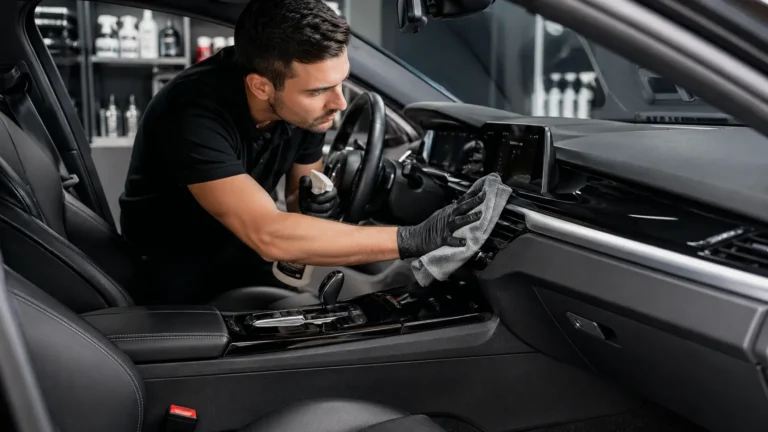
Interior car care refers to the cleaning, maintenance, and protection of cabin surfaces such as seats, dashboards, carpets, and controls. Automotive hygiene studies show that enclosed vehicle cabins can accumulate dust, bacteria, and volatile compounds faster than open environments due to limited airflow.
Research from the International Carwash Association indicates that consistent interior maintenance improves material lifespan and supports higher resale value. UV exposure, moisture, and daily usage contribute to fading, odor formation, and surface wear. Regular interior care reduces these risks by maintaining cleanliness, preserving materials, and improving air quality inside the vehicle.
What Interior Car Care Means in Automotive Maintenance
Interior car care is the process of maintaining the cleanliness, condition, and durability of all interior surfaces inside a vehicle. It includes routine cleaning, deep detailing, and protective treatments that preserve materials and improve cabin hygiene.
Interior car care plays a direct role in vehicle maintenance, not only for appearance but also for long-term usability. Automotive research shows that dirt, UV exposure, and moisture inside a cabin accelerate material degradation, especially on plastics, leather, and fabric.
The International Carwash Association reports that regular interior maintenance improves vehicle resale value and reduces long-term repair costs. Clean interiors also contribute to better air quality, which directly affects driver comfort and health during long commutes.
Types of Interior Car Care Services and Tasks
Interior car care includes different levels of cleaning and protection, ranging from basic maintenance to advanced detailing. Each level targets specific conditions inside the cabin.
1. Basic Interior Cleaning
Basic interior cleaning removes visible dirt, dust, and debris from surfaces such as seats, carpets, and dashboards. It involves vacuuming, wiping surfaces, and light stain removal.
This level of cleaning is often performed weekly. Studies in automotive hygiene show that dust accumulation inside vehicles can carry allergens such as pollen and fine particles, especially in urban environments. Regular cleaning reduces these contaminants and improves air circulation inside the cabin.
2. Deep Interior Detailing
Deep interior detailing is an intensive cleaning process that targets embedded dirt, stains, and bacteria in upholstery, carpets, and hidden areas. It includes steam cleaning, extraction, and detailed surface treatment.
Professional detailing services often use hot water extraction machines that remove up to 90 percent of trapped dirt and bacteria from fabric surfaces. Research published in automotive hygiene journals indicates that deep cleaning significantly reduces microbial contamination inside vehicle interiors.
3. Interior Surface Protection and Conditioning
Interior protection focuses on preserving materials such as leather, vinyl, and plastic by applying conditioners and protective coatings. These treatments prevent cracking, fading, and wear.
Leather conditioning products restore moisture balance, which helps prevent surface damage caused by heat and dryness. UV protectants applied to dashboards reduce sun damage, which is a major cause of fading and brittleness in interior plastics.
4. Odor Removal and Sanitization
Odor removal and sanitization eliminate unpleasant smells caused by bacteria, mold, smoke, or food residue. This process includes the use of disinfectants, ozone treatments, or enzymatic cleaners.
Automotive interior studies show that odor-causing bacteria often develop in carpets and air vents. Proper sanitization removes these sources rather than masking odors with fragrances, resulting in a cleaner and healthier cabin environment.
Main Interior Surfaces That Require Care
Interior car care targets different materials and surfaces, each requiring specific cleaning methods and products to avoid damage and maintain quality.
1. Dashboard and Plastic Trim
Dashboard and plastic trim surfaces accumulate dust, UV exposure, and oils from daily use. Cleaning involves using non-abrasive cleaners and applying UV protection.
Research shows that prolonged exposure to sunlight causes plastic oxidation, leading to fading and cracking. Regular cleaning combined with UV protection reduces this risk and extends the lifespan of dashboard components.
2. Car Seats (Fabric, Leather, Vinyl)
Car seats are one of the most used surfaces inside a vehicle and require material-specific care. Fabric seats need deep cleaning to remove stains, while leather requires conditioning to prevent drying.
Leather surfaces lose natural oils over time, especially in hot climates. Conditioning helps restore flexibility and prevents cracking. Fabric seats, on the other hand, trap dust and moisture, which can lead to odor and bacterial growth if not cleaned properly.
3. Carpets and Floor Mats
Carpets and floor mats collect dirt, mud, and moisture from footwear. Regular vacuuming and occasional deep cleaning help maintain cleanliness and prevent odor buildup.
Studies in vehicle hygiene show that carpets often contain higher levels of bacteria compared to other interior surfaces due to constant exposure to external contaminants. Cleaning reduces this risk and improves cabin hygiene.
4. Steering Wheel and Controls
The steering wheel and control buttons are high-contact areas that accumulate oils, sweat, and bacteria. Cleaning these surfaces improves hygiene and ensures better grip and usability.
Microbial studies indicate that steering wheels can carry more bacteria than commonly touched household surfaces. Regular disinfection helps maintain cleanliness and reduces health risks.
5. Car Interior Glass and Mirrors
Interior glass surfaces require streak-free cleaning to maintain visibility. Dust, fingerprints, and film buildup can reduce clarity over time.
Proper glass cleaning improves driving safety by ensuring clear visibility, especially during night driving or adverse weather conditions.
6. Headliner and Roof Lining
The headliner is a delicate fabric surface that requires gentle cleaning methods. Harsh scrubbing can damage the material or loosen adhesive.
Specialized cleaners and light brushing techniques help remove stains without affecting the structural integrity of the roof lining.
Interior Car Cleaning Process Step by Step
Interior car cleaning follows a structured process that ensures all surfaces are cleaned effectively without causing damage.
1. Removing Trash and Initial Inspection
The process begins with removing all trash and loose items from the cabin. This step allows a clear inspection of surfaces and identifies areas that need special attention.
Initial inspection helps detect stains, damage, or odors early, allowing targeted cleaning methods to be applied during the process.
2. Vacuuming Seats, Carpets, and Tight Areas
Vacuuming removes loose dirt, dust, and debris from seats, carpets, and hard-to-reach areas. High-suction vacuum cleaners are used for effective cleaning.
Professional detailing tools often include narrow attachments designed to clean tight spaces such as seat gaps and air vents. This ensures complete dirt removal before wet cleaning begins.
3. Cleaning Hard Surfaces and Panels
Hard surfaces such as dashboards, door panels, and trims are cleaned using appropriate cleaners and microfiber cloths.
Microfiber materials are widely used because they trap dust without scratching surfaces. Studies show that microfiber cloths can remove up to 99 percent of surface bacteria when used correctly.
4. Upholstery Cleaning Methods (Fabric vs Leather)
Upholstery cleaning varies based on material type. Fabric surfaces require shampooing or steam cleaning, while leather needs specialized cleaners and conditioners.
Using incorrect cleaning products can damage upholstery. For example, strong detergents may dry out leather, while excess moisture can lead to mold growth in fabric seats.
5. Interior Glass Cleaning
Interior glass cleaning involves using streak-free solutions and lint-free cloths to remove smudges and haze.
Clear glass improves visibility and enhances the overall appearance of the vehicle interior.
6. Final Detailing and Finishing Touches
The final stage includes applying protectants, conditioning surfaces, and ensuring all areas are clean and polished.
This step enhances the overall finish and ensures long-term protection against wear and environmental damage.
Interior Car Care Products and Tools
Interior car care relies on surface-specific products and precision tools designed to remove contaminants without damaging materials. Each product category targets a different type of dirt, such as oils, dust, organic residue, or embedded debris, which requires controlled cleaning methods.
Automotive detailing research shows that using incorrect products, especially high-alkaline cleaners on sensitive materials, leads to discoloration, surface drying, and long-term damage. Proper tool selection improves cleaning efficiency and reduces physical wear during the process.
Interior Cleaners (All-Purpose, Foam, Spray)
Interior cleaners remove dirt, grease, body oils, and light stains from hard surfaces such as dashboards, door panels, and trims. These cleaners are formulated with balanced pH levels to prevent damage to plastics, vinyl, and coated surfaces.
All-purpose cleaners are used for routine maintenance and light contamination. Foam cleaners expand on application and lift dirt from textured surfaces, which is effective for grain-pattern plastics. Spray cleaners provide controlled application and are commonly used for spot cleaning and sensitive areas.
Laboratory testing in surface cleaning shows that pH-balanced interior cleaners reduce residue buildup and prevent sticky finishes, which often occur when harsh detergents are used.
Upholstery and Carpet Cleaners
Upholstery and carpet cleaners target fabric fibers that trap dirt, moisture, and organic material. These products often contain enzyme-based formulas that break down proteins from food, sweat, and biological contaminants.
Hot water extraction combined with carpet cleaning solutions removes deep-seated dirt that standard vacuuming cannot reach. Industry data shows that extraction cleaning removes a significantly higher percentage of embedded particles compared to dry cleaning methods.
Low-moisture cleaning solutions are also used to reduce drying time and prevent mold growth, especially in humid environments where moisture retention becomes a risk factor.
Leather Cleaners and Conditioners
Leather cleaners are designed to remove dirt and oils without stripping natural moisture from the material. Conditioners restore hydration and maintain flexibility, which prevents cracking and surface wear.
Automotive material studies show that untreated leather loses its natural oils over time due to heat exposure and friction. Conditioning helps maintain elasticity and reduces stress on high-contact areas such as seat bolsters and armrests.
Modern leather care products often include UV inhibitors that reduce fading and discoloration, especially in vehicles exposed to direct sunlight for extended periods.
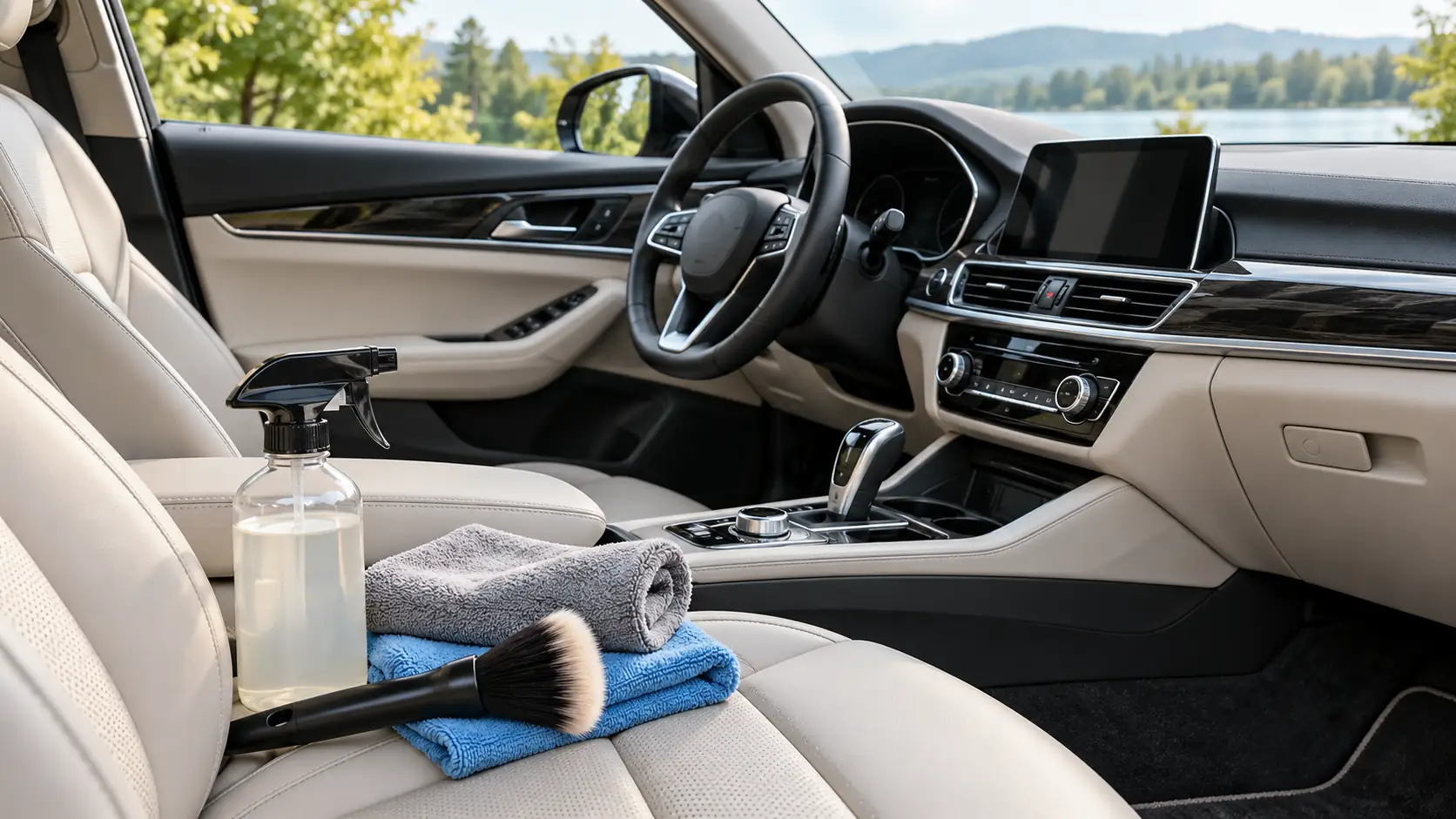
Microfiber Cloths, Brushes, and Applicators
Microfiber cloths and specialized brushes are essential for safe and effective cleaning. Microfiber fibers trap dust and particles within their structure, reducing the risk of surface scratching.
Studies in cleaning technology indicate that microfiber materials remove a higher percentage of surface contaminants compared to traditional cotton cloths. Different brush types serve specific functions.
- Soft detailing brushes clean vents, buttons, and delicate surfaces
- Medium brushes remove dirt from seams and textured plastics
- Stiffer brushes are used for carpets and floor mats
Foam and microfiber applicators ensure even distribution of cleaners and protectants, which improves product performance and surface coverage.
Vacuum Cleaners and Interior Detailing Tools
Vacuum cleaners remove loose dirt, dust, and debris from seats, carpets, and tight spaces. High-suction models with HEPA filtration capture fine particles, including allergens and dust mites.
Detailing tools such as crevice nozzles, air blowers, and steam cleaners improve cleaning precision. Crevice tools reach narrow gaps between seats, while air blowers dislodge dust from hard-to-reach areas. Steam cleaning uses high-temperature vapor to break down grease and sanitize surfaces without excessive chemical use.
Professional detailing equipment increases cleaning depth and consistency. Industry benchmarks show that advanced tools reduce cleaning time while improving removal of contaminants from complex interior surfaces.
Interior Surface Protection Methods
Interior surface protection focuses on preserving materials from UV damage, stains, moisture, and microbial growth. These methods extend the lifespan of interior components and maintain appearance over time.
UV Protection for Dashboard and Plastics
UV protection involves applying protective coatings that block harmful ultraviolet rays from damaging dashboard and plastic surfaces. It reduces fading, cracking, and discoloration caused by prolonged sun exposure.
Studies from the Skin Cancer Foundation highlight that UV radiation remains strong even through glass, which directly affects interior materials. Automotive material research shows that untreated dashboards can lose structural strength over time due to UV exposure. Protective coatings create a barrier that slows this degradation and keeps surfaces stable under heat.
Fabric Protection and Stain Resistance
Fabric protection treatments create a hydrophobic layer on seats and carpets, preventing liquids and dirt from penetrating the fibers. This helps maintain cleanliness and reduces long-term staining.
Textile research shows that untreated fabric absorbs spills quickly, which leads to permanent staining and odor buildup. Protective coatings reduce absorption rates and allow easier cleaning. This becomes especially important in high-usage vehicles where food spills, dust, and moisture are frequent.
Leather Conditioning and Crack Prevention
Leather conditioning restores natural oils that keep leather surfaces flexible and resistant to cracking. It protects against dryness caused by heat, sunlight, and daily use.
Material studies in automotive interiors show that leather loses moisture over time, leading to stiffness and surface damage. Conditioning maintains elasticity and reduces the risk of cracks forming along high-contact areas such as seat edges and armrests.
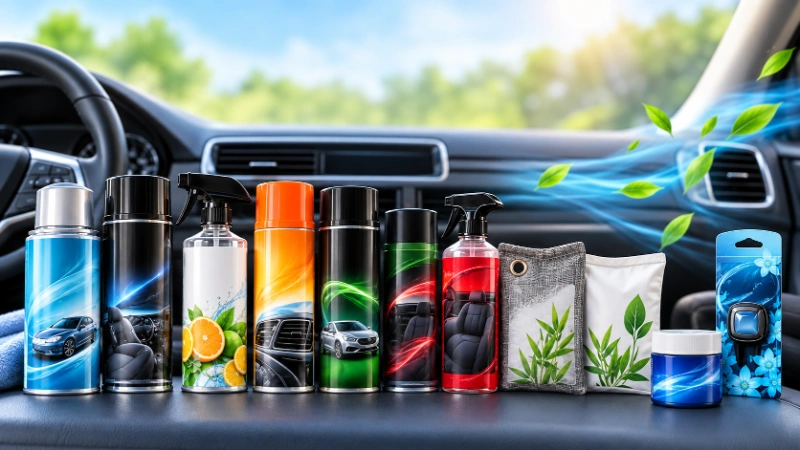
Anti-Bacterial and Anti-Odor Treatments
Anti-bacterial treatments eliminate microorganisms that develop inside the cabin, while anti-odor solutions neutralize the source of unpleasant smells. These treatments improve hygiene and air quality.
Research in vehicle hygiene indicates that bacteria and mold often grow in carpets, air vents, and upholstery due to moisture and organic residue. Proper sanitization reduces these risks and creates a cleaner environment for passengers.
Common Interior Car Care Problems and Solutions
Interior car care addresses issues that develop from daily use, environmental exposure, and delayed maintenance. These problems affect material condition, cabin hygiene, and overall driving comfort if not treated correctly.
The most frequent interior issues follow predictable patterns based on contamination type, surface material, and environmental conditions.
- Removing Stains from Seats and Carpets: Stains form from spills, dirt, and organic residue that penetrate fabric and carpet fibers. Protein-based stains such as food or beverages respond to enzyme cleaners, while oil-based stains require solvent-based solutions. Detailing data shows that fresh stains are easier to remove because older stains bond more strongly with fibers over time.
- Eliminating Bad Odors from Cabin: Odors develop from bacteria, mold, smoke, and trapped moisture inside upholstery and air systems. Effective odor control depends on removing the source rather than masking it. Techniques such as ozone treatment break down odor-causing molecules at a chemical level, which provides longer-lasting results compared to fragrance-based solutions.
- Sticky Dashboard and Dust Build-Up: Sticky surfaces result from residue left by cleaning products combined with heat and dust accumulation. This creates a film that attracts more dirt over time. Non-greasy, residue-free cleaners restore the original texture of the dashboard. Regular wiping prevents dust from bonding with surface oils, which is common in high-temperature environments.
- Mold, Bacteria, and Hygiene Issues: Mold and bacteria grow in damp areas such as carpets, सीट gaps, and upholstery. These microorganisms affect both material durability and cabin air quality. Moisture control combined with deep cleaning reduces microbial growth. Environmental health studies confirm that untreated mold spreads quickly and can impact respiratory health, especially in enclosed spaces like vehicle interiors.
How Often Should You Clean Your Car Interior?
Interior car cleaning frequency depends on vehicle usage, environmental exposure, and daily habits. A structured routine prevents dirt accumulation, reduces material wear, and maintains consistent cabin hygiene over time.
The cleaning schedule typically follows a layered approach, where light maintenance is done frequently and deeper cleaning is performed at set intervals.
Daily, Weekly, and Monthly Cleaning Routine
A structured routine divides cleaning into daily, weekly, and monthly tasks to control buildup and maintain surface condition over time.
This routine ensures that light contamination is managed early while deeper cleaning prevents long-term material damage.
- Daily Cleaning
Removing trash and visible dust from high-contact areas such as dashboards, seats, and cup holders prevents loose debris from spreading across the cabin and reduces surface contamination. - Weekly Cleaning
Vacuuming carpets and seats, along with wiping frequently used surfaces, removes accumulated dirt before it embeds into materials and becomes harder to clean. - Monthly Cleaning
Deeper cleaning tasks such as upholstery cleaning, stain treatment, and surface conditioning restore material condition and protect against wear. Automotive maintenance data shows that vehicles maintained on this schedule retain better interior quality and require fewer intensive restoration treatments.
Factors That Affect Cleaning Frequency (Usage, Climate, Lifestyle)
Cleaning frequency varies based on how the vehicle is used and the environment in which it operates. Different conditions accelerate dirt buildup and material degradation.
- High-usage vehicles accumulate dirt faster due to frequent entry and exit, especially in commercial or daily commuting scenarios.
- Urban environments expose interiors to higher levels of dust, pollutants, and fine particles.
- Humid and coastal climates increase moisture levels, which promotes mold growth and odor formation in carpets and upholstery.
- Lifestyle factors such as pets, children, and in-car food consumption introduce additional contaminants that require more frequent cleaning.
Automotive studies show that adjusting cleaning frequency based on these factors improves material durability and maintains better cabin hygiene compared to fixed cleaning intervals.
Benefits of Regular Interior Car Care
Regular interior car care improves hygiene, preserves materials, and supports a consistent driving environment. It affects both immediate comfort and long-term vehicle condition by reducing contamination and slowing material wear.
The impact of regular maintenance becomes visible across air quality, material durability, and vehicle value over time.
- Improved Cabin Air Quality and Hygiene
Clean interiors reduce the presence of dust, allergens, and bacteria that accumulate in enclosed vehicle cabins. Environmental health studies show that limited airflow inside cars allows pollutants to build up faster than in open spaces, which makes regular cleaning essential for maintaining breathable air. - Extended Lifespan of Interior Materials
Leather, plastic, and fabric surfaces degrade when exposed to dirt, UV radiation, and moisture. Routine cleaning and conditioning slow down this process. Automotive material research shows that maintained surfaces retain flexibility, color stability, and structural strength for a longer period. - Higher Resale Value and Market Appeal
Vehicle resale data indicates that interior condition strongly influences buyer perception and final pricing. Clean, well-maintained interiors signal proper ownership and reduce the need for restoration, which increases buyer confidence and overall vehicle value. - Better Driving Comfort and User Experience
A clean and organized cabin improves driving comfort by reducing distractions and maintaining a pleasant environment. Fresh surfaces, odor control, and clutter-free spaces contribute to a more stable and comfortable experience, especially during daily commutes and long-distance travel.
Interior Car Care Tips for Long-Term Maintenance
Interior car care depends on consistent habits that reduce contamination, limit material stress, and prevent long-term damage. Preventive maintenance keeps surfaces stable and reduces the need for intensive restoration work.
These practices focus on controlling dirt, moisture, and environmental exposure before they affect interior materials.
- Remove Dirt and Debris Regularly
Frequent removal of dust, sand, and loose particles prevents them from embedding into fabrics and scratching plastic surfaces. Automotive cleaning data shows that accumulated debris increases abrasion on carpets and seat materials over time. - Use Surface-Specific Cleaning Products
Different materials such as leather, plastic, and fabric require targeted cleaning solutions. Using the correct product prevents discoloration, drying, and surface damage while improving cleaning efficiency and long-term durability. - Limit UV Exposure Inside the Cabin
Parking in shaded areas or using sunshades reduces direct sunlight on dashboards and seats. UV exposure is a primary cause of fading and cracking in interior materials, especially in high-temperature regions. - Control Food and Liquid Spills
Reducing food consumption inside the vehicle lowers the risk of stains and odor formation. Organic residue from spills supports bacterial growth, which affects both hygiene and surface condition. - Maintain Proper Ventilation and Moisture Control
Keeping airflow consistent inside the cabin helps prevent moisture buildup in carpets and upholstery. Controlled humidity levels reduce the risk of mold growth and maintain better air quality.
Automotive maintenance studies show that consistent preventive care maintains interior condition more effectively than occasional deep cleaning, while also reducing overall maintenance time and cost.
What to Check Before Choosing Interior Car Care Products or Services
Choosing interior car care products or services requires evaluating material compatibility, chemical safety, and service capability. These factors determine cleaning effectiveness and prevent surface damage inside the vehicle cabin.
The selection process focuses on how well a product or service matches interior materials and delivers consistent results without introducing risk.
- Material Compatibility and Surface Safety
Different interior materials such as leather, fabric, vinyl, and plastic require specific formulations. Using incompatible products leads to discoloration, drying, or surface weakening. Automotive testing shows that pH-balanced cleaners maintain surface integrity better than harsh chemical solutions. - Ingredient Transparency and Chemical Composition
Product labels and safety data provide insight into chemical strength and intended use. Low-quality formulations often leave residue or cause long-term surface damage. Cleaners designed for enclosed environments reduce the risk of harmful vapor exposure inside the cabin. - Cleaning Method and Equipment Used in Services
Professional services rely on tools such as extraction machines, steam cleaners, and high-efficiency vacuums. Advanced equipment improves cleaning depth and reduces residue compared to basic manual methods. Service quality depends on how these tools are applied across different surfaces. - Experience, Process Consistency, and Service Transparency
Service providers with structured processes deliver more predictable results. Consistent workflows, clear pricing, and defined cleaning steps indicate reliability. Customer feedback and service documentation provide measurable insight into performance quality and long-term trust.
Automotive detailing data shows that selecting the right combination of product quality and service capability reduces cleaning risk, improves material lifespan, and ensures stable interior condition over time.
Frequently Asked Questions About Interior Car Care
What is included in interior car care?
Interior car care includes cleaning, detailing, and protecting all cabin surfaces such as seats, carpets, dashboard, glass, and controls. It involves vacuuming, stain removal, surface cleaning, conditioning, and sanitization to maintain hygiene and material quality.
Interior care also includes odor removal and protective treatments that prevent damage from UV exposure, moisture, and daily use.
How do you clean car interior surfaces properly?
Car interior cleaning follows a structured process that includes removing debris, vacuuming, cleaning surfaces with appropriate products, and applying protective treatments. Each material requires specific cleaning methods to avoid damage.
Using microfiber cloths, suitable cleaners, and proper techniques ensures effective cleaning without harming surfaces. Consistency in cleaning helps maintain long-term results.
What products are best for interior car cleaning?
The best interior car cleaning products include all-purpose cleaners for hard surfaces, upholstery cleaners for fabric, and conditioners for leather. These products are designed for specific materials and cleaning needs.
High-quality products improve cleaning efficiency and reduce the risk of damage. Choosing products based on material type ensures better results and longer-lasting protection.
How long does interior detailing take?
Interior detailing typically takes between 2 to 6 hours depending on the size of the vehicle and the level of cleaning required. Basic cleaning takes less time, while deep detailing requires more extensive work.
Professional detailing services may take longer for heavily soiled interiors, especially when using advanced cleaning techniques such as steam cleaning or extraction.
Is interior car care necessary for new cars?
Interior car care is necessary for new cars to maintain cleanliness and prevent early wear. Even new vehicles accumulate dust, oils, and environmental contaminants from daily use.
Early maintenance helps preserve materials and reduces the need for intensive cleaning later. Protective treatments applied early extend the lifespan of interior components.
Conclusion
Interior car care directly affects material durability, cabin hygiene, and vehicle value. Data from automotive detailing and environmental studies shows that regular cleaning reduces microbial buildup, slows material degradation, and improves air quality inside enclosed cabins.
Vehicles with consistent interior maintenance retain higher resale value and require fewer restoration efforts over time. Factors such as climate, usage patterns, and exposure to sunlight influence how quickly interiors degrade.
Interior surfaces such as leather, plastic, and fabric respond differently to wear, which makes material-specific care essential. Structured cleaning routines and protective treatments create measurable improvements in longevity and overall driving conditions.