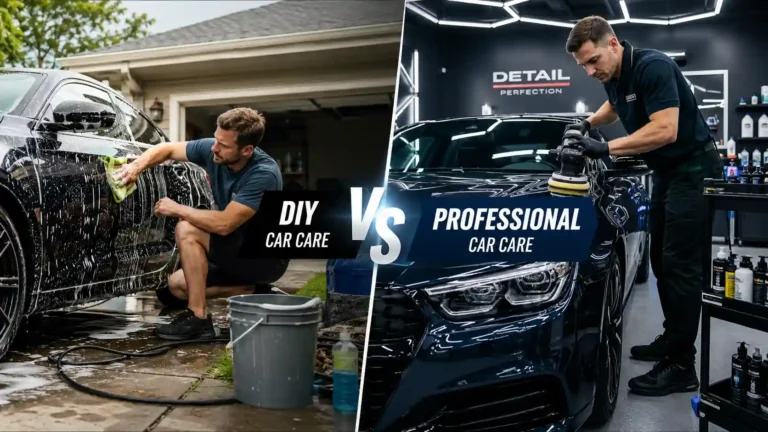
Car owners spend on both routine upkeep and professional services because each approach solves different problems. DIY car care is usually cheaper and gives owners direct control over cleaning and maintenance, while professional care offers deeper cleaning, advanced protection, and more consistent results. Industry reports and detailing service pricing show a wide gap in both cost and time commitment, which is why the better choice depends on budget, skill, vehicle condition, and how much maintenance the car needs. This comparison looks at the practical differences between the two options using clear, real-world factors.
DIY Car Care vs Professional Car Care: Key Differences
The difference between DIY and professional car care comes down to cost, time, quality, and convenience. Both approaches serve different needs, and the right choice depends on your budget, schedule, and the level of results you expect.
Comparison Table
| Factor | DIY Car Care | Professional Car Care |
|---|---|---|
| Cost | More affordable, requires only basic tools and products with lower long-term expenses. | More expensive, with detailing services typically ranging from moderate to high cost depending on service level. |
| Time | Requires personal time and effort, often taking several hours for proper cleaning and maintenance. | Saves time as experts handle the work, making it ideal for busy individuals. |
| Quality of Results | Results depend on skill and consistency; can vary and may lead to minor imperfections. | Delivers more consistent, high-quality results using advanced tools and techniques. |
| Convenience | Offers flexibility to clean anytime but requires planning and physical effort. | Highly convenient, as it minimizes effort and provides a polished finish without involvement. |
| Skill & Experience | Requires basic knowledge; beginners may make mistakes without proper technique. | Handled by trained professionals, reducing risks and ensuring better overall outcomes. |
Pros and Cons of DIY Car Care
DIY car care offers a practical way to maintain your vehicle, but it comes with both advantages and limitations. Understanding these factors helps you decide whether it fits your routine, budget, and expectations for results.
Benefits of Doing It Yourself
Handling car care on your own can be cost-effective and flexible, especially for routine maintenance tasks.
- Lower cost
DIY car care reduces expenses since you only invest in basic tools and cleaning products. Over time, this costs significantly less than repeated professional services. - Full control and flexibility
You can clean and maintain your car whenever it suits your schedule. There is no need to book appointments or depend on service availability. - Personal satisfaction
Many car owners enjoy taking care of their vehicles themselves. It creates a sense of involvement and satisfaction in maintaining the car’s condition. - Prevents dirt buildup
Regular DIY cleaning helps remove dust, grime, and contaminants early. This reduces long-term damage and keeps the vehicle looking well-maintained.
Limitations and Risks of DIY Care
Despite its benefits, DIY car care has certain drawbacks, especially when done without proper knowledge or consistency.
- Risk of surface damage
Using incorrect tools or techniques—such as rough cloths or improper washing—can cause scratches, swirl marks, or streaks on paint and glass. - Limited tools and results
DIY setups usually lack advanced equipment. This can result in less thorough cleaning compared to professional detailing. - Requires time and effort
Consistent maintenance takes time and physical effort. Skipping routines can reduce the overall effectiveness of DIY care. - Learning curve
Proper car care techniques require some knowledge and practice. Beginners may make small mistakes that affect the car’s appearance over time.
Pros and Cons of Professional Car Care
Professional car care is designed to deliver higher-quality results using expert techniques and specialized equipment. While it offers clear advantages in performance and convenience, it also comes with certain limitations that should be considered.
Benefits of Professional Service
Professional services focus on deep cleaning, protection, and long-term maintenance, making them ideal for achieving consistent, high-level results.
- Superior cleaning and protection
Experts use advanced tools, high-quality products, and proven techniques to remove deep contaminants and apply durable protection. This results in a cleaner, shinier, and better-protected vehicle. - Time-saving and convenient
Professional care eliminates the need for personal effort. You can simply hand over the vehicle, making it a practical option for those with limited time. - Improves resale value
Regular professional maintenance helps preserve the car’s appearance and condition. A well-maintained vehicle typically attracts higher resale value in the market. - Consistent and reliable results
Trained professionals follow structured processes, which reduces the risk of mistakes and ensures uniform results across all surfaces.
Drawbacks of Professional Care
Despite its advantages, professional car care may not always be the most practical option for every car owner.
- Higher cost over time
Professional detailing and maintenance services can be expensive, especially if done regularly. Costs can add up significantly compared to DIY care. - Dependence on availability
You need to schedule appointments based on service availability. This can be inconvenient during busy periods or in areas with limited service options. - Less personal control
Unlike DIY care, you have limited control over the products and methods used unless you specifically request them.
Which Option Is Better for Your Vehicle?
The better option between DIY and professional car care depends on your budget, time availability, and the level of results you expect. Instead of choosing only one, many car owners benefit from combining both approaches based on their specific needs.
Best Choice for Beginners
For beginners, a balanced approach works best. Handling simple tasks like washing and interior cleaning at home helps build basic skills, while occasional professional services ensure deeper cleaning and protection. This combination reduces the risk of mistakes and maintains consistent results.
Best Choice for Busy Car Owners
Busy individuals often benefit more from professional car care. It eliminates the need for time-consuming maintenance and ensures reliable results without personal effort. This makes it a practical solution for those with tight schedules.
Best Choice for Older or High-Value Vehicles
High-value or older vehicles require more careful maintenance. Professional services are better suited for preserving paint, interior materials, and overall condition. Regular expert care helps maintain appearance and can improve resale value over time.
Best Choice for Routine Maintenance
DIY car care is ideal for routine upkeep. Regular washing, light cleaning, and quick inspections can be done at home to prevent dirt buildup and minor damage. This keeps the vehicle in good condition between professional services.
When DIY Car Care Makes Sense
DIY car care is most effective for simple and regular maintenance tasks where advanced tools or expertise are not required.
Simple Maintenance Tasks
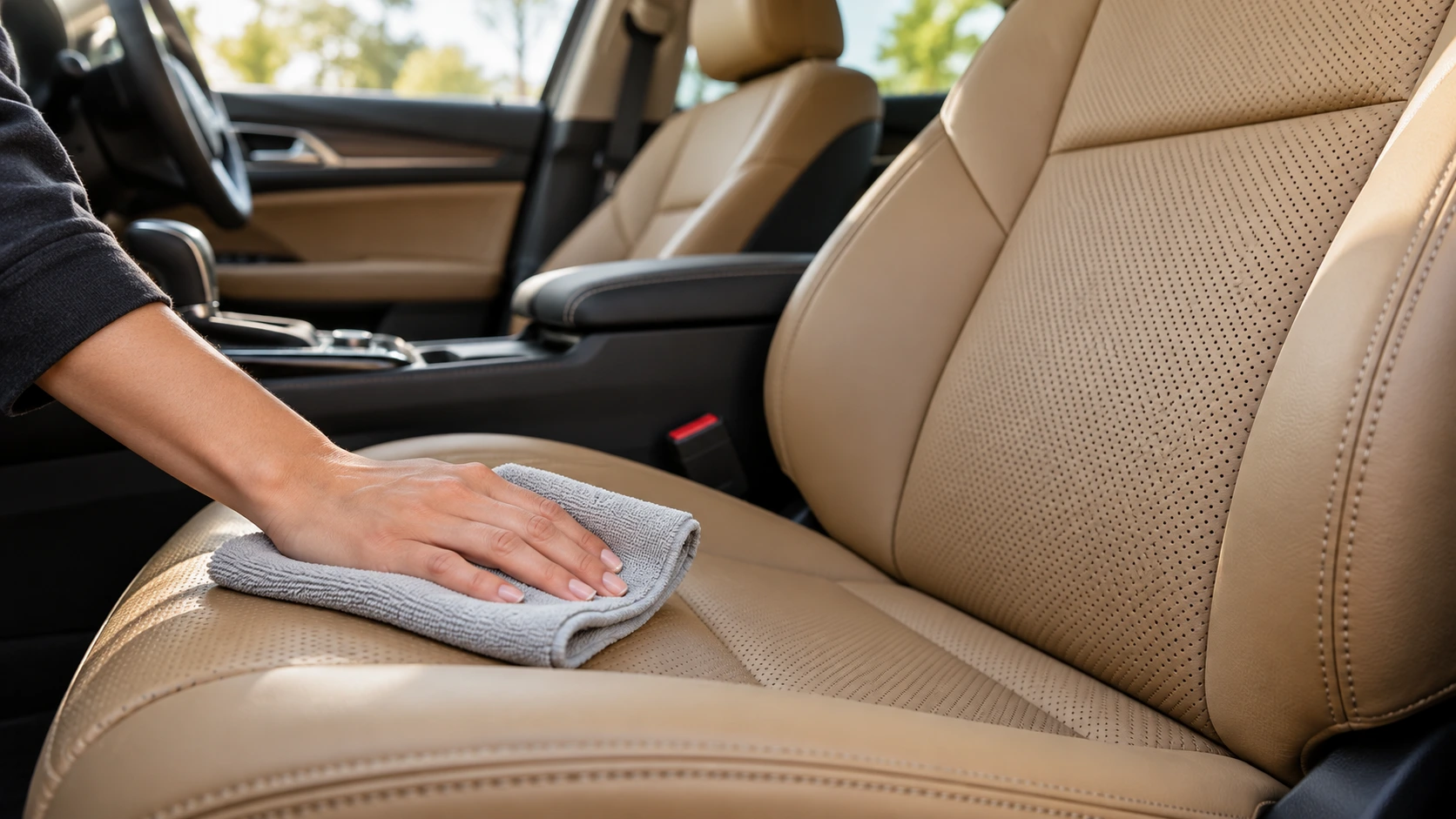
Basic activities such as washing the exterior, vacuuming the interior, and cleaning glass surfaces can be handled easily at home. These tasks require minimal tools and help maintain cleanliness and visibility.
Budget-Friendly Care
DIY methods are cost-effective because they reduce the need for frequent professional services. Investing in basic products once can support long-term maintenance at a lower cost.
Owners with Time and Basic Tools
If you have the time and access to basic equipment, DIY care becomes a practical and flexible option. It allows you to maintain your vehicle at your own pace without scheduling constraints.
When Professional Car Care Makes Sense
Professional car care is better suited for situations that require deeper cleaning, specialized tools, or long-term protection.
Deep Cleaning and Correction
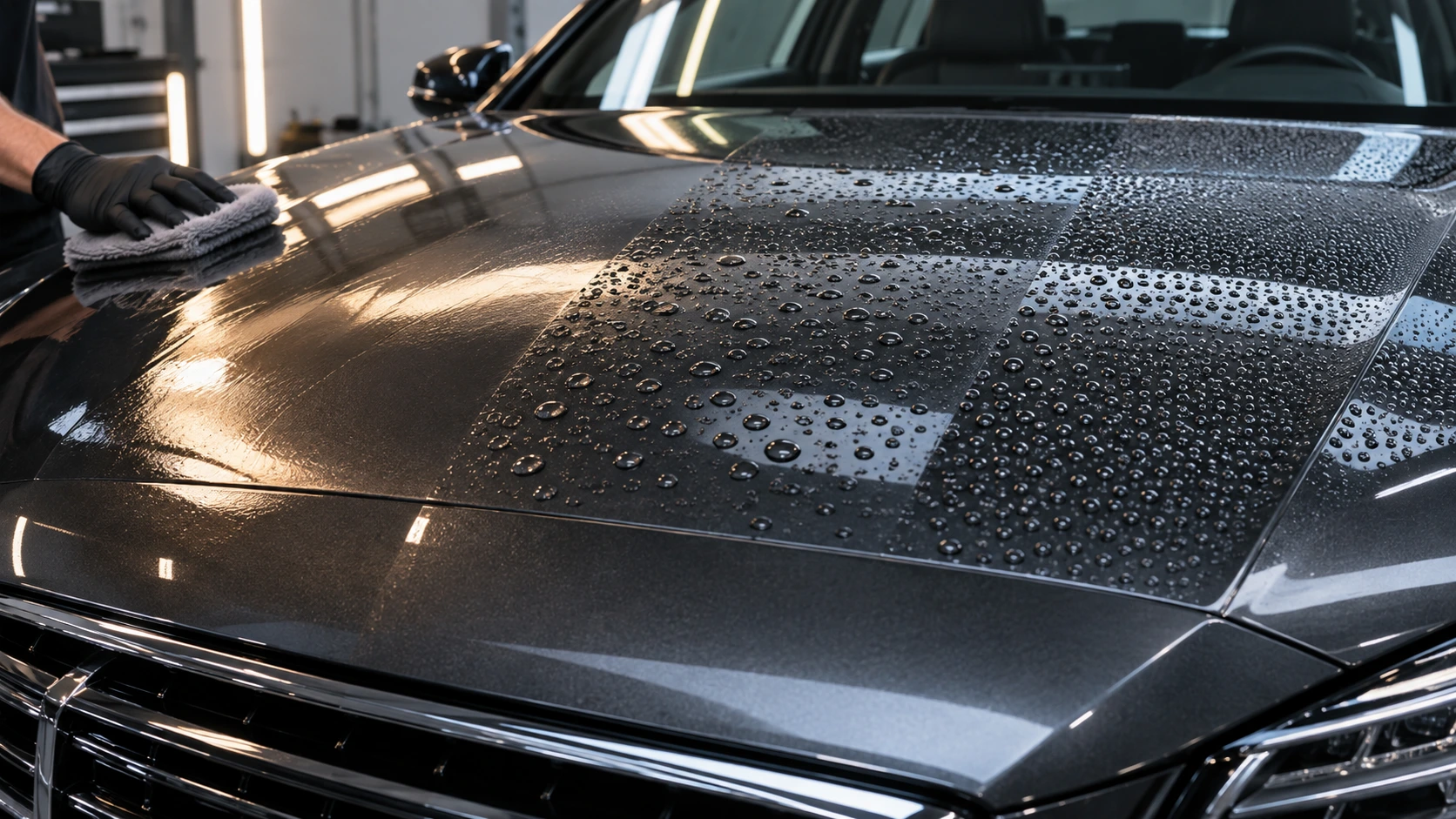
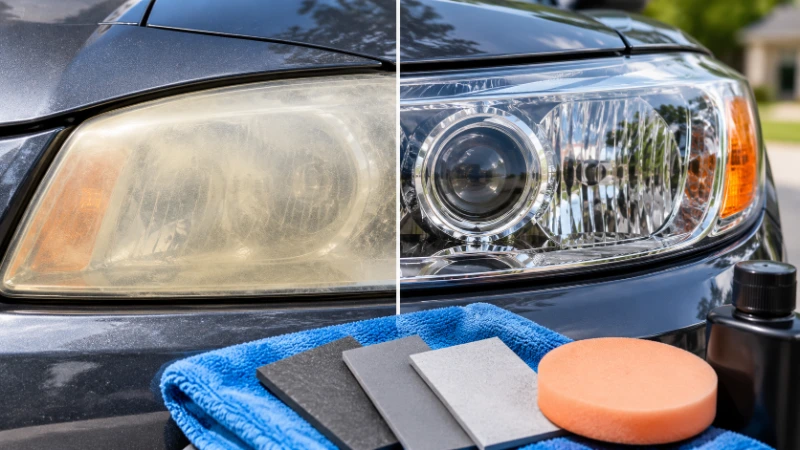
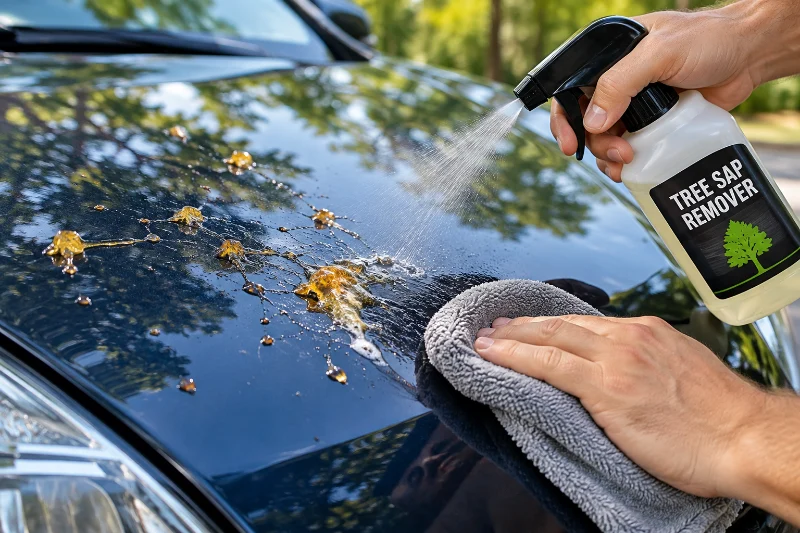
Professional services can remove stubborn contaminants, restore paint clarity, and correct surface imperfections. These results are difficult to achieve with basic DIY methods.
Sensitive Surfaces and Advanced Protection
Experts are trained to handle delicate materials such as leather, clear coat, and coated glass. They also apply advanced protective solutions like sealants or coatings that extend durability.
When You Want Long-Lasting Results
Professional treatments are designed to last longer than basic cleaning. This reduces the need for frequent maintenance and helps maintain a polished, well-protected vehicle over time.
Cost Comparison: DIY vs Professional Car Care
Cost plays a major role when deciding between DIY and professional car care. While DIY appears cheaper upfront, long-term value and potential risks can influence the overall expense.
Cost Comparison table
| Cost Factor | DIY Car Care | Professional Car Care |
|---|---|---|
| Upfront Cost | Requires initial investment in basic tools and products such as soap, microfiber towels, and cleaners. Generally low and one-time. | No upfront product cost, but each service requires payment. Individual sessions can be relatively expensive. |
| Ongoing Expenses | Low recurring cost since products last for multiple uses. Occasional restocking needed. | Higher recurring costs due to repeated service visits, especially for regular detailing. |
| Long-Term Value | Depends on consistency and technique. Poor methods may reduce effectiveness over time. | Offers better long-term protection and durability, often reducing the need for frequent maintenance. |
| Risk of Extra Costs | Mistakes like scratches or improper cleaning can lead to additional repair expenses. | Lower risk of damage due to expert handling and proper techniques. |
| Overall Cost Efficiency | More budget-friendly for routine maintenance and regular cleaning. | More expensive but provides higher-quality results and convenience. |
Which Saves More Money: DIY or Professional Car Care?
DIY car care usually saves more money over time because it requires a one-time investment in basic tools and low ongoing costs. However, professional car care can be more cost-effective in the long run if it prevents damage and reduces the need for repairs. The best approach is a mix of both.
How to Choose the Right Option for Your Car
Choosing between DIY and professional car care depends on a few practical factors. Evaluating your situation carefully helps you select an approach that fits your needs while maintaining your vehicle effectively.
Consider Your Budget
Your budget plays a key role in decision-making. If you want to minimize expenses, DIY car care is a practical starting point. It requires a small initial investment and low ongoing costs. However, if you can afford occasional professional services, combining both methods can deliver better long-term value.
Consider Your Time
Time availability is another important factor. DIY car care requires regular effort and consistency, which may not be suitable for everyone. If your schedule is busy, professional services offer convenience by saving time while still maintaining high-quality results.
Consider Your Skill Level
Your experience level also matters. Beginners should start with simple tasks like washing and interior cleaning to avoid mistakes. As your knowledge improves, you can handle more tasks confidently. For advanced procedures, professional expertise is often the safer choice.
Consider Your Vehicle’s Condition
The condition of your vehicle should guide your decision. New or well-maintained cars can benefit from regular DIY upkeep. However, older vehicles or those with visible damage may require professional attention to restore and protect key surfaces.
Final Verdict: DIY or Professional Car Care?
Both DIY and professional car care have their advantages, and neither is universally better. The right choice depends on your priorities, resources, and expectations.
Best Overall Option for Most Car Owners
For most people, a balanced approach works best. Regular DIY maintenance—such as washing, vacuuming, and basic checks—keeps the car clean and functional. Occasional professional services handle deep cleaning, correction, and long-term protection, ensuring better overall results.
Best Option Based on Specific Needs
Choose DIY car care if your goal is to save money, maintain flexibility, and stay involved in the process. On the other hand, opt for professional care if you want convenience, consistent results, and expert-level protection. Selecting the right combination based on your needs will help you maintain your vehicle efficiently over time.
Conclusion
Choosing between DIY and professional car care depends on what matters most—cost, time, or results. DIY methods offer flexibility and lower expenses, making them suitable for routine cleaning and basic upkeep. On the other hand, professional services provide deeper cleaning, advanced protection, and more consistent results, especially for complex tasks.
In practice, a balanced approach works best for most car owners. Handling regular maintenance at home while relying on professionals for detailing, polishing, and protective treatments ensures both efficiency and quality. This combination helps maintain your vehicle’s appearance, improve performance, and extend its lifespan over time.
Frequently Asked Questions
Is DIY car care safe for all vehicles?
Yes, DIY car care is safe for most vehicles when the right products and techniques are used. The key is to use paint-safe, glass-safe, and interior-safe cleaners and to avoid harsh tools or chemicals. Sensitive surfaces such as leather, clear coat, and coated glass need extra care.
Is professional car care worth the money?
Yes, professional car care is worth the money for deeper cleaning, better protection, and time savings. It is especially useful for removing stubborn contaminants, restoring shine, and protecting surfaces more effectively. For many car owners, the higher cost is balanced by better long-term results.
Can I do some tasks myself and leave the rest to professionals?
Yes, this is often the best approach for car owners. Basic washing, vacuuming, and quick inspections can be done at home, while polishing, deep detailing, paint protection, and heavy restoration are better handled by professionals. This approach saves money and maintains quality.
How often should car care be done?
Basic car care should be done weekly or every two weeks, depending on driving conditions and weather. Professional detailing is usually recommended every few months for deeper cleaning and protection. Regular care helps prevent damage, maintain appearance, and reduce long-term maintenance costs.