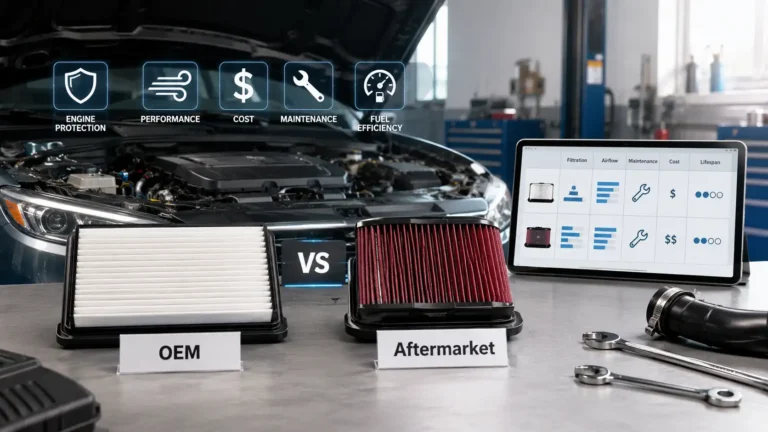
The best air filter choice depends on what you’re optimizing for: OEM filters guarantee factory-engineered fit and filtration, Fram and Purolator disposable aftermarket filters offer budget-friendly reliability, and reusable filters like K&N trade a small filtration tradeoff for long-term cost savings and a minor performance boost. There’s no single universal winner, since the right choice depends on your priorities around cost, performance, and maintenance habits.
This guide compares OEM, standard aftermarket, and performance aftermarket air filters, covering what each option actually delivers, our top picks in each category, and who each one makes the most sense for.
If you haven’t already, our guide on how to replace an air filter in 10 minutes walks through the simple swap process regardless of which filter type you choose.
How Do OEM Air Filters Compare to Aftermarket Options?
OEM filters are manufactured to the exact specifications the vehicle manufacturer designed for that specific engine, guaranteeing a precise fit and filtration performance matched to the engine’s original engineering. This makes OEM the safest default choice for drivers who simply want a filter that performs exactly as the manufacturer intended, without needing to evaluate tradeoffs between different aftermarket options.
Quality aftermarket brands like WIX or Purolator can match OEM performance closely while often costing 30 to 50 percent less, making them a reasonable middle ground for cost-conscious drivers who still want reliable filtration without the OEM price premium. Lower-quality aftermarket filters, by contrast, can suffer from inconsistent fit or reduced filtration effectiveness, which is where the aftermarket category’s reputation becomes more mixed.
Quick Comparison: Best Air Filters at a Glance
The table below highlights the top engine air filter options based on filtration type, maintenance requirements, and overall value. Use it as a quick reference to compare each filter before exploring the detailed reviews further.
Compare the leading OEM-style, disposable, and reusable air filters side by side:
| Rank | Product | Best For | Media Type | Buy Link |
|---|---|---|---|---|
| 1 | FRAM Extra Guard | Budget-friendly disposable | Standard paper | Check Price on Amazon |
| 2 | K&N High-Flow Air Filter | Reusable performance | Oiled cotton gauze | Check Price on Amazon |
| 3 | WIX Air Filter | OEM-match aftermarket | Embossed pleated paper | Check Price on Amazon |
| 4 | Purolator PurolatorONE | Fuel efficiency claims | Advanced multi-layer paper | Check Price on Amazon |
Detailed Reviews of the Best Engine Air Filters
Now that you’ve seen the quick comparison, let’s take a closer look at each recommended air filter. Below, you’ll find an overview of what makes each product stand out, who it’s best suited for, its key strengths and drawbacks, and whether it’s worth buying for your specific driving needs.
1. Best Standard Disposable Filter: FRAM Extra Guard
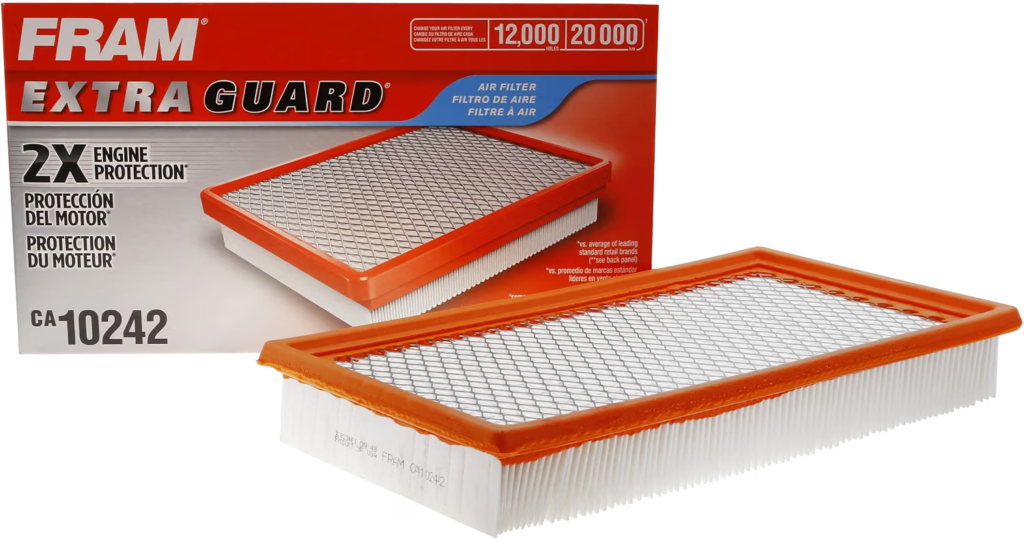
The FRAM Extra Guard is one of the most popular disposable engine air filters on the market. Designed for everyday driving, it delivers dependable engine protection, wide vehicle compatibility, and excellent value, making it a practical choice for routine maintenance.
Pros
- Affordable price
- Reliable filtration for daily driving
- Wide compatibility across many vehicle models
- Easy drop-in installation
- Available at most automotive retailers
Cons
- Disposable, requiring regular replacement
- Not designed to improve engine performance
- Shorter lifespan than reusable filters
Our Review
If you’re looking for a dependable replacement air filter without spending extra money, the FRAM Extra Guard is one of the safest choices. It performs well for normal commuting, offers consistent filtration, and provides excellent overall value for drivers who simply want reliable engine protection.
2. Best Reusable Performance Filter: K&N High-Flow Air Filter
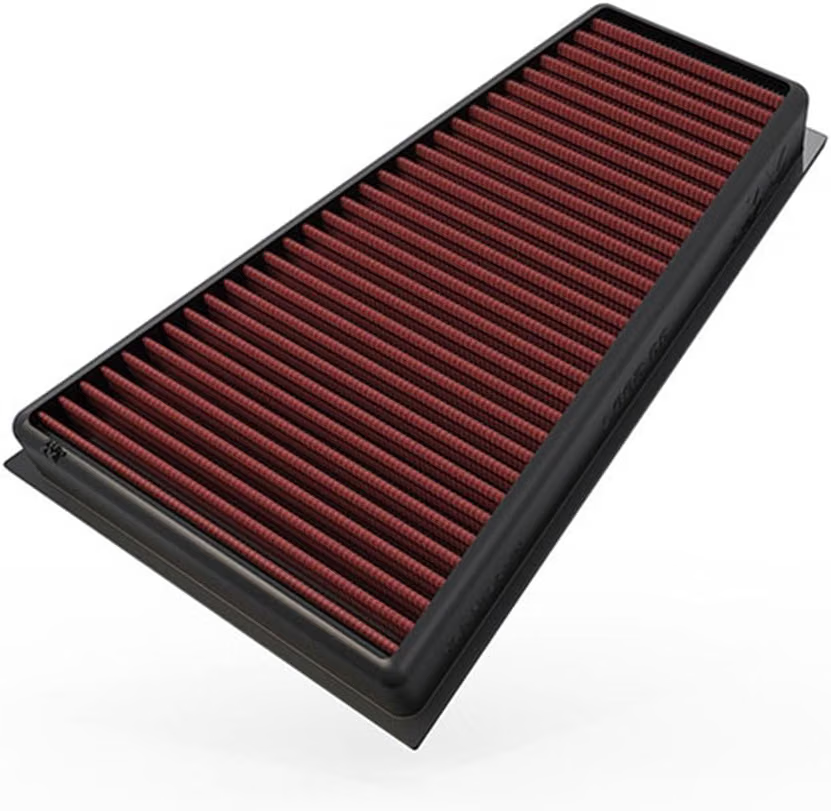
The K&N High-Flow Air Filter is a reusable performance filter designed to improve airflow while reducing long-term replacement costs. It’s especially popular among enthusiasts and drivers planning to keep their vehicles for many years.
Pros
- Reusable and washable
- Improved airflow compared to standard paper filters
- Potential for slight throttle response improvement
- Long service life
- Backed by a long warranty
Cons
- Higher upfront cost
- Requires periodic cleaning and re-oiling
- Slightly lower fine-particle filtration than quality paper filters
- Incorrect oiling may affect MAF sensors
Our Review
The K&N filter is ideal for drivers who value long-term savings and enjoy maintaining their vehicles. While the performance gains are modest on stock engines, its reusable design can offset the initial purchase price over time. It’s best suited for performance-minded owners willing to perform regular maintenance.
3. Best OEM-Match Aftermarket: WIX Air Filter
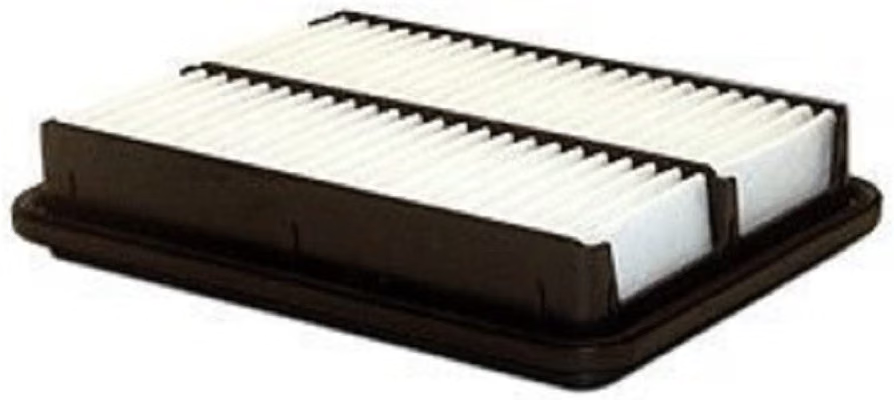
WIX Air Filters are known for delivering filtration quality that’s very close to OEM standards while costing less than dealership replacement filters. They’re a favorite among mechanics and DIY vehicle owners alike.
Pros
- Excellent filtration efficiency
- OEM-quality fit and construction
- Consistent airflow throughout service life
- Good value for money
- Trusted aftermarket reputation
Cons
- Slightly more expensive than budget filters
- Disposable design
- Limited performance improvement over OEM
Our Review
WIX strikes an excellent balance between price and quality. If your goal is to maintain factory-level engine protection without paying OEM prices, this is one of the strongest aftermarket options available.
4. Best for Fuel Efficiency Claims: PurolatorONE Advanced Engine Air Filter
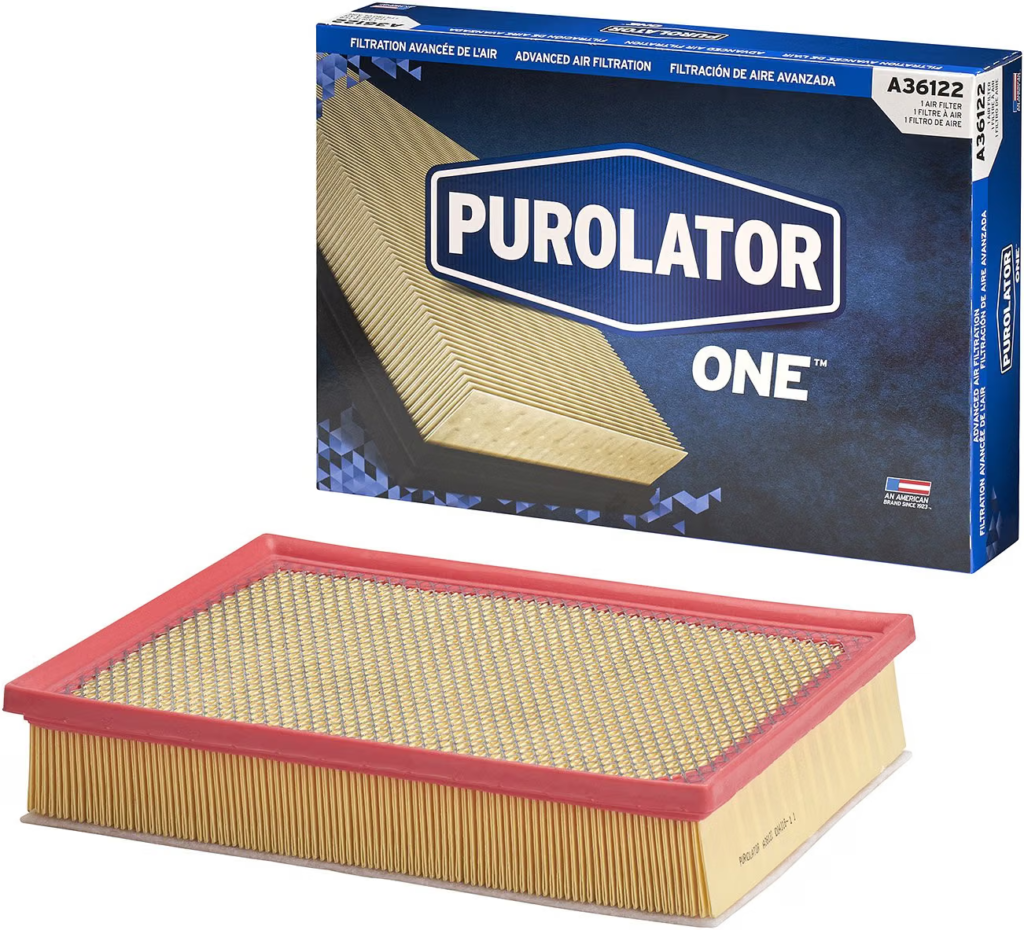
The PurolatorONE Advanced Engine Air Filter is built for drivers who prioritize high filtration efficiency and reliable everyday engine protection. Its multi-layer filter media is designed to capture fine contaminants while maintaining good airflow.
Pros
- High filtration efficiency
- Multi-layer filter media
- Easy replacement
- Excellent everyday protection
- No maintenance required
Cons
- Disposable filter
- Higher price than basic paper filters
- No significant horsepower gains
Our Review
PurolatorONE is an excellent choice for drivers who want premium disposable filtration without switching to a reusable filter. It offers strong overall protection, simple maintenance, and dependable performance for everyday driving.
Which Air Filter Is Best for Your Driving Needs?
The best engine air filter depends on how you drive, your maintenance preferences, and your budget. While no single filter is ideal for everyone, choosing one that matches your driving conditions ensures better engine protection and long-term value.
| Driver Type | Recommended Air Filter | Why It’s the Best Choice |
|---|---|---|
| Daily commuters | OEM, WIX, or PurolatorONE | Reliable filtration with no additional maintenance required |
| Budget-conscious drivers | FRAM Extra Guard | Affordable, dependable, and widely available |
| Performance enthusiasts | K&N High-Flow Air Filter | Improved airflow with reusable long-term design |
| Dusty or off-road drivers | OEM, WIX, or PurolatorONE | Better fine-particle filtration than most reusable filters |
Ultimately, selecting the right air filter based on your driving habits will provide better engine protection than simply choosing the most expensive or popular option.
Does an Engine Air Filter Affect Performance?
Yes, but the impact is usually modest on stock vehicles. A clean, high-quality air filter helps maintain proper airflow, allowing the engine to operate efficiently. However, simply switching to a performance air filter won’t dramatically increase horsepower.
Here’s what most drivers can realistically expect:
- High-flow filters may provide a slight improvement in throttle response.
- Stock engines typically gain around 1–4 horsepower at most.
- Performance gains are more noticeable on modified or turbocharged vehicles.
- Fuel economy improvements are generally small and depend more on replacing a dirty filter than upgrading to a performance model.
For everyday driving, choosing a quality filter that fits your vehicle correctly is usually more beneficial than chasing small performance gains.
What Are the Disadvantages of Reusable Air Filters?
Reusable air filters offer long-term savings, but they also require more maintenance than disposable paper filters.
Before buying one, consider these trade-offs:
Pros
- Can last for the life of the vehicle with proper care
- Reduce long-term replacement costs
- Improve airflow compared to many paper filters
- Produce less waste than disposable filters
Cons
- Higher upfront purchase price
- Require regular cleaning and re-oiling
- Improper maintenance reduces filtration efficiency
- Over-oiling can potentially contaminate the mass airflow (MAF) sensor
- Not ideal for drivers who prefer maintenance-free servicing
If you prefer a simple “replace and forget” maintenance routine, a quality disposable paper filter is often the better choice.
How Often Should You Replace or Clean an Engine Air Filter?
The correct service interval depends on the type of air filter and your driving environment. Following the recommended schedule helps maintain engine performance and fuel efficiency.
| Filter Type | Recommended Service Interval |
|---|---|
| OEM, FRAM, WIX, and Purolator paper filters | Replace every 12,000–15,000 miles under normal driving conditions |
| K&N reusable air filter | Clean and re-oil every 25,000–50,000 miles, depending on driving conditions |
| Vehicles driven in dusty, sandy, or off-road environments | Inspect every few months and service sooner if the filter appears dirty |
Checking your engine air filter during every oil change is a good habit, especially if you frequently drive on dirt roads or in dusty conditions. Replacing or servicing the filter at the proper interval helps maintain consistent airflow, protects the engine from contaminants, and supports long-term reliability.
Conclusion
Choosing between an OEM and an aftermarket air filter ultimately comes down to your driving habits, maintenance preferences, and budget. OEM filters provide factory-spec fit and dependable filtration, while quality aftermarket options like WIX, FRAM, and Purolator offer comparable protection at a lower cost. If you’re looking for long-term savings and don’t mind periodic cleaning, a reusable K&N filter can be a worthwhile investment. For most daily drivers, however, a high-quality disposable paper filter remains the simplest and most practical solution.
Regardless of which option you choose, replacing or servicing your engine air filter at the recommended interval helps maintain engine performance, fuel efficiency, and long-term reliability. Selecting a reputable brand that fits your vehicle correctly is far more important than chasing small performance gains.
Frequently Asked Questions
Is an OEM air filter better than an aftermarket air filter?
Not always. OEM air filters guarantee an exact factory fit and performance, but reputable aftermarket brands such as WIX, FRAM, and Purolator often provide comparable filtration at a lower price. For most drivers, a quality aftermarket filter offers the best balance of performance and value.
Which aftermarket engine air filter is the best?
The best aftermarket air filter depends on your priorities:
- FRAM Extra Guard : Best budget disposable filter
- WIX Air Filter : Best OEM-quality replacement
- PurolatorONE : Best for high filtration efficiency
- K&N High-Flow : Best reusable performance filter
Do performance air filters increase horsepower?
Yes, but only slightly. Most high-flow performance filters may add around 1–4 horsepower on stock vehicles, with more noticeable gains on modified engines. The improvement is generally modest rather than dramatic.
Are reusable air filters worth buying?
Reusable filters are worth buying if you plan to keep your vehicle for many years and don’t mind regular cleaning and re-oiling. Although they cost more initially, they can save money over time by eliminating the need for frequent replacements.
How often should an engine air filter be replaced?
Most disposable engine air filters should be replaced every 12,000–15,000 miles under normal driving conditions. Vehicles driven on dusty roads, gravel, or off-road trails may require more frequent inspections and earlier replacement.
Can a dirty air filter reduce fuel economy?
Yes. A heavily clogged engine air filter can restrict airflow, making the engine work harder and potentially reducing fuel efficiency, throttle response, and overall performance. Replacing a dirty filter can restore normal airflow.
Will installing an aftermarket air filter void my vehicle warranty?
No. Installing an aftermarket air filter alone generally does not void your vehicle’s warranty. However, if the aftermarket part directly causes damage to another component, that specific repair may not be covered under warranty.
Which air filter is best for daily driving?
For most daily commuters, a quality disposable paper filter such as WIX, FRAM Extra Guard, PurolatorONE, or the OEM filter is the best choice because it provides excellent filtration, requires no maintenance beyond replacement, and offers dependable long-term engine protection.