Worn brake rotors typically show themselves through a pulsating brake pedal, visible grooves or scoring on the rotor surface, a grinding or scraping noise, and rotors that measure below the minimum thickness specification. Rotors don’t wear out on the same schedule as brake pads, but they do wear over time and eventually need replacement rather than just resurfacing.
This guide covers what brake rotors actually do, the specific signs of wear or damage, how rotor wear differs from brake pad wear, when resurfacing is an option versus full replacement, and how to check rotor condition at home.
What Do Brake Rotors Actually Do?
Brake rotors are the flat, disc-shaped metal components that brake pads clamp onto when you press the brake pedal, converting the vehicle’s kinetic energy into heat through friction. Every time you brake, the pads squeeze against the spinning rotor, and that friction is what actually slows the car down.
Because rotors handle enormous heat and friction over their lifespan, they gradually wear thinner and can develop surface damage from normal use, contamination, or extended heat exposure. Unlike pads, which are a wear item on a shorter, more predictable replacement cycle, rotors last considerably longer but still require monitoring and eventual replacement.
What Does a Pulsating Brake Pedal Tell You?
A pulsating or vibrating sensation in the brake pedal when braking is one of the clearest signs of rotor problems, specifically pointing to uneven rotor thickness or warping. This happens because the brake pads are gripping a surface that isn’t perfectly flat and consistent, causing the pedal to pulse as the pads move slightly with each uneven section of the rotor.
This pulsation is often most noticeable during moderate to hard braking, such as slowing down from highway speed, and may feel subtler or even absent during very light braking. A pulsating pedal shouldn’t be ignored, since it indicates the rotors are no longer providing the consistent, even braking surface the system depends on for reliable stopping power.
What Visual Signs Indicate Worn or Damaged Rotors?
A visual inspection can reveal several distinct types of rotor wear and damage, each pointing to a slightly different underlying issue.
- Deep grooves or scoring on the rotor surface – often caused by worn-out brake pads that have lost their friction material, allowing metal backing to contact the rotor directly.
- A blueish or discolored tint on the rotor surface – indicates the rotor has been exposed to excessive heat, which can affect its structural integrity even if it still looks physically intact.
- Visible cracks, especially around the edges or vents – a serious warning sign that the rotor could fail structurally and needs immediate replacement.
- A lip or ridge built up around the outer edge of the rotor – suggests the braking surface has worn down significantly relative to the rotor’s original edge.
- Rust that doesn’t clear after a short drive – light surface rust after sitting overnight is normal and typically clears with the first few brake applications, but persistent rust can point to a rotor that isn’t being used evenly.
Any of these visual signs, especially cracking or significant scoring, are strong indicators that a rotor needs professional evaluation rather than continued use.
What Noises Point to a Rotor Problem?
Unusual braking noises are often one of the earliest signs of worn or damaged brake rotors. While some sounds may indicate worn brake pads, others can point directly to rotor damage, excessive wear, or improper rotor contact. Identifying these noises early can help prevent more expensive brake repairs and maintain safe stopping performance.
Common Brake Rotor Noises and What They Mean
- Grinding or scraping noise: A loud grinding sound usually indicates metal-on-metal contact because the brake pads have worn through their friction material and the metal backing plate is rubbing against the rotor. This can quickly damage both the rotor and brake caliper.
- Rhythmic clicking or knocking: A clicking or knocking noise that changes with wheel speed may indicate a loose brake rotor, damaged mounting hardware, or a warped rotor contacting nearby brake components.
- Thumping during braking: A repetitive thumping sound can occur if the rotor has uneven wear, excessive runout, or severe warping, causing inconsistent contact with the brake pads.
- Squealing followed by grinding: A high-pitched squeal often comes from brake pad wear indicators. If ignored, it can progress into a grinding noise once the pads wear completely through, increasing the likelihood of rotor damage.
- Scraping after installing new brakes: Continuous scraping after a brake service may indicate an improperly installed rotor, debris trapped between the rotor and hub, or a brake dust shield rubbing against the rotor.
How Do You Check Rotor Thickness at Home?
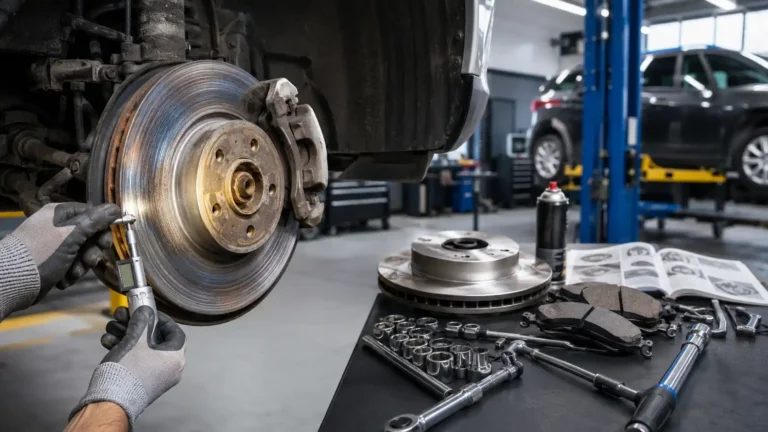
Every rotor has a minimum thickness specification stamped or cast directly onto it, usually on the edge of the rotor hub, which represents the thinnest the rotor can safely wear to before requiring replacement. Measuring current rotor thickness with a micrometer and comparing it against this minimum specification gives a precise, objective answer about whether the rotor is still serviceable.
If you don’t have a micrometer, many auto parts stores and all brake shops can measure this quickly and often at no charge as part of a brake inspection. A rotor measuring at or near its minimum thickness should be replaced rather than resurfaced, since resurfacing removes additional material and there may not be enough left to safely machine.
What’s the Difference Between Resurfacing and Replacing a Rotor?
Resurfacing, also called turning, involves machining a thin layer off the rotor’s surface to restore a flat, even braking surface without replacing the entire component. This is a reasonable option for rotors that show minor scoring or a small amount of warping but still have adequate thickness remaining above the minimum specification after the material is removed.
Replacement becomes necessary when a rotor is at or below minimum thickness, shows significant cracking, or has warping severe enough that resurfacing wouldn’t leave enough material for safe use. Many modern vehicles use rotors designed with less extra material than older designs, making resurfacing less commonly recommended today than it was on older vehicles with thicker original rotors.
How Long Do Brake Rotors Typically Last?
Brake rotors generally last between 30,000 and 70,000 miles, though this range varies significantly based on driving habits, rotor quality, and how well brake pads have been maintained. Aggressive braking, frequent stop-and-go city driving, and towing all accelerate rotor wear compared to steady highway driving with gradual braking.
Neglecting worn brake pads is one of the most common ways rotors wear out prematurely, since pads worn down to their metal backing plate will score and damage the rotor surface directly. Replacing pads before they reach this point protects the rotors and can meaningfully extend how long they last before needing replacement themselves.
Can Ignoring Worn Rotors Affect Other Brake Components?
Yes, continuing to drive on severely worn or damaged rotors puts extra stress on brake calipers, since an uneven or warped rotor surface can cause the caliper piston to work harder and less consistently than it would against a flat, healthy rotor. Over time, this added strain can contribute to premature caliper wear or sticking, turning a rotor problem into a more expensive multi-component repair.
Severely scored rotors also wear down replacement pads faster than a smooth, properly machined surface would, since the uneven surface doesn’t allow the new pad material to seat and wear evenly. Addressing rotor issues promptly protects the rest of the brake system from this kind of cascading wear.
Conclusion
Brake rotors are essential for safe, consistent braking, and recognizing the early signs of wear can help prevent expensive repairs and improve overall driving safety. Common warning signs include a pulsating brake pedal, grinding noises, deep grooves, blue heat discoloration, visible cracks, and rotors that have worn below the manufacturer’s minimum thickness. Ignoring these symptoms can reduce braking performance and accelerate wear on brake pads, calipers, and other brake components.
Regular brake inspections and timely maintenance are the best ways to extend rotor life and keep your braking system performing reliably. If your rotors are severely worn, cracked, or warped, replacing them is the safest solution. Addressing rotor problems early not only restores confident stopping power but also helps protect the rest of your brake system, ensuring safer and more dependable driving in all road conditions.
Frequently Asked Questions
How can I tell if my brake rotors are bad without removing the wheel?
In many cases, you can inspect your brake rotors through the wheel spokes using a flashlight. Look for deep grooves, heavy rust, blue heat spots, cracks, or a noticeable lip around the rotor edge. While this won’t confirm rotor thickness, it can help identify obvious signs that warrant a professional inspection.
What are the most common symptoms of bad brake rotors?
The most common signs include a pulsating brake pedal, steering wheel vibration while braking, grinding or scraping noises, longer stopping distances, visible rotor grooves, blue heat discoloration, and excessive rotor wear below the minimum thickness specification.
Can worn brake rotors damage new brake pads?
Yes. Installing new brake pads on severely worn or damaged rotors can cause uneven pad wear, poor braking performance, increased noise, and reduced pad lifespan. Smooth, properly resurfaced or new rotors allow new brake pads to bed in correctly.
Is it safe to drive with warped brake rotors?
Driving with mildly warped rotors may still allow the vehicle to stop, but it reduces braking consistency and increases stopping distance. Severe rotor warping can affect vehicle control during hard braking and should be repaired as soon as possible.
Should brake rotors be replaced with every brake pad change?
Not always. Rotors only need replacement if they are below the manufacturer’s minimum thickness, cracked, severely grooved, or warped. If they remain within specification and have minimal wear, they can often be resurfaced or reused with new brake pads.
How long do brake rotors usually last?
Most brake rotors last between 30,000 and 70,000 miles, although lifespan depends on driving style, vehicle weight, road conditions, towing, and brake pad maintenance. Gentle highway driving generally results in much longer rotor life than frequent stop-and-go traffic.
Can I replace brake rotors myself?
Yes, replacing brake rotors is a common DIY repair for people with basic mechanical experience and the proper tools. However, the job requires safely lifting the vehicle, correctly torquing fasteners, and properly bedding the new pads and rotors after installation. If you’re unsure, professional installation is recommended.
How much does it cost to replace brake rotors?
Brake rotor replacement typically costs $150–$300 per axle, including parts and labor. Premium or performance vehicles may cost more, while DIY replacement can significantly reduce labor expenses if you already have the necessary tools.
What causes brake rotors to wear out quickly?
Brake rotors wear faster due to aggressive braking, towing heavy loads, frequent city driving, overheated brakes, worn brake pads, poor-quality replacement parts, or sticking brake calipers that keep constant pressure on the rotor.
Can brake rotors rust?
Yes. Light surface rust after rain or overnight parking is completely normal and usually disappears after a few brake applications. However, heavy rust, deep corrosion, or rust that remains after driving may indicate rotor deterioration that requires inspection.